

More Than a View: The Grand Canyon’s Untold Indigenous History
Picture the Grand Canyon. What do you see? Towering red rock, the snaking Colorado River, a vast, silent wilderness carved by time. It’s one of the most iconic landscapes on Earth, a symbol of raw, untouched nature.
But that whole “untouched” thing? It’s a myth. A big one.
The Grand Canyon has been a home, a highway, a sanctuary, and a sacred place for people for at least 12,000 years. Before the first tourist ever snapped a photo, before the first national park ranger ever laced up their boots, this canyon was alive with communities, culture, and history. The story of the Grand Canyon isn’t just about geology; it’s about humanity.
This isn’t a history lesson from a dusty textbook. This is the story of ancient hunters, resourceful farmers, and the living cultures of the 11 Indigenous tribes who still call this place home. We’re going to peel back the layers of rock and time to uncover the archaeological treasures and enduring histories hidden in plain sight.
So, let’s look past the postcard view and see the canyon for what it truly is: a cultural landscape, humming with the echoes of millennia.
Echoes of the First People: 12,000 Years of Footprints
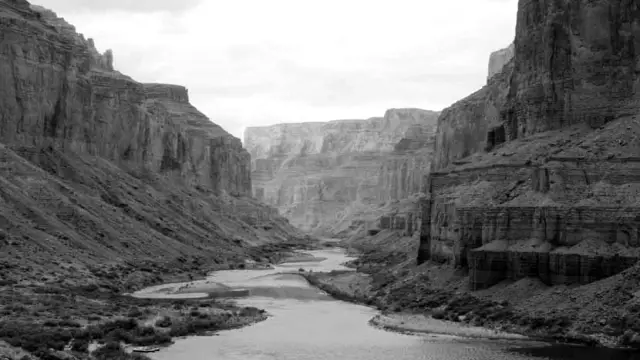
Long before the pyramids were built, people were living in the Grand Canyon. We’re talking about the end of the last Ice Age. How do we know? Because they left behind clues—subtle, incredible artifacts that have survived for thousands of years.
The earliest evidence of humans in the canyon comes from the Paleo-Indian period. These weren’t farmers; they were nomadic hunter-gatherers, moving with the seasons and following the massive mammals of the era, like Shasta ground sloths and bighorn sheep.
The Split-Twig Figurines: A Window into Ancient Beliefs
One of the most mind-blowing discoveries from this era is the split-twig figurines. Archaeologists have found hundreds of these small, delicate animal figures tucked away in remote, hard-to-reach caves.
- What are they? Crafted from a single willow or cottonwood twig, split down the middle and folded into the shape of a deer or bighorn sheep.
- How old are they? Radiocarbon dating shows some are between 3,000 and 4,000 years old.
- What were they for? Researchers believe these were not toys. Their placement in inaccessible caves suggests they were part of sophisticated hunting rituals or shamanistic ceremonies. They might have been effigies used in prayers for a successful hunt, a way to connect with the spirits of the animals that provided life.
These tiny, fragile objects are a powerful reminder that the canyon’s first inhabitants had a rich spiritual world. They weren’t just surviving; they were making sense of their world through art and ritual.
The Rise of the Ancestral Puebloans: Building a Home in the Cliffs
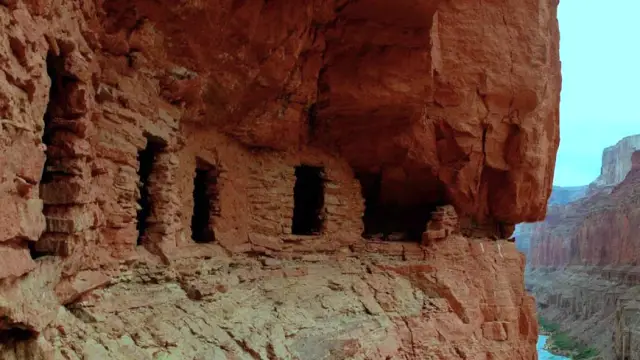
Around 500 CE, life in the canyon began to change. People started to settle down. The hunter-gatherer lifestyle slowly gave way to agriculture, with communities learning to cultivate maize (corn), beans, and squash along the riverbanks and on the canyon rims. This shift marked the beginning of the Ancestral Puebloan culture.
These weren’t just scattered farms. They were vibrant communities. The people built homes, stored food in structures called granaries, and created stunning art. Today, archaeologists have identified more than 4,300 archaeological sites within the Grand Canyon National Park, most belonging to the Ancestral Puebloans.
Life in a Pueblo
One of the most significant and accessible sites is the Tusayan Pueblo (or Tusayan Ruin) on the South Rim. What was life like there around the year 1185?
- Architecture: They built multi-room structures from stone and mud mortar, often clustered together. The pueblo included living quarters, storage rooms, and a central plaza for community activities.
- Kivas: Circular, subterranean rooms called kivas were the heart of the community’s ceremonial life. These were sacred spaces used for religious rituals and social gatherings.
- Art & Tools: They were master potters, creating beautiful, intricate black-on-white pottery used for cooking, storage, and trade. They also left behind a visual history on the canyon walls in the form of petroglyphs (images carved into rock) and pictographs (images painted on rock). These images depict everything from animal figures and human-like forms to complex geometric patterns and celestial events.
Around 1300 CE, for reasons still debated by scholars (likely a combination of prolonged drought, resource depletion, and social change), the Ancestral Puebloans migrated away from the canyon, moving to other areas like the Hopi Mesas and the Rio Grande Valley. But they didn’t disappear. Their descendants are the modern Pueblo peoples of today.
The People of Today: A Living, Breathing History
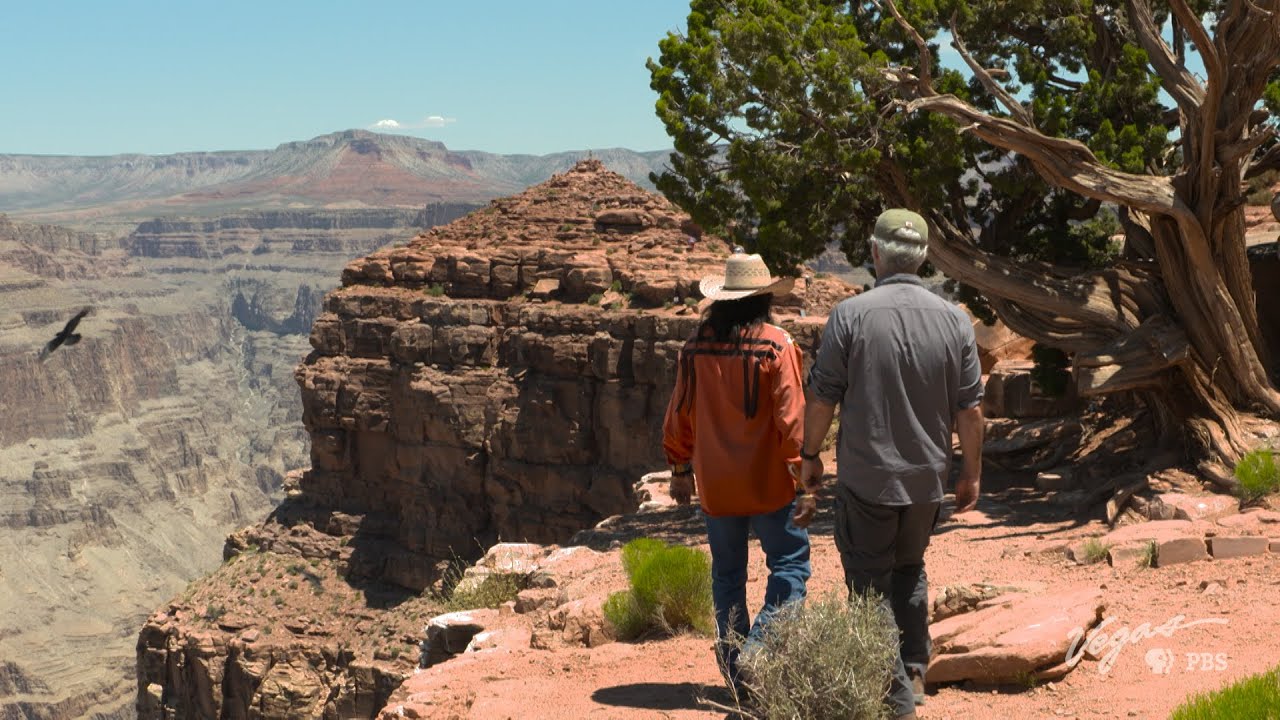
This is the most important part of the story: the Indigenous history of the Grand Canyon is not over. It’s a living, evolving culture. Today, 11 distinct Indigenous tribes maintain cultural and spiritual connections to the lands within Grand Canyon National Park.
Their ancestral lands were taken to create the park, and their history has often been overlooked. But their presence and their connection to this place are undeniable and enduring.
Here are just a few of these Associated Tribes and their profound relationship with the canyon:

- The Havasupai Tribe (“People of the Blue-Green Waters”): Perhaps the most famous residents, the Havasupai have lived within the canyon for over 800 years. Their home, Supai Village, is located in a side canyon and is one of the most remote communities in the United States, accessible only by foot, mule, or helicopter. The canyon is not a park to them; it is their literal and spiritual home.
- The Hualapai Tribe (“People of the Tall Pines”): Their ancestral territory covers a massive stretch of the canyon’s western end. Today, the Hualapai Nation operates the popular Grand Canyon West, including the famous Skywalk, offering visitors a unique perspective on their sacred lands while creating economic opportunities for their community.
- The Hopi Tribe: The Hopi people consider the Grand Canyon, which they call Öngtupqa, to be their place of origin. It is the site where their ancestors, the Hisatsinom (the Ancestral Puebloans), emerged into this world. The canyon remains a site for pilgrimages, shrines, and the collection of sacred materials.
- The Navajo Nation (Diné): The Navajo have a long history within the eastern portions of the Grand Canyon. For the Diné, the confluence of the Colorado and Little Colorado rivers is a particularly sacred place. Their stories and ceremonies are deeply intertwined with the canyon’s geography.
- The Southern Paiute Consortium and the Pueblo of Zuni: These tribes also have deep, long-standing connections, with oral histories, songs, and ceremonies that are tied directly to specific places within the Grand Canyon.
Recognizing these tribes is crucial. It shifts the narrative from one of an empty, ancient ruin to that of a cherished, living homeland.
Respectful Exploration: How to Visit a Sacred Place
So, how does knowing this change the way we visit the Grand Canyon? It changes everything. We’re not just tourists in a park; we are guests in a sacred cultural landscape.
Here’s how you can be a respectful visitor:
- Educate Yourself: Before you go, or while you’re there, visit the Tusayan Museum or the Grand Canyon Visitor Center. Read about the Indigenous histories of the area.
- Leave No Trace. Seriously. This goes beyond packing out your trash. Do not touch or disturb any archaeological sites. Don’t touch petroglyphs (the oils from your hands cause permanent damage). Never take pottery shards, arrowheads, or any other artifacts. It is illegal, and it is an act of profound disrespect.
- Stay on Designated Trails: Wandering off-trail can damage fragile archaeological sites that might not even be visible to the untrained eye.
- Listen and Learn: If you have the opportunity to visit places like the Desert View Inter-tribal Cultural Heritage Site, listen to the perspectives of the tribal members who share their stories and art. Support Native artisans by purchasing directly from them.
The Canyon is Not Silent
The Grand Canyon is not a silent, empty space. It’s a place of stories. If you listen closely, you can hear the echoes of ancient hunters, the whispers of ceremonies in a kiva, and the living prayers of the people who still call this sacred place home.
It is a natural wonder, yes. But it is also one of the most significant and enduring cultural landmarks in North America. By acknowledging and respecting its deep human history, we can experience the Grand Canyon not just with our eyes, but with our hearts and minds.
Have you ever visited the Grand Canyon and felt its deep history? Share your experience or any questions you have in the comments below!

