

La Llorona in South Texas: Why the Weeping Woman Haunts the Buffalo Bayou
You know the sound. If you grew up anywhere near South Texas, the Rio Grande Valley, or even just had a superstitious abuela, you know it. It’s that high-pitched, soul shattering wail that cuts through the humid night air: “¡Ay, mis hijos!” (Oh, my children!).
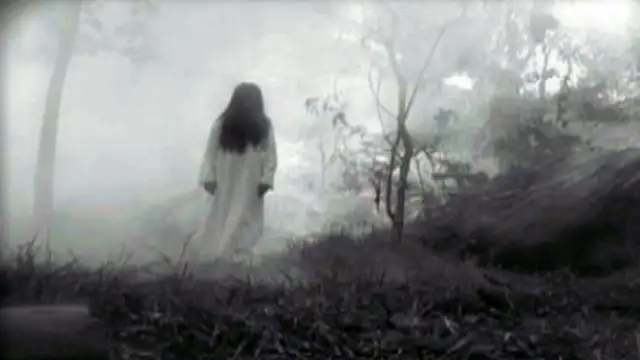
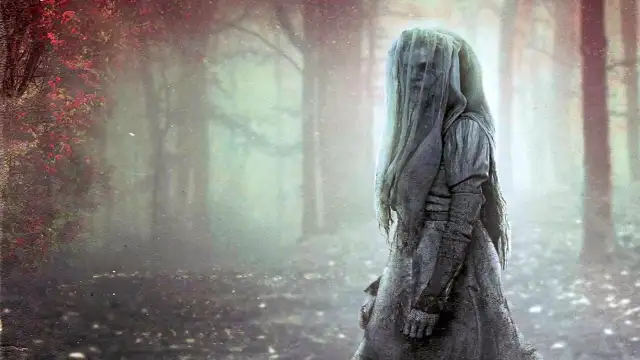
We grow up hearing the story of La Llorona the Weeping Woman. It’s usually told to keep us from playing too close to the river or staying out too late. The legend says she’s a ghost doomed to wander the waterways forever, crying for the children she drowned in a fit of rage or despair.
But here’s the thing about legends: sometimes, they aren’t just stories. sometimes, they are warnings. And in April 1986, right in the heart of Houston, the legend walked off the page and into the dark waters of the Buffalo Bayou.
This isn’t just a ghost story. This is tragic, true account of Juana Leija, a woman whose desperation blurred the line between folklore and reality. Let’s break down what happened, why the bayou feels so heavy today, and why this story still haunts the Lone Star State.
The Legend vs. The Reality
Before we get into the 1986 case, we have to look at why this story hits so hard in Texas. In South Texas lore, La Llorona is often Maria, a beautiful woman who falls for a wealthy man. When he abandons her (usually for a woman of his own class), she snaps. To hurt him, she drowns the one thing that binds them: their children. Instantly regretting it, she drowns herself, only to be denied entry to the afterlife until she finds her lost kids.
It’s a story about betrayal, madness, and regret.
However, the real world is often messier than folklore. In 1986, Juana Leija wasn’t a woman acting out of vengeance against a lover. She was a mother trapped in a cycle of domestic abuse so severe that she saw death as the only safety for her children.

The Day the Bayou Took the Children
It was April 16, 1986. The day started like a normal, humid Wednesday in Houston. Juana Leija, a 29-year-old mother of seven, told her children they were going on a picnic.
They hopped on a city bus, leaving their cramped world behind for an afternoon. But Juana’s mind wasn’t on sandwiches or sunshine. She was wrestling with demons that nobody else could see. Years of alleged beatings and psychological torment by her husband had pushed her to a breaking point. In her mind, she wasn’t planning a murder; she was planning a rescue.
The “Picnic” on Buffalo Bayou
The family arrived at the banks of Buffalo Bayou in downtown Houston. If you’ve ever been there, you know the water isn’t clear and inviting. It’s murky, slow-moving, and deep. It snakes through the city like a brown vein, hiding whatever falls into it.
Juana led her seven children – ranging in age from infancy to roughly 10 years old – to the water’s edge.
Then, the unthinkable happened.
One by one, she began throwing them into the bayou.
- The Horror: She didn’t do it out of anger. Witnesses and later reports suggested she was calm, almost methodical. She believed she was sending them to a better place, away from their father’s abuse.
- The Plan: She intended to jump in last. She wanted to end it all, for everyone.
The Survivors and the Lost
This is where the real story diverges from the legend. In the La Llorona myth, all the children die. In 1986, a miracle happened in the form of a 9-year-old girl named Eloisa.
When Eloisa realized what her mother was doing, she didn’t freeze. She ran. She scrambled up the muddy banks and flagged down a passerby. Her quick thinking set off a chain reaction. Rescuers, including police and brave bystanders, plunged into the water.

The final count was heartbreaking:
- Five children survived. They were pulled from the water, wet and terrified, but alive.
- Two children died. Judas Dimas (6) and Juana (5) drowned before help could reach them.
The bayou had claimed two souls, cementing the location as a site of permanent tragedy.
“Yo Soy La Llorona”
When the police arrested Juana Leija, she didn’t try to hide what she had done. She didn’t make up a story about a kidnapper (like Susan Smith would do years later). Instead, she said something that sent chills through the Hispanic community.
In interviews with psychiatrists and folklorists later, she reportedly said, “Yo soy La Llorona.” (I am La Llorona).
She felt the weight of the archetype. She understood that she had become the monster in the story, even if her reasons were rooted in protection rather than hate.
The Legal Outcome: Compassion Over Condemnation
You might expect a woman who drowned her kids to get the book thrown at her. But Texas saw this differently.
- The Defense: Her lawyer, the legendary Dick DeGuerin, painted a picture of a woman driven mad by abuse. He argued she was suffering from severe psychosis.
- The Verdict: The justice system agreed. She was found not guilty by reason of insanity (specifically, she pled no contest and was given probation with mandatory psychiatric care).
- The Aftermath: She was sentenced to 10 years of probation and spent time in a mental health facility. She eventually remarried and reportedly maintained a relationship with her surviving children.
This outcome is crucial. It acknowledges that the “Weeping Woman” isn’t always a villain. Sometimes, she is a victim who broke.
Why Buffalo Bayou Is Haunted Ground
Today, Buffalo Bayou has been revitalized with parks and walking trails. It’s a beautiful spot for a jog. But for those who know the history, the air shifts when you get near the downtown bridges.
The Connection to Water
Water is a conduit in almost every paranormal theory. It conducts energy. The murky depths of the bayou hold the energy of that day in 1986. Locals and ghost hunters often report:
- Unexplained crying: Hikers hearing the sound of children sobbing when no one is around.
- Sudden cold spots: Even in the blistering Texas heat, pockets of freezing air hover near the water.
- The Lady in White: Sightings of a woman wandering the banks at dusk, looking for something she can’t find.
Is it Juana? No, she lived for decades after the event. But the event itself may have imprinted on the location, creating what paranormal experts call a residual haunting – a replay of high emotion tragedy.
How to Visit (Respectfully)
If you are a tech enthusiast, a history buff, or just curious about the dark side of Houston, you can visit Buffalo Bayou Park. But you need to move with respect.
- Go during the day: The park is safe and busy, but the atmosphere changes at night.
- Visit the bridges: The bridges near downtown offer a view of the water that helps you understand the scale of the tragedy.
- Don’t provoke: This isn’t a game. Real children died here. If you are ghost hunting, leave the Ouija board at home. Just listen.
The Bottom Line
The story of La Llorona is usually told to scare us. But the story of Juana Leija teaches us something else. It teaches us that the line between sanity and madness is thinner than we think.
Domestic violence created a real-life horror story that rivals any folklore. The “Weeping Woman” of 1986 wasn’t a ghost; she was a mother who felt she had no other choice. And that is far scarier than any spirit in a white dress.
So, the next time you’re in South Texas or walking along the Buffalo Bayou, and you hear the wind whistling through the trees… listen closely. It might just be the wind. Or it might be the echo of a history that refuses to be forgotten.
Do you have a local legend from your hometown that turned out to be true? Drop a comment below or share this post with your friend who loves true crime. Let’s keep these stories told so history doesn’t repeat itself.

