

The Odyssey 2026 Explained: Christopher Nolan’s Biggest Changes From Homer’s Epic
Christopher Nolan just dropped The Odyssey into theaters on July 17, 2026, and it immediately shattered IMAX records with a massive $264.1 million global debut. But if you bought a ticket expecting a shot-for-shot retelling of your high school literature syllabus, you probably left the auditorium reeling. Nolan ripped the ancient Greek text down to its studs, swapping magical mythology for brutal PTSD, commercial warfare, and an ending that completely flips Homer’s script.
A 2,700-Year-old story gets the IMAX treatment
Before we dissect the narrative shifts, let’s establish the sheer scale of this production. Clocking in at a hefty $250 million budget, this marks one of the most expensive projects of Nolan’s career. He shot the entire nearly three-hour feature exclusively on IMAX 70mm film cameras. That massive canvas isn’t just for showing off sweeping ocean views. The giant screen isolates Matt Damon’s Odysseus, making his boyish, careworn face look utterly swallowed by the vast, empty Mediterranean.
Nolan didn’t just adapt a poem. He built a colossal origin myth focusing heavily on postwar disillusionment. After sweeping the Oscars with Oppenheimer, the director could have done anything. Choosing a myth this recognizable was a massive risk. Yet, the 55-year-old auteur trusted his audience. People packed the theaters, delivering his highest opening weekend outside of the Batman franchise.
So, what exactly did he change? Pretty much everything that makes the original poem feel like a magical fairy tale.
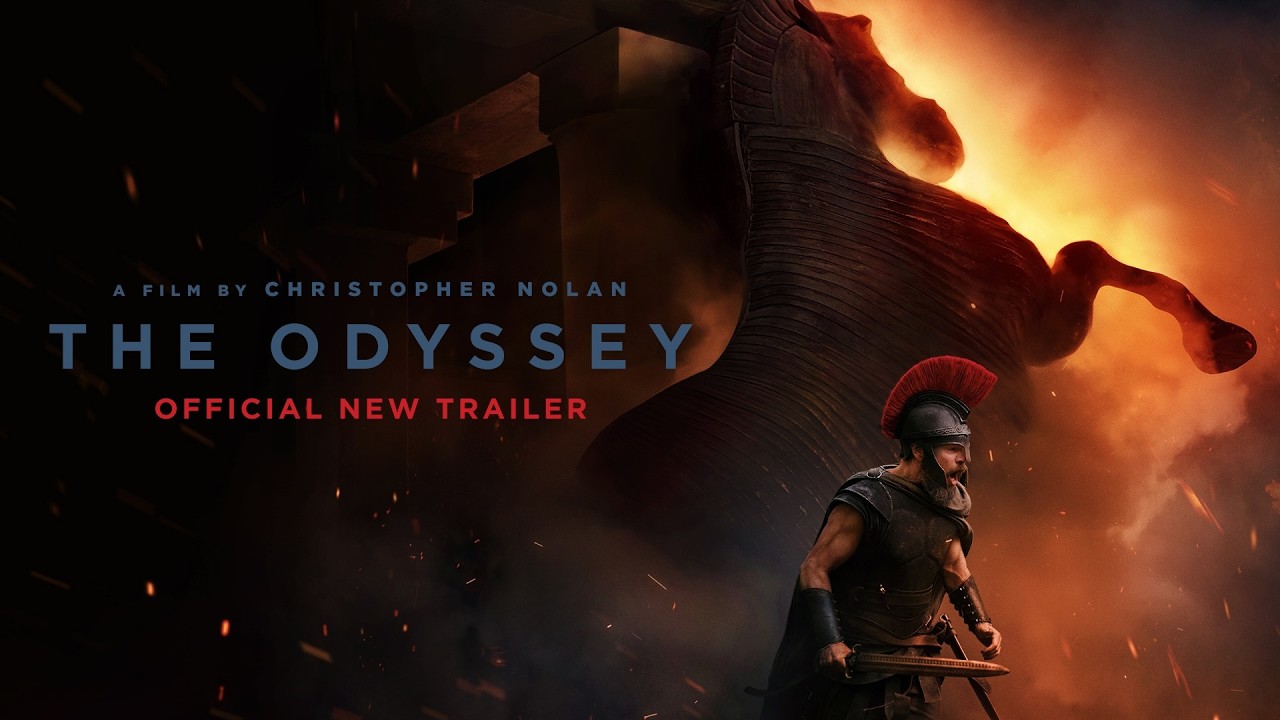
The Trojan war wasn’t about romance
In Homer’s world, a thousand ships launched for Helen of Troy. Romantic? Absolutely. Realistic? Not a chance.
Nolan throws that romanticized nonsense right out the window. Early in the film, a battle-worn Odysseus confesses a harsh truth to Penelope (Anne Hathaway) right before setting sail. Helen (Lupita Nyong’o) eloping with Paris isn’t the real catalyst for a decade of bloodshed. That incident operates strictly as a convenient pretext. The genuine conflict stems from a banal, bloody commercial contest over vital Mediterranean trading routes.
Grounding ancient myth in grim geopolitics immediately changes the stakes. Soldiers aren’t dying for love. They are perishing for profit. This shift closely echoes the senselessness of modern warfare. It strips the glory from the violence, leaving behind only exhausted men waiting on a desolate beach.
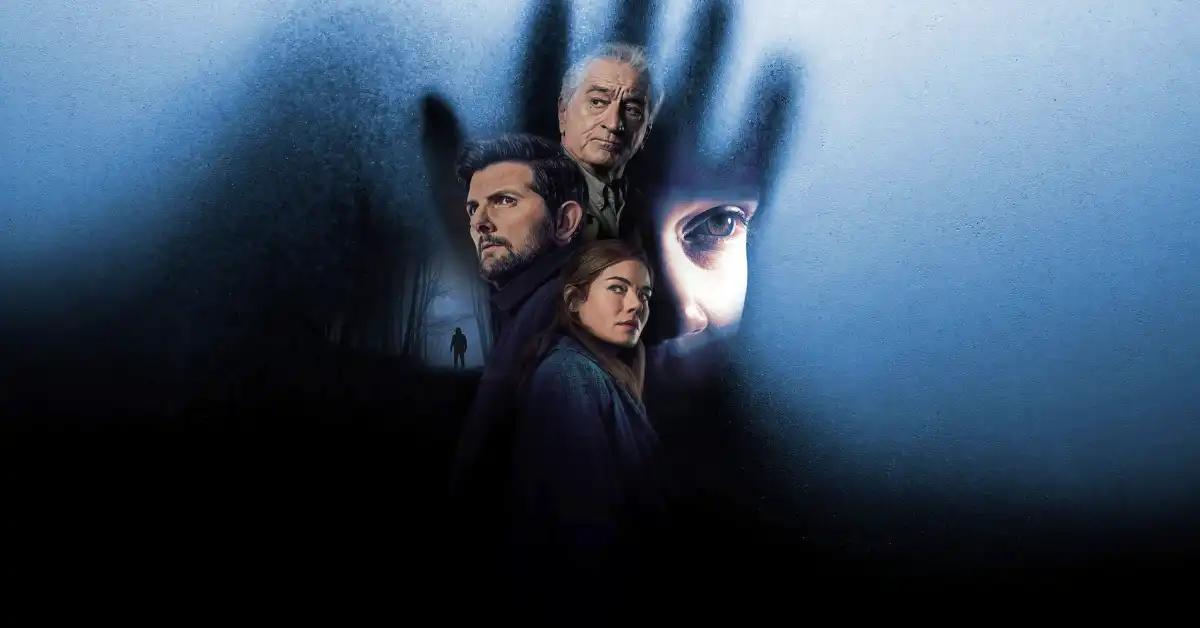
A Terrifying, Guilt-ridden trojan horse
Forget the giant wooden pony on casters. The famous infiltration of Troy gets a gritty, horrifying overhaul.
Our Greek heroes don’t roll a beautifully carved gift to the enemy gates. Instead, Nolan’s “horse” resembles a sunken, apocalyptic relic. Critics have aptly described it as a bizarre cross between the ruined Statue of Liberty from Planet of the Apes and Shelley’s crumbling Ozymandias monument. The Trojans themselves drag this mysterious object out of the surf, completely oblivious to the elite combat unit cramped inside.
But the real gut-punch lands in the human cost. To sell the deception, Odysseus deliberately betrays his own cousin, Sinon (Elliot Page). Making Sinon a blood sacrifice ensures the Trojans buy the trick. This brutal tactical decision leaves the King of Ithaca drowning in unending survivor’s guilt. That specific guilt haunts him across the rest of the film, acting as the true anchor of his torment.
Monsters as manifestations of trauma
Did you want straight-up fantasy creatures? You might be disappointed. Sure, the movie features the Cyclops, the savage Laestrygonians, and the alluring Sirens. We also meet a hauntingly sorrowful Circe (Samantha Morton) and a mesmerizing Calypso (Charlize Theron).
However, Nolan frames every single one of these encounters through the distorted lens of trauma.
The director treats the legendary ten-year sea voyage as an invisible odyssey of anguish. Instead of literal boss battles, the film delivers hallucinatory episodes and flashbacks. When Odysseus confronts these capricious deities, they feel less like majestic sky-dwellers and more like arbitrary gods of dysfunction. Are the men literally fighting monsters, or are they battling the psychological horror of PTSD?
Plenty of soldiers survive combat physically. Arriving back at their prewar emotional state, however, can take decades. Sometimes, it never happens at all. By blurring the line between literal beasts and mental prisons, Nolan crafts a story that speaks directly to generational pain.
Double casting and faceless commanders
Homer populated his epic with hundreds of distinct figures. Nolan, ever the fan of narrative symmetry, condenses the cast in brilliant, unsettling ways.
Lupita Nyong’o pulls double duty here. She plays both Helen of Troy and Agamemnon’s murderous wife, Clytemnestra. Having the same face represent the cause of the war and the bloody domestic aftermath is a masterstroke. It tightly binds the beginning of the tragedy to its grim conclusion.
Speaking of Agamemnon, Benny Safdie portrays the Greek king with a chilling twist. He wears a Batman-esque helmet that completely obscures his face for the entire film. This wardrobe choice strips the commander of his humanity. He ceases to be a man, becoming instead a faceless symbol of the military-industrial complex.
Ithaca becomes a tense political thriller
While Odysseus suffers at sea, the situation back home devolves into a ruthless game of thrones. Penelope isn’t just weaving a burial shroud to stall for time. She is desperately managing a volatile power vacuum.
The suitors aren’t portrayed as hungry, annoying freeloaders. They operate as deadly political opportunists. Robert Pattinson slithers into the role of Antinous, bringing a sleek, terrifying cruelty to the screen. He isn’t just eating the king’s food. He actively tortures Odysseus’s blind manservant, Eumaeus, played with heartbreaking sympathy by John Leguizamo.
Tom Holland brings a raw, fractured energy to Telemachus. The prince isn’t a passive kid waiting for his legendary dad to fix everything. Psychically wounded by his father’s absence, Telemachus embarks on his own dark journey. He takes active, lethal measures to protect his mother.
An Ending that changes everything
Major spoiler warning for the third act.
If you know the original poem, you expect a triumphant slaughter. Homer ends his epic with Odysseus reclaiming his throne, wiping out the suitors, and restoring divine order to his kingdom.
(Looking for detailed explanations of the Cyclops, Sirens, Scylla, and other creatures? See our complete monster guide.)

Nolan takes a sharp, shocking left turn.
Yes, violence erupts in the great hall. But Telemachus strikes the first major blow, killing the treacherous Melanthius before Odysseus even touches Antinous. The remaining suitors quickly surrender, realizing they are completely outmatched.
Then comes the real twist. Odysseus doesn’t stick around to rule.
The blood on his hands is simply too thick. The trauma of the past twenty years cannot be erased by sitting on a wooden chair. Instead of playing king, he officially cedes the throne to his son, Telemachus. Recognizing that true peace requires stepping away from power, Odysseus packs his things. He grabs Penelope, leaving Ithaca behind forever. Together, they sail west into self-imposed exile to honor his fallen soldiers.
It’s a breathtaking departure from the source material. Nolan transforms a triumphant story of violent reclamation into a somber, deeply human reflection on letting go. You can’t ever truly go home again. But maybe, if you’re lucky, you can find peace somewhere else.
Why These Changes Matter
Purists might scream sacrilege. Film nerds are already arguing about it on Reddit. But tweaking a 2,700-year-old text is exactly how mythologies survive.
- Political Relevance: By grounding the conflict in economics rather than romance, Nolan makes the politics feel strikingly modern.
- Mental Health: By reframing the mythological monsters as manifestations of PTSD, he honors the real struggles of combat veterans.
- Humanity: His characters feel like real, broken people rather than invincible archetypes.
At its core, The Odyssey (2026) isn’t just a massive action flick. It is a grueling, gorgeous meditation on survival. Christopher Nolan looked at one of humanity’s oldest stories and asked a devastating question. What if surviving the war is only half the battle?
If you haven’t seen it yet, grab the biggest bucket of popcorn you can find. Hunt down a theater with a massive PLF (Premium Large Format) screen. Sit back, and let the sheer scale of the Mediterranean wash over you. Just don’t expect a fairy tale ending. You won’t get one. And honestly? The movie is infinitely better because of it.

