

After the Lights Go Out: 7 Firsthand Paranormal Encounters from Canadian Hospitals
A hospital is a place of contradictions.
It’s a place of science and sterility, of data and diagnosis. But it’s also a place of immense, raw human emotion. Birth, death, pain, relief, terror, and hope—all of it gets absorbed by the walls, the floors, the very air itself.
Now, ask any nurse who has worked the night shift. When the hospital quiets down, when the halls empty and the only sounds are the hum of machines and the squeak of your own shoes… things get weird. The veil gets thin.
These aren’t campfire stories. These are firsthand accounts and persistent legends from the people on the front lines—the nurses, the orderlies, the staff who stay long after the sun goes down. They are stories from across Canada, from state-of-the-art facilities and century-old sanatoriums.
No jump scares. Just the quiet, unsettling truth of what happens after the lights go out.
1. The Helpful Patient (Who Wasn’t There)
The Encounter: This story, or a version of it, is a quiet classic shared among nurses in several older Ontario hospitals. One particular account comes from a now-retired RN who worked at a Kingston-area hospital in the 1990s.
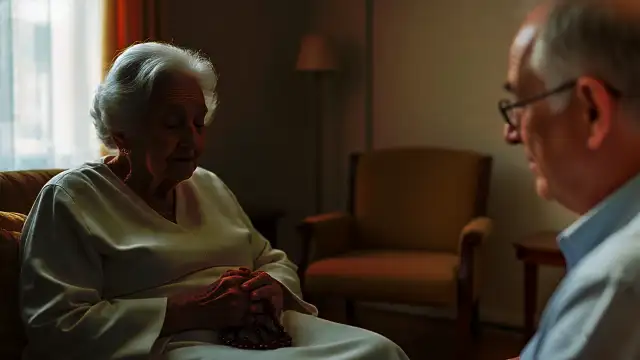
“We had a sweet old lady, a dementia patient,” she recounts. “She never figured out her call bell. If she needed something, she would shuffle into the room next door and ask her neighbour, a very lucid and kind gentleman, to press his button for her. It was their little system.”
The old lady passed away peacefully one afternoon. A few hours later, her family was still in the room saying their goodbyes when the call bell from the neighbouring room went off. A nurse answered it.
“The gentleman looked at me, calm as you please, and said, ‘The little lady is ready for you now. She just came in and pushed my light.'”
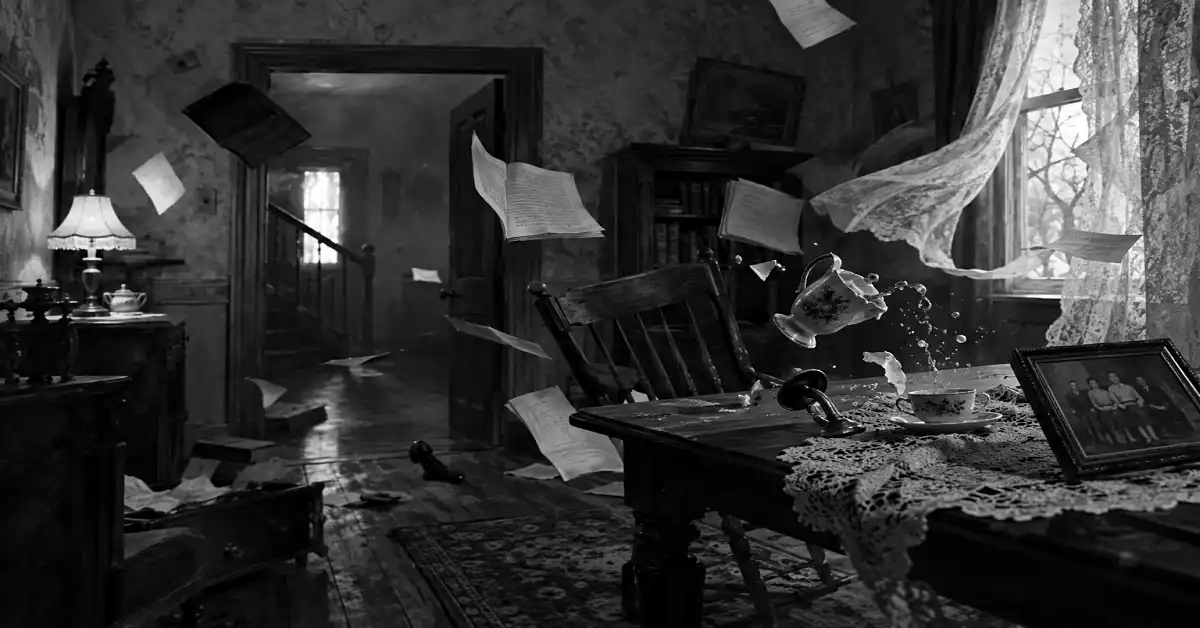
He described her perfectly, right down to the white gown and the rosary beads her family had placed in her hands after she passed. He had no cognitive issues. He was simply reporting what he saw. The nurses on shift that night never spoke of it in an official report, but none of them ever forgot it.
2. The Elevator to the Old Morgue
The Encounter: A story from a small, long-standing hospital in Alberta. This one comes from a 20-year veteran of healthcare.
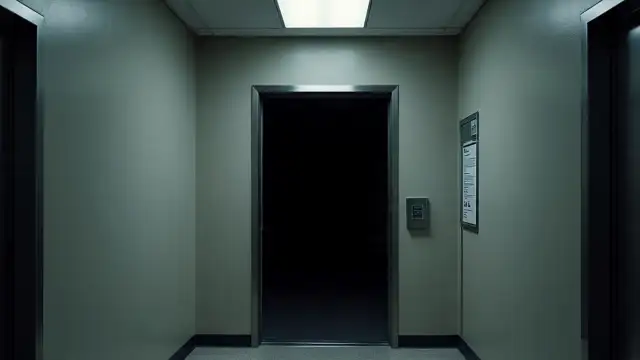
“Our hospital is old. Real old. The new morgue is on the main floor, but the original one was in the deep basement. Only one service elevator goes down that far now, and it’s right outside the main nursing station.”
The night shift staff grew accustomed to a bizarre ritual. Sometime between 2 and 4 AM, with no one near it, that elevator would activate on its own. It would descend to the basement, the doors would slide open, and a few minutes later, it would return to the main floor. The doors would open again to an empty car.
“At first, we thought it was an electrical issue,” he said. “We had maintenance check it a dozen times. They found nothing wrong. It got to be a joke, a dark one. When the elevator went down, we’d say, ‘Well, someone’s leaving.’ The creepy part? We noticed a pattern. More often than not, a patient on the floor would pass away unexpectedly within the hour. It was like a pre-arrival announcement. The new nurses learned fast. When that elevator moves, you do a quick round.”
3. The Shadow of the Black Angel
The Encounter: This tale is well-known to staff at what was formerly the Royal Victoria Hospital in Montreal, a sprawling, gothic-style institution built in 1893. Before its relocation in 2015, the “Old Vic” had more than its share of ghosts.
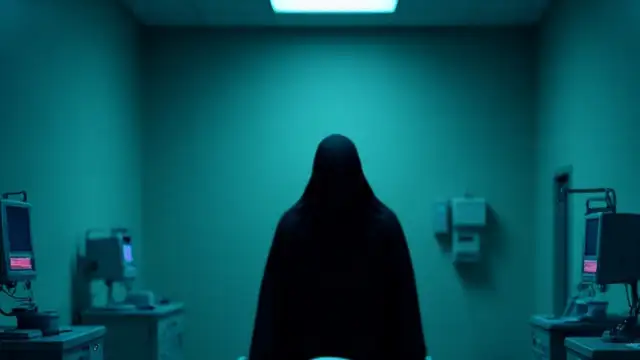
One of the most persistent was a figure seen in the old medical wing, a place that saw immense suffering over the decades. It wasn’t a “White Lady”; it was the opposite. Nurses and orderlies called it the “Black Angel” or the “Dark Nurse.” It was a tall, shadowy figure that would be seen standing at the foot of a patient’s bed.
It wasn’t aggressive. It just… watched.
The chilling part? Its appearance was considered a harbinger. An experienced nurse who worked there for thirty years put it bluntly: “If you saw the shadow in a patient’s room during your shift, you started preparing. You knew that patient probably wasn’t going to make it through the night. It wasn’t something you could prove, of course. Who would you tell? But we all knew. It was a sign.”
4. The Girl in the Basement
The Encounter: This comes from a support staff member at a large hospital in the Greater Toronto Area. Basements in hospitals are inherently creepy—a maze of pipes, storage rooms, and forgotten equipment.

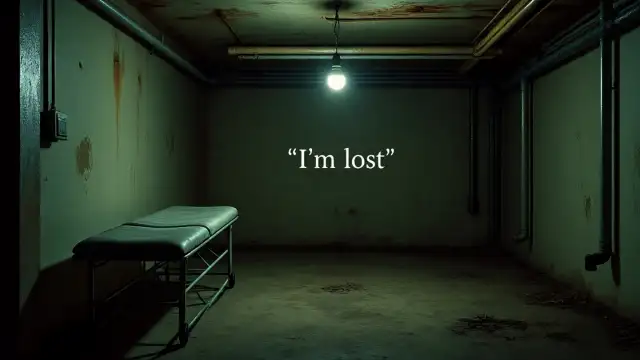
“I was down in sub-level storage grabbing a new gurney. It was maybe 3 AM, dead quiet. The pediatric ICU is on the third floor and locked down for the night. I was wrestling this gurney out from behind some old file cabinets when I felt a distinct tug on the back of my shirt.”
He assumed he was snagged on something. He pulled, and it happened again. This time, it was followed by a little girl’s voice, crystal clear in his ear, whispering a single, heartbreaking phrase:
“I’m lost.”
He whipped around. The corridor was empty. There was nothing he could have caught his shirt on. He said the feeling wasn’t one of fear, but of profound sadness. He abandoned the gurney, went upstairs, and refused to go to the basement alone ever again. Security did a sweep and found nothing.
5. The Man Who Sits in the Chair
The Encounter: From a palliative care hospice in British Columbia. These places are, by their nature, filled with the energy of transition.
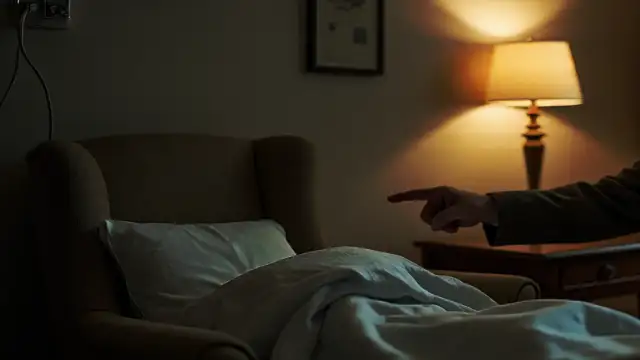
A nurse shares the story of Room 4. “There’s a specific armchair in that room. When we have a new patient in there, we often find them awake in the middle of the night. When we ask if they’re okay, they’ll say something like, ‘I can’t sleep with him sitting there.'”
They always point to the empty armchair.
“They describe the same man,” the nurse continues. “A quiet, older gentleman with kind eyes and a tweed jacket. He never speaks, he just sits there, patiently. We think he was one of our first patients, a man who died very peacefully in that room. The strange thing is, patients are never scared of him. They say he has a comforting presence. He’s not a ghost who haunts; he’s a spirit who waits. Some of the staff believe he stays to help others cross over.”
6. The Lingering Surgeon of Operating Room 2
The Encounter: This legend comes from St. Joseph’s Health Centre in Sudbury, Ontario. The story centers on a dedicated surgeon who worked at the hospital for over 40 years. He considered the OR his sacred space and tragically died of a heart attack in the middle of a procedure.
Staff who work in OR 2, his old stomping grounds, report things that defy logical explanation.
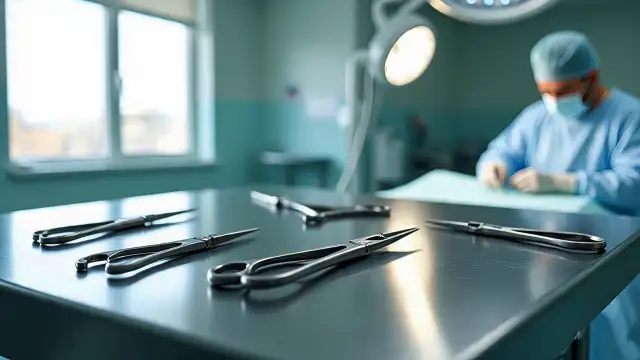
- Tools being moved. A specific scalpel or clamp laid out for a procedure will be inexplicably moved to a different spot on the tray.
- The feeling of being watched. Surgeons and scrub nurses report an intense sensation of a critical eye over their shoulder, especially during complex operations.
- A disembodied cough. The surgeon had a very distinct, dry cough. On quiet nights, cleaning staff have heard that exact cough echoing in the empty, sterile operating room.
No one feels threatened. It’s as if his professional spirit is so tied to the room that he’s still there, making sure everything is done to his exacting standards.
7. The Cries from the Abandoned Ward
The Encounter: A story from the now-infamous Charles Camsell Hospital in Edmonton. Originally a Jesuit college, it became a tuberculosis sanatorium, primarily for Indigenous patients, many of whom were brought there against their will and died far from home. It’s been abandoned since 1996, but its stories persist.
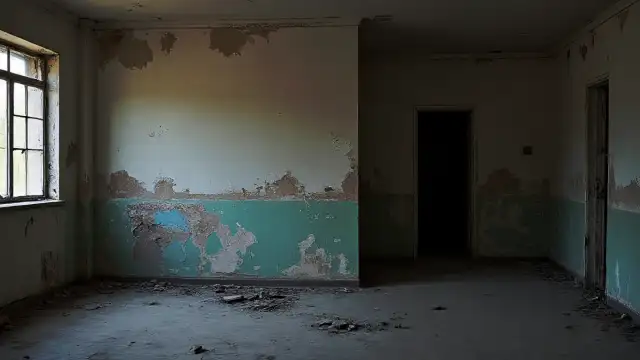
Before it was fully sealed, paranormal investigators and urban explorers who dared to enter told harrowing tales. One of the most common reports came from the old maternity ward. They heard the distinct sound of babies crying and women weeping.
This isn’t just a spooky noise. It’s tied to the hospital’s dark history, where Indigenous mothers were often separated from their newborns. The sounds are the echoes of real, profound trauma. Security guards who patrolled the grounds would tell of call lights going off in the empty building and shadowy figures seen in the barred windows. The place doesn’t just feel haunted; it feels wounded.
A Confluence of Energy
Why are hospitals such hotbeds for this activity? Is it just tired minds playing tricks on the night shift?
Maybe.
Or maybe a hospital is a unique battery for human experience. The sheer concentration of life, death, and powerful emotion leaves an indelible mark. These places are charged with memory. The staff who report these encounters aren’t looking for ghosts; they are hardworking, logical people who experience something that simply doesn’t fit.
And they are the ones who know, better than anyone, that sometimes, the line between living and dying is thin enough to see through.
Have You Witnessed Something?
The most powerful stories are the ones that are shared. If you’re a healthcare worker who has experienced something you can’t explain, share your story in the comments. Let’s talk about it.

