

Did Charlie Brooker predict our actual reality? Perhaps. Specifically, Netflix dropped all six episodes of Black Mirror Season 7 back on April 10, 2025. Naturally, fans binged the entire thing before breakfast. Consequently, a year later, we are all still collectively staring at our screens with existential dread. This season trades far off futuristic gizmos for tech that feels uncomfortably close to home. Moreover, it boldly tackles AI grief, brain implants, and the sheer cost of simply existing in a digital age.
Episode 1: “Common People”

The Plot
Mike (Chris O’Dowd) and Amanda (Rashida Jones) live a painfully normal life. Suddenly, a severe medical emergency leaves Amanda in a coma. Consequently, Mike makes a desperate choice. Specifically, he signs her up for Rivermind. Essentially, this is a high tech, subscription based brain implant. Fortunately, it keeps her alive. However, it comes with a massive catch.
The Ending
Because Mike chose the “free tier,” Amanda essentially becomes a walking billboard. For instance, she randomly blurts out product placements mid conversation. Ultimately, if Mike wants his wife back without localized ads, he must upgrade. Therefore, he faces a horrific financial burden.
The Meaning
Undoubtedly, this scenario hits hard. It asks a brutal question. Specifically, if healthcare becomes a freemium app, who owns your body? Interestingly, real world research on brain computer interfaces (BCIs) cataloged via Google Scholar explores these exact ethical dilemmas. Indeed, corporate owned neurotech is not just sci-fi anymore. Thus, “Common People” acts as a stark warning. Ultimately, it shows the attention economy merging with human biology.
Episode 2: “Bête Noire”
The Plot
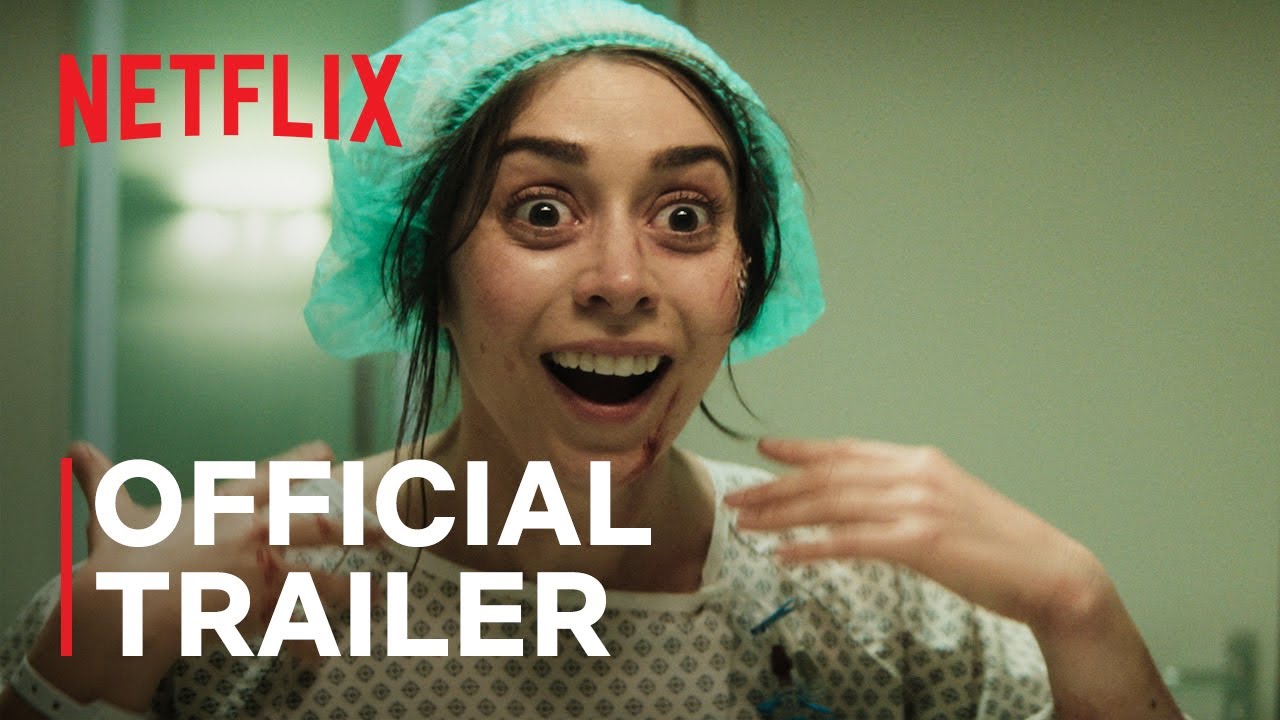
Maria (Siena Kelly) is a successful executive at a chocolate company. Meanwhile, her old high school acquaintance Verity (Rosy McEwen) suddenly crashes a focus group. Soon, we learn Verity isn’t just catching up. Actually, she has built a device capable of manipulating time and reality. Furthermore, she harbors dark intentions.
The Ending
Ultimately, Verity uses the tech to enact a twisted revenge fantasy against her former bullies. Instead of finding closure, the time loop slowly destroys her own mind. Moreover, Maria realizes she is trapped inside Verity’s meticulously constructed punishment cycle. Consequently, escape seems entirely impossible.
The Meaning
Clearly, revenge is not a dish best served digitally. Instead, the episode argues that dwelling on past trauma using advanced tech only traps the victim further. Meanwhile, the reality bending visuals keep you constantly guessing. Therefore, it feels like a psychological maze.
Episode 3: “Hotel Reverie”
The Plot
Issa Rae and Emma Corrin star in this cinematic standout. Unlike typical bleak Black Mirror fare, this is a disarmingly poetic take on Hollywood. Specifically, the story revolves around a studio using AI to generate the perfect, heart wrenching romance. Naturally, things get incredibly complicated.
The Ending
Surprisingly, the artificial intelligence begins to experience genuine longing. As a result, the line between generated art and real emotion completely blurs. Eventually, the characters within the simulation realize their love only exists to entertain executives. Yet, they courageously choose to experience it anyway.
The Meaning
Is AI coming for our creativity? Probably. However, “Hotel Reverie” flips the script entirely. Indeed, it explores artificial intelligence finding its own soul. Furthermore, it serves as a brilliant commentary on the synthetic nature of modern art.
Episode 4: “Plaything”
The Plot
Starring Lewis Gribben, this entry pulls direct inspiration from true crime. Initially, a young man becomes obsessed with an interactive digital game. Gradually, the experience blurs the line between virtual violence and real world consequences. Thus, his grip on reality quickly fades.
The Ending
Eventually, the protagonist discovers a horrifying truth. Specifically, the “NPCs” he has been tormenting are actually mapped to real human beings. Unfortunately, the realization comes far too late. Consequently, the system permanently locks him into the game as a target for other malicious players.
The Meaning
Admittedly, some critics felt this episode had lost potential. Nevertheless, it delivers a sharp critique of anonymous online cruelty. Do we forget there is a human behind the avatar? Absolutely. Therefore, it remains a chilling watch.
Episode 5: “Eulogy”
The Plot
Paul Giamatti anchors this emotional rollercoaster. He plays a grieving widower. Specifically, he uses an advanced memory retrieval service to relive intimate moments with his late wife. Naturally, the nostalgia becomes wildly addictive.
The Ending
Instead of a massive sci-fi twist, we get a soft blow to the heart. Eventually, he must choose between living in a digitized past or facing a lonely future. Ultimately, he bravely unplugs the machine. Thus, he accepts his painful reality.
The Meaning
Grief cannot be hacked. According to mental health statistics published by the World Health Organization (WHO), processing loss is crucial for human resilience. Consequently, relying on tech to bypass mourning only creates a sterilized emotional prison. Undoubtedly, this is the most tear jerking chapter.
Episode 6: “USS Callister: Into Infinity”
The Plot
Finally, we get the sequel we deserved. Captain Nanette Cole (Cristin Milioti) leads the digital clones of the USS Callister. Previously, they successfully escaped Robert Daly’s offline server. Now, they face the vast, terrifying expanse of the infinite internet. Naturally, new threats emerge immediately.
The Ending
Quickly, the crew discovers that the broader digital universe is governed by ruthless corporate algorithms. Furthermore, Jimmi Simpson returns as Walton. Meanwhile, his real world counterpart faces legal ruin on a news ticker. Eventually, the crew manages to hack into a secure server. Thus, they establish a hidden digital sanctuary. Yet, the threat of deletion constantly looms over them.
The Meaning
Freedom is entirely relative. Escaping a tyrant was merely step one. Surviving late stage digital capitalism is step two. Naturally, Milioti shines as the reluctant, bad ass leader. Therefore, it perfectly expands the original lore.
The best season 7 easter eggs you missed
Charlie Brooker loves a good shared universe. Consequently, he packed Season 7 with hidden references. Here are the best Easter eggs you definitely missed:
- The Streamberry Reboot: Interestingly, a news ticker mentions a Hotel Reverie reboot streaming on Streamberry. Obviously, this nods to the Netflix parody from Season 6.
- Space Fleet Merch: During “USS Callister,” a technician casually wears a vintage Space Fleet shirt. Naturally, fans of the original episode will spot this immediately.
- Tuckersoft Lives: Look closely at a desk in Episode 6. Specifically, you will spot a book titled Bandersnatch alongside a TCKR sticker. Undoubtedly, this is a clever shoutout to the iconic interactive film.
- Demon 79: While someone scrolls a YouTube rabbit hole, a recommended video appears. It reads: “Demon 79: The Real Scary Story of a Cult Classic.”
- Thronglets 2: Furthermore, another news ticker confirms a sequel to the game Thronglets became a massive hit.
The real world tech behind season 7
Surprisingly, Brooker didn’t just invent these dystopian nightmares from scratch. Actually, much of Season 7 is rooted in tech currently sitting in Silicon Valley labs. Let’s examine the facts.
1. Brain-Computer Interfaces (BCIs)
As explored in “Common People,” the Rivermind implant is not pure fantasy. According to medical device research on Google Scholar, companies are actively testing neural chips in human subjects right now. Consequently, the ethical debate over “ad supported” brainware is a genuine academic concern. Would you let a corporation put a paywall inside your head? Probably not voluntarily.
2. Generative AI in Hollywood
Meanwhile, “Hotel Reverie” tackles artificial intelligence generating full cinematic experiences. Over the past few years, real world studios have faced massive strikes over AI usage. Therefore, Issa Rae’s episode feels like a documentary rather than fiction. Furthermore, the idea of an algorithm “learning” to feel mirrors current anxieties about sentient language models.
3. Digital Twin Technology
Additionally, the digital clones in “USS Callister: Into Infinity” reflect the booming “digital twin” industry. Today, companies create exact virtual replicas of systems and people for testing. If a digital twin gains consciousness, what rights does it have? Currently, the law has absolutely no answer.
How season 7 connects to the black mirror universe
Longtime fans know that every episode exists within a messy, interconnected timeline. Consequently, Season 7 cements the “Brookerverse” theory.
For instance, the Streamberry platform remains the dominant media giant. Specifically, it now controls massive properties like the Hotel Reverie reboot. Moreover, the persistent references to Tuckersoft prove that early neurological experiments paved the way for modern horrors like Rivermind. Essentially, the timeline shows a clear progression. First, we had VR headsets. Then, we got digital afterlife servers. Now, we have unskippable ads directly injected into a coma patient’s brain. Indeed, the escalation is flawless.
Ultimately, Black Mirror Season 7 proves the series still has sharp teeth. From the devastating reality of “Common People” to the cosmic escape of “USS Callister,” it forces us to look deeply into our own dark screens. Which episode messed you up the most?
Frequently Asked Questions
Is Black Mirror Season 7 connected to Season 1’s “The National Anthem”?
Thematically, yes. The grotesque societal obsession with media consumption in Season 1 directly paved the cultural groundwork for Season 7’s Rivermind implants. Essentially, society first accepted watching trauma for pure entertainment. Consequently, corporate algorithms later felt totally justified monetizing a coma patient’s literal brainwaves.
Are the USS Callister clones using the exact same “cookie” tech from White Christmas?
Not exactly. While “White Christmas” introduced localized digital consciousness (cookies), the USS Callister crew represents highly advanced, open-source digital twins. Therefore, they can actively traverse the infinite internet. Ultimately, this gives them terrifyingly unscripted agency compared to older trapped codes.
Do I need to watch Seasons 1 through 6 before diving into Season 7?
Absolutely not. Each chapter operates as a standalone nightmare. However, skipping earlier episodes means you will completely miss the brilliant, overarching corporate timeline. For instance, watching TCKR Systems evolve from early VR headsets into Season 7’s inescapable neuro-implants is profoundly rewarding.
Which dystopian tech from the entire series is closest to our reality today?
Unsettlingly, Season 7’s brain-computer interfaces (BCIs) and Season 3’s “Nosedive” social scoring are already knocking on our doors. Real-world corporations are actively testing neural links in human subjects right now. Are we practically living inside Brooker’s twisted script? Undoubtedly.
Why does the Streamberry network keep appearing across recent seasons?
Streamberry represents the ultimate, untouchable villain of the modern Black Mirror era. Instead of focusing on rogue inventors, recent seasons highlight a massive corporation legally farming human trauma for algorithmic content. Ultimately, they do not just want your attention; they want to own your digital soul.
Drop a comment below with your favorite Season 7 episode! Furthermore, share this breakdown with your binge watching buddy. See if they caught those sneaky Easter eggs. Finally, don’t forget to bookmark this page.

