

Godzilla Movies in Order: The Complete Toho & MonsterVerse Watch Guide
70 years. Nearly 40 films. One undisputed King of the Monsters.
Diving into the Godzilla franchise feels like staring up at the beast himself — completely overwhelming. Where do you even start? Do you jump straight into the Hollywood CGI brawls? Do you sit through rubber-suit wrestling matches from the 1970s? Maybe you just want to experience the modern masterpiece that won an Oscar.
If you hit play on a random movie, you will immediately get lost. The continuity resets more often than a broken router.
Here is the secret. You do not need to watch all 38 movies back-to-back. The Japanese studio behind the monster, Toho, grouped the films into specific “eras.” Each era carries a distinct tone, timeline, and set of rules. Meanwhile, Legendary Pictures built their own massive Western cinematic universe — the MonsterVerse — which runs on a totally separate track.
At a glance
- Pick Your Flavor: The franchise splits into five distinct eras — Showa, Heisei, Millennium, Reiwa, and the American MonsterVerse.
- Continuity Varies: The Heisei era boasts a strict, episodic storyline. The Millennium era acts like an anthology where almost every movie is a standalone reboot.
- The Modern Track: The Hollywood MonsterVerse weaves movies and Apple TV+ shows into one massive timeline extending through 2026 and beyond.
- Don’t Sweat the Filler: You can skip around based on your mood. We break down the essential hits from every decade.
The Showa Era (1954 – 1975)
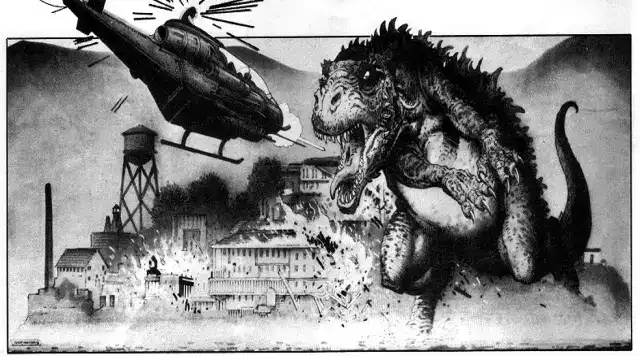
This is where the legend begins. The 1954 Godzilla isn’t a fun, popcorn-munching action flick. It operates as a bleak, terrifying allegory for the atomic bomb. Director Ishirō Honda created a walking nuclear disaster.
As the 1960s rolled in, the tone drastically shifted. Kids loved the giant lizard. So, Toho pivoted hard. Godzilla transformed from a radioactive nightmare into a superhero who defends Earth from space aliens. Expect massive rubber suits, spectacular miniature cities, and absolutely wild wrestling moves. Special effects wizard Eiji Tsuburaya invented “suitmation” here, creating an entire cinematic art form.
The Showa Watch List (In Release Order):
- Godzilla (1954)
- Godzilla Raids Again (1955)
- King Kong vs. Godzilla (1962)
- Mothra vs. Godzilla (1964)
- Ghidorah, the Three-Headed Monster (1964)
- Invasion of Astro-Monster (1965)
- Ebirah, Horror of the Deep (1966)
- Son of Godzilla (1967)
- Destroy All Monsters (1968)
- All Monsters Attack (1969)
- Godzilla vs. Hedorah (1971)
- Godzilla vs. Gigan (1972)
- Godzilla vs. Megalon (1973)
- Godzilla vs. Mechagodzilla (1974)
- Terror of Mechagodzilla (1975)
Viewing Advice: Watch the 1954 original. It remains mandatory viewing for film history buffs. After that, feel free to skip around. Mothra vs. Godzilla offers incredible monster action. Destroy All Monsters acts like the Avengers: Endgame of the 1960s. Want pure, unfiltered camp? Boot up Godzilla vs. Megalon to watch our favorite lizard execute a gravity-defying flying kick.
The Heisei Era (1984 – 1995)
Forget the goofy alien invasions. The 1980s brought the King back to his destructive roots. Toho ignored every single sequel from the Showa era, choosing to craft a direct follow-up to the 1954 original instead.
This era boasts strict, serialized continuity. Actions have real consequences. Characters age, trauma lingers, and recurring scientists desperately try to build advanced anti-Godzilla weapons. He operates as an anti-hero during these films. Sometimes he saves Japan by accident, but usually, he just destroys everything in his path.
The Heisei Watch List:
- The Return of Godzilla (1984)
- Godzilla vs. Biollante (1989)
- Godzilla vs. King Ghidorah (1991)
- Godzilla vs. Mothra (1992)
- Godzilla vs. Mechagodzilla II (1993)
- Godzilla vs. SpaceGodzilla (1994)
- Godzilla vs. Destoroyah (1995)
Viewing Advice: Watch this era in exact release order. You will appreciate the recurring characters, especially Miki Saegusa — a psychic who constantly monitors the monster’s movements. The storyline builds up to Godzilla vs. Destoroyah, an emotional powerhouse where the monster’s internal nuclear reactor begins melting down. It stands as one of the greatest finales in sci-fi cinema.
The 1998 Detour: What About the American “Zilla”?
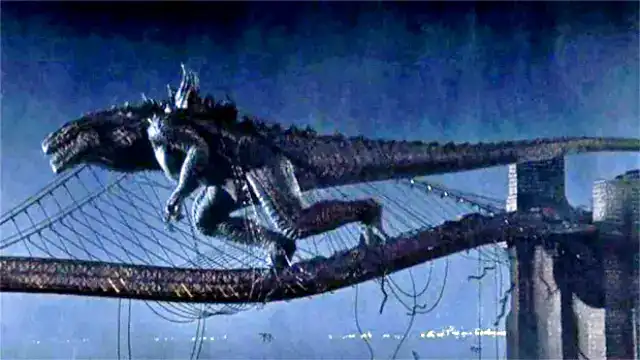
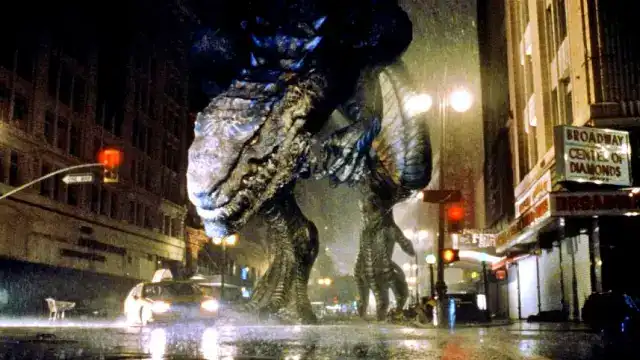
Hollywood took its first crack at the franchise in 1998. It did not go well. Director Roland Emmerich stripped away the atomic breath and turned the creature into a giant, terrified iguana running around New York City.
Die-hard fans revolted. The Japanese studio executives felt equally betrayed. Years later, Toho officially renamed this specific creature design “Zilla,” humorously stating that Hollywood took the “God” out of Godzilla. Feel free to skip this movie entirely unless you crave a heavy dose of 90s nostalgia.
The Millennium Era (1999 – 2004)
Toho immediately rushed back to the drawing board after the 1998 disaster. Their ultimate solution? The Millennium series.
Instead of building another long, exhausting timeline, they treated almost every movie as a standalone reboot. Think of it like a comic book anthology. Each director secured full creative freedom to invent a fresh universe, connected solely to the events of the original 1954 attack.
The Millennium Watch List:
- Godzilla 2000: Millennium (1999)
- Godzilla vs. Megaguirus (2000)
- Godzilla, Mothra and King Ghidorah: Giant Monsters All-Out Attack (2001)
- Godzilla Against Mechagodzilla (2002)
- Godzilla: Tokyo S.O.S. (2003)
- Godzilla: Final Wars (2004)
Viewing Advice: You can watch these in any order, with one major exception. Tokyo S.O.S. serves as a direct sequel to Godzilla Against Mechagodzilla. Definitely make time for Giant Monsters All-Out Attack (often called GMK). It flips the script entirely, turning the titular beast into a terrifying spirit possessed by the restless souls of World War II victims.
The Reiwa Era (2016 – Present)
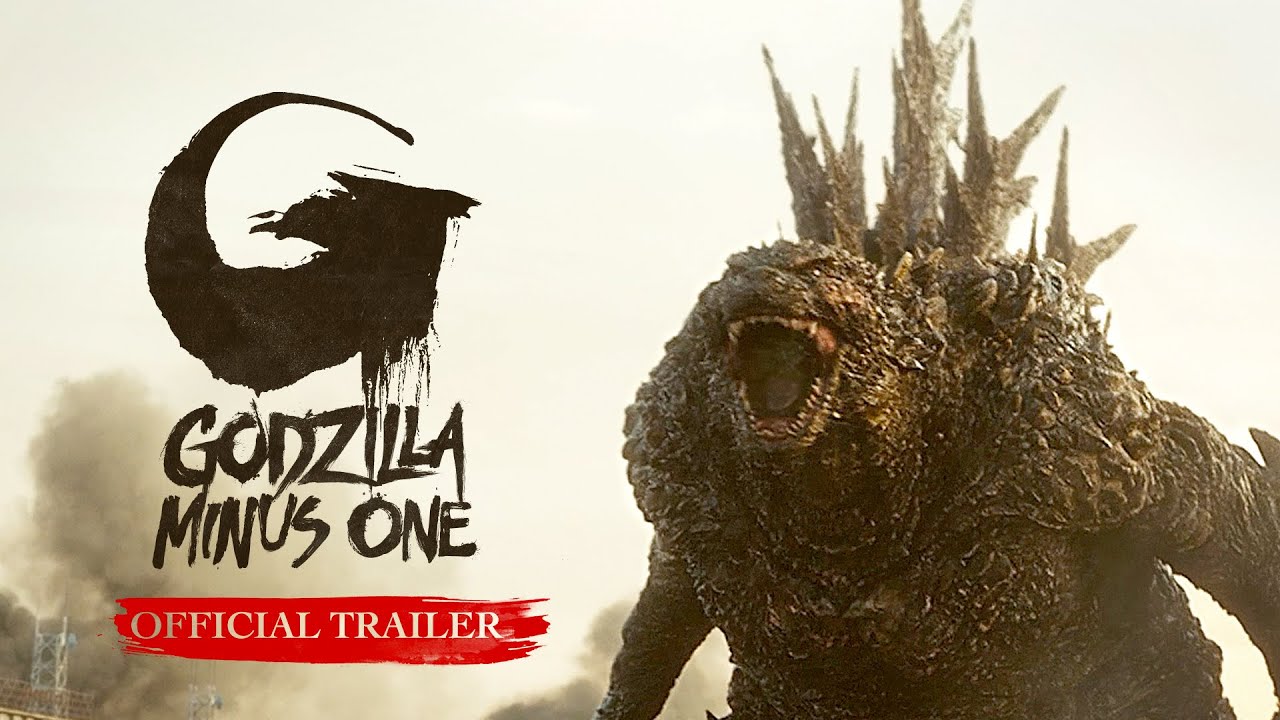
Following a 12-year hiatus from live-action, Toho returned with a vengeance. The Reiwa era features entirely disconnected reboots. These films prioritize high art, political satire, and intense emotional stakes over standard monster brawls.
The Reiwa Watch List:
- Shin Godzilla (2016)
- Godzilla: Planet of the Monsters (2017)
- Godzilla: City on the Edge of Battle (2018)
- Godzilla: The Planet Eater (2018)
- Godzilla Minus One (2023)
Viewing Advice: Do not skip Shin Godzilla. Directed by Hideaki Anno (creator of Neon Genesis Evangelion), it operates as a darkly hilarious, terrifying satire of government bureaucracy.
Then comes Godzilla Minus One. Set in devastated post-WWII Japan, this film pulled off the impossible. It made audiences actively cry for the human characters. Sweeping international box offices and snatching an Academy Award for Best Visual Effects, it proves that giant monster movies can deliver genuinely profound cinema.
The MonsterVerse (2014 – 2027)
Legendary Pictures finally gave Western audiences a cinematic universe worth bragging about. They respected the source material. They made the monsters incredibly massive. Best of all, they secured the rights to classic Toho villains like King Ghidorah, Mothra, and Rodan.
Unlike the fragmented Japanese timelines, the MonsterVerse demands a specific watch order. You can tackle this universe in two distinct ways: by release date or chronologically.
Option A: The MonsterVerse Release Order
If you want to experience the franchise exactly as it evolved in theaters and on streaming platforms, stick to this path. The visual effects progress naturally, and the cinematic scale shifts from grounded horror to neon-drenched sci-fi fantasy.
- Godzilla (2014)
- Kong: Skull Island (2017)
- Godzilla: King of the Monsters (2019)
- Godzilla vs. Kong (2021)
- Skull Island (Animated Series – 2023)
- Monarch: Legacy of Monsters Season 1 (2023 – 24)
- Godzilla x Kong: The New Empire (2024)
- Monarch: Legacy of Monsters Season 2 (2026)
- Godzilla x Kong: Supernova (Coming March 2027)
Option B: The MonsterVerse Chronological Order
Want to follow the history of these Titans strictly by the internal timeline? The Apple TV+ show Monarch constantly jumps across decades, but treating its core present-day narrative as the anchor keeps things steady.
- Kong: Skull Island (Set in 1973) – Vietnam War soldiers stumble onto Kong’s isolated home, introducing the secret Monarch organization.
- Skull Island (Set in the 1990s) – Netflix’s animated series bridges the historical gap before the modern era.
- Godzilla (Set in 2014) – The big guy wakes up to hunt two parasitic MUTOs in San Francisco.
- Monarch: Legacy of Monsters (Post-2014 / Multiple Timelines) – The live-action series explores the immediate fallout of the 2014 attack while flashing back to uncover the 1950s origins of Monarch.
- Godzilla: King of the Monsters (Set in 2019) – Eco-terrorists wake up King Ghidorah, sparking an apocalyptic Titan war.
- Godzilla vs. Kong (Set in 2024) – The heavyweight championship of the world takes us deep into the mysterious Hollow Earth.
- Godzilla x Kong: The New Empire (Set in 2027) – The former rivals reluctantly team up against a ruthless new ape warlord.
- Godzilla x Kong: Supernova (TBD) – Set to expand the sci-fi elements of the universe when it drops in theaters in early 2027.
Viewing Advice: The chronological order gives you a fantastic sense of scale regarding Monarch’s long, shady history. However, jumping from a 2017 movie to a 2023 TV show and back to a 2014 movie might feel jarring stylistically. First-timers should stick to the release order.
Where Should You Begin?
Are you still feeling completely overwhelmed? Take a deep breath. You only need to pick a lane.
If you love emotional storytelling and historical drama, go watch Godzilla Minus One tonight. Craving brainless, popcorn-munching CGI brawls? Boot up Godzilla vs. Kong. Want a terrifying history lesson? The 1954 original awaits your attention.
The true beauty of this 70-year-old franchise lies in its massive variety. There is a giant radioactive lizard tailored for every single mood.
Which era are you diving into first? Let us know your favorite kaiju brawl in the comments below, and share this ultimate guide with a friend who wants to catch up before Godzilla x Kong: Supernova hits theaters!

