

No Address, No Problem: Guide to Getting Mail While Nomadic
You’ve done it. You’ve purged your possessions, booked a one-way ticket, and are ready to embrace the glorious freedom of a nomadic life. Your backpack is packed, your laptop is charged, and your Instagram captions are pre-written.
Then, a thought hits you like a ton of bricks.
Mail.
What about that new credit card you’re expecting? That wedding invitation from your cousin? Or, God forbid, a letter from the IRS? Suddenly, the dream of total freedom feels chained to a nagging, paper-based reality. How in the world are you supposed to get mail without a permanent address?
Relax. It’s a problem every traveler, backpacker, and digital nomad has faced, and it’s 100% solvable. This isn’t just about forwarding letters; it’s about building a system that untethers you from a physical mailbox for good.
Forget asking your mom to sift through your junk mail for the fourth time. We’re going to break down the modern, stress-free ways to manage your mail from anywhere in the world, whether you’re in a hostel in Thailand or a van parked by the Grand Canyon.
Why You Need a Virtual Mailbox
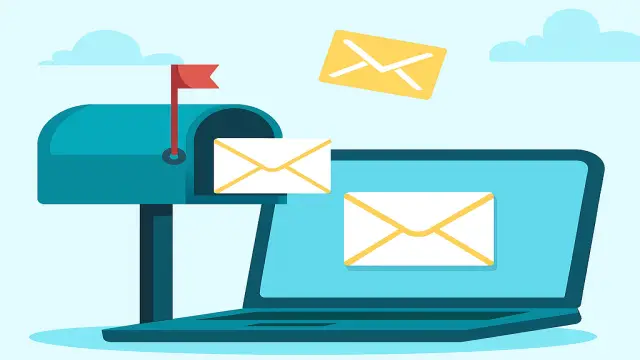
If you’re serious about long-term travel or a nomadic lifestyle, a virtual mailbox service is the single best tool you can invest in. It’s the 21st-century solution to a 20th-century problem.
So, what the hell is it?
Think of it as a digital command center for your physical mail. Here’s how it works:

- You Get a Real Street Address: You sign up with a provider and choose a real, physical street address from their list of locations across the country. This is not a P.O. Box. It’s a legitimate commercial address that can receive mail and packages from any carrier (USPS, FedEx, UPS, DHL).
- Your Mail Arrives: All your letters and packages are sent to this new address.
- They Scan the Envelope: When a piece of mail arrives, the service scans the outside of the envelope and uploads the image to your private, secure online account. You get an email notification: “You’ve got mail!”
- You Call the Shots: From your phone or laptop, you log in and see a gallery of your envelopes. For each item, you decide what to do. Your options are usually:
- Open & Scan: The service will open the letter, scan the contents into a PDF, and upload it for you to read immediately. This is perfect for bills, contracts, and important notices.
- Forward: Is it your new passport or a birthday card with cash from Grandma? Just click a button, enter a forwarding address (your friend’s house, a hotel, a coworking space), and they’ll physically mail the item to you, wherever you are.
- Shred & Recycle: Is it junk mail? A credit card offer? Click “shred,” and they will securely destroy it for you. Poof. Gone forever..
- Hold: Not sure what to do? You can have them hold the item until you decide.
This system puts you in complete control. You can manage your mail from a beach in Bali with the same ease as if you were standing at your own mailbox.
Why It Beats Every Other Method
- Location Independence: Your address stays the same, even if you’re on a different continent every month. No more updating your address with banks and government agencies every time you move.
- Carrier Freedom: Unlike a P.O. Box, a virtual mailbox uses a Commercial Mail Receiving Agency (CMRA) address, which accepts packages from all carriers. No more “Cannot ship to P.O. Box” errors when you’re ordering from Amazon.
- Privacy & Security: Using a separate address for your mail keeps your personal home base (like a parent’s house) private and secure.
- For Business Owners & Expats: This is a non-negotiable tool. You can establish a professional business address, register your LLC, and even choose an address in a state with no state income tax (like South Dakota, Texas, or Florida) for potential tax advantages. (Disclaimer: Talk to a tax professional about this!)
The Downside?
Honestly, there aren’t many. The main one is cost. Services typically range from $10 to $40 per month, depending on the provider and the volume of mail you expect. But when you weigh that against the cost of a missed bill, a lost package, or the sheer inconvenience of other methods, it’s a small price to pay for total peace of mind.
Reputable Providers to Check Out:
- iPostal1: Often has the most address options worldwide.
- Traveling Mailbox: Great features and a solid reputation among long-time travelers.
- Anytime Mailbox: Known for its user-friendly platform and extensive network of mail centers.
Old-School Methods
Maybe you’re only gone for a few months, or you’re on a shoestring budget. While a virtual mailbox is the gold standard, there are other ways to wrangle your mail. Just be aware of the trade-offs.
1. The Friend or Family Plan
This is the default for many first-time travelers. You change your address to your parents’, sibling’s, or a very trusted friend’s house.
The Pros:
- It’s free (usually).
- It’s simple to set up.
The Cons (and they are HUGE):
- It’s a Burden. Seriously. You are turning someone you love into your unpaid personal secretary. Sifting through junk mail, scanning important documents, and repackaging items is a chore. It gets old, fast.
- It’s Slow and Inefficient. “Hey Mom, did a small white envelope from the DMV arrive?” This back-and-forth can take days. If there’s a time-sensitive document, you’re out of luck.
- Privacy, What Privacy? Do you really want your dad seeing your bank statements or that letter from a collections agency? Your mail is your private business.
- Mail Can Get Lost. Things get mixed in with their own mail, set on a counter, and forgotten. It happens.
How to Do It Right (If You Must):
If you absolutely have to go this route, be a good houseguest. Go paperless on everything you can beforehand. Pre-sort your mail and give them a stack of pre-paid forwarding envelopes. Make it as painless as possible, and bring them back a really, really nice gift.

2. General Delivery
This is a little-known service from the United States Postal Service (USPS) designed for transient folks. It allows you to have mail sent to a specific Post Office for you to pick up in person. It’s the original nomad mail solution.
How it Works:
You address the mail like this:
YOUR NAME
GENERAL DELIVERY
CITY, STATE ZIP CODE
You then go to that city’s main post office, show your ID, and they’ll hand you your mail.
The Reality Check:
- It’s for Temporary Use: The USPS states it’s typically for people who need a temporary address for up to 30 days. It’s not a permanent solution.
- Not All Post Offices Participate: You must call the specific post office branch ahead of time to confirm they accept General Delivery and to verify the correct ZIP code to use. Don’t just assume.
- Only for USPS Mail: FedEx, UPS, and DHL will not deliver to General Delivery. This is for letters and USPS packages only.
General Delivery is a fantastic tool for a specific need — like getting a replacement debit card sent to you in Moab, Utah, when you know you’ll be there next week. It’s a scalpel, not a Swiss Army knife.

3. P.O. Boxes
A Post Office Box is a classic, but it’s a poor fit for a nomadic lifestyle. You have to physically be there to get your key and open it. It also won’t accept packages from private carriers, which is a major drawback in the age of online shopping. Skip this unless you plan on staying in one area for a long time.
4. Amazon Lockers & Pickup Points
This is the perfect solution for one thing: getting your Amazon packages. Instead of shipping to an uncertain address, just have your order sent to a secure Amazon Locker near you. You’ll get a code on your phone, scan it at the locker, and a little door pops open with your stuff. It’s secure, reliable, and available in thousands of locations. Many UPS Stores and other retailers also act as pickup points.
Your Pre-Departure Mail Management Checklist
Ready to set up your system? Here’s a step-by-step plan to get your mail under control before you leave.
- Go Aggressively Paperless. This is step zero. Log into every single account you have — bank, credit cards, utilities, insurance — and switch to paperless e-statements. Stop junk mail by using services like DMAchoice. The less mail you get, the less you have to manage.
- Choose Your Core System. Decide on your primary method. For 95% of long-term travelers, this will be signing up for a virtual mailbox. Do your research and pick a provider and address that works for you.
- File an Official Change of Address. Once you have your new virtual address, go to the official USPS website (USPS.com — be wary of scammy third-party sites) and file a permanent Change of Address form. This will automatically reroute most of your first-class mail to your new service.
- Manually Update Key Accounts. The USPS forwarding service is good, but it’s not foolproof, and it doesn’t last forever. Manually log in and update your address with:
- Banks and financial institutions
- The IRS
- The DMV / Driver’s License agency
- Voter registration
- Insurance companies
- Any subscription services
- Create a System for Packages. Know how you’ll handle packages. Your virtual mailbox can forward them, but it can be pricey for large items. Have a plan to use Amazon Lockers or ship directly to a trusted address when you know you’ll be stationary for a week or two.
- Scan Your Important Documents. Before you leave, scan your passport, driver’s license, birth certificate, and other vital records. Save them to a secure cloud service like Google Drive or Dropbox. If you ever need a copy, you’ll have it instantly.
Takeaway
Managing your mail on the road isn’t just a logistical task — it’s a critical step toward true independence. By setting up a robust system like a virtual mailbox, you’re not just handling letters; you’re severing one of the last physical tethers to a single location.
You’re building a foundation that allows you to work, travel, and live on your own terms, without worrying about what’s piling up in a mailbox thousands of miles away.
So, set it up, forget about it, and get back to the good stuff. That world isn’t going to explore itself.
If you’re looking to store your stuff in Europe while being a digital nomad, The Storage Scanner can help you. The Storage Scanner is a free comparison tool for self storage, and active in 13 European countries. Using The Storage Scanner will save you both time and money.
What are your mail-handling horror stories or genius tips? Share your experience in the comments below — let’s help each other stay one step ahead of the paper trail!

