

Is the Cecil Hotel (Stay on Main) Safe to Visit? History & Travel Tips
If you are fascinated by true crime or paranormal mysteries, you have undoubtedly heard of the Cecil Hotel. Located in the gritty heart of Downtown Los Angeles, this looming 14 story building has a reputation that genuinely precedes it. For decades, internet sleuths, ghost hunters, and curious backpackers have obsessed over its heavily stained past. But is it actually safe to stay there today?
Honestly, that is a trick question. Consequently, the most important thing you need to know in 2026 is this: You cannot book a room at the Cecil Hotel.
Indeed, the days of clueless tourists wheeling their suitcases into its marble lobby are entirely over. Today, the building serves a completely different, somewhat controversial purpose. Therefore, if you are planning a trip to LA and wondering if you should brave a night at the infamous “Stay on Main,” you need to read this first.
Let’s dive into the chaotic timeline, the terrifying history, and the absolute reality of what sits inside the Cecil Hotel right now.
The Short Answer: Can You Stay at the Cecil Hotel in 2026?
No, you absolutely cannot.
Currently, the property does not operate as a commercial hotel or a backpacker hostel. Instead, it functions exclusively as a permanent supportive housing complex. In December 2021, the building was officially transformed into a 600 unit affordable housing project designed to help Los Angeles’ unhoused population.
Therefore, unless you possess a government funded housing voucher and meet strict low income requirements, the doors are permanently closed to you. Furthermore, it isn’t a tourist attraction. Walking into the building to “look around” or hunt for ghosts is considered trespassing on a private residential property.
So, how did a bustling 700 room hotel completely shut out the public? Unquestionably, it took a long string of PR nightmares, a global pandemic, and a desperate housing crisis to flip the script.

From Glitz to Skid Row: A Quick History
Initially, the Cecil Hotel was built to be a glamorous destination. When its doors opened on December 20, 1924, it was a stunning Art Deco marvel. Architect Loy Lester Smith designed the $1.5 million project to cater to wealthy businessmen and eager tourists stepping off the nearby train. The lobby featured gorgeous stained glass windows, imported marble, and polished brass fixtures.

However, the roaring twenties did not last forever. When the Great Depression hit in 1929, the hotel’s wealthy clientele vanished almost overnight. Subsequently, the surrounding neighborhood rapidly declined. The area eventually became known as “Skid Row,” a notoriously impoverished district that remains the epicenter of LA’s homelessness crisis today.
By the 1950s, the Cecil had completely transitioned into a single room occupancy (SRO) building. It rented out incredibly cheap rooms by the week or month. Naturally, it became a magnet for transients, sex workers, and individuals struggling with severe mental health issues. The glamour was dead.
The “Cursed” Reputation: Why is the Cecil So Infamous?
Over the next few decades, the Cecil earned a nickname among locals: “The Suicide. “ Tragically, dozens of people jumped from its windows or took their own lives inside the tiny, cramped rooms. Yet, the suicides are only a fraction of the building’s deeply disturbing history.
The Serial Killer Hideout
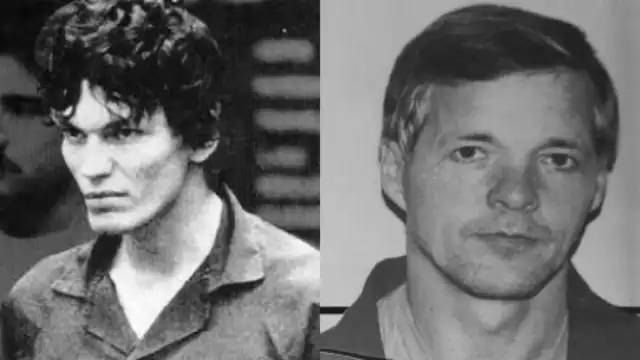
During the 1980s and 1990s, the hotel unwittingly hosted two of history’s most terrifying serial killers.
- Richard Ramirez (The Night Stalker): In 1985, Ramirez reportedly stayed on the 14th floor for just $14 a night. During his horrifying Los Angeles murder spree, he would allegedly return to the hotel covered in blood. Since the area was so chaotic, nobody even batted an eye at his appearance.
- Jack Unterweger: Later, in 1991, an Austrian journalist named Jack Unterweger checked in. While pretending to write a piece on LA crime, he brutally murdered at least three sex workers right inside the hotel.
Unsurprisingly, this relentless wave of violence cemented the building’s reputation as a vortex of pure evil. Ryan Murphy even used the Cecil as the direct inspiration for the terrifying FX series American Horror Story: Hotel.
The “Stay on Main” Rebrand
By 2011, the hotel’s management realized they had a massive PR problem. A quick Google search of “Hotel Cecil” revealed decades of pure horror. Therefore, they desperately tried to wipe the slate clean.
They partitioned off a section of the building, gave it a separate entrance, and painted the walls bright, trendy colors. They renamed this specific section “Stay on Main”. Ultimately, the goal was to attract young, hip backpackers who wanted cheap accommodations near the downtown LA fashion district.
However, they kept a massive secret from these young travelers. The upper floors of the building were still operating as a traditional, gritty SRO for the Cecil’s long term residents. Tourists and troubled locals were sharing the exact same elevators.
The Elisa Lam Tragedy (2013)

Undeniably, the most famous incident in the hotel’s modern history occurred precisely because of this deceptive rebrand. In late January 2013, a 21 year old Canadian college student named Elisa Lam booked a bed at Stay on Main. She thought she was staying in a quirky, safe youth hostel.
On January 31, she vanished completely.

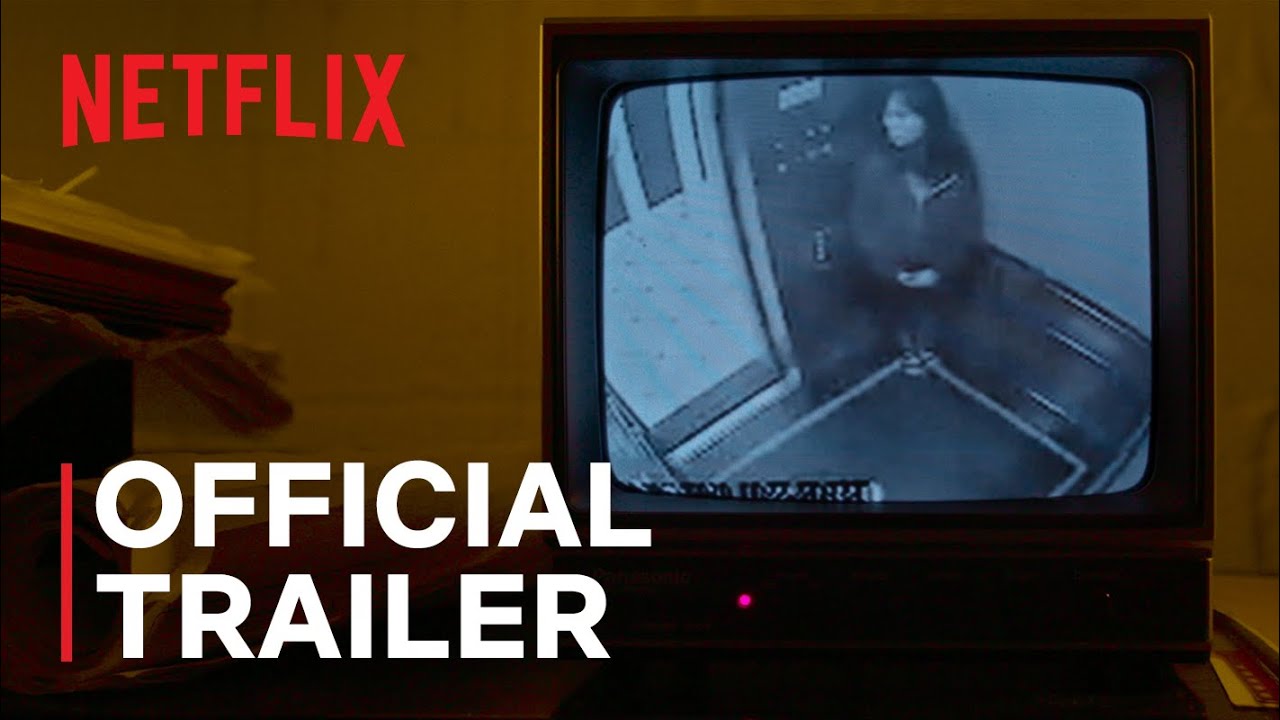
For weeks, the LAPD desperately searched the premises. Meanwhile, they released a deeply unsettling elevator surveillance video of Lam’s final known moments. In the footage, she acts highly erratically, pressing multiple buttons, hiding in the corner, and gesturing wildly at an unseen presence in the hallway. Consequently, the video exploded across the internet. Amateur sleuths immediately pointed to ghosts, demons, or a hotel cover up.
Tragically, the truth was far less supernatural, though equally devastating. On February 19, 2013, maintenance workers checked the rooftop water tanks because guests complained about low water pressure and a foul taste. Inside one of the massive tanks, they discovered Elisa Lam’s naked, decomposing body.
Ultimately, the coroner ruled her death an accidental drowning, citing her diagnosed bipolar disorder as a significant factor. Despite this official ruling, the Netflix docuseries Crime Scene: The Vanishing at the Cecil Hotel catapulted the case into global infamy.
The Current Reality: What is it Like Inside Today?
Following Lam’s death, the hotel limped along for a few more years. Finally, in 2017, a New York based developer named Simon Baron Development bought a 99 year lease on the property. They officially shut down operations, hoping to gut the entire building and turn it into a luxury boutique hotel.
Then, the COVID 19 pandemic completely destroyed the hospitality industry.
Forced to pivot, the developers teamed up with the Skid Row Housing Trust. In late 2021, they reopened the 14 story monolith as a 100% affordable housing complex. On paper, it sounded like a beautiful redemption story. A cursed hotel was finally going to give 600 unhoused Angelenos a safe place to sleep.
Unfortunately, reality is rarely a fairytale.
By 2023, the ambitious housing project was widely considered a failure. According to extensive reports by the Los Angeles Times, the living conditions inside the revamped building quickly deteriorated. What was supposed to be a safe haven turned into a modern nightmare.
The 2026 Housing Crisis Risks
If you are wondering if the building is “safe” even for its current residents, the answer is highly debatable. Recent investigative reports highlighted massive, systemic issues inside the property:
- Black Mold and Vermin: Residents reported widespread pest infestations and severe water leaks.
- Low Occupancy: Due to massive bureaucratic red tape, over half of the 600 rooms remained empty for years. People with housing vouchers literally could not get approved fast enough.
- Unsanitary Communal Bathrooms: Many units do not have private bathrooms, forcing residents to share hallway facilities that are frequently vandalized.
- Safety Concerns: With a concentrated population of individuals requiring intensive mental health and addiction treatment, security remains a constant, exhausting struggle.
Due to these overwhelming operational headaches, Simon Baron Properties actually put the 99 year lease up for sale in March 2024. As of 2026, the building continues to function as supportive housing, but its future remains incredibly murky. The property assessment hit $31 million, yet finding a buyer willing to take on the “curse” of the Cecil is a monumental task.
Will It Ever Reopen to the Public?
Honestly, the chances of you ever booking a weekend getaway at the Cecil Hotel again are remarkably slim.
Even if a new billionaire developer swoops in and buys the lease tomorrow, the optics are completely toxic. Rebranding the property yet again would cost tens of millions of dollars. Furthermore, evicting hundreds of low income residents to build luxury suites would create an absolute public relations disaster in a city already ravaged by a housing crisis.
The Stay on Main era is dead and buried.
Alternative (and Safer) Places to Stay in Downtown LA
If you are currently planning a trip to Downtown Los Angeles (DTLA) and want a cool, historic vibe without the terrifying baggage, skip the Skid Row area. Instead, consider these highly rated, incredibly safe alternatives:
- The Freehand Los Angeles: Just a few blocks away, this trendy spot offers a mix of private rooms and upscale hostel dorms. It features a stunning rooftop pool and award winning cocktails.
- The Biltmore Los Angeles: If you crave 1920s Art Deco glamour, this is the ultimate choice. It hosted early Academy Awards ceremonies and is undeniably gorgeous.
- CitizenM Los Angeles Downtown: For tech enthusiasts and modern travelers, this hotel offers smart rooms controlled entirely by an iPad. It is clean, incredibly secure, and perfectly located.
Bottom Line
So, is the Cecil Hotel safe to stay? No, because it isn’t a hotel.
Even when it was operating, it was one of the most dangerous, unpredictable commercial lodgings in America. The walls of 640 S. Main Street have witnessed the absolute darkest corners of the human experience. From the desperate tragedies of the Great Depression to the chilling crimes of the Night Stalker, the building absorbs trauma like a sponge.
Today, it stands as a grim monument to Los Angeles’ ongoing battle with homelessness and mental health care. While true crime podcasts will undoubtedly keep its haunted legacy alive for decades, the physical building is fighting a very different, very real world battle.
Ultimately, some doors are better left permanently locked.
What do you think about the Cecil Hotel’s transformation? Should the city tear it down completely to erase its dark past, or is converting it into affordable housing the ultimate redemption? Drop your thoughts in the comments below! If you found this deep dive fascinating, be sure to share it with your fellow true crime junkies.
(Sources: Los Angeles Times, Netflix, Skid Row Housing Trust official press releases, and public real estate listings as of 2024-2026).

