

Japan’s Hidden Little People: Uncovering the Magical Koropokkuru, The Tiny Guardians Beneath the Leaves
Ever feel like you’re being watched while hiking through a dense forest? If you’re trekking through the wild, untamed wilderness of Hokkaido, Japan, you might just be right. But don’t panic – it’s probably not a bear. It might be the Koropokkuru.
Imagine a race of tiny, hairy people, no taller than a toddler, living in holes in the ground and using giant leaves as umbrellas. Sounds like a Ghibli movie, right? Well, this is real folklore from the Ainu, the indigenous people of Northern Japan. These aren’t your typical fairy-tale pixies; they are a proud, elusive community that supposedly lived in Japan long before humans took over.
Let’s dig into the mystery of these “Little People,” separate the myths from the history, and find out where you can still spot them today.
Who (or What) Are the Koropokkuru?
First things first: the name. Koropokkuru (sometimes spelled Koro-pok-guru) literally translates from the Ainu language as “people under the leaves of the butterbur plant.”
If you’ve never seen a Japanese butterbur (fuki), picture a rhubarb plant on steroids. These things are massive, growing up to 6 feet tall with leaves vast enough to shelter a small adult – or a whole family of Koropokkuru.
The Physical Breakdown
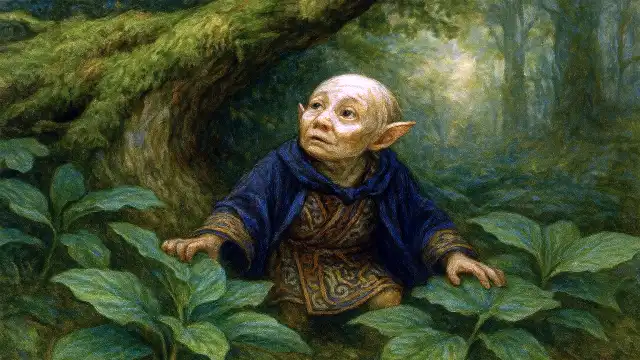
According to oral traditions recorded by researchers like John Batchelor in the late 19th century, here is what they look like:
- Stature: Tiny. Estimates range from a few inches to about 3-4 feet tall.
- Appearance: Reddish skin, prominent brows, and short, squashed noses.
- Hair: Lots of it. They were described as hairy and “odiferous” (a polite way of saying they smelled earthy).
- Skills: incredible potters and fishermen.
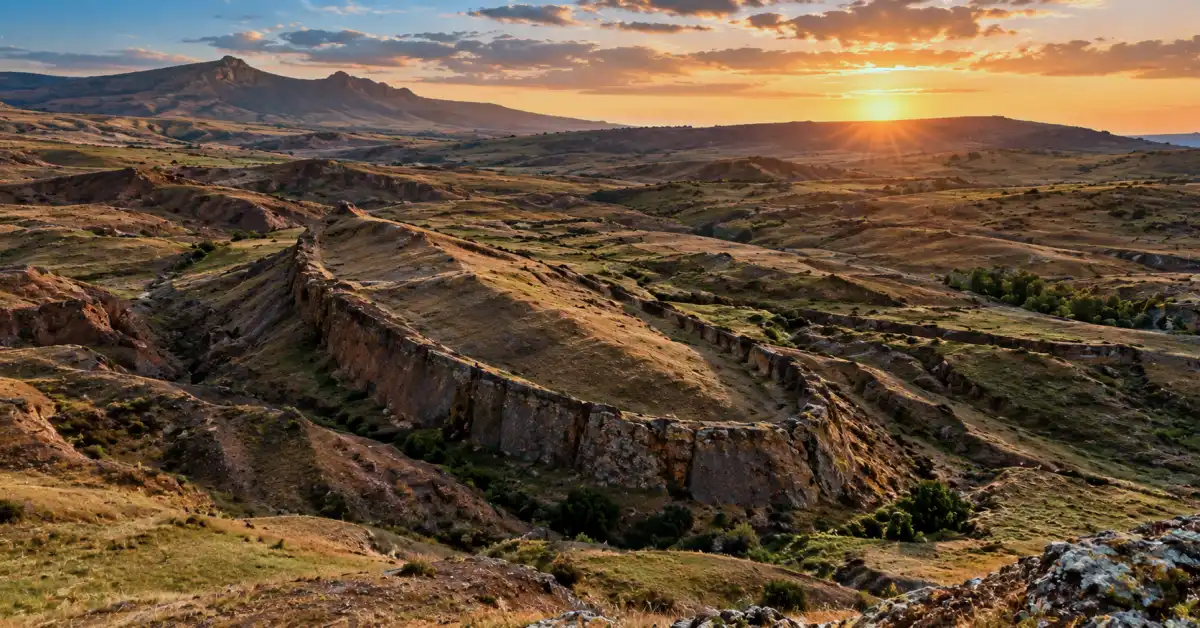
Unlike the Ainu, who built thatched houses above ground, the Koropokkuru were pit-dwellers. They lived in semi-underground huts, leading some archaeologists to speculate they might be linked to the ancient Jomon people.
The Legend of the Midnight Traders
The relationship between the Ainu and the Koropokkuru wasn’t always just “hide and seek.” For generations, they were actually neighbors.
Ainu elders tell stories of a time when the Little People were friendly. They were the ultimate secret santas of the forest. Under the cover of darkness, they would leave gifts – deer meat, fresh fish, and handmade crafts – at the windows of Ainu homes. In return, they asked for nothing but privacy.
They hated being seen.
The Breakup
So, why don’t we see them anymore? Well, humans ruined it. (Classic, right?)
The most famous legend goes like this:
A young Ainu man, desperate to see what these generous neighbors looked like, decided to set a trap. He waited by his window one night. When a tiny hand reached in to leave a gift, he grabbed it and dragged the creature inside.
To his shock, it was a beautiful Koropokkuru woman. She was furious. The breach of trust was so severe that her people were outraged. They cursed the Ainu for their rudeness and vanished into the northern lands, never to be seen again.
“They left only their pit-dwellings and stone tools scattered across the landscape as proof they were ever here.”
Myth vs. History: A Pre-Ainu Race?
This is where things get nerdy but fascinating. In the late 1800s, an anthropologist named Tsuboi Shogoro proposed a controversial theory. He believed the Koropokkuru weren’t just myths but a real distinct race of people who inhabited Japan before the Ainu arrived.
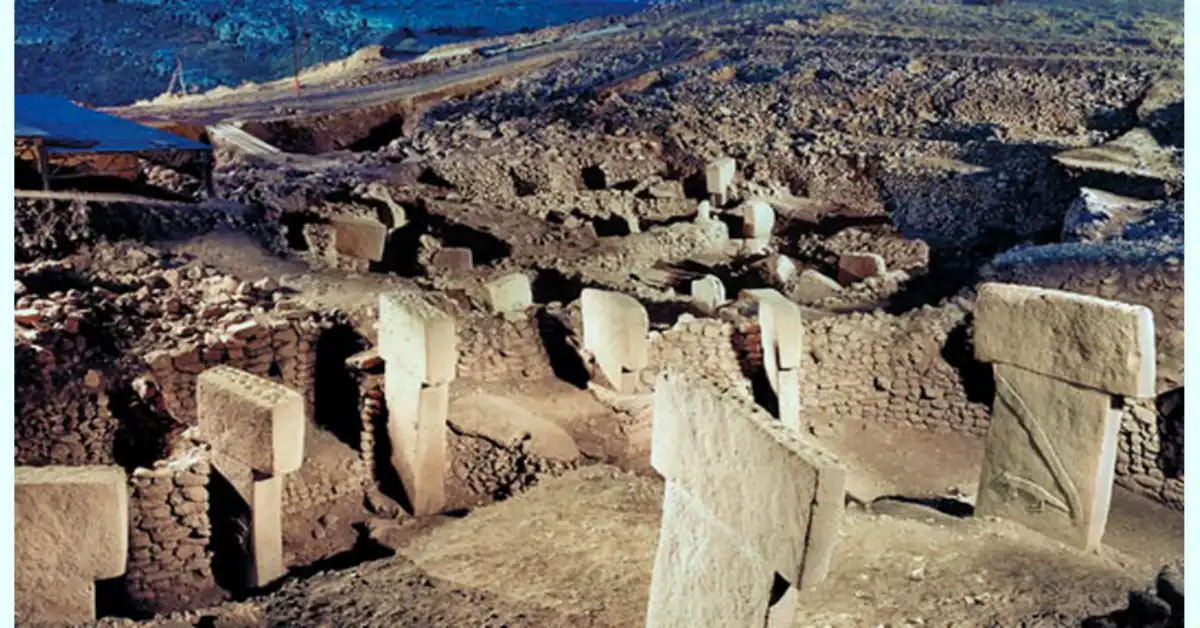
He pointed to ancient pit houses and unique pottery found in Hokkaido that didn’t match traditional Ainu styles. However, modern consensus usually leans toward the idea that these “relics” were actually just from early Ainu ancestors or the Jomon culture.
Regardless of the archaeology, for the Ainu people, the Koropokkuru are Kamuy (spirits). They represent a connection to the earth and a reminder to respect the boundaries of nature.
Where to “Find” Them in Hokkaido Today
You probably won’t catch a real Koropokkuru (please don’t try to trap one; we know how that ends). However, their spirit is alive and well in Hokkaido’s tourism scene.
If you are planning a trip, here are the best spots to hunt for their legacy:
1. Lake Akan Ainu Kotan
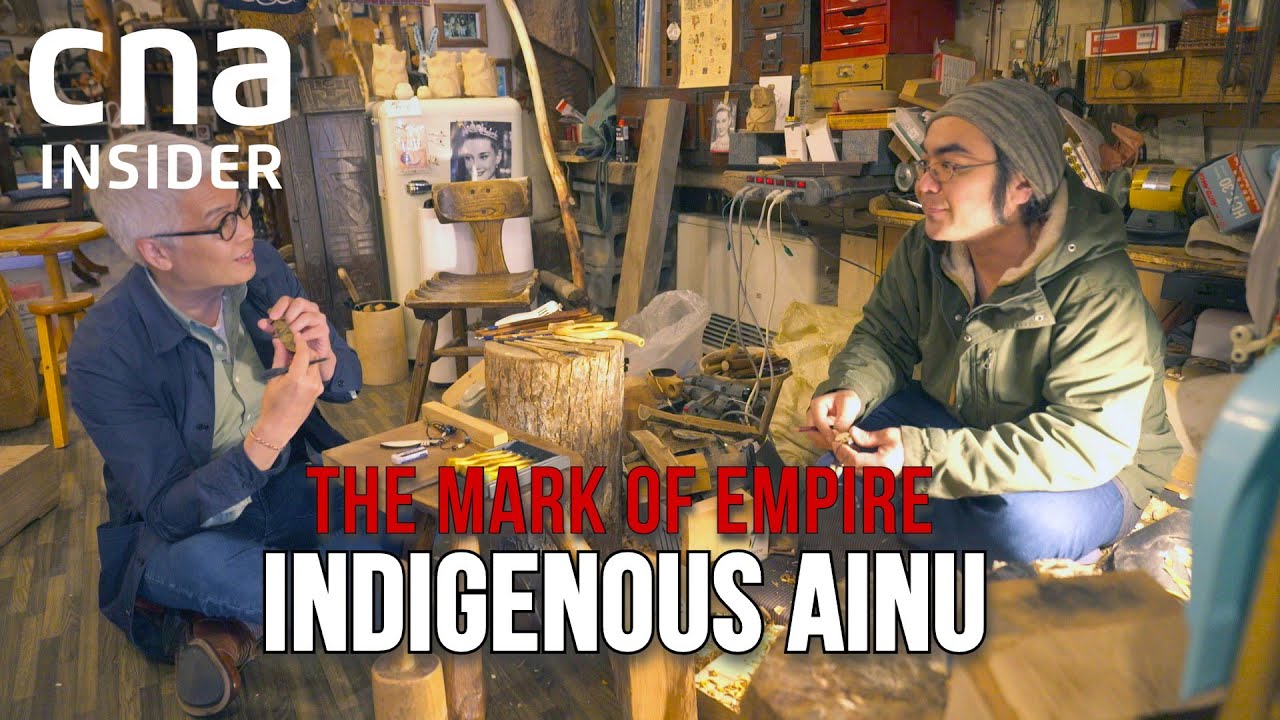
This is the heartbeat of modern Ainu culture. Located in Akan-Mashu National Park, this village is home to about 120 Ainu people and dozens of artisan shops.
- Look for: Exquisite wood carvings of Koropokkuru. Many shops, like Sanramanto or Nitay, sell hand-carved statues of the little people holding butterbur leaves.
- Do this: Visit the Onnechise (art museum) to see traditional crafts that inspired the legends.
2. The Butterbur Fields
You don’t need a ticket for this. In summer (June–July), wild fuki plants explode across Hokkaido’s roadsides.
- Pro Tip: Find a giant leaf, stand under it, and snap a selfie. It gives you a sense of the “Koropokkuru perspective.”
3. Sapporo Souvenir Shops
In downtown Sapporo, keep an eye out for “Koro-pok-guru” figurines. They are often depicted as cute, round-faced spirits holding a green leaf. They are considered lucky charms for safe travel!
Koropokkuru in Pop Culture
Even if you’ve never been to Japan, you have likely met a Koropokkuru without realizing it. Modern Japanese media loves these little guys.
- The Legend of Zelda: Recognizing the Koroks? These little wooden spirits with leaf masks who hide under rocks are a direct homage to the Koropokkuru (Korok = Koro-pok).
- Shaman King: The character Horohoro, an Ainu shaman, has a spirit partner named Kororo, a tiny, adorable Koropokkuru who lives under a butterbur leaf.
- Okami: The game features the Poncle, a race of tiny inch-high people who are skilled artists and storytellers – a clear nod to the myth.
Why This Folklore Matters Now
In a world dominated by AI and smartphones, stories like the Koropokkuru ground us. They remind us that we share our environment with “others” – whether they are animals, spirits, or just neighbors we haven’t met yet.
The Ainu philosophy of coexistence is woven into these legends. The Koropokkuru vanished because they were disrespected. Perhaps the lesson isn’t just about believing in fairies; it’s about respecting the unseen and protecting the wild places where mystery can still survive.
Ready to Find the Magic?
Next time you are doom-scrolling for travel ideas, pin Hokkaido. Go for the ramen and snow festivals, but stay for the magic. Walk the forest trails near Lake Akan, find a giant butterbur leaf, and listen closely.
You might just hear a rustle.
Have you ever encountered a local legend that felt suspiciously real? Drop a comment below or share this post with your travel buddy!

