

Most Controversial Arthouse Films Ever Made (Banned, Disturbing & Explained)
Ever watched a movie that made you want to take a long, hot shower afterward? You are definitely not alone. In fact, the world of arthouse cinema is absolutely packed with movies that push boundaries, break rules, and frankly, ruin weekends. Moreover, some of the most controversial arthouse films ever made do not just upset audiences. Instead, they face strict government bans, spark massive festival walkouts, and even lead to real-life criminal charges.
So, why do directors make these disturbing movies? Ultimately, it is rarely just for cheap shock value. Rather, these banned films use extreme images to explore heavy themes like grief, political corruption, and human cruelty. Therefore, if you are a curious movie buff, understanding the history behind these polarizing projects is fascinating.
However, a quick warning is necessary. We are discussing extremely dark themes today. Accordingly, buckle up and read on at your own risk.
Key Takeaways
- Arthouse films often use shocking visuals to critique society, media, or politics.
- Salò (1975) faced global bans but remains a crucial anti-fascist statement.
- Gaspar Noé’s Irréversible (2002) famously caused 250 people to flee its Cannes premiere.
- A Serbian Film (2010) forced the British Board of Film Classification (BBFC) to demand 49 separate cuts.
- Ultimately, these movies test the very limits of artistic freedom and censorship.
Why Do Arthouse Directors Push the Limits?
To begin with, you might be wondering why anyone would film something totally unwatchable. After all, isn’t the point of a movie to entertain? Well, arthouse cinema plays by a completely different set of rules. Specifically, these filmmakers want to challenge you. In other words, they want to grab you by the collar and force you to look at the ugly parts of life.
Furthermore, mainstream movies usually offer a comfortable safety net. The good guy wins, the bad guy loses, and everybody goes home happy. Conversely, controversial arthouse films smash that safety net to pieces. For example, when a director tackles a topic like political tyranny, they often feel that polite, sanitized scenes just will not cut it. As a result, they use graphic violence or taboo situations as a metaphor. A metaphor is simply a symbol where one thing represents another. Thus, a horribly violent scene might actually represent how a corrupt government abuses its citizens.
Besides, extreme cinema creates a physical reaction. Indeed, when your heart races or your stomach turns, you are fully engaged. Consequently, the message hits much harder than it would in a standard Hollywood blockbuster. Yet, the line between brilliant art and tasteless trash is incredibly thin. Therefore, let’s look at six famous examples that walked that tightrope.
6 Most Banned and Disturbing Arthouse Films
1. Salò, or the 120 Days of Sodom (1975)
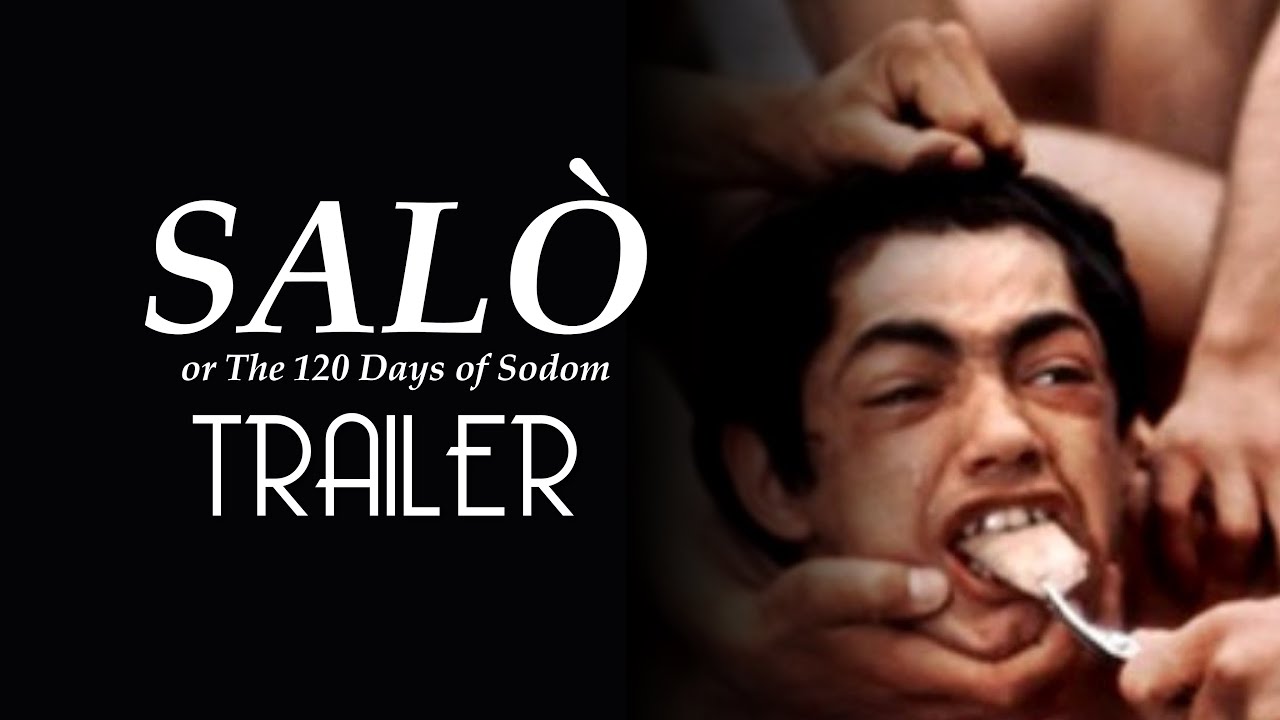
Undeniably, no list of banned movies is complete without Pier Paolo Pasolini’s final masterpiece. First, the setup alone is pure nightmare fuel. Based on a notoriously filthy book by the Marquis de Sade, the story takes place in 1944 during the last days of fascist Italy. Specifically, four wealthy, corrupt officials kidnap 18 teenagers. Then, they subject these kids to four months of unspeakable mental and physical torture.
Naturally, the reaction to this movie was explosive. In fact, the British Board of Film Censors (BBFC) outright rejected it in January 1976. Moreover, it was completely banned in Australia for decades, only passing uncut briefly before being re-banned in 1998. Meanwhile, theaters in London that dared to show an unrated version actually faced police raids.
Why make such a vile movie? Actually, Pasolini was making a sharp, highly political point. Specifically, he used the horrific abuse on screen as a metaphor for fascism and unchecked capitalism. In his view, corrupt power consumes human bodies just like a product. Tragically, the director never even lived to see the public reaction. Shockingly, Pasolini was murdered under mysterious circumstances just three weeks before the film premiered in Paris. Today, critics widely consider Salò a punishing but essential historical document.
2. Cannibal Holocaust (1980)
Moving on, we have a movie that basically invented the “found footage” genre long before The Blair Witch Project existed. Directed by Ruggero Deodato, this Italian horror film follows a rescue mission into the Amazon rainforest. Eventually, the rescuers find lost film reels left behind by a missing documentary crew. What happens next? The footage reveals that the documentarians actually staged horrible atrocities to create a spicier movie.
Consequently, the indigenous tribes fought back in incredibly gruesome ways. Unquestionably, the special effects were way too convincing for 1980. As a result, rumors immediately spread that the actors had actually been murdered on camera. Soon after, Italian authorities arrested Deodato and charged him with murder. To prove his innocence, he literally had to bring his living actors into the courtroom and explain his special effects tricks.
However, the movie still crossed major ethical lines. Specifically, the crew actually killed several real animals on screen. Because of this, Cannibal Holocaust faced heavy bans in over 50 countries. Even so, the core message of the movie remains surprisingly relevant. Ultimately, Deodato was criticizing the modern media’s obsession with sensational, bloody news. He was asking the audience: who are the real savages?
3. Irréversible (2002)
Next up is a French thriller that completely upended the 2002 Cannes Film Festival. Directed by Gaspar Noé, Irréversible tells a brutal story of revenge. However, there is a massive catch. The entire movie plays out in reverse chronological order. Meaning, you see the horrific aftermath first, and then slowly work your way backward to a happy, peaceful beginning.
Without a doubt, the Cannes premiere was an absolute disaster in terms of audience comfort. Specifically, roughly 250 people walked out of the screening. Furthermore, reports mentioned that several viewers actually fainted. Why did they flee? The film contains a grueling, nine-minute assault scene filmed in a single, unbroken take. Additionally, the opening twenty minutes feature a nauseating, spinning camera and a low-frequency background noise specifically designed to cause motion sickness and panic.
Yet, critics remain fiercely divided on whether this is exploitation or high art. On one hand, some call it a pathetic display of shock value. On the other hand, supporters argue that the backward structure forces you to face a terrible truth. Namely, as the movie’s famous tagline states: “Time destroys all things”. By watching the tragedy unfold backward, you realize that violent actions are utterly permanent.
4. Antichrist (2009)
![Antichrist (2009) ORIGINAL TRAILER [HD 1080p]](https://www.gsnsp.com/wp-content/cache/flying-press/d529c8e12e1d9d4c4b75d51c8e7d0d66.jpg)
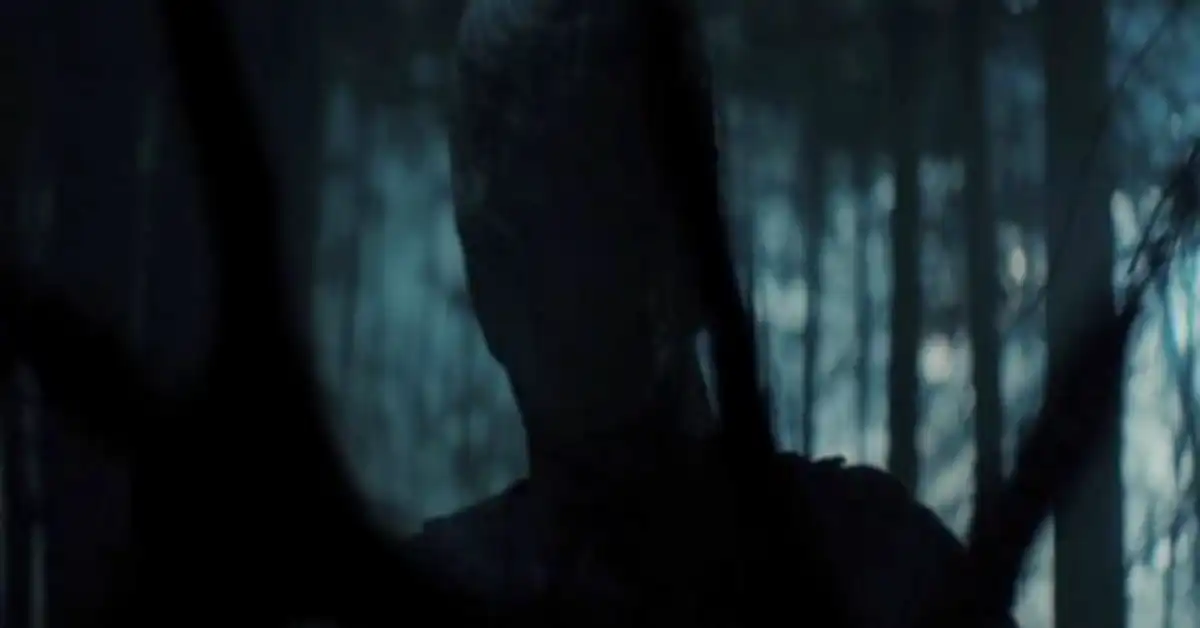
Now, let us talk about Lars von Trier. Frankly, this Danish director loves poking the bear. In 2009, he brought Antichrist to Cannes, and the response was chaotic. Starring Willem Dafoe and Charlotte Gainsbourg, the film follows a grieving couple who retreat to a remote cabin in the woods after the tragic death of their toddler.
Instead of healing, their trip turns into a hallucinatory nightmare of madness, nature, and extreme self-mutilation. Predictably, the festival crowd lost their collective minds. During the press screening, the movie sparked derisive giggles, loud boos, and angry howls from the media. Later, von Trier was openly booed at his own news conference. Additionally, at least four people reportedly fainted dead away in their seats.
Despite the backlash, von Trier refused to apologize. When asked to justify the film, he bluntly told reporters, “I don’t think I owe anybody an explanation”. Interestingly, von Trier wrote this script while suffering from severe clinical depression. Therefore, many film scholars view the movie not as a cheap provocation, but as a visual representation of a mind consumed by grief and anxiety. Also, Gainsbourg’s performance was so incredibly raw that she actually won the Best Actress prize at the festival.
5. A Serbian Film (2010)
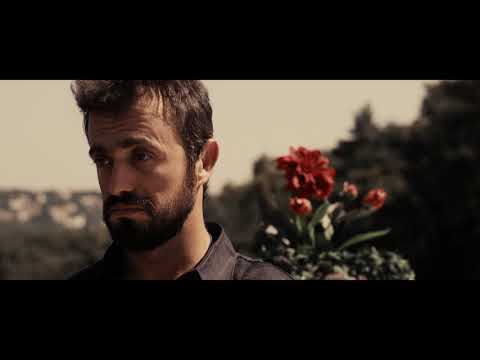
Finally, we arrive at what is widely considered the most controversial movie of the 21st century. Directed by Srdjan Spasojevic, this psychological thriller follows a retired adult film star who desperately needs money. Consequently, he agrees to star in one last “art project”. Unfortunately, he soon discovers he has been drugged and drafted into a nightmarish, illegal snuff film.
Truthfully, the content in this movie is so universally despised that describing it in detail is impossible here. However, the censorship battles alone are historically significant. For instance, when the distributor tried to release it in the United Kingdom, the BBFC stepped in hard. Ultimately, they demanded 49 individual cuts totaling exactly four minutes and twelve seconds of footage. Furthermore, the film was completely banned in Australia, New Zealand, and Norway.
Why on earth would anyone film this? According to the director, the movie is a pitch-black political allegory. Specifically, he claims the extreme violation of the main character represents the way the Serbian government historically abused and exploited its own citizens. Still, for 99% of audiences, the “political message” gets totally lost behind the unbearable visuals. Regardless, it remains the ultimate test of exactly how much a viewer can endure.
6. Pink Flamingos (1972)
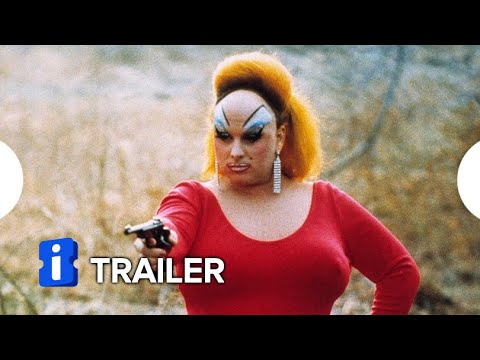
Shifting gears, let us look at an entirely different flavor of controversy. Directed by the legendary John Waters, Pink Flamingos is a proudly trashy underground comedy. Specifically, it stars the iconic drag queen Divine, who is competing for the title of “The Filthiest Person Alive”.
Unsurprisingly, the movie actively tries to make you gag. Instead of grim political torture, Waters uses gross-out humor to offend polite society. For instance, the film famously ends with an unsimulated scene where Divine eats fresh dog feces. Consequently, the movie was widely banned in various towns and countries for obscenity.
Yet, this micro-budget indie became a massive midnight movie sensation. Actually, it essentially launched the modern queer punk cinema movement. By aggressively breaking every single rule of good taste, Waters proved that marginalized voices could command attention. Today, it proudly sits in the National Film Registry, inducted by the Library of Congress in December 2021 for its massive cultural significance. Clearly, one generation’s horrifying trash can become the next generation’s treasured art.
How Sound and Camera Work Weaponize the Viewer’s Senses
Beyond the explicit visuals, directors use incredibly sneaky technical tricks to mess with your head. In reality, a disturbing movie often makes you feel sick before the violence even starts. How do they achieve this? Primarily, it comes down to sound design and camera movement.
Take Gaspar Noé, for example. During the first twenty minutes of Irréversible, he actually looped a low-frequency bass noise. Scientifically, this specific frequency closely resembles the rumble of an earthquake. As a result, it triggers a subconscious panic response in the human brain. Essentially, the audience experiences genuine nausea, dizziness, and intense anxiety without knowing exactly why.
Similarly, handheld, erratic camerawork breaks the illusion of a safe cinematic distance. When the camera shakes wildly, you feel trapped in the room with the characters. Furthermore, long, unbroken takes remove the comforting rhythm of traditional editing. Normally, a movie cuts away to a different angle every few seconds, allowing your brain to briefly reset. Conversely, when a scene stretches on for nine agonizing minutes without a single cut, you are denied that escape. Ultimately, these hidden techniques weaponize the film medium itself.
Psychological Toll on Audiences
At this point, you have to wonder why everyday people actively seek out these deeply disturbing movies. Certainly, it is not for a fun Friday night. Instead, psychologists suggest it ties back to morbid curiosity. Much like slowing down to look at a car crash, human beings have a natural urge to understand the darker sides of reality from a safe distance.
Moreover, watching extreme art provides a weird sense of catharsis. Catharsis is a big word that just means releasing pent-up emotions. In a way, experiencing simulated trauma on a screen allows us to process our own real-world anxieties. Afterward, when the credits roll, you feel a huge wave of relief simply because you survived the experience.
Also, for hardcore cinephiles, conquering a famously banned movie is like earning a badge of honor. To them, sitting through a grueling arthouse film is the cinematic equivalent of climbing Mount Everest. Basically, it is a thrilling endurance test.
How Censors and Festivals React Today
Over the past few decades, the landscape of movie censorship has definitely shifted. Back in the 1970s, governments heavily policed what adults could and could not watch. For example, the BBFC used to outright ban anything they deemed socially dangerous. In fact, political threats were often treated just as severely as violent content.
Today, however, information flows freely on the internet. Therefore, banning a movie often completely backfires. Actually, telling people they cannot watch something is the fastest way to make them furiously search for it online. Consequently, modern classification boards focus more on warning labels and careful age restrictions than outright bans. They might demand specific cuts if a film breaks strict obscenity or child protection laws, but total bans are becoming quite rare in democratic countries.
Meanwhile, prestigious film festivals like Cannes remain the ultimate battleground for controversial cinema. In reality, festival organizers secretly love the outrage. Why? Because nothing generates global press faster than a wealthy audience in tuxedos running out of a theater in disgust. Every single year, journalists eagerly wait to see which new indie director will cause the next big scandal. Ultimately, this cycle of shock and publicity keeps the independent film industry alive and fiercely independent.
Fin
In summary, the world’s most controversial arthouse films are not meant to be casually enjoyed. Instead, they exist to provoke, anger, and challenge us. Whether it is Pasolini exposing political corruption or Lars von Trier visualizing clinical depression, these directors use extreme tactics to leave a permanent scar on the viewer’s memory.
Admittedly, you might completely hate these movies. Still, you cannot deny their massive impact on film history and free speech. Ultimately, they force us to constantly redraw the line between art and obscenity.
Are you brave enough to watch any of these controversial arthouse films? Leave a comment below with your thoughts, or share this article with your bravest movie-buff friend to see if they can handle the challenge!

