

Secrets of New Mexico’s Forgotten Mines: Ghost Towns Off the Beaten Path and Their Underground Stories
Forget the curated adobe aesthetics of Santa Fe Plaza for a moment. The real, untamed soul of New Mexico isn’t sold in a gift shop. It’s found in the silence of a collapsed headframe, the gaping maw of a mine shaft, and the lonely cemeteries of towns that burned bright and died hard.
We’re not talking about the kitschy tourist traps with staged gunfights. We’re going off the beaten path to the places where the stories are real, the ruins are authentic, and the silence is heavy with history. These towns were born from a fever for what lay beneath the earth, and their stories are written in silver, zinc, and blood.
Let’s dive in.
More Than Turquoise: The Geology of Greed
First off, why New Mexico? What made this land so ripe for the picking?
The answer is geological violence. Millions of years of volcanic activity and the immense stretching of the earth’s crust along the Rio Grande Rift created a perfect storm. Molten rock from deep within the earth pushed its way up, carrying with it superheated water loaded with dissolved metals—gold, silver, copper, lead, and zinc. This mineral-rich stew cooled and solidified in cracks and fissures, creating the veins that would later drive men mad with hope.
It was a treasure map written by the planet itself. And in the 19th century, people finally learned how to read it.
Lake Valley: The Bridal Chamber of Pure Silver
Some stories sound like tall tales. Lake Valley’s story is true.
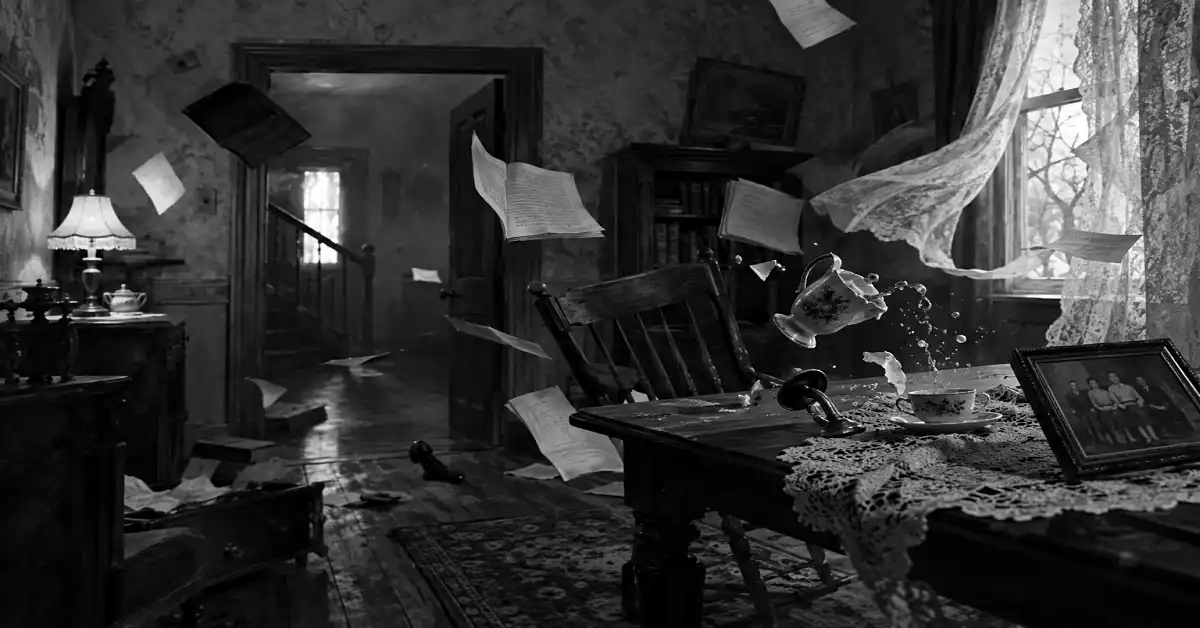
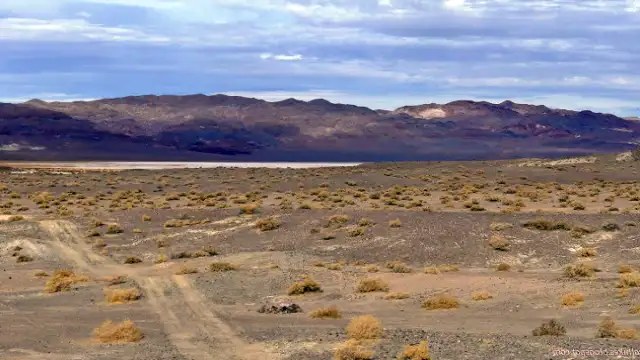
Located in the scrubland of Sierra County, Lake Valley would have been just another forgotten silver camp if not for one discovery that became legendary. In the early 1880s, miners broke into a cavity in the “Bridal Chamber” mine and stopped dead in their tracks.
It wasn’t a vein of silver. It was a cavern of it.
The walls weren’t rock containing silver; in many places, the walls were silver. The metal was so pure and abundant it was often sawn off in blocks rather than being blasted and processed. This one pocket, a geological freak of nature, yielded an estimated 2.5 million troy ounces of silver, making a few men obscenely rich. The town boomed, with saloons, a school, and all the trappings of a frontier metropolis.
The Secret: The “horn silver” from the Bridal Chamber was so rich it was practically a finished product straight out of the ground. Legend says some of it was so soft and pure it could be molded by hand.
The Bust: The boom was spectacular, but it was tied to a single wonder. When the Silver Panic of 1893 crashed the price of silver, Lake Valley’s heart was ripped out. The mines became unprofitable overnight. The people left.
What’s Left Today: Lake Valley is now a ghost town managed by the Bureau of Land Management (BLM). You can walk among the ruins of the schoolhouse and the chapel, a stark and beautiful reminder of a fortune found and lost. You can visit the site by contacting the BLM, who ensures its preservation.
Kelly: The Town Built on “Kelly Blue”
Not all treasure is silver and gold. In the Magdalena Mountains, the town of Kelly got rich off a humbler, but vital, metal: zinc.


Kelly started as a silver and lead camp, but its real fame came from the discovery of massive deposits of smithsonite, a zinc carbonate mineral. While most smithsonite is a drab grayish-brown, the smithsonite from the Kelly Mine was a stunning, vibrant, deep blue.
This “Kelly Blue” became world-famous among mineral collectors. It was the town’s unique signature.
The Secret: The town’s wealth wasn’t just in the ground; it was in the color. Kelly Blue smithsonite is still considered a benchmark for quality by mineralogists. The miners weren’t just digging for industrial metal; they were unearthing geological jewels.
The Bust: Like many mines, Kelly’s fate was tied to market forces. After producing fortunes in zinc and lead through both World Wars, demand and prices fell. The ore became harder to reach, and by the late 1940s, the main operations shut down for good.
What’s Left Today: Kelly is one of the most picturesque ghost towns in the state. The towering headframe of the Kelly Mine still stands sentinel over the valley. A few people still live in the area, but the main townsite is a collection of crumbling foundations and the beautifully preserved Catholic church on the hill.
Mogollon: Blood, Gold, and Isolation
Deep within the rugged Gila National Forest lies Mogollon (pronounced “muggy-own”). If Lake Valley was a legend and Kelly was an industrial workhorse, Mogollon was a Wild West cliche in the most terrifyingly real way.
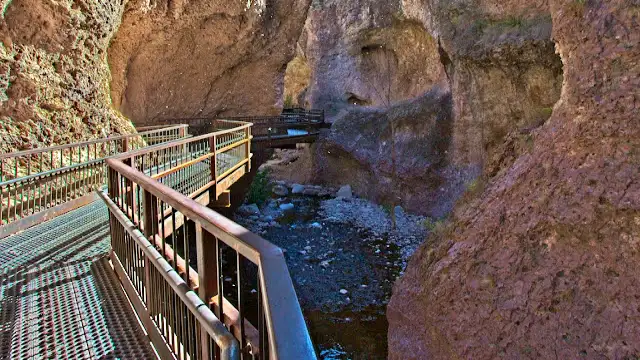
Getting there today is a commitment. In the 1890s, it was a journey into near-total isolation. This remoteness bred a tough, lawless culture. The town was rich, pulling millions in gold and silver from the surrounding mountains, but it was also famously violent. Stagecoach robberies were common, and shootouts in the saloons were a part of life.
The Secret: Mogollon’s biggest secret wasn’t a mineral; it was its sheer resilience and the harshness of life there. The town survived numerous devastating floods that ripped through the narrow canyon, as well as several major fires. Its story is one of defiance against both nature and human nature. The cemetery is filled with men who didn’t die of old age.
The Bust: The Great Depression hit Mogollon hard. The closure of the last major mine, the Little Fanny, in the 1950s was the final nail in the coffin.
What’s Left Today: Mogollon is arguably New Mexico’s most impressive ghost town. A handful of residents maintain a seasonal presence, running a few shops and a B&B. Walking down the main street, flanked by original wooden buildings and the ever-present threat of the canyon walls, feels like stepping back 120 years. It’s quiet, haunting, and utterly authentic.
Underground Stories: The Life of a Hard Rock Miner
The towns are only half the story. The real secrets are underground, in the experiences of the men who chased the veins. Life was brutal.
- The Widow-Makers: Dynamite and blasting caps were notoriously unstable. A misplaced charge or a delayed fuse meant being entombed. Rockfalls were a constant threat in shafts held up by nothing more than timber beams.
- The Dust That Kills: Before proper ventilation, miners breathed in fine rock dust all day. This led to silicosis, a horrific lung disease that slowly suffocated them. They called it “miner’s consumption.” It was a death sentence.
- The Darkness: Working by the dim, flickering light of a candle or a carbide lamp, a thousand feet down, was psychologically crushing. The isolation, the damp, the cold—it was another world.
This wasn’t a job; it was a gamble with your life, every single day, for a few dollars and the long-shot dream of striking it rich.
A Word to the Wise: Exploring New Mexico’s Ghosts
Itching to go? Good. But be careful—you need to be smart and respectful.
- Know Whose Land You’re On. Many ruins are on private property. Trespassing is illegal and will get you a very unwelcome reception. Stick to publicly accessible sites like Lake Valley or towns with a public presence like Mogollon.
- STAY OUT, STAY ALIVE. This is the number one rule of mine exploration for amateurs. Old mine shafts are deathtraps. They have unstable ground, bad air (low oxygen or poisonous gases), and hidden vertical drops. Do not go inside. Period.
- Take Only Pictures, Leave Only Footprints. These places are irreplaceable historical sites. Don’t take “souvenirs,” don’t vandalize anything. Let the next person experience the same sense of discovery you did.
These aren’t playgrounds; they are cemeteries for an entire way of life. Treat them with the respect they deserve.
These forgotten mines are monuments to a uniquely American combination of raw courage, relentless greed, and incredible hardship. They remind us that fortunes can be built and erased, leaving only stories behind. If you could explore one of these forgotten places, what secret would you hope to find?

