

South African Rituals and Myths You Won’t Find in a Guidebook
Forget what you think you know about South Africa.
It’s not just safari jeeps, Table Mountain, and stories of Nelson Mandela. Beneath the surface of this stunning, complex, and modern nation lies a parallel reality. An ancient, powerful world of spirits, ancestors, and shadow beings that is as real to millions of people as the smartphone in their hand.
This isn’t folklore for tourists. This is a living, breathing cosmology that influences everything from health and relationships to fortune and misfortune. To truly understand South Africa, you have to understand this constant conversation with the unseen world.
So, let’s get into the real stuff. The rituals and beliefs that are deeply understood by locals but are often simplified or sensationalized for outsiders.
1. The Calling Sickness: The Truth About Becoming a Sangoma
The Misconception: People choose to become a sangoma (a traditional healer) like choosing a career.
The Reality: The spirits choose you. And it’s usually not a gentle invitation.
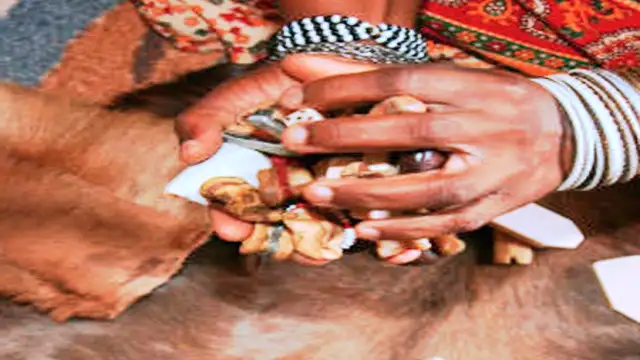
The journey to becoming a sangoma begins with what is called ukuthwasa. This is an involuntary, often harrowing spiritual illness. The person chosen by the ancestors—the spirits of their lineage—begins to experience a range of physical and psychological symptoms that Western medicine cannot diagnose or cure. They might suffer from:
- Unexplained physical pains and illnesses.
- Vivid, prophetic dreams and visions.
- Intense anxiety, social withdrawal, and erratic behaviour.
It looks like a breakdown. But it’s a breakthrough.
This is the ancestors “calling” the individual to serve. If this calling is ignored, the person’s life will fall apart—they may descend into madness or even die. The only cure is to answer the call and begin the grueling training process to become a sangoma. This involves years of apprenticeship under a senior sangoma, learning to interpret the dreams, mix traditional medicines (muti), and, most importantly, communicate with the ancestors through divination, often by “throwing the bones” (ukuhlola).
It is not a choice. It is a destiny, and often a difficult one, that must be accepted to restore balance to one’s life.
2. The Shadow in the Room: Understanding the Tokoloshe
The Misconception: The Tokoloshe is just a bogeyman, a mischievous goblin used to scare children.
The Reality: The Tokoloshe is a terrifyingly real concept representing malice, dread, and personal misfortune. It is an agent of chaos.
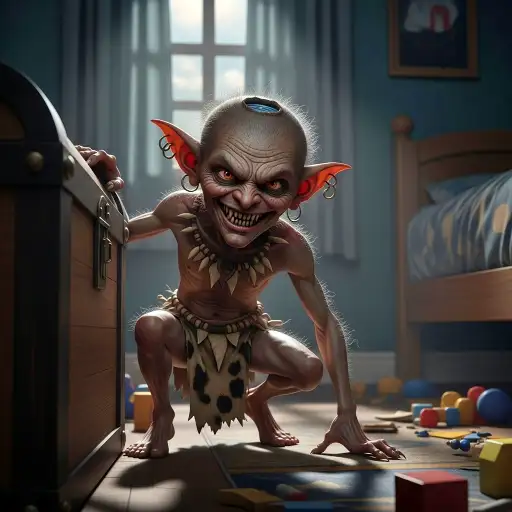
A Tokoloshe is a small, humanoid creature, often described as hairy and gremlin-like. But it’s not a wild creature. It is believed to be a familiar, a being summoned from a dead body by a malevolent person to inflict harm on their enemies. It is witchcraft made manifest.
Locals will tell you a Tokoloshe can cause everything from sleepless nights and illness to financial ruin and death. It is said to be notoriously lustful and can assault people in their sleep. This is why, in many parts of South Africa, you’ll see beds raised up on bricks or paint cans. The belief is that the small Tokoloshe cannot climb that high, keeping the sleeper safe.
So when someone says “It must be the Tokoloshe,” they aren’t just telling a spooky story. They are verbalizing a deep-seated fear of unseen evil, of jealousy from neighbours, and of a world where bad things don’t just happen by chance—they are sent.
3. More Than Money: The Sacred Meaning of Ukulobola
The Misconception: Lobola, the “bride price,” is an archaic practice where a man “buys” a wife from her family.
The Reality: This is a profound misunderstanding. Ukulobola is a sacred ritual that unites two families and, most importantly, two ancestral lines.
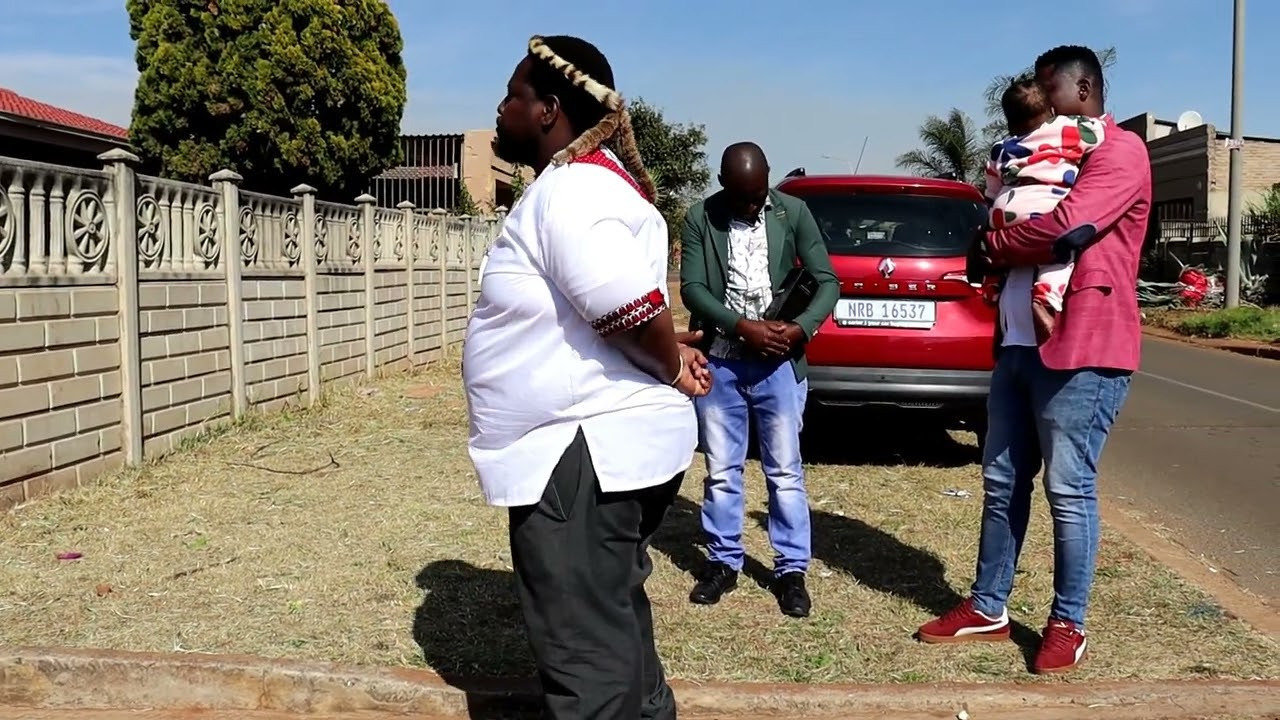
The process involves a delegation from the groom’s family visiting the bride’s family to negotiate a gift, traditionally in the form of cattle, but now often cash. This is not a payment for the bride. It is a gesture of profound gratitude and respect to her family for raising her.
But the spiritual dimension is the most critical part.
- It builds a bridge: The negotiation process itself is a formal way of creating a bond and mutual respect between the two families.
- It introduces the bride to new ancestors: The ceremony is a formal request for the bride’s ancestors to allow her to leave her lineage and join another.
- It legitimizes the union in the spirit world: Without lobola, the groom’s ancestors may not recognize the bride or her children. This could lead to spiritual imbalance and misfortune for the couple.
Calling it a “purchase” is an insult. It’s a sacred conversation between the living and the dead, ensuring the foundation of a new family is spiritually sound.
4. The River Goddess of Fortune: The Myth of the Mamlambo
The Misconception: Just another mythical creature or water snake.
The Reality: The Mamlambo is a powerful, seductive, and extremely dangerous water spirit linked to wealth and sacrifice.
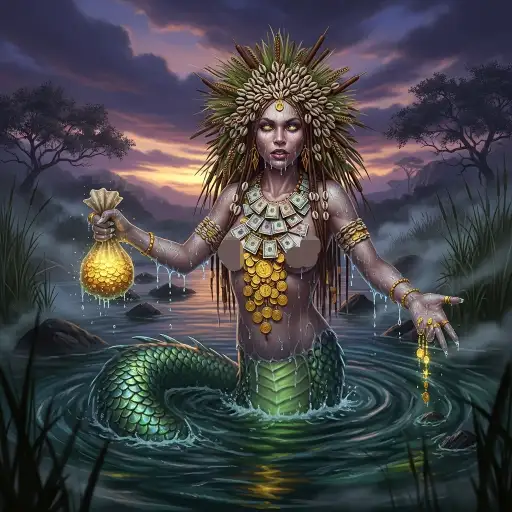
Described as a “goddess of the river,” the Mamlambo can take many forms but is often depicted as a beautiful woman with the lower body of a snake or fish. The myth states that a sangoma or individual seeking immense wealth can capture the Mamlambo and keep it. In return for its captivity, the spirit will bring its owner fantastic riches.
But there is always a price.
The Mamlambo is insatiably hungry and demands blood sacrifices. At first, it might be chickens or goats. But soon, its demands escalate. It will begin to demand the lives of the owner’s loved ones—their children, their spouse, their siblings. The owner becomes trapped, forced to feed the source of their wealth with the lives of their family to avoid being consumed themselves.
The Mamlambo myth is a powerful cultural commentary on the corrupting nature of greed. It serves as a stark warning: wealth obtained through dark means will ultimately devour everything you hold dear.
5. The Original Healers: The San Trance Dance
The Misconception: The San (or Bushmen) are a “lost” or “primitive” people whose culture has vanished.
The Reality: The San are the First People of Southern Africa, and their spiritual technology is one of the oldest on Earth. Their central ritual is the trance dance, or healing dance.
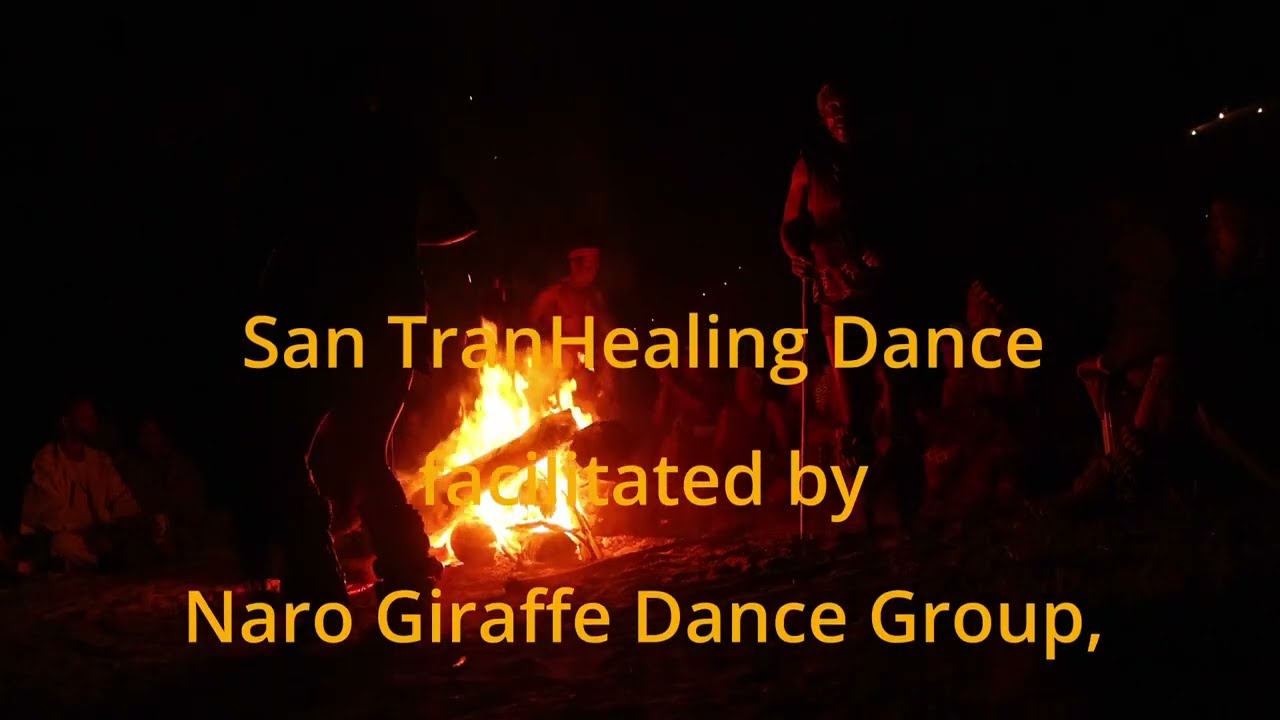
This is not a performance. It is a profound spiritual event where the entire community participates. As night falls, the women sit around a central fire, clapping complex rhythms and singing specific songs. The men, who are the healers, dance around the fire, their movements mimicking animals.
The goal is to activate a spiritual energy known as n/om.
- Through hours of rhythmic dancing and hyperventilation, the healers enter a painful, altered state of consciousness—the trance.
- In this state, they are said to be able to see the sickness and “arrows of misfortune” that afflict the community.
- They move through the group, laying their hands on people and “pulling” the sickness out of them, often with great physical exertion, before “throwing” it back into the darkness.
This ritual, depicted in ancient rock art thousands of years old, is not just about healing individuals. It’s about restoring the social and spiritual harmony of the entire community. It is a testament to one of humanity’s most ancient and powerful connections to the spirit world, practiced by a people who have survived against all odds. More information on the San people can be found via organizations like Survival International.
The Constant Conversation: Modernity and the Ancestors
Don’t make the mistake of thinking these beliefs are fading away.
A South African CEO might consult a sangoma before a major business deal. A university student might have their family home spiritually cleansed to get rid of a Tokoloshe. A young couple in Johannesburg will still engage in the process of ukulobola.
This isn’t a contradiction. It is syncretism. It’s the braiding together of the modern and the ancient. These beliefs provide a crucial sense of identity, community, and meaning in a world that is often chaotic and impersonal. They answer the questions that science and modernity cannot: Why did this happen to me? What is my place in the world? How am I connected to those who came before me?
The constant conversation with the ancestors continues. It is the deep, resonant heartbeat of South Africa. You just have to be quiet enough to hear it.
What Is Misunderstood About Your Culture?
These are just a few threads in a vast spiritual tapestry. Every culture has beliefs that are simplified or misunderstood by outsiders.
What stories from your own culture are often misrepresented? Share your perspective in the comments.

