

We love a good hero. We root for them, we cry with them, we cheer when they win.
But we live for the moment the villain gets what’s coming to them.
A truly great villain death isn’t just about gore or a big explosion. It’s catharsis. the “oh, hell yes” moment on your couch. It’s the universe finally snapping back into balance. the narrative payoff you’ve been craving for hours, or sometimes, for years.
A “satisfying” death isn’t just an end. It’s a punctuation mark. It’s a full-stop on their reign of terror, and it’s often a perfect, poetic, or just plain brutal reflection of the life they lived.
So, let’s grab some popcorn and count down the top 10 most satisfying villain deaths in movie and TV history.
MASSIVE SPOILER WARNING!
Seriously. We are about to spoil the ending of some of the biggest movies and TV shows of all time. This is your one and only warning. If you see a name you don’t recognize, skip to the next one.
The Countdown: Our Top 10 “Good Riddance” Moments
We’re ranking these based on a highly scientific formula of pure, unadulterated “payoff.”
10. Judge Doom (Who Framed Roger Rabbit)
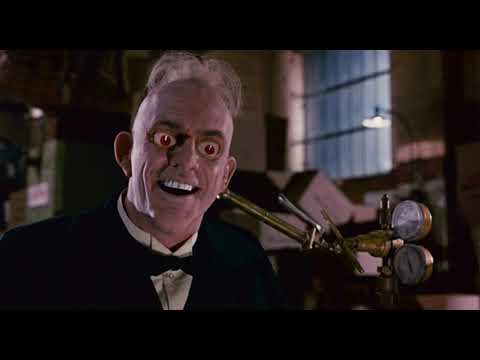
The Payoff: Childhood Nightmare Fuel Gets Its Just Deserts
For ’80s and ’90s kids, Judge Doom wasn’t just a villain. He was the monster under the bed. This guy was terrifying. He introduced us to the concept of a “Dip” that could murder adorable, squeaky cartoon shoes. killed Eddie’s brother. He was the very picture of cold, unfeeling, bureaucratic evil.
And then… the reveal. The high-pitched voice. The eyes.
Why It’s So Satisfying:
His death is pure poetic justice. He, a Toon masquerading as a human, is undone by his own invention. Watching him melt, scream, and get flattened by a steamroller was the stuff of nightmares, yes… but it was also a massive relief. He was pure evil, and he was erased by the very substance he used to terrorize others.
9. The T-1000 (Terminator 2: Judgment Day)
![The Death of T-1000 | Terminator 2 [Remastered]](https://www.gsnsp.com/wp-content/cache/flying-press/b52e3ad666ea8bdc76c531bf5181e247.jpg)
The Payoff: The “Unkillable” Foe Finally Goes Down
How do you kill a walking puddle of liquid metal? For the entire runtime of T2, the T-1000 is a relentless, unstoppable force of nature. It shrugs off bullets, re-forms its arms into knives, and just. Keeps. Coming. He’s the ultimate “oh shit, run!” monster.
Why It’s So Satisfying:
It’s satisfying because it took everything the heroes had. It took a grenade launcher, a vat of molten steel, and the T-800’s final, self-sacrificial act. The visual of the T-1000 screaming as it’s ripped apart by the heat, its “face” shifting through every person it ever copied, is iconic.
But the real cherry on top? The “Hasta la vista, baby” from Arnold, followed by that final, defiant thumbs-up from the T-800. It’s a spectacle-death that’s also packed with emotion.
8. Emperor Palpatine (Return of the Jedi)
![Darth Vader Kills Emperor Palpatine Scene [4k UltraHD] - Star Wars: Return of The Jedi](https://www.gsnsp.com/wp-content/cache/flying-press/9ff9ac4812f00767e39e6dead330cf44.jpg)
The Payoff: The Ultimate Redemption Play
Emperor Palpatine is the face of pure, cackling evil. He’s the puppet master, the rotten core of the entire Star Wars saga. He’s so evil, his face literally melted from it. By the time we get to the climax of Jedi, he’s zapping Luke with Force lightning, begging him to “fulfill his destiny.”
Why It’s So Satisfying:
His death is satisfying not just because he dies, but because of who kills him.
It’s not Luke. It’s Darth Vader. In one moment, the entire, tragic arc of Anakin Skywalker is redeemed. He goes from the galaxy’s most-feared man to a father saving his son. Watching Vader pick up the cackling Emperor and hurl him down a reactor shaft is the ultimate “boss-move-turned-redemption.” Palpatine didn’t just die; his death saved the hero’s father.
7. Scar (The Lion King)
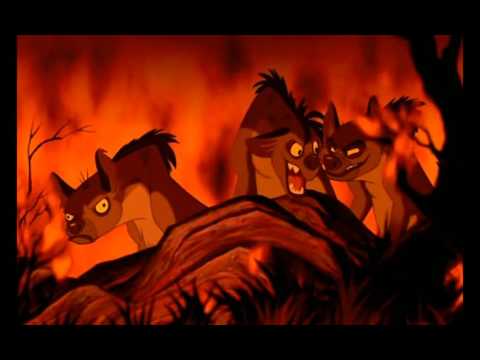
The Payoff: The Disney “Poetic Justice”
Scar is, for many of us, the first villain we ever truly hated. He’s smarmy, manipulative, and he… ugh… he killed Mufasa. That “Long live the king” line, followed by Mufasa’s fall, is a core memory of betrayal.
Why It’s So Satisfying:
This is a masterclass in poetic justice. Scar wins by turning the hyenas against Mufasa. He tries to win again by turning the lionesses against the hyenas, calling them “the real enemy.”
Bad move.
When he’s finally beaten by Simba, he’s not killed by the hero. He’s cornered by his “friends,” the very hyenas he betrayed and insulted. His death—being surrounded and devoured by his own army—is a direct, Shakespearean consequence of his own treacherous life.
6. Gus Fring (Breaking Bad)
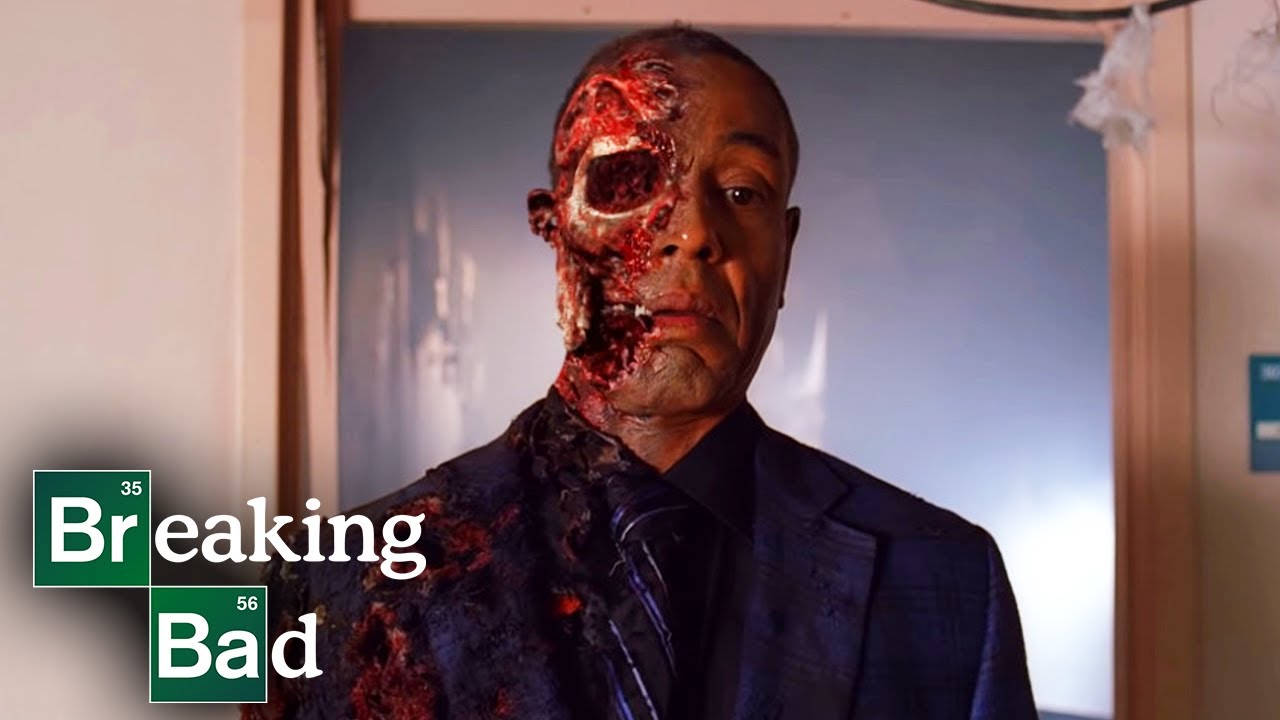
The Payoff: The “Gotcha!” Spectacle
Gus Fring was a ghost. He was the coldest, most calculating, and most terrifying villain in a show full of them. always ten steps ahead. He could slit a man’s throat with a box-cutter, straighten his tie, and walk away without his heart rate spiking. seemed… untouchable.
Why It’s So Satisfying:
Because Walter White finally out-smarted the master. The entire sequence—the nursing home, the bell-ringing, Tio Salamanca—is one of the most suspenseful a-ha! moments in TV.
But the capper? The thing that makes it legendary? Is what happens after the explosion.
Gus walks out of the room. He looks fine. You, the viewer, think, “No way. He survived.” And then… he straightens his tie. The camera pans. And you see he has no face. It’s shocking, it’s grotesque, it’s a spectacle, and it’s the only way a monster of his stature could have gone out.
5. Hans Gruber (Die Hard)
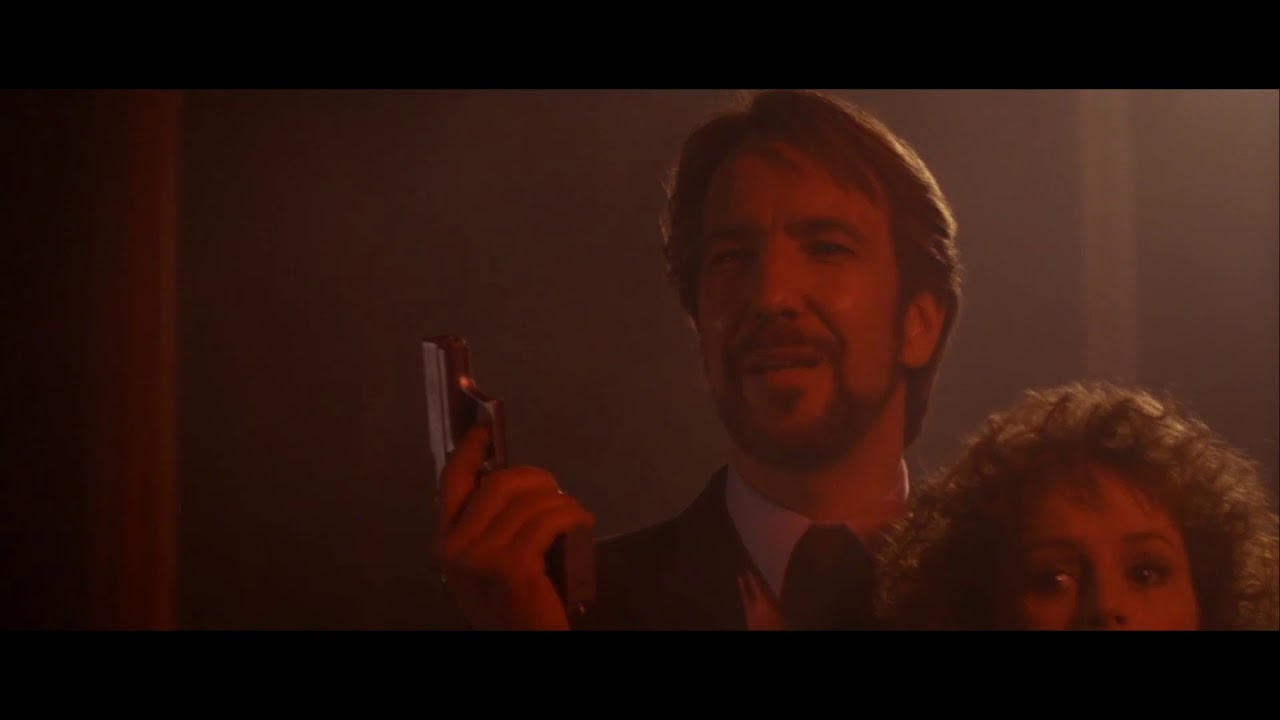
The Payoff: The Iconic “Hero’s Triumph”
Hans Gruber is a perfect villain. He’s not a madman; a “common thief.” He’s suave, intelligent, and in complete control. the ultimate “Euro-trash” bad guy, and the perfect foil for John McClane’s blue-collar, “wrong-guy-in-the-wrong-place” hero.
Why It’s So Satisfying:
It’s the ultimate “gotcha.” McClane, beaten, bloody, and down to two bullets, tapes a gun to his back. He fakes surrender. Hans sees the tape. He sees the gun. And he believes it.
He laughs. “You didn’t think I’d be that stupid, did you?”
And then John, laughing back, says, “Well… you were.”
The death itself—McClane ripping the watch (a symbol of Hans’s greed) off Holly’s wrist, sending Hans flying in glorious slow-motion—is a perfect, final “Yippee-ki-yay.”
4. Voldemort (Harry Potter and the Deathly Hallows Part 2)
![Harry Potter kills Voldemort | Harry Potter and the Deathly Hallows Part 2 [HD]](https://www.gsnsp.com/wp-content/cache/flying-press/6905d47d588f02d2033832b91c995568.jpg)
The Payoff: The Decade-Long Wait Is Over
We grew up with this guy. For a whole generation, Voldemort wasn’t just a villain; he was the concept of evil. He was the faceless, racist, power-mad tyrant we’d been reading about for a decade. We waited… and waited… and waited for him to finally get his.
Why It’s So Satisfying:
The satisfaction isn’t in the spectacle. It’s in the lack of it.
After all his talk of immortality, all his Horcruxes, all his power… he just dies. His own curse rebounds, and he’s just… gone. He dies and becomes “Tom.” A pathetic, mortal man.
The movie, of course, made it a bit flashier with the disintegrating-ash-flakes. But the book’s death, and the core of the satisfaction, is that he failed. He was proven wrong about everything. Love, friendship, and sacrifice—the things he thought were weaknesses—were the things that undid him.
3. Thanos (Avengers: Endgame)
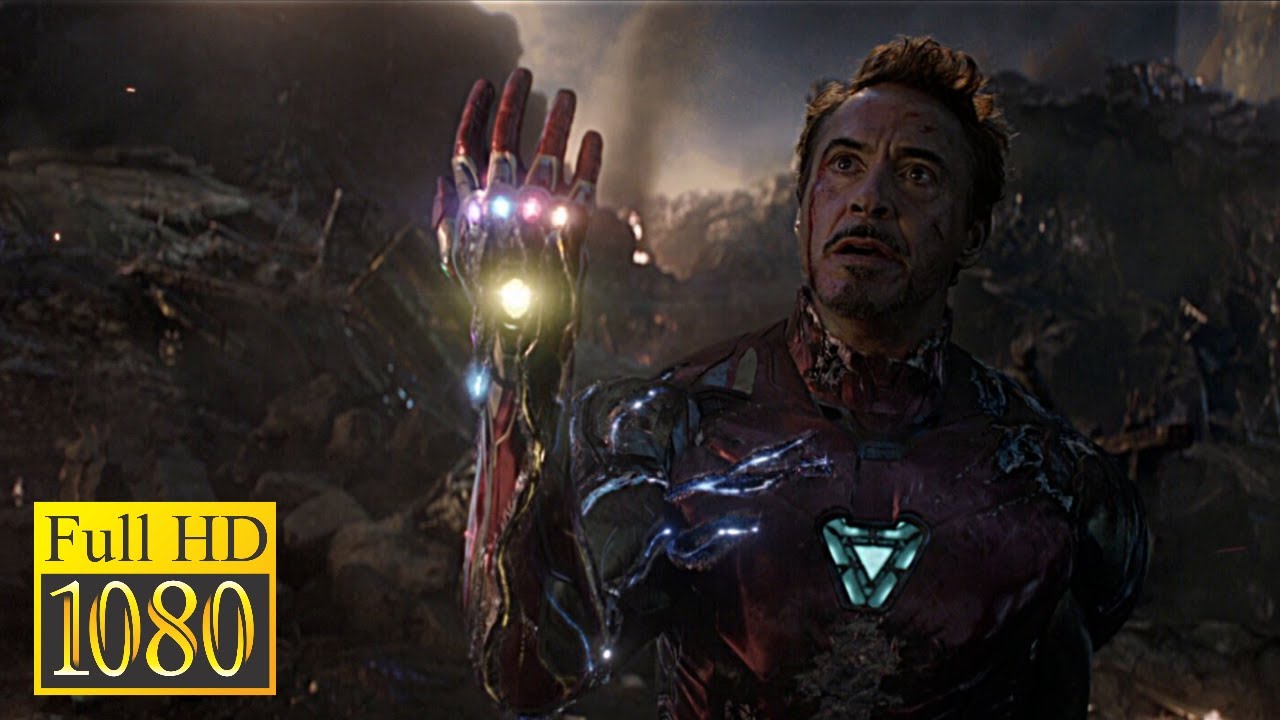
The Payoff: The Ultimate Sacrifice (“I am… Iron Man.”)
Thanos won. That’s what made him a great villain. snapped his fingers at the end of Infinity War, and the good guys lost. He wiped out half of all life. He “won” so hard, his first death in Endgame (the one on his farm) felt hollow. It was an execution, not a victory.
Why It’s So Satisfying:
The real satisfaction comes from Endgame Thanos. This is the arrogant, “I am inevitable” version. He has the gauntlet. He’s about to snap again.
And then, in the most perfect “full-circle” moment in cinema history, Tony Stark the “selfish” billionaire playboy from Iron Man 1—reveals he has the stones.
He doesn’t give a speech. He just looks at the Mad Titan and delivers the line that ends a 10-year, 22-movie saga: “And I… am… Iron Man.”
Snap.
The satisfaction isn’t just that Thanos dies. It’s that he’s undone by the one thing he could never understand: pure, human self-sacrifice.
2. Joffrey Baratheon (Game of Thrones)
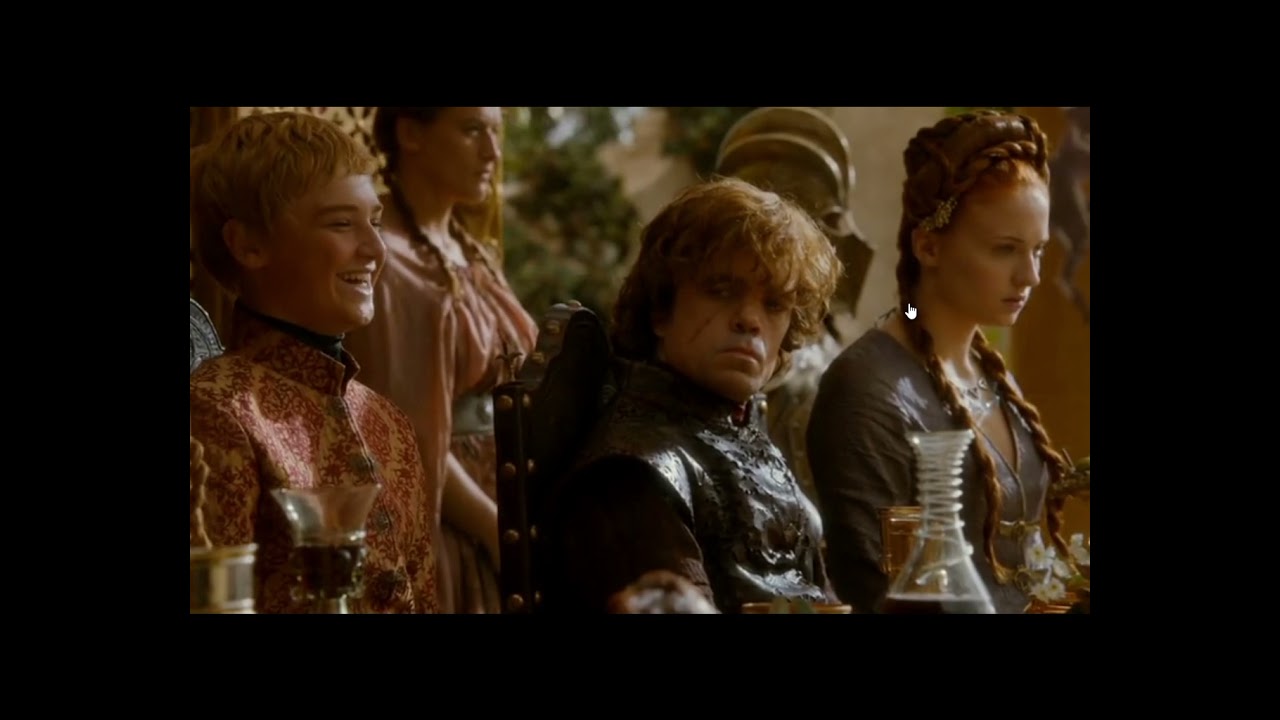
The Payoff: The “We Waited SO Long” Catharsis
Has a single character in the history of television been so universally hated? Joffrey wasn’t a “cool” villain. He wasn’t a mastermind. a brat. a sniveling, cowardly, sadistic bully who was given absolute power.
killed Ned. tormented Sansa. He was just… the worst.
Why It’s So Satisfying:
“The Purple Wedding.” We all knew it had to happen, but how? In a world of beheadings and dragonfire, Joffrey’s end was perfectly… pathetic.
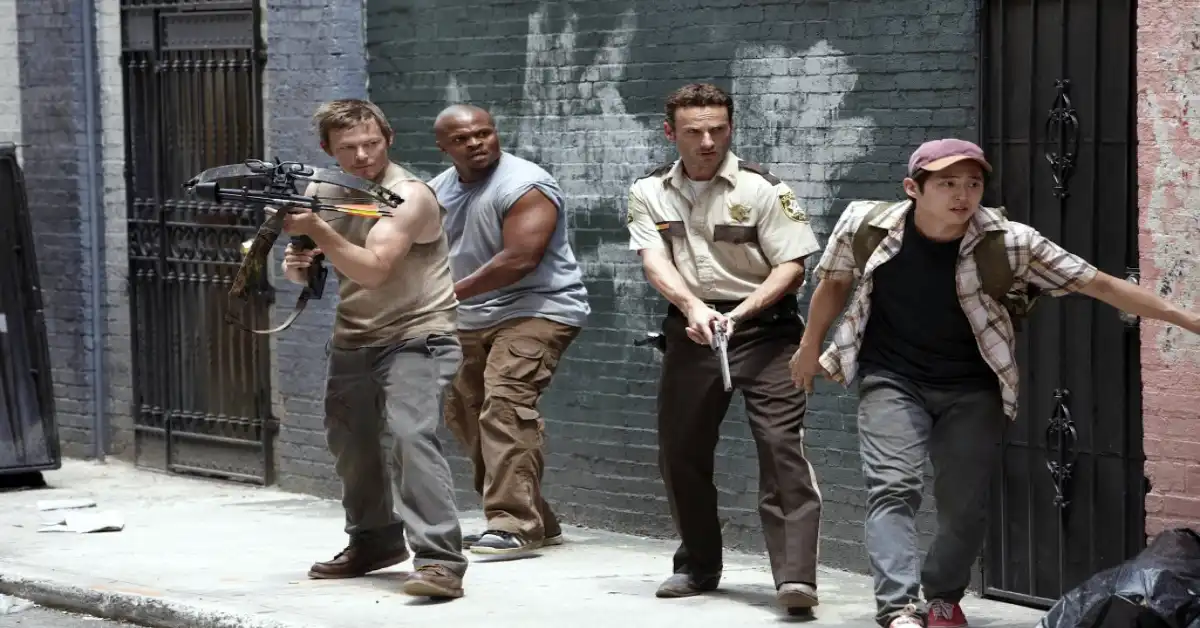
He dies at his own party, in front of everyone, choking on own arrogance (and a fat dose of poison). He claws at his throat. turns a delightful shade of purple. And his last, pathetic gaze is at his uncle-dad.
It’s not a heroic battle. an assassination. It’s a pest being exterminated. The catharsis from this one, single death was enough to power a small city. We all felt a little like Olenna Tyrell that day. “Tell Cersei. I want her to know it was me.”
1. Ramsay Bolton (Game of Thrones)
The Payoff: The Most Perfect Poetic Justice in TV History
We hated Joffrey. But we were horrified by Ramsay Bolton.
If Joffrey was a bully, Ramsay was a demon in human skin. He was a monster. flayed people. He hunted women for sport. And what he did to Sansa and Theon… it was almost unwatchable. He was a creature who existed only to inflict pain.
His death couldn’t just be a death. It had to be the death.
Why It’s So Satisfying:
It is, hands down, the most perfect, earned, and poetically just death ever put on screen.
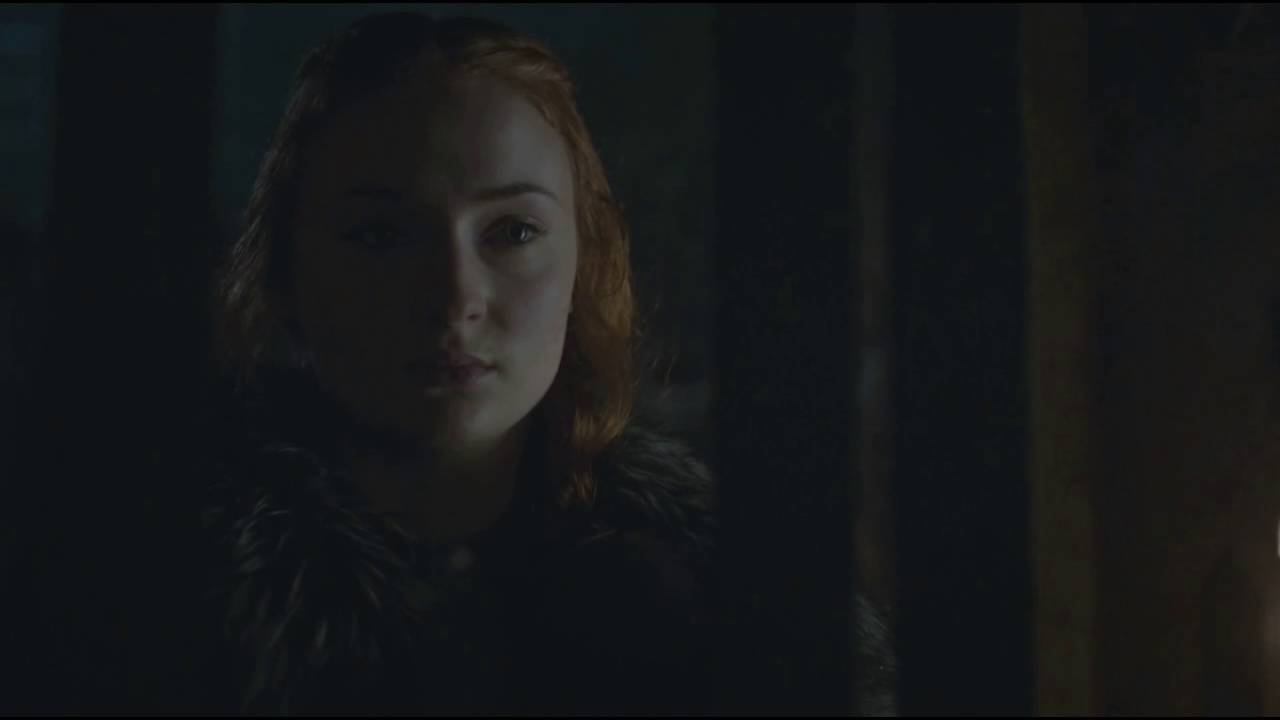
It’s not Jon Snow who kills him (though the “Battle of the Bastards” beatdown was also satisfying). It’s Sansa. The woman he terrorized, broke, and underestimated.
And how does she kill him? Not with a sword. Not with poison. She kills him with his own words.
He once told her, “My hounds… they are loyal. They… will never turn on me.”
He was wrong.
She delivers her final, chilling monologue. She stands there as his own starving, “loyal” hounds do the work. And as he’s being eaten alive, she turns, walks away, and a tiny, almost-imperceptible smile crosses her face.
It’s not just a death. It’s liberation. the ultimate “look-what-you-made-me-do.” the most satisfying ending in the entire series.
Honorable Mentions
We couldn’t list them all, but we’d be flayed if we didn’t mention these:
- Bellatrix Lestrange (Harry Potter): Killed by Molly Weasley in the ultimate “mama bear” moment. “Not my daughter, you bitch!”
- Gollum (Lord of the Rings): He finally gets his Precious… and in doing so, destroys himself, the Ring, and Sauron all at once.
- The Night King (Game of Thrones): A single, silent, shattering “gotcha” move from Arya.
- Hans Landa (Inglourious Basterds): He doesn’t die, but getting a swastika carved into his forehead by Brad Pitt might be even more satisfying. “I think this just might be my masterpiece.”
So, What Makes a Villain’s Death “Good”?
Looking at this list, it’s clear. A great villain death is never just about the blood. It’s about the story.
It’s about justice. The punishment fits the crime. The cheater is undone by a lie. The brute is undone by his own brutality.
It’s about catharsis. The pressure that’s been building for the entire story is finally, finally released.
And most of all, it’s about payoff. It’s the final, perfect, punctuating note that makes the hero’s entire, painful journey worth it.
Call to Action
This is just our list. We know we missed a big one, Who is your number one? Who did we leave off that makes your blood boil?
Drop your most satisfying villain death in the comments below!

