

The Red Room Curse: The Internet’s Most Dangerous Pop-Up?
Do you like?
Do you like the red room?
If you’ve spent any time in the dark corners of the internet – or just doom-scrolled through creepy TikToks at 3 AM-you’ve likely heard these words. They aren’t just a random question; they are the trigger for one of the most enduring and unsettling urban legends in digital history: The Red Room Curse.
For over two decades, this Japanese legend has terrified netizens, blurring the line between a harmless prank and a very real, very bloody tragedy. But what exactly is the Red Room? Did it really cause a murder? And why is it suddenly blowing up on Roblox in 2025?
Let’s turn on the lights, lock the doors, and deep-dive into the glitchy nightmare that refuses to die.
The Origin: A Flash Animation from Hell
Back in the late 90s and early 2000s, before YouTube and Reddit, the internet was the Wild West. It was the era of GeoCities and obscure message boards, where Flash animations ruled the web. This is where the Red Room (Akai Heya) was born.
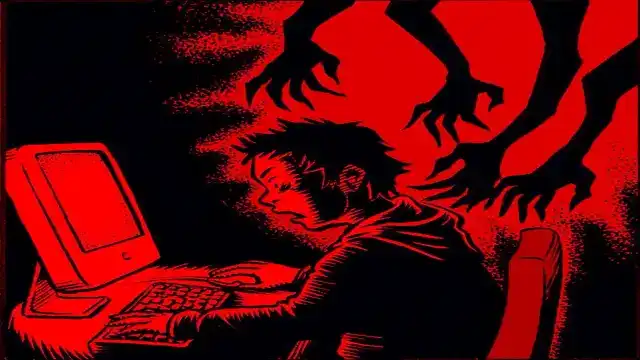
The legend starts with a simple, interactive Adobe Flash video. In the animation, a boy is browsing the internet when a red pop-up window appears. It asks a seemingly innocent, incomplete question:
“Do you like – ?”
The boy tries to close it. He clicks the ‘X’ furiously. But the pop-up keeps coming back. Slowly, a synthesized, robotic voice begins to reveal the full question:

“Do you like… the Red Room?”
Suddenly, the screen goes red. A list of names appears. The boy finds his own name at the very bottom of the list. Then, he senses a presence behind him. The next day, the boy is found dead in his room, the walls completely painted red with his own blood.
The “Prank” That Went Too Far
Here’s the kicker-the original Flash animation was actually designed to mess with you in real life.
At the end of the video, a script would trigger your browser to open a real pop-up window on your computer screen. It would look exactly like the one in the story. For a split second, the fourth wall would shatter. You weren’t just watching a horror story; you were in it.
While technically harmless code, this “interactive horror” element is what cemented the Red Room as a legendary status symbol in the creepypasta community. It made you feel watched. It made you feel cursed.
When Folklore Bleeds into Reality: The Sasebo Slashing
Most urban legends stay fiction. Slender Man is just a Photoshop contest entry; The Rake is a fanfic creation. But the Red Room has a body count.
In 2004, the legend took a horrific turn that forever linked it to real-world violence. This is the story of the Sasebo Slashing.
On June 1, 2004, in Sasebo, Japan, an 11-year-old schoolgirl (referred to legally as “Girl A” or by the internet nickname “Nevada-tan”) murdered her 12-year-old classmate, Satomi Mitarai. The details were gruesome-she lured Satomi into an empty classroom during lunch and slashed her throat with a box cutter.

So, where does the Red Room fit in?
When police investigated Girl A’s computer history, they found the Red Room Flash animation bookmarked in her browser. She was reportedly a fan of the video, along with other dark content like Battle Royale.
This discovery sent shockwaves through Japan. The media went into a frenzy, speculating that the “curse” or the violent imagery in the animation had brainwashed the child. It transformed the Red Room from a spooky internet ghost story into a symbol of “technological corruption.” It wasn’t just a story anymore; it was a potential trigger for madness.
The 2025 Resurgence: The Curse Hits Roblox
You’d think a 20-year-old Flash animation would be dead and buried by now. Yet, here we are in 2025, and the Red Room is trending again-this time on Roblox.
A new generation of gamers has discovered the lore, but they aren’t just watching it; they are playing it.
The Legend of Xarkov and Game ID 24112341
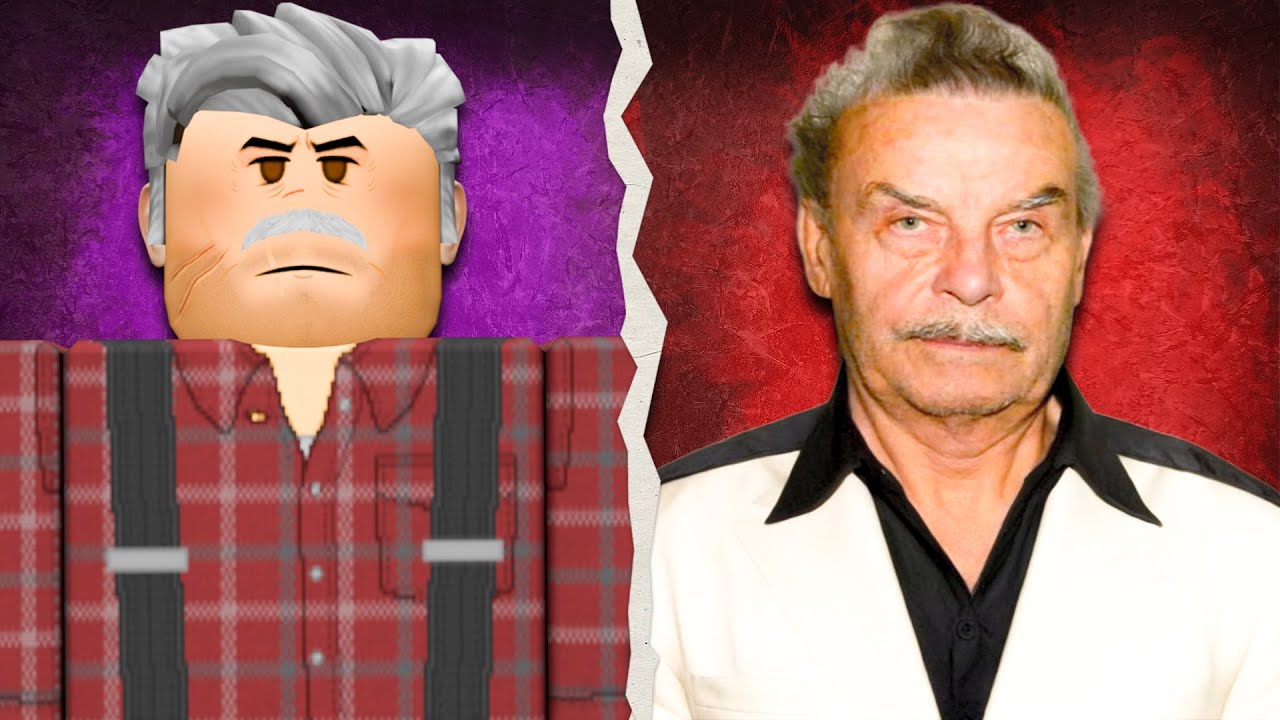
The most haunting story circulating in 2025 revolves around a mysterious Roblox user known as Xarkov.
According to the current myth, a group of hackers revived a banned game simply titled “The Red Room” (associated with the ID sequence 24112341). They allegedly forced an innocent player, Xarkov, to beta-test the restored level.
The story goes like this:
- The Entry: Xarkov enters the game. It’s just a black hallway leading to a single red door.
- The Glitch: As he walks through, his screen starts to tear. He tells the hackers on Discord that he sees his own avatar standing at the end of the hall, staring back at him.
- The End: Xarkov falls into a digital “hole.” A pop-up appears on his screen – not a Roblox GUI, but a system-level window. A scream tears through his speakers (some claim it sounds like a distorted audio file from Slendytubbies).
- The Aftermath: Xarkov disconnects. He is never seen online again. Rumors swirl that he suffered a heart attack in real life, though like all good legends-this remains unverified.
This “Xarkov” narrative has sparked a massive wave of “Red Room” simulation games on Roblox. Developers are recreating the red pop-up interface, trying to scare players with sudden loud noises and “uncloseable” GUIs. It proves that the core fear of the Red Room—loss of control over your own technology – is timeless.
Why Are We Obsessed with the Red Room?
Why do we keep coming back to this specific story? Psychologists suggest it taps into a very modern anxiety: Digital Claustrophobia.
- The Uninvited Guest: A pop-up is an invasion. It enters your personal screen space without permission. You didn’t ask for it, and you can’t get rid of it.
- The Mirror Effect: The question “Do you like the red room?” forces you to engage. It’s not a passive story; it demands an answer. When the list of names appears, it implies that the internet knows you. It knows your name. It knows where you are.
- The ambiguous threat: Unlike a monster you can run from, you can’t run from a curse that lives in the code. Unplugging the computer feels like giving up, but staying online means facing the horror.
Is the Curse Real? (The Reality Check)
Let’s take a breath. Is there a demon in the code? No.
The Red Room is a masterpiece of early internet storytelling, combined with a clever bit of Javascript and Flash scripting. The “curse” is a psychological trick. The pop-up that appears at the end of the original animation was hard-coded to trigger. It wasn’t supernatural; it was just smart programming.
However, the Sasebo Slashing was very real. That tragedy serves as a grim reminder that while ghosts in the machine aren’t real, the influence of dark media on vulnerable minds can have tangible consequences.
Do You Like It?
The Red Room remains one of the most effective urban legends because it evolves. It moved from a GeoCities page to a real-life crime scene, and now to the virtual lobbies of Roblox. It shifts forms, but the fear remains the same: the idea that something from the digital world can reach out and touch you in the physical one.
So, the next time a strange window pops up on your screen, or a Roblox game glitches out and shows you a red door… don’t panic.
But maybe, just to be safe, don’t read the list of names.
Have you encountered a “Red Room” game on Roblox or seen the original animation? Drop a comment below – if you dare.

