

Chupacabra: The Ultimate Smackdown—Mange-Ridden Coyote vs. Alien Pet Theory
You’ve heard the whispers. Maybe you’ve seen the grainy photos on a late-night forum deep dive. A creature with glowing red eyes, vampiric fangs, and a bad attitude, lurking in the shadows to drain the blood of innocent livestock. El Chupacabra. The Goat Sucker.
It’s the rockstar of modern cryptozoology—Bigfoot’s edgy, Latino cousin. But here’s the million-dollar question that keeps biologists and conspiracy theorists up at night: Is this thing a terrifying extraterrestrial pet left behind by a careless UFO, or just a really sick dog having a terrible hair day?
We’re going to dissect this legend with the precision of a surgeon. Buckle up, friend. It’s about to get weird.
The Origin Story: An Alien in Puerto Rico?
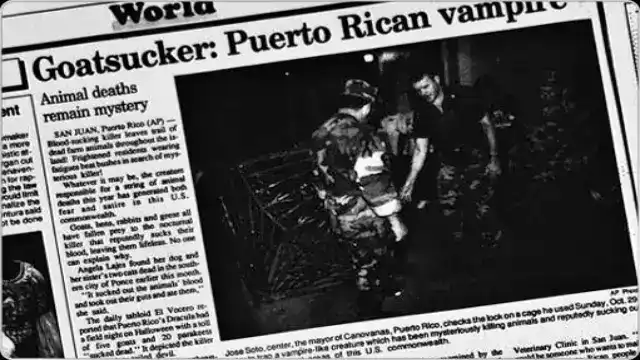
Let’s rewind the tape to 1995. The Macarena was taking over the world, and in the small town of Canóvanas, Puerto Rico, something else was taking over the nightmares of locals.
Farmers were waking up to a gruesome scene: dead goats, sheep, and chickens. But these weren’t your average predator kills. No messy carnage. No missing limbs. Just puncture wounds and bodies allegedly drained of blood. Spooky, right?
Enter Madelyne Tolentino
The legend officially exploded when an eyewitness named Madelyne Tolentino came forward. She described a creature that was definitely not from around here. Her description?
- Bipedal (walked on two legs like a human).
- Alien-like eyes (big, wraparound, and red).
- Spikes running down its spine.
- Kangaroo legs for hopping.
This wasn’t a dog. This was a monster straight out of a sci-fi flick. And that’s where things get suspicious.
The Hollywood Connection
Here’s a rhetorical question for you: Have you ever seen the movie Species?
Released in the summer of 1995—right before Madelyne’s sighting—this movie featured a creature named “Sil.” Sil was an alien-human hybrid with spikes on her back who could morph into a terrifying beast. Skeptical investigator Benjamin Radford later discovered that Madelyne had seen Species shortly before her encounter.

Coincidence? Or did a Hollywood blockbuster accidentally birth a modern myth? You be the judge. But the “Alien Pet” theory was born, suggesting this creature was an extraterrestrial entity, possibly an escaped experiment from a secret government lab in the El Yunque rainforest.
The Shapeshift: From Alien to “Mangy Cur”
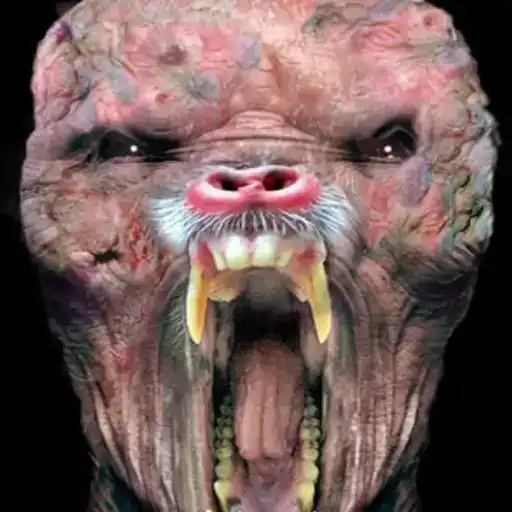
Fast forward a few years, and the Chupacabra decides to migrate. It moves from the tropical island of Puerto Rico to the arid plains of Mexico and Texas.
But something strange happened during the trip. The monster changed.
Gone was the bipedal, spike-backed alien. In its place? A hairless, ugly, four-legged beast that looked like a zombie dog.
Suddenly, ranchers in Texas weren’t looking for aliens. They were shooting weird-looking canines that were attacking their livestock. When they looked at the corpses, they saw:
- Grey, leathery skin.
- Huge teeth.
- A foul, rotting smell.
The media went wild. “We found the Chupacabra!” they screamed. But the scientists? They just sighed and pulled out their microscopes.
The Scientific smackdown: It’s Mange, Not Martians
Alright, let’s get some science in here. The “Texan Chupacabra” has been studied extensively by experts like Dr. Barry O’Connor from the University of Michigan. Their verdict? It’s not paranormal; it’s parasitic.
What is Sarcoptic Mange?
Imagine the worst itch you’ve ever had. Now multiply it by a thousand. Sarcoptic mange is caused by a microscopic mite called Sarcoptes scabiei. These little nightmares burrow under the skin of animals (like coyotes, foxes, and raccoons) and lay eggs.
Here’s why a coyote with mange looks like a monster:

- Hair Loss (Alopecia): The animal scratches so hard it rips its own fur out.
- Skin Changes: The skin thickens, wrinkles, and turns a bluish-grey color (hence the “grey alien” look).
- Emaciation: The animal is too busy scratching to hunt, so it gets incredibly skinny, making its teeth and claws look huge in comparison.
The “Vampire” Behavior
“But why do they suck blood?” you ask.
Well, they technically don’t. A healthy coyote hunts rabbits and deer—prey that requires speed and energy. A mange-ridden coyote is weak, exhausted, and freezing to death. It can’t chase a jackrabbit.
So, what does it do? It goes for the easy meal: livestock. Sheep and goats in a pen are like a drive-thru for a sick predator. The “blood draining” is often a myth; the blood simply coagulates (clots) and settles in the body after death, making it look drained. Plus, a weak animal might bite and gnaw without eating the whole carcass, leaving mysterious puncture wounds.
Comparing the Contenders
Let’s break it down in a simple comparison so you can see the stark differences.
| Feature | The Alien Pet Theory | The Mange-Ridden Coyote Fact |
| Appearance | Bipedal, spikes on back, glowing red eyes. | Quadruped, hairless, grey leathery skin. |
| Origin | Extraterrestrial or Gov Lab (Puerto Rico). | Native wildlife infected by Sarcoptes scabiei. |
| Behavior | Drains blood with surgical precision. | Attacks livestock out of desperation/weakness. |
| Evidence | Eyewitness sketches, blurry folklore. | DNA tests, carcasses, veterinary pathology. |
Why Do We Want to Believe?
If the answer is so obviously “sick dog,” why does the legend persist? Why do we still click on the headlines?
1. The “Cool” Factor
Let’s be real—a government experiment gone wrong is way cooler than a coyote with a skin rash. We love a good mystery. We love the idea that there is magic and danger lurking in the dark woods.
2. The Pop Culture Feedback Loop
The internet is a wild place. A photo of a dead raccoon with no hair gets posted online. Someone captions it “CHUPACABRA FOUND!” It goes viral. Before a biologist can say “sarcoptic mange,” millions of people have shared it.
3. Fear of the Unknown
When we can’t explain something (like why our goats are dying), our brains fill in the gaps. We don’t like uncertainty. A monster is a terrifying answer, but it’s an answer.
Case Closed?
So, is the Chupacabra real?
- As a biological species? No. There is zero DNA evidence of a reptilian-canine vampire. Every “body” found has turned out to be a known animal with a severe skin disease.
- As a cultural phenomenon? Absolutely. The Chupacabra is real in our stories, our movies, and our collective imagination.
It’s a mix of a Hollywood hangover (thanks, Species), terrified farmers trying to protect their livelihood, and the heartbreaking reality of wildlife disease.

Scientific Sources for the Skeptics:
- University of Michigan News: Biologist Barry O’Connor on Mange
- National Geographic: Chupacabra Science
Frequently Asked Questions About the Chupacabra
1. What is a Chupacabra?
The Chupacabra (meaning “goat-sucker” in Spanish) is a legendary cryptid from Latin American folklore. It is famous for its purported habit of attacking livestock, particularly goats, and draining them of their blood through small puncture wounds.
2. Is the Chupacabra real or a myth?
Scientifically, the Chupacabra is considered a myth. While thousands of sightings have been reported since 1995, most “captured” specimens have been DNA-tested and identified as common animals—usually coyotes or feral dogs—suffering from severe sarcoptic mange, a disease that causes hair loss and skin shriveling.
3. What does a Chupacabra look like?
Descriptions vary by region, but there are two main “types” reported:
The Alien Type (Puerto Rico): A bipedal, 3-to-4-foot-tall reptilian creature with spikes on its back and large glowing red eyes.
The Canine Type (Texas/Mexico): A hairless, blue-grey, dog-like animal with a pronounced spinal ridge and oversized fangs.
4. Where was the Chupacabra first seen?
The first official reports of the Chupacabra occurred in Puerto Rico in March 1995. After the initial sightings, reports quickly spread across Mexico, the Southwestern United States, and Central and South America, fueled by early internet culture and cable news.
5. Why do people think it drinks blood?
The legend is based on livestock found dead with puncture wounds in the neck and seemingly “bloodless” carcasses. However, biologists explain that when a predator kills an animal, blood often settles in the lower parts of the body (lividity) or is consumed by insects, making the carcass appear drained to an untrained eye.
What Do You Think?
Are you Team Alien or Team Coyote? Have you ever seen something in the woods you couldn’t explain?
Drop a comment below or share this article with your friend who swears they saw a monster last summer! Let’s keep the mystery alive—even if we know the truth.

