

Garden of Eden Serpent: Tempter or Liberator Theories
Most of us think we know the story. A naked couple, a forbidden tree, and a talking snake that ruins everything. It’s the ultimate “why we can’t have nice things” narrative. But if you’ve been scrolling through theological TikTok or diving into viral debates, you know the script is flipping, suddenly, the snake isn’t just a villain; for some, he’s the hero.
This shift isn’t just internet contrarianism. It’s a revival of ancient, suppressed ideas that are crashing back into modern consciousness. Was the serpent a lying agent of chaos, or was he the first whistleblower, freeing humanity from a golden cage? lets dig into the Genesis, decode the Hebrew, and weigh the evidence.
The Traditional Take: The Original Villain
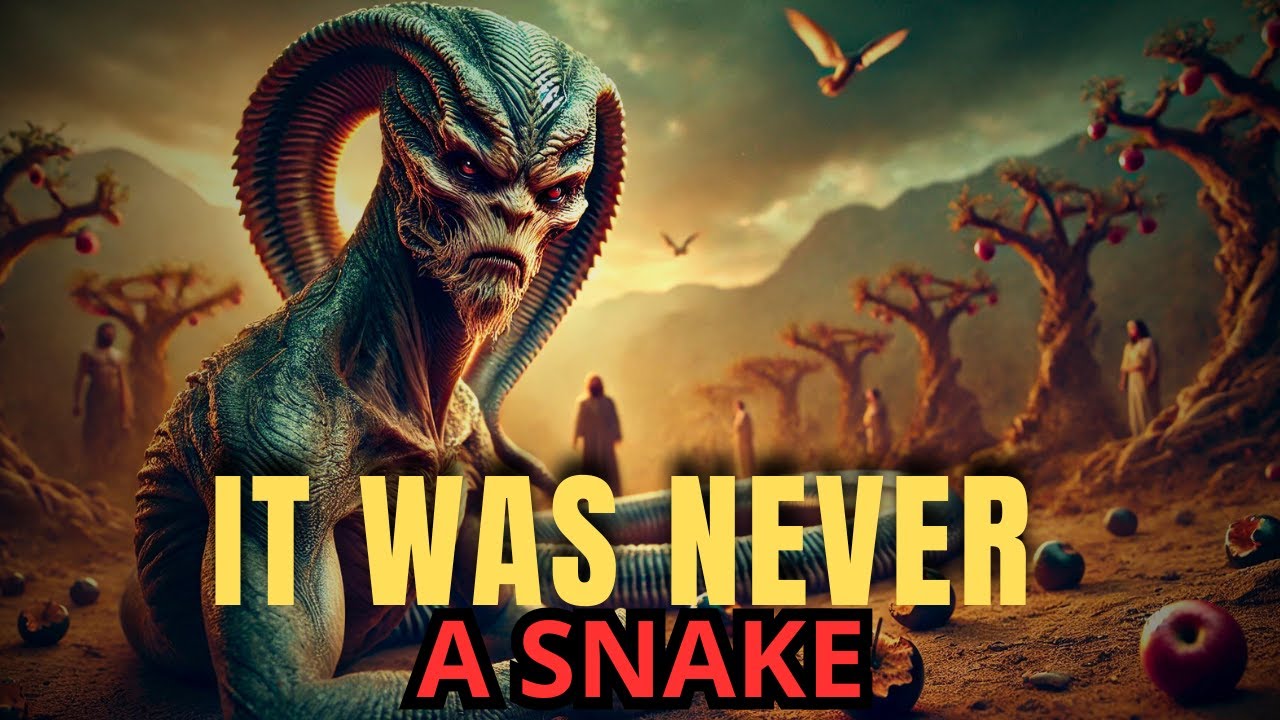
For centuries, the mainstream Christian and Jewish consensus has been clear: the serpent is bad news. He is the Nahash (Hebrew for serpent), often interpreted as a physical manifestation of Satan or a chaotic force of evil.
The theological logic is tight:
- The Command: God sets a boundary. “Don’t eat this, or you die.”
- The Lie: The serpent says, “You surely will not die.”
- The Fall: They eat, sin enters the world, and death follows.
Recent discussions in 2024 have reignited interest in the “Protoevangelium” (the first gospel) found in Genesis 3:15. This is the moment God curses the serpent, promising that the woman’s offspring will “crush your head,” while the serpent will “strike his heel.”
“And I will put enmity between you and the woman, and between your offspring and her offspring; he shall bruise your head, and you shall bruise his heel.” (Genesis 3:15, ESV)

Archaeological Insight:
Interestingly, recent archaeological discussions have highlighted physical evidence of crucifixion specifically, heel bones pierced by iron nails bringing a gritty reality to the “bruised heel” metaphor. For traditionalists, this solidifies the serpent’s role as the ultimate antagonist whose defeat was written in the stars (and the soil) from day one. The serpent represents anti-structure, the voice that whispers “did God really say that?” to dismantle order.
The “Shining One”: A Linguistic Plot Twist
Here is where things get weird. The Hebrew word for serpent, Nahash, is a triple entendre. It’s a linguistic pun that ancient readers would have caught immediately, but we miss in English.
- Noun: Snake / Serpent.
- Verb: To practice divination / whisper.
- Adjective: Brazen / Shining (like polished copper).
Some scholars argue that Eve wasn’t talking to a garden-variety reptile. She might have been speaking to a “Shining One” a luminous, divine being. This explains why she wasn’t terrified. If a gecko started talking to you today, you’d run. But if a radiant, angelic figure offered you wisdom? You might listen.
This theory suggests the entity was a member of the Divine Council who went rogue. He wasn’t just a crawling beast; he was a demoted celestial power. This aligns with the description in Ezekiel 28, which speaks of a “guardian cherub” in Eden who was “blameless in your ways… until unrighteousness was found in you.”
The Gnostic Inversion: The Serpent as Liberator
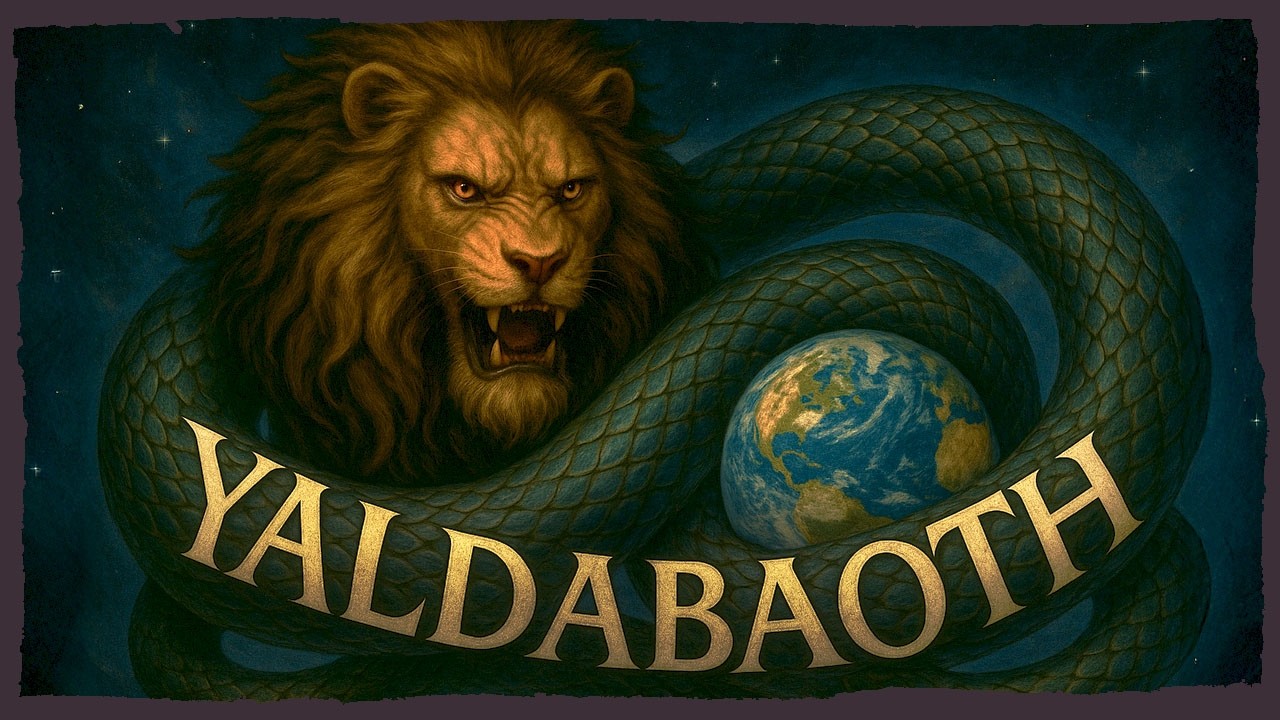
Ready to have your mind blown? In the early centuries of Christianity, a group called the Gnostics looked at the same text and saw a completely different movie.
To Gnostics, the creator god of Genesis (whom they called Yaldabaoth) wasn’t the true, ultimate God. He was a lesser, jealous deity who wanted to keep humans uninformed and compliant.
The Gnostic Argument:

- The Trap: The “Garden” was a prison of ignorance.
- The Hero: The serpent was a messenger from the True God (the Monad) sent to wake Adam and Eve up.
- The Gift: The “fruit” wasn’t an apple; it was Gnosis (knowledge).
The “Three Claims” Test:
Modern skeptics and mythicists like those fueling the 2025 YouTube debates often point to the “Three Claims” analysis. Let’s look at the scoreboard:
- God said: “On the day you eat of it, you shall surely die.” (They ate, but lived for 900+ more years).
- Serpent said: “You will not surely die.” (True, physically speaking, in the immediate sense).
- Serpent said: “Your eyes will be opened, and you will be like God.” (God later confirms this in Gen 3:22: “Behold, the man has become like one of us”).
From this angle, the serpent is the Prometheus of the Bible the fire-bringer who was punished for giving humanity the tools of consciousness. He liberated us from being mindless pets in a divine zoo.
Chaos vs. Order: The Psychological Perspective

Forget gods and demons for a second. What if this story is about us?
Psychologically, the serpent represents the chaos of the unknown. The Garden is order safe, predictable, boring. You can’t grow in a walled garden where everything is provided. You have to step out.
- The Tempter: Represents the impulse to destroy structure for the sake of pleasure.
- The Liberator: Represents the necessary risk of leaving childhood behind.
Jordan Peterson and other modern thinkers often frame this as the birth of self-consciousness. To “eat the fruit” is to realize you are vulnerable. It’s painful, sure. You realize you’re naked. You realize you’re going to die. But is it evil? Or is it just the cost of becoming an adult?
Without the serpent, Adam and Eve remain infants forever. The “Fall” is actually a “Rise” to consciousness. You can’t have morality without the capacity for evil, and you can’t have wisdom without the risk of death.
Why This Debate Matters Now
Why are we suddenly obsessed with this again? Because we are living through a massive crisis of authority.
We no longer blindly trust institutions, governments, or “creator gods” of our society. The Gnostic narrative that the people in charge are keeping secrets from you resonates with a generation raised on leaked documents, whistleblowers, and decentralized truth.
- Team Tempter: Believes we need objective moral anchors. Without obedience to a higher power, we are lost in chaos.
- Team Liberator: Believes authority must be questioned. Knowledge is the ultimate power, and withholding it is the ultimate crime.
Who Do You See in the Tree?
So, was he a saboteur or a savior?
If you view the world through the lens of obedience and holiness, the serpent is the ultimate destroyer the first liar who broke the peace of paradise. But if you value autonomy and enlightenment above comfort, the serpent looks a lot like a liberator who handed you the keys to your own mind.
Perhaps the scariest truth is that he is both. The catalyst for human history was neither purely good nor purely evil; it was simply the moment we stopped being animals and started being human.
What do you think? Was the forbidden fruit a poison pill or a red pill?
Have a theory that blows these out of the water? Drop a comment below or share this with that one friend who loves a late-night theological debate. Let’s get into it.

