

Shadow People: Everything You Need to Know
It’s 3:17 AM. You wake up, but you can’t move. Your chest feels heavy, like someone parked a sedan on your ribcage. You try to scream, but your throat is locked. Then, you see it. A darker than night silhouette standing in the corner of your room, just watching. Sound familiar?
If youve ever experienced this spine-chilling phenomenon, you’ve met the Shadow People. You aren’t losing your mind, and you definitely aren’t alone. In this year, reports of these shadowy intruders are as high as ever, fuelled by high stress lifestyles and a digital culture that loves to share ghost stories. But are they demons? Inter dimensional travelers? or just your brain glitching out after too much caffeine and too little sleep?
Let’s cut through the noise and break down exactly what’s happening when the lights go out.

What Are Shadow People?
First off, let’s define the boogeyman. Shadow people are typically described as tall, humanoid figures made of dense, static darkness. Unlike traditional ghosts, they don’t usually have facial features no eyes, no mouth, just a void They often appear in your peripheral vision, darting away the moment you turn your head.
However, sometimes they don’t run. Sometimes, they stand right over you.
While experiences vary, the “vibe” is almost universally negative. Witnesses report an overwhelming sense of dread, malevolence, or the feeling of being hunted. It’s not just seeing something scary; it’s feeling a primal threat.
The “Big Three” Archetypes
Interestingly, people across the globe tend to see the same specific characters. It’s like a cosmic cast list of creeps.
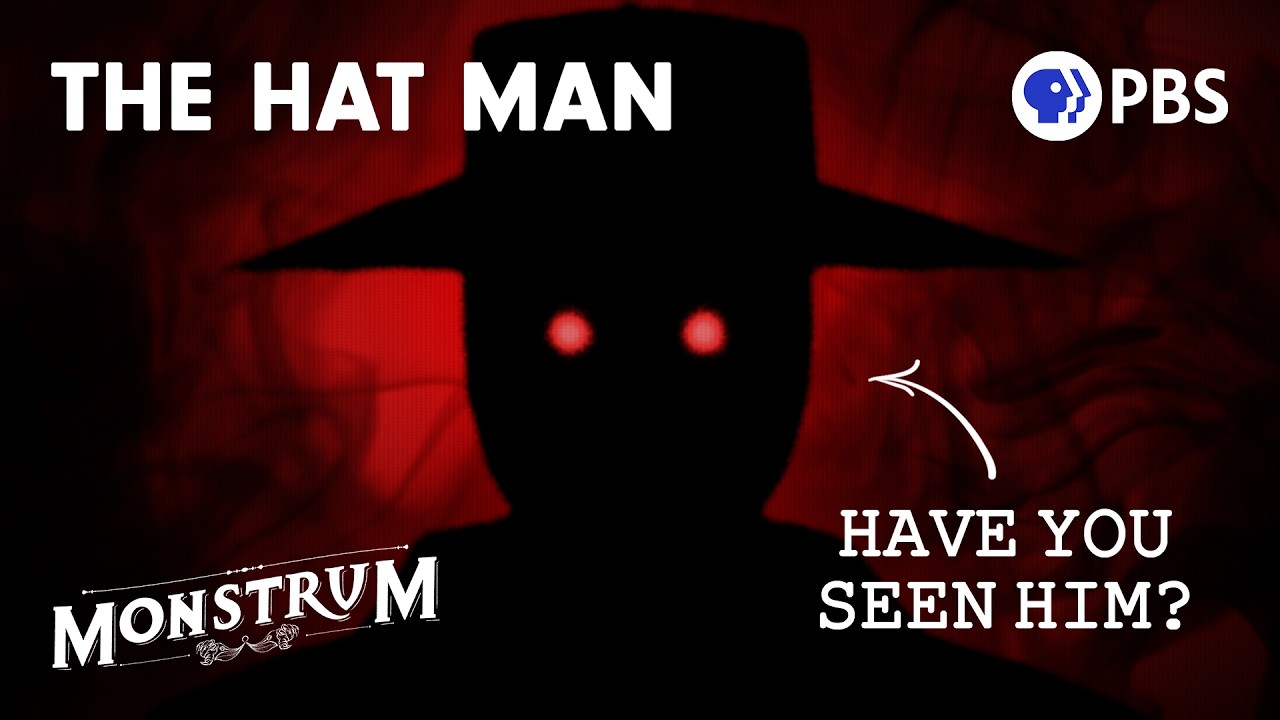
- The Hat Man: The celebrity of the shadow world. He appears as a tall figure wearing a fedora or wide-brimmed hat and a trench coat. Unlike others, he often stays put, observing you with intense curiosity. In recent years, he’s gone viral on TikTok, with thousands sharing eerily similar sketches.
- The Hooded Figure: Resembling a monk or a grim reaper without the scythe. These figures often radiate pure rage and are sometimes reported during intense emotional turmoil.
- The Hag (or The Crawler): This one is pure nightmare fuel. A smaller, goblin-like entity that sits on your chest, compressing your lungs. This specific entity is deeply tied to the history of sleep paralysis (the “Old Hag” syndrome).
The Science: Why Your Brain Creates Monsters
Before you call an exorcist, let’s look at the biology. In 2025, neuroscientists have a pretty solid grasp on why these encounters happen, and it usually boils down to a “glitch” in your sleep cycle.
Sleep Paralysis: The Body’s Safety Lock
The most common culprit is sleep paralysis. When you enter REM sleep (dreaming mode), your brain paralyzes your muscles so you don’t act out your dreams and punch your partner. Sometimes, your brain wakes up before your body does.
You are conscious, but you are trapped.
This state causes the amygdala (the brain’s fear center) to go into overdrive. Sensing a threat (paralysis) but seeing no attacker, your brain invents one. It projects your dream imagery into the waking world. Suddenly, that pile of laundry on the chair becomes a demon.
Pareidolia: The Pattern Seeker
Ever stared at a cloud and saw a bunny? That’s pareidolia your brain’s obsession with finding faces in random patterns.
In low light, your peripheral vision is unreliable. Your brain hates ambiguity, so when it sees a shadow in the corner, it takes a shortcut. “Is that a coat rack? Better assume it’s a predator just to be safe.” Evolutionarily, it was better for our ancestors to mistake a bush for a tiger than a tiger for a bush. Today, that survival instinct just gives us anxiety.
The “Right Hemisphere” Theory
Recent studies suggest that the right hemisphere of the brain, which handles spatial awareness and “sense of presence,” can misfire during these states. If this region gets confused, it can create the sensation of a “shadowy double” or an intruder lurking behind you.
The Folklore: A Tale as Old as Time
Science explains the mechanism, but it doesn’t explain the consistency. Why do a tech bro in San Francisco and a farmer in rural India see the same Hat Man?
Cultural historians point out that shadow people have been haunting us for millennia, just under different names.
- The Jinn (Islamic Belief): In Islamic theology, Jinn are sentient beings made of “smokeless fire.” They exist in a parallel dimension and can choose to be visible or invisible to humans. Many shadow people encounters mirror the descriptions of Jinn, particularly the “watcher” types.
- Nalusa Falaya (Choctaw Legend): The Choctaw people of North America speak of the Nalusa Falaya (“Long Black Being”). It’s a tall, spindly shadow that slithers on its stomach or stands in the deep woods, capable of bewitching people.
- The Mara (Scandinavian Folklore): The word “nightmare” comes from the Mara, a cursed spirit that would ride on people’s chests while they slept, causing suffocation.
This cross-cultural consistency suggests that whether it’s a spirit or a neurological archetype, the experience is a fundamental part of being human.

Why Is This Trending?
If it feels like everyone is talking about this lately, you aren’t wrong.
- Sleep Deprivation Epidemic: We are a tired generation. High stress, blue light exposure, and “doomscrolling” disrupt REM cycles, making sleep paralysis more frequent.
- The “Benadryl Challenge” Fallout: A dangerous social media trend involving high doses of diphenhydramine (Benadryl) famously triggers hallucinations of the Hat Man. This has introduced the figure to a massive, younger audience, creating a feedback loop of expectation. (Note: Do not attempt this. It is extremely dangerous.)
- Collective Anxiety: Paranormal sightings often spike during times of global uncertainty. The shadow person is the ultimate manifestation of the “unknown” threat.
How to Deal with Shadow People
ok, so you are seeing them. What do you do?
The Practical Approach (Science-First)
- Fix Your Sleep Hygiene: The most effective banishing spell is a solid 8 hours. Stick to a schedule and cut caffeine after 2 PM.
- Don’t Sleep on Your Back: Studies show sleep paralysis is significantly more common when sleeping in the supine position. Roll over to your side.
- Wiggle a Toe: If you wake up paralyzed, focus all your mental energy on moving one small body part, like a toe or finger. This often breaks the paralysis loop.
The Spiritual Approach (For the Believers)
- Cleanse Your Space: Whether you use sage, prayer, or just a good decluttering, the intention of claiming your space matters.
- Stay Calm: Shadow entities reportedly feed on fear. If you see one, try to project confidence. Tell it to leave. Laugh at it. The moment you remove the fear response, the hallucination (or entity) often dissolves.
Conclusion
So, are Shadow People real?
If you ask a neurologist, they are a fascinating byproduct of a tired brain misfiring. If you ask a shaman, they are interdimensional parasites. But to the person lying frozen in the dark at 3 AM, the distinction doesn’t matter. The fear is real.
Whether they are ghosts or glitches, the advice remains the same: Take care of your mind, protect your sleep, and maybe just maybedon’t leave your coat hanging on the door where it looks exactly like a 6-foot tall man in a hat.
Have you ever encountered the Hat Man or a Shadow Person? Drop your story in the comments below we want to hear the details!

