

The Amityville Horror House (112 Ocean Avenue) Full History & What’s Up Now
A guy murders his whole family, Another family moves in, Demons, slime, flying pigs, they flee in 28 days, But what actually happened at 112 (now 108) Ocean Avenue in Amityville, New York?
Quick Facts About 112 / 108 Ocean Avenue
- Location: Canal-side Dutch Colonial in Amityville, Long Island, New York
- Built: 1920s (often cited as 1925–1927)
- Original infamous address: 112 Ocean Avenue (later changed to 108 to shake tourists)
- Mass murder: November 13, 1974 six members of the DeFeo family shot dead in their beds.
- Killer: 23-year-old Ronald “Butch” DeFeo Jr., convicted of six counts of second-degree murder and sentenced to 25-years-to-life on each count
- Infamous haunting family: George and Kathy Lutz + three kids, who moved in December 1975 and left after 28 days.
- Book: The Amityville Horror by Jay Anson, published 1977, marketed as a “true story”.
- Last known sale: 2017, sold for about $605,000, now a private residence at 108 Ocean Avenue.
The Night of the DeFeo Murders, What We Actually Know
Let’s start with the part that isn’t up for debate: six people died in that house.

The killings
- In the early hours of November 13, 1974, DeFeo used a .35-caliber Marlin rifle to shoot his parents and four siblings while they slept. All were found face-down in their beds.
- Victims were:
- Ronald Sr. (43)
- Louise (43)
- Dawn (18)
- Allison (13)
- Marc (12)
- John (9 / 7, reported differently in some sources)
- Later reporting notes he claimed he’d drugged his family with barbiturates at dinner, then shot them as they slept, although toxicology evidence has been debated.
After the murders, he showered, changed, dumped the gun and bloody clothes, went to work, and tried to act normal. That night, he burst into a local bar yelling that his parents had been shot, leading friends and police back to the house.
The investigation and trial

At first, DeFeo blamed a mob hitman. Police quickly found that story full of holes. The next day, he confessed, saying:
“Once I started, I just couldn’t stop. It went so fast.”
During his trial in October 1975, his lawyer William Weber went with an insanity defense, arguing that DeFeo heard voices and was out of his mind. Prosecutors agreed he used LSD and heroin but insisted he still knew what he was doing. A psychiatrist for the state diagnosed antisocial personality disorder instead of psychosis.
On November 21, 1975, a jury convicted him of six counts of second-degree murder. He got 25-years-to-life on each count and died in prison in 2021.
DeFeo’s changing stories
Here’s where things already start to feel “Amityville-ish.”
Over the years, DeFeo:
- claimed a hitman did it, claimed he was driven by “voices”, later alleged his sister Dawn helped kill some family members and he only killed her (no solid evidence supports that)
Skeptical investigators and court summaries point out that he changed his story repeatedly, making late-stage claims hard to trust.
Bottom line? The crime is real, The motive and exact sequence are still messy.

Enter the Lutz Family, 28 Days of “Hell”
One year after the killings, the house went back on the market.
Why they bought the house
- In December 1975, George and Kathy Lutz bought the DeFeo home for about $80–85k, a bargain at the time for a big waterfront property.
- They knew about the murders. The real-estate agent even told them where the bodies had been found. They moved in anyway, hoping the low price made it worth the baggage.
Soon after moving in, they said things got very weird. Their reported experiences became the core of Jay Anson’s book.

What the Lutzes claimed
According to interviews and Anson’s 1977 book, the Lutz family reported:
- sudden cold spots and swarms of flies
- greenish slime oozing down walls and out of keyholes
- foul smells with no obvious source
- doors and windows opening or slamming on their own
- a pig-like entity with glowing eyes (Jodie) staring through windows
- levitating beds, demonic voices, and unseen forces grabbing them
- a local priest allegedly hearing “Get out!” in a harsh voice while blessing the home
They fled the house on January 14, 1976, leaving furniture and many belongings behind. Their total stay: 28 days.
Sounds cinematic as hell, which is probably why it became cinema.
Book, Movie & Money
From taped sessions to a bestseller
- The Lutzes reportedly recorded around 40–45 hours of tapes describing their experiences.
- Writer Jay Anson turned these into The Amityville Horror, published in 1977 and marketed as a “true story.” The book sold millions of copies and helped define the “true haunting” genre.
Then came Hollywood.
- The 1979 film adaptation The Amityville Horror was a huge financial success and spawned a franchise of 40+ films and spin-offs by the 2020s.
- A 2005 remake amped up the violence and demonic imagery. George Lutz called it “drivel” and sued for defamation, objecting to scenes of his character building coffins and killing the family dog.
So the Lutz story didn’t just live; it paid. For multiple people.
Lawsuits, “Wine Nights,” and the Hoax Question
Here’s where we really dig deeper.
Lutz vs. Weber – the lawsuit that exposed cracks
In May 1977, George and Kathy Lutz filed a lawsuit against:
- William Weber (DeFeo’s defense lawyer)
- writer Paul Hoffman
- clairvoyants Bernard Burton and Frederick Mars
- plus several media outlets
They claimed invasion of privacy, misuse of their names, and emotional distress.
During this legal fight, a key detail surfaced:
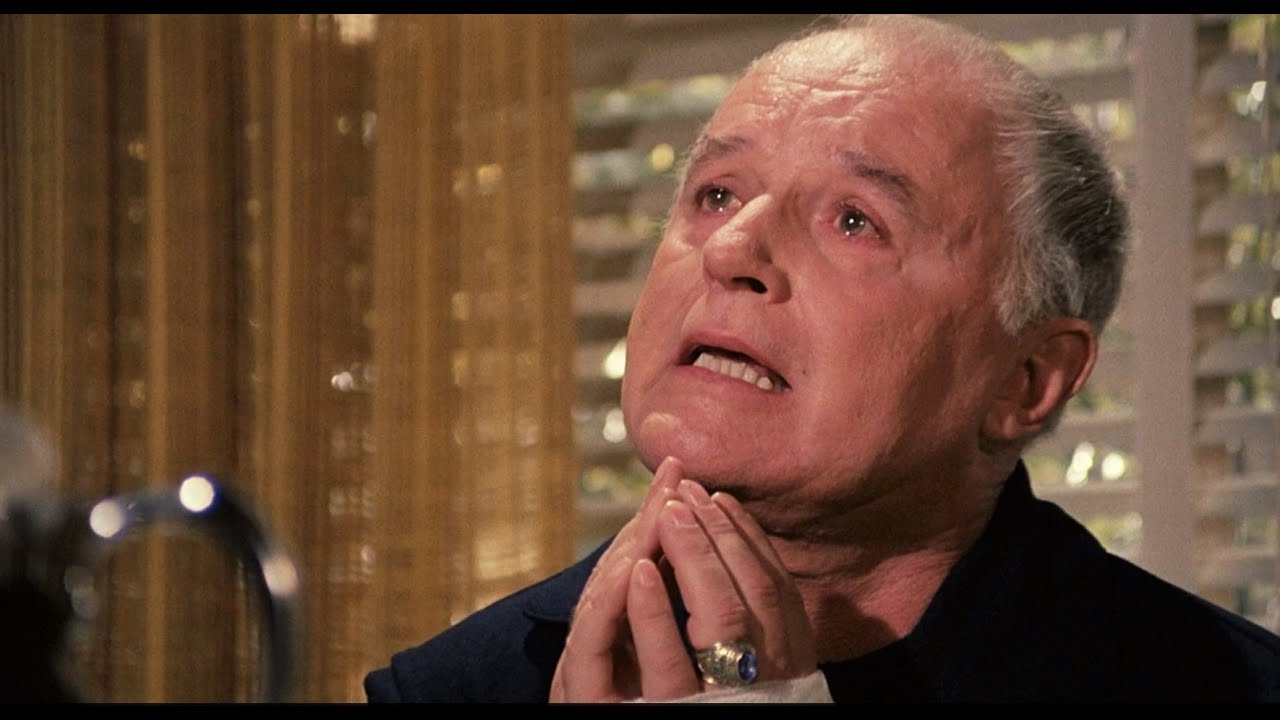
- In a September 17, 1979 People magazine story, Weber said: “I know this book is a hoax. We created this horror story over many bottles of wine.”
He described a brainstorming session at his office with the Lutzes: they swapped murder-case details and strange feelings, and spun them into what became the backbone of the book.
Federal Judge Jack Weinstein later dismissed the Lutzes’ claims and basically called the book largely fiction, heavily influenced by Weber’s suggestions.
That’s a huge blow to the “100% true haunting” angle.
Who called it a hoax?
Over the years, a long list of skeptics, journalists, and even people involved in the story have questioned or flat-out rejected the haunting:

- William Weber: repeatedly said the story was a hoax built “over many bottles of wine” for money.
- Stephen Kaplan, a parapsychologist, investigated inconsistencies and later published The Amityville Horror Conspiracy, arguing the case was essentially a media-driven fraud.
- Skeptical authors Robert E. Bartholomew and Joe Nickell called it “The Amityville Hoax” and analyzed why the myth survives decades later.
- Snopes and LiveScience both categorize the haunting story as an admitted or demonstrated hoax, emphasizing the lack of hard evidence.
Does that mean every strange thing the Lutzes felt was fake? Not necessarily, but the polished, movie ready version? Very likely embellished or constructed.
What About the Warrens and the “Ghost Boy” Photo?
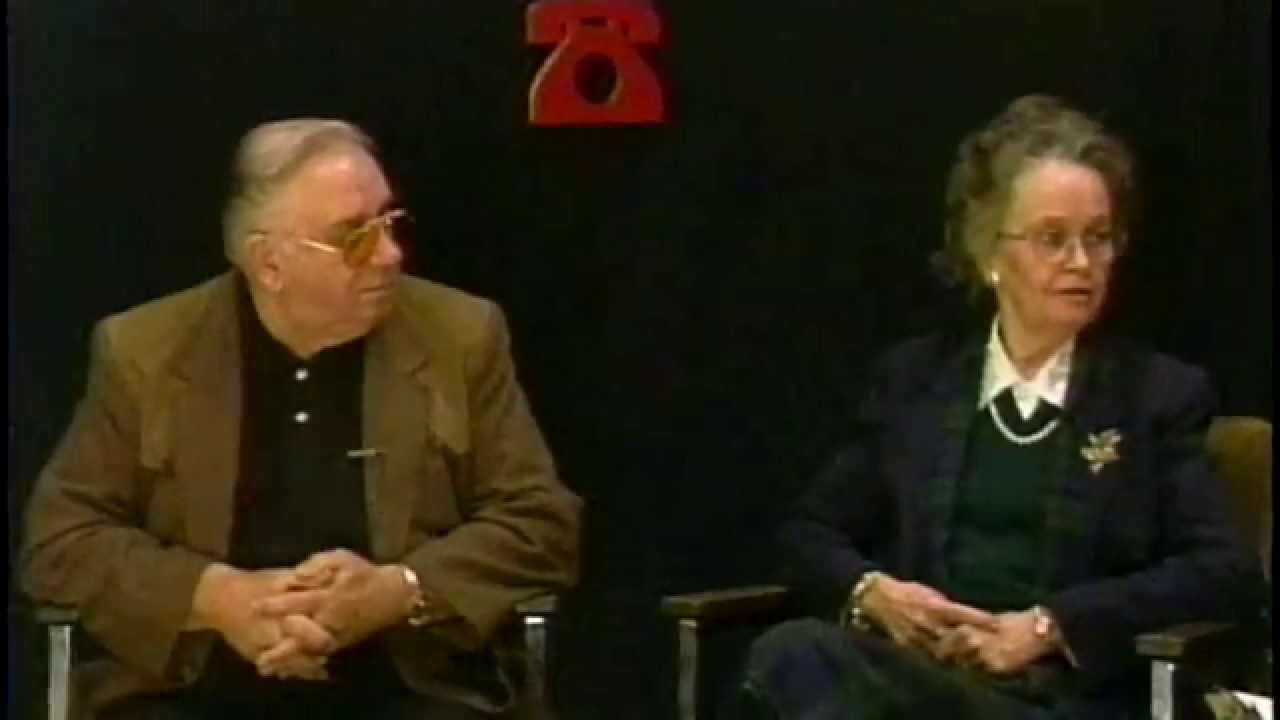
You can’t talk Amityville without someone bringing up Ed and Lorraine Warren, the famous paranormal investigators who also inspired The Conjuring films.
The Warren investigation
The Warrens visited the house in 1976 with a TV crew and other investigators. They held séances, claimed demonic forces were there, and later used Amityville as one of their cornerstone cases.
Skeptics who reviewed the Warrens’ cases (including Amityville) concluded that their “evidence” consistently failed scientific standards and often involved storytelling, not verifiable data.
The “ghost boy” photo

This is the famous black-and-white shot of what looks like a little boy with glowing white eyes peeking from a doorway on the second floor.
- It was taken on infrared film during that 1976 investigation with an automatic camera.
- Many fans say it’s the ghost of John DeFeo.
- However, multiple analyses point out that it looks almost exactly like Paul Bartz, an investigator who was present that night. The glowing eyes could be from infrared reflection.
So even the most “iconic” piece of Amityville ghost evidence has a very normal explanation.
Later Owners: “Nothing Weird Ever Happened”
If the house is truly cursed, you’d expect a 50-year trail of mayhem, right?
That… didn’t happen.
The Cromartys (1977–1987)
- Jim and Barbara Cromarty bought the house in 1977. Within months, the book came out and their lives turned into a circus of tourists, pranksters, and gawkers.
- Because of constant harassment, they eventually changed the house number from 112 to 108.
- Jim Cromarty later told Newsday: “Nothing weird ever happened, except for people coming by because of the book and the movie.”
The O’Neils / Moynahans and later owners
- In 1987, Peter and Jeanne O’Neil bought the property and replaced the iconic “evil eye” quarter-round windows with regular square ones, further softening the house’s creepy image.
- Jeanne told reporters she loved living there and called it a beautiful home, not a haunted one.
- The house changed hands again and was eventually sold in 2010 and 2017, with no owners reporting anything paranormal.
So the “haunting” seems tied to exactly one family and one very marketable moment in time.
Myth vs Reality – Side by Side
The core claims
| Lutz / pop-culture claim | What evidence says |
|---|---|
| House is actively haunted by demonic forces | No independent evidence from later owners, police, or investigators. Most paranormal claims come only from the Lutzes and their collaborators. |
| Green slime oozed from the walls | Not documented by neighbors, police, or later residents; often cited as classic horror embellishment. |
| Windows and doors were constantly ripped from hinges by unseen forces | Physical damage described in the book doesn’t match photos or reports taken soon after they left. |
| House sits on cursed Native American burial ground | Local historians and Native groups say there’s no solid evidence for such a burial site at the property. |
| Photographic proof of ghosts (ghost boy) | Strong alternative explanation: a living investigator (Paul Bartz) caught on infrared film. |
| House continues to torment all who live there | Decades of later owners say the only nightmare is dealing with fans and media. |
Why This Story Refuses to Die
If the haunting is mostly storytelling, why is the Amityville house still a big deal?
1. It began with real horror
Six people genuinely died there. That gives the story a grim anchor that pure ghost fiction doesn’t have. Real tragedy sticks.
2. It hit at the perfect time
The book came out in the late 1970s, around the same era as The Exorcist and a wave of occult-themed horror. The public was primed for “true” demonic stories.
3. It got Hollywood behind it
Once a story gets a massive movie and then a franchise, it stops being just a case, it becomes a brand. That brand then feeds back into how people remember the original events.
4. We like haunted houses
Psychologists and cultural historians point out that people are drawn to haunted-house stories because they:
- give shape to vague fears
- turn random tragedy into a narrative with villains (demons) and heroes (priests, investigators)
- let us flirt with danger from a safe distance
Scholars like Bartholomew and Nickell argue that Amityville survives because it taps into those deep “folk horror” instincts, not because of strong evidence.

Is the Amityville House Dangerous Today?
Short answer: Only if you trespass.
From a reality-check point of view:
- The house is a normal private home at 108 Ocean Avenue. You can’t tour it. It isn’t a museum, and the current owners keep a low profile.
- Real danger comes from people ignoring property rights, causing damage, or harassing residents, which has been a long-standing problem for whoever lives there.
From a “vibes” perspective?
If you’re sensitive to tragedy, just knowing what happened there might be enough to make the place feel heavy. That’s human psychology, not necessarily the supernatural.
Where’s the Line Between Story and Exploitation?
One thing that gets lost between green slime and demon pigs is this: six real people were murdered.
Over decades, the focus shifted from the DeFeo victims to demons, cursed land, and various spin-offs. Critics, including skeptics and some journalists, argue that:
- the families’ pain was repackaged as entertainment
- the community of Amityville has had to live under a global horror-brand spotlight
- false “Indian burial ground” narratives feed into lazy stereotypes about Native history and spirituality.
So when we talk about Amityville, it’s worth asking:
- Are we remembering the victimsor just the special effects?
- Are we chasing “true ghost stories” while ignoring the real horror of domestic violence and untreated mental illness?
It’s not about canceling horror. It’s about seeing the full picture.
Haunted House or Haunted Story?
Putting all the pieces together:
- Fact: The DeFeo murders happened. Six people died in that house.
- Fact: The Lutz family lived there for 28 days, then left suddenly.
- Fact: Their story became a bestselling book and a massive film franchise.
- Fact: Their own lawyer later called the book a hoax and said they built the story together “over many bottles of wine.”
- Fact: Multiple later owners over decades reported no paranormal activity.
Taken as a whole, the weight of evidence points here:
The Amityville Horror is best understood as a powerful horror myth built on top of a real family massacre not as solid proof of a demonic haunting.
Is it still fascinating? Obviously.
Is it a warning about how easily tragedy can be turned into a product? Also yes.
So what do you think?
- Would you treat 108 Ocean Avenue as just another house or as somewhere you’d never sleep a night in?
- Do you lean more toward “hoax for profit” or “maybe something weird happened there”?

