

The Disappearance of the Beaumont Children: The Cold Case Explained
- The Event: On January 26, 1966, three young siblings — Jane, Arnna, and Grant Beaumont — vanished from a popular South Australian beach.
- The Sightings: Multiple witnesses saw the children playing freely with a tall, blonde man. They later purchased snacks using a £1 note their mother never gave them.
- The Cultural Impact: This single event permanently ended the era of “free-range” childhood in Australia, reshaping how parents supervised their kids forever.
- Recent Breakthroughs: A 2025 factory excavation yielded no remains, but in early 2026, investigators named a convicted sex offender who was reportedly inside the family’s home the morning the children disappeared.
The Day Australia Lost Its Innocence
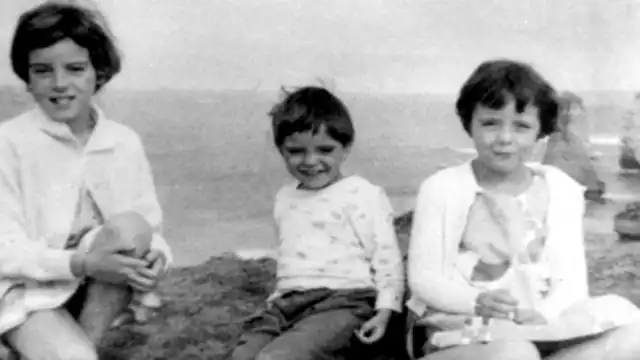
Imagine a time when kids left the house at sunrise and didn’t come back until the streetlights flickered on. Back in the 1960s, locking your front door felt almost paranoid. Parents trusted their communities implicitly.
That blind trust evaporated on January 26, 1966.
It was Australia Day. A scorching summer heatwave baked the coastal city of Adelaide. Three vibrant siblings decided to beat the heat with a quick trip to the ocean. They packed their towels, grabbed some loose change, and walked out of their Somerton Park home.
Nobody knew it would be the last time they were ever seen.
The disappearance of the Beaumont children remains the most notorious cold case in Australian history. How do three healthy kids vanish into thin air from a crowded public beach? Sixty years later, police, armchair detectives, and heartbroken locals are still grasping at straws.
A Routine Bus Ride to Glenelg Beach
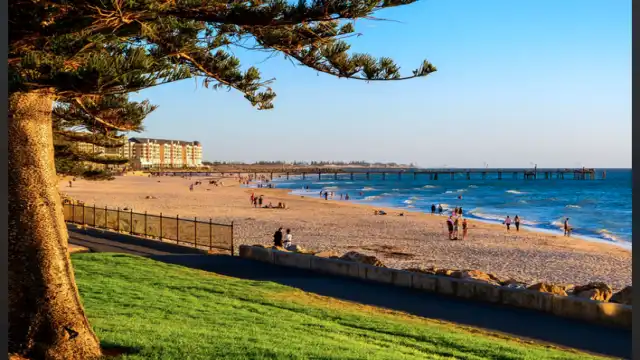
Jim and Nancy Beaumont lived a quiet, ordinary life on Harding Street. Jane, the oldest at nine years old, was a remarkably responsible girl. She regularly kept a watchful eye on seven-year-old Arnna and four-year-old Grant.
On that Wednesday morning, Jim dropped the kids near the beach before leaving for a three-day sales trip to Snowtown. The children absolutely loved the water. They asked their mom if they could take the bus back to the coast later that morning. Nancy agreed. She handed them exactly six shillings and sixpence — just enough for bus fare and some meat pies for lunch.
They boarded the 8:45 AM bus for the three-kilometer ride. The plan was incredibly simple. Splash in the waves, eat lunch, and catch the noon bus home.
Noon came and went. Nancy felt a tiny twinge of anxiety but assumed they had just missed their ride. She waited patiently for the 2:00 PM bus. When the doors opened and her children didn’t step off, sheer panic set in.
Jim arrived home early from his trip around 3:00 PM. He immediately drove down to the crowded beach to look for them. He scoured the sand, checking the esplanade and local shops. Nothing.

By nightfall, the police were involved. Within 24 hours, the entire nation was searching for Jane, Arnna, and Grant.
The Tall Blonde Man
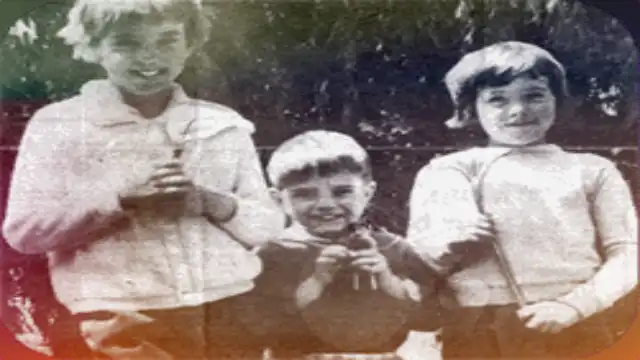
Investigators quickly pieced together a chilling timeline. The children did make it to the beach. Several witnesses clearly remembered seeing them playing near Colley Reserve.
But they weren’t alone.
Onlookers noticed the trio splashing in the sprinklers with a tall, thin man in his mid-thirties. He had fair hair, a sun-tanned face, and an athletic build. The kids seemed entirely relaxed around him. They laughed. They played.
This specific detail haunted Nancy. Jane was notoriously shy. She would never run up to a total stranger. Police theorized the man had spent time grooming the kids during previous beach trips. Suddenly, a random comment Arnna made days earlier took on a sinister new meaning.
“Jane’s got a boyfriend down the beach.”
Nancy originally thought her daughter meant a harmless schoolmate. She brushed it off. Now, those words echoed like a nightmare.
The suspect was remarkably bold. At one point, he even approached a witness to ask if anyone had been near his clothes, claiming his money was missing. Around 12:15 PM, the children left the beach area walking alongside him.
Later, a worker at Wenzel’s Bakery on Moseley Street reported serving Jane. She bought pasties and a meat pie using a £1 note. This purchase threw a massive wrench into the investigation. Jane never bought meat pies. Furthermore, Nancy only gave them coins.
Someone else handed them that paper money.

By 3:00 PM, a local woman named Daphne Gregory spotted the kids walking away with the tall blonde man. He was carrying a bag that perfectly matched Jane’s. After that fleeting sighting? Absolute silence.
Decades of False Hope
The subsequent search effort was entirely unprecedented. Police cadets combed the coastal dunes. Everyday citizens waded through underground drainage pipes. Psychics flew in from Europe to offer their visions. The South Australian government eventually offered a massive reward for information.
Where did they go?
Over the decades, investigators dragged countless suspects into the interrogation room. None of the charges ever stuck.
- Harry Phipps: A wealthy local businessman dubbed the “Satin Man.” He lived dangerously close to the beach and physically matched the sketch of the blonde man. Years later, his own son claimed he saw three children hiding in their yard that day.
- Bevan Spencer von Einem: A convicted killer tied to the infamous “Family Murders” in Adelaide. While he aggressively preyed on young people, tying him directly to the Beaumonts proved scientifically impossible.
- Derek Percy: Often called Australia’s most notorious child killer. He was reportedly in the area around the time of the disappearance. He died in prison without ever confessing to this specific crime.
Cruel pranksters also tormented the grieving family. In 1968, the parents received a letter allegedly written by Jane. It instructed Jim to meet them at a post office in Dandenong, Victoria. Jim drove hundreds of miles, stood alone in the street, and waited desperately. Nobody showed up. A teenager later confessed to writing the sick hoax.
Updates: Are We Getting Closer?

You might think a 60-year-old cold case is completely dead in the water. Think again. True crime investigators and dedicated journalists adamantly refuse to let this go.
In recent years, attention zeroed in on the New Castalloy factory in North Plympton. Two brothers came forward claiming that as teenagers, they were paid to dig a “grave-like hole” at the site just three days after the children vanished.
Police excavated the area in 2013 and 2018 but came up empty-handed. In early 2025, authorities conducted a third and final dig before the government-owned land was redeveloped into housing. They uncovered a bizarre section of cement-stabilized sand. Hopes instantly skyrocketed.
Tragically, experts determined the material was added after 1966. Not a single human bone was found.
Just when the trail seemed ice-cold again, a massive bombshell dropped in January 2026. Investigative journalist Bryan Littlely publicly revealed a forgotten suspect: Bill Cotton.

Cotton was a convicted sex offender who actually had a relationship with Nancy Beaumont. According to reports published in The Nightly, Cotton was inside the Beaumont home the very morning the kids disappeared. Official police reports showed a bizarre glitch in the timeline — a missing hour and twenty minutes between when the kids supposedly left the house and when they caught the bus.
Did Cotton intercept them? He knew the children intimately. He knew their exact routine. He even had a previous 1953 conviction for gross indecency at a Glenelg toilet block.
Furthermore, a piece of bone suspected to belong to a child was handed over to South Australian police by Littlely’s team. Authorities are currently testing the specimen for DNA, though its condition has complicated the delicate forensic process.
Could this finally be the missing puzzle piece?
The Tragic Legacy of Jim and Nancy Beaumont
It is physically impossible to comprehend the grief Jim and Nancy carried. Their marriage eventually fractured under the unbearable weight of the unknown. They separated, choosing to live out their remaining days completely out of the public eye.
Nancy Beaumont passed away in a nursing home in September 2019 at the age of 92. Jim followed her in April 2023, dying at the age of 97. Neither parent ever found out what happened to their babies.
Today, the Beaumont children disappearance serves as a dark dividing line in Australian culture. According to RMIT criminologist Dr. Brianna Chesser, this specific crime fundamentally reshaped the nation. Today, roughly 25,000 missing child reports are filed annually in Australia, with the vast majority resolved within 24 hours. But back in 1966, the system was wildly unprepared.
Before that sweltering January day, kids were free to roam the world. After that day, parents locked their doors and held their children’s hands a little tighter. The innocence of an entire nation washed away in the Glenelg surf.
Keep the Conversation Going
Cold cases are ultimately solved by regular people who refuse to forget the victims. What do you think happened on that fateful afternoon? Was it a stranger stalking the beach, or someone hiding in plain sight inside their own home?
Drop your theories in the comments below, share this article with your favorite true-crime community, and help keep Jane, Arnna, and Grant’s memory alive.

