

Have you ever tried to push a painful memory entirely out of your mind? Did it actually work? Most likely, the painful thought just came back much stronger. Unsurprisingly, this psychological reality is the exact premise of The Babadook. Released in 2014, Jennifer Kent’s psychological horror masterpiece completely redefined the modern scary movie. However, the film isn’t just about a creepy guy wearing a top hat. Instead, it explores something significantly darker. Specifically, the movie dives deep into grief, maternal depression, and the inescapable weight of unresolved trauma.
If you just watched it for the first time, you might be scratching your head. Why didn’t the main character kill the monster at the end? Furthermore, why on earth is she happily feeding it earthworms in her gloomy basement? Don’t worry. Today, we are going to break down absolutely everything. Let’s explore the complex ending, the hidden psychological symbolism, and the brilliant meaning behind Mister Babadook.
The Core Plot: A Mother on the Absolute Brink

Before we analyze the heavy metaphors, we must understand the literal story. The Babadook follows Amelia, a severely exhausted, widowed single mother. Tragically, her husband Oskar died in a brutal car crash. This horrifying accident happened on the exact day she gave birth to their son, Samuel. Consequently, Samuel’s birthday serves as a constant, agonizing reminder of her deepest loss. Now, seven years later, Amelia is utterly burnt out.
She barely sleeps. She works a draining job at a nursing home. Meanwhile, Samuel exhibits extreme behavioral issues, building dangerous homemade weapons to fight imaginary monsters. Unquestionably, they are an isolated, broken family.
One random night, a mysterious, blood-red pop-up book magically appears on Samuel’s bedroom shelf. Naturally, the chilling book is titled Mister Babadook. As they read it together, the haunting rhymes unleash a supernatural entity into their home. At first, Amelia assumes Samuel is just acting out to get attention. However, bizarre things quickly begin to escalate. Doors slam on their own. Glass shards appear in their food. Furthermore, a terrifying voice echoes through the telephone.
The more Amelia denies the monster’s existence, the stronger the entity becomes. Ultimately, the creature possesses Amelia entirely. It forces her to confront her darkest, most violent urges against her own child.
What Does the Babadook Actually Symbolize?

What is the true nature of this terrifying shadow-man? Simply put, the monster is a physical manifestation of Amelia’s unhealed grief. Moreover, it perfectly symbolizes severe, untreated clinical depression.
The Heavy Reality of Maternal Depression
For seven long years, Amelia has aggressively suppressed her trauma. She outright refuses to talk about her dead husband. In fact, she won’t even let her son mention Oskar’s name or celebrate his actual birthday. Therefore, her unaddressed psychological pain violently festers.
According to global health data from the World Health Organization (WHO), an estimated 280 million people worldwide currently suffer from depression. Additionally, over 10% of women experience severe depression during pregnancy or the postpartum period. Amelia beautifully, yet tragically, embodies these staggering statistics. She is a woman drowning in sorrow without a life raft.
The famous pop-up book contains a chilling rhyme: “If it’s in a word, or it’s in a look, you can’t get rid of the Babadook.” Interestingly, this perfectly describes the relentless nature of mental illness. You cannot simply ignore massive trauma. When you push negative emotions down, they inherently mutate. As a result, your suppressed sadness turns into a monster that silently consumes your entire life.
The Jungian Shadow Self
Beyond basic grief, the film leans heavily into Jungian psychology. Have you ever heard of the “Shadow Self”? Renowned psychologist Carl Jung believed that every human being possesses a dark side. Usually, we hide our unacceptable thoughts, our rage, and our deep resentment far away in our subconscious. Consequently, this hidden, unsavory side forms our psychological “Shadow.”
Amelia is a deeply resentful mother. Deep down, she secretly blames young Samuel for her husband’s tragic death. If she hadn’t gone into labor, Oskar would never have crashed the car. However, polite society strictly dictates that mothers must be perfectly loving at all times. Thus, Amelia violently buries her resentment. Unfortunately, you cannot bury your Shadow forever.
The Babadook represents her repressed rage breaking free. When the dark monster finally possesses her, she screams unspeakable, hateful truths at her terrified son. It is incredibly horrifying to watch. Yet, it remains a profoundly realistic depiction of severe caretaker burnout.
Visualizing Mental Illness
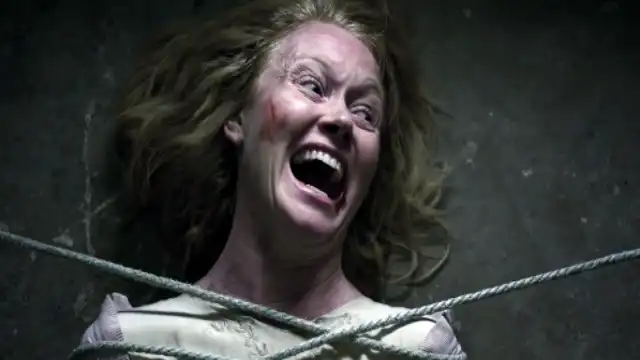
Movies often struggle to depict what mental illness actually feels like inside someone’s head. Thankfully, Jennifer Kent uses brilliant visual storytelling to show Amelia’s agonizing descent.
Notice the colors in the film. Initially, Amelia’s house is painted in cold, suffocating shades of gray and dark blue. There is practically no warmth or sunshine in her world. Furthermore, the film uses brilliant sound design to highlight her sensory overload. The ticking of a clock, the screeching of Samuel’s voice, and the grinding of teeth all sound overwhelmingly loud. As a result, the audience feels exactly how overstimulated and exhausted Amelia is.
Additionally, we see Amelia suffering from chronic insomnia. She physically decays on screen. Her hair becomes greasy, her eyes grow heavy bags, and her posture totally slumps. Often, depression isn’t just sadness; it is overwhelming physical fatigue. The Babadook feeds entirely on this exhaustion. Therefore, as Amelia’s mental health dramatically plummets, the monster physically grows larger and more dominant.
The Meaning of the Book

Let’s talk about the scariest prop in modern cinema history. The Mister Babadook pop-up book is an absolute masterpiece of horror design. But why did it appear in their house?
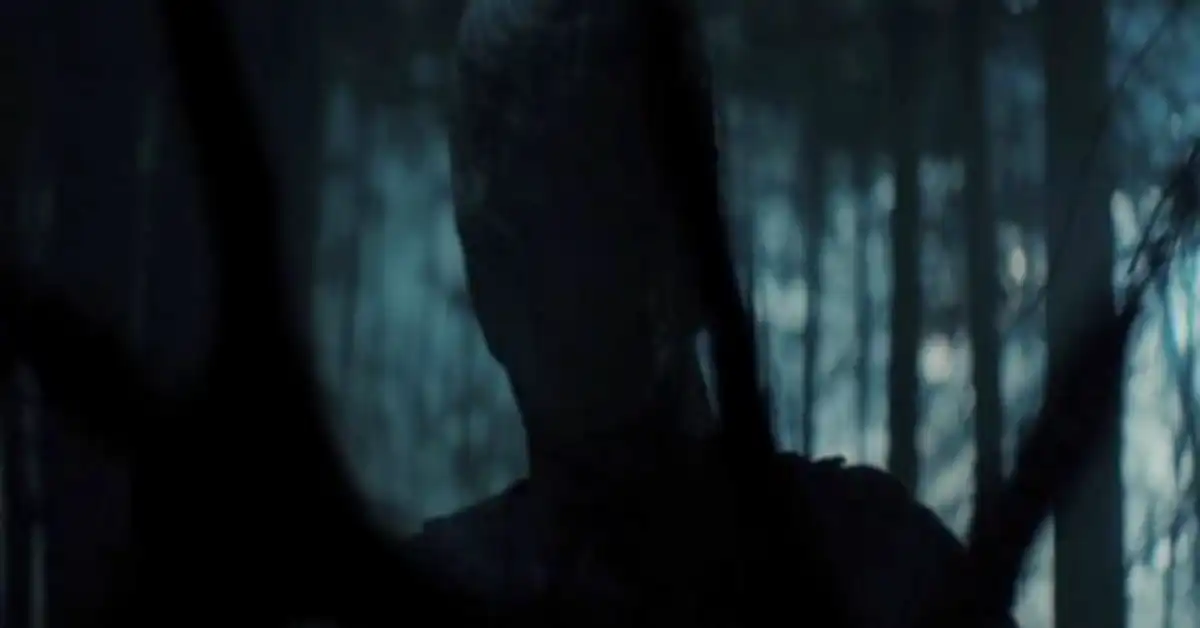
The book is an intervention from Amelia’s own fractured subconscious. Because she refuses to speak her truth aloud, her mind creates a tangible object to force the issue. The book boldly states, “Let me in.” It demands to be seen. In a desperate panic, Amelia violently rips the book to shreds and throws it in the outdoor trash bin.
Unsurprisingly, the book returns to her front doorstep the very next day. However, it is now meticulously taped back together. Furthermore, the story has evolved. The new pages explicitly show Amelia murdering her dog, strangling her son, and ultimately slitting her own throat.
This sequence highlights a crucial psychological truth. You cannot destroy a mental health crisis by just throwing it away. Running from your problems only makes the inevitable crash far worse. Indeed, by refusing to acknowledge her need for help, Amelia almost guarantees a tragic, violent outcome for her family.
The Ending Explained: The Basement and the Worms

Now, we must address the film’s highly polarizing ending. After a brutal, exhausting climax, Amelia finally snaps out of her demonic possession. Bravely, she defends her bleeding son and directly confronts the towering Babadook. She screams at the shadowy beast, demanding it leave her house immediately. Defeated and shrinking, the monster retreats. It violently throws itself down into the dark, gloomy basement.
Fast forward to a few weeks later. The house suddenly looks entirely different. Sunlight pours through the windows. Mother and son are finally smiling, celebrating Samuel’s birthday together. Then, Amelia quietly takes a glass bowl of squirming earthworms down to the basement. The monster shrieks angrily from the pitch-black shadows. Calmly, she places the worms on the floor, feeds the creature, and peacefully walks back upstairs.
Wait, what just happened? Did she essentially keep the demon as a household pet?
Confrontation vs. Eradication
Actually, this is the single most brilliant metaphorical choice in the entire movie. You see, you absolutely cannot kill the Babadook. Why? Because you cannot permanently kill grief.
Trauma does not just pack its bags and leave your brain forever. There is no magical cure for the loss of a spouse. Instead, you have to actively learn how to live alongside your pain. By forcing the monster into the basement, Amelia finally acknowledges her trauma. She aggressively sets boundaries with it. She no longer ignores the entity, but she also refuses to let it control her living room.

The Earthworms Explained
Why is she feeding it worms? In nature, earthworms are closely associated with dirt, graves, and the cycle of death. By feeding the Babadook, she allows her profound grief to exist naturally. She visits the basement on her own terms, giving her sadness the small amount of space it requires. Consequently, the monster completely loses its catastrophic power over her. It shrinks down into something she can safely manage.
This dynamic is exactly how successful therapy works. Healing is never about pretending the past didn’t happen. Rather, it is about integrating your immense pain into your present life without letting it dictate your future. The basement clearly represents her subconscious mind. The monster is contained safely away. She deeply respects its presence, but it no longer runs her daily life.
The Real-Life Takeaway: Living Alongside Your Demons
The Babadook stands as a monumental achievement because it fundamentally respects the viewer’s intelligence. It proves that the absolute scariest monsters do not hide under our beds. Instead, they hide quietly inside our own heads.
By blending terrifying supernatural elements with stark, grounded psychological realism, Jennifer Kent created a timeless allegory. The film teaches a beautiful, albeit harsh, life lesson. Facing our inner demons is the only viable way to survive them. You cannot outrun your shadow. You cannot throw away your grief. However, if you are brave enough to look your trauma dead in the eye, you can definitely take your power back.
Ultimately, we all have a Babadook living inside our metaphorical basements. The key to a happy life is simply remembering to lock the door, while occasionally slipping it a few worms to keep it quiet.
Frequently Asked Questions (FAQ)
1. Was the Babadook actually real, or was it all in her head?
This is the beauty of the movie; it functions perfectly as both. Literally, the Babadook is a supernatural entity haunting a house. Metaphorically, it is entirely a representation of Amelia’s severe postpartum depression and complicated grief. The director leaves it slightly ambiguous, but the psychological interpretation holds the most thematic weight.
2. Why did Amelia kill the dog?
During her possession, Amelia acts out her deepest, darkest frustrations. The dog represents unconditional love and innocence, two things her depressed mind aggressively rejects. Killing the family pet signifies her complete loss of control and her total surrender to the “Shadow Self.”
3. What is the significance of the magic tricks?
Samuel loves doing magic tricks throughout the film. Magic is all about misdirection—making people look at one thing while hiding another. This perfectly mirrors how Amelia tries to hide her immense grief behind a fake, strained smile. Eventually, the illusion breaks.
Did this breakdown completely change how you view The Babadook? Or do you still think it’s just a super creepy monster movie? We want to hear your thoughts! Drop a comment below with your own personal theories. Furthermore, don’t forget to share this article with that one friend who is still utterly confused by the ending!

