

Have you ever sworn something was an absolute, unquestionable fact, only to discover you were entirely wrong? Obviously, making a simple mistake happens to everyone occasionally. However, what if thousands or even millions of strangers shared that exact same fake memory? Welcome to the incredibly weird world of the Mandela Effect.
Basically, this bizarre phenomenon makes you question your own sanity. Furthermore, it highlights exactly how easily our minds can be manipulated. In fact, you probably have a few of these fabricated memories locked in your brain right now. Therefore, we are going to break down what this concept actually is. Next, we will look at some wild, undeniably famous examples. Finally, we will explore the actual psychology behind why your brain constantly lies to you. Let’s dive down the rabbit hole.
What Exactly Is the Mandela Effect?

Let us define the term clearly. Specifically, the Mandela Effect refers to a psychological situation where a massive group of people consistently misremember a historical event, a phrase, or a pop culture image.
Paranormal researcher and author Fiona Broome actually coined the phrase back in 2009. At the time, she discovered she vividly remembered former South African President Nelson Mandela dying in a prison facility during the 1980s. She even recalled watching television coverage of his funeral. Moreover, she remembered a heartfelt speech given by his widow.
Meanwhile, in reality, Mandela did not die in prison. Instid, he was released in 1990. Afterward, he served as the President of South Africa and lived until 2013. Surprisingly, Broome was not alone in her massive error. In fact, countless other people across the internet shared her exact, highly detailed memory. Consequently, a massive internet sensation was born.
Naturally, some folks instantly blamed parallel universes. Others genuinely believed the space time timeline had been mysteriously altered. Ultimately, cognitive psychologists stepped in to ruin the sci-fi fun with actual science. Undeniably, human memory is just incredibly flawed.
10 Famous Mandela Effect Examples That Will Break Your Brain
Naturally, you might think you are completely immune to this mental glitch. Let us test that theory right now. Here are ten of the most common collective false memories shared by millions of people worldwide.
1. The Berenstain Bears
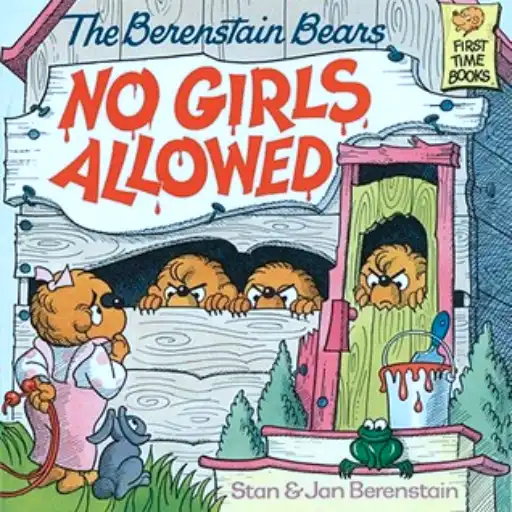
Do you remember reading those wholesome children’s books about a family of woodland bears? Most likely, you recall checking them out from a school book fair under the name Berenstein Bears. However, go grab an old copy from your parents’ attic. Surprisingly, the cover clearly says Berenstain.
Because “stein” is a much more common name ending (think Einstein or Frankenstein), our brains simply autocorrected the spelling. Regardless of the evidence, many 90s kids still angrily refuse to accept this truth. In reality, the authors were simply named Stan and Jan Berenstain.
2. Star Wars: “Luke, I am your father”
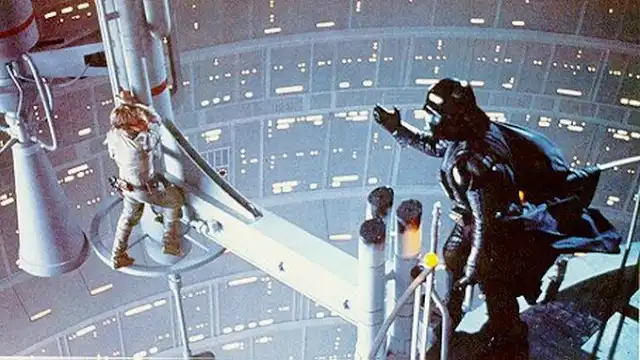
Unquestionably, this is the most famously quoted movie line in cinematic history. Furthermore, you have probably said it yourself while breathing heavily into a desk fan. Yet, Darth Vader never actually utters those specific words.
Instead, during the dramatic climax of The Empire Strikes Back, he explicitly says: “No, I am your father.” Obviously, adding the name “Luke” gives the quote necessary context when spoken out loud by fans. Therefore, pop culture collectively changed the script over time to make it easier to reference.
3. The Fruit of the Loom Cornucopia
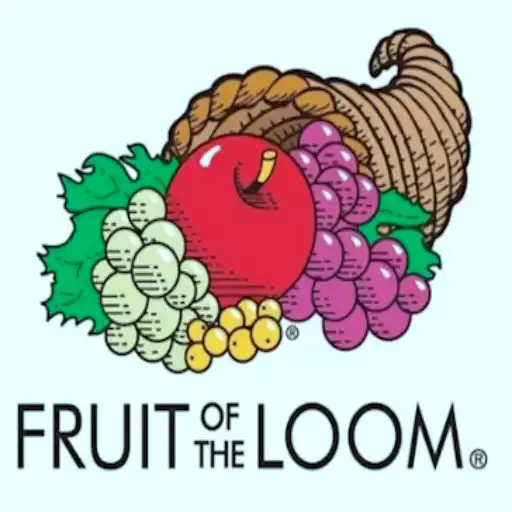
Picture the classic tag on a fresh Fruit of the Loom t-shirt. Without a doubt, you envision a vibrant pile of fruit sitting inside a brown, woven horn shaped basket called a cornucopia. Right? Wrong.
In reality, that corporate logo has never included a cornucopia. Ever. Interestingly enough, countless people vividly remember asking their elementary school teachers what that weird basket was called. Still, it never existed on the clothing tag. Instead, it was always just a plain pile of fruit.
4. The Monopoly Man’s Missing Monocle
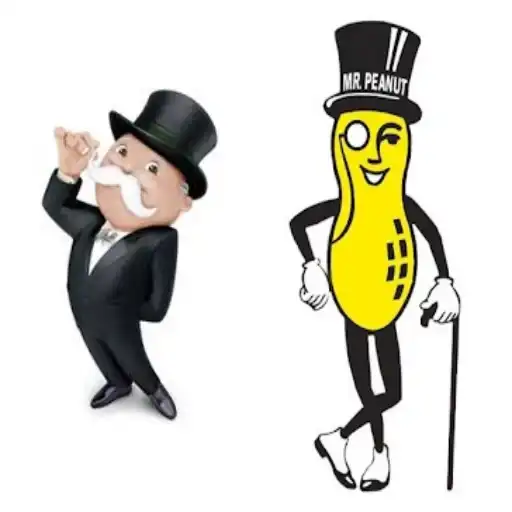
Think about Rich Uncle Pennybags from the famous Monopoly board game. Specifically, picture his smiling, wealthy face. Does he wear a monocle over his eye? Consequently, if you said yes, you have been thoroughly tricked.
In fact, the famous mascot has never worn a glass eye piece. Psychologists suggest we commonly confuse him with Mr. Peanut, who famously rocks a top hat and a monocle. Alternatively, our brains just naturally assume a rich 1930s capitalist obviously needs a monocle to complete his outfit.
5. Pikachu’s Tail Tip
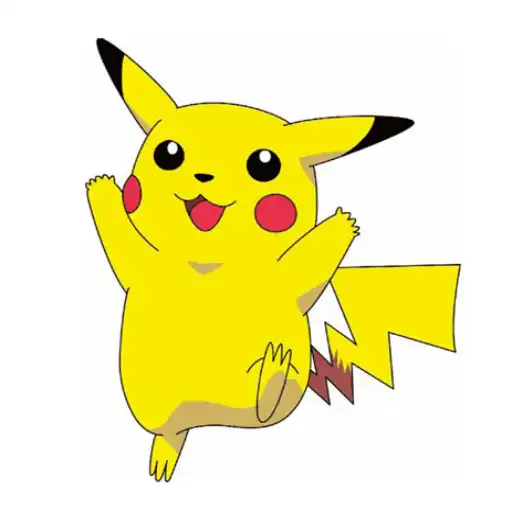
As the electric mascot of the Pokémon franchise, Pikachu is globally recognized. Furthermore, almost everyone pictures this cute yellow monster with a black tipped tail.
Conversely, his tail is entirely solid yellow. Only the very base of his tail features brown markings. Yet, fan art, bootleg toys, and Halloween costumes consistently include the black tip. Thus, the false image spreads further across the internet, cementing the fake detail in our minds.
6. “Mirror, Mirror on the Wall”
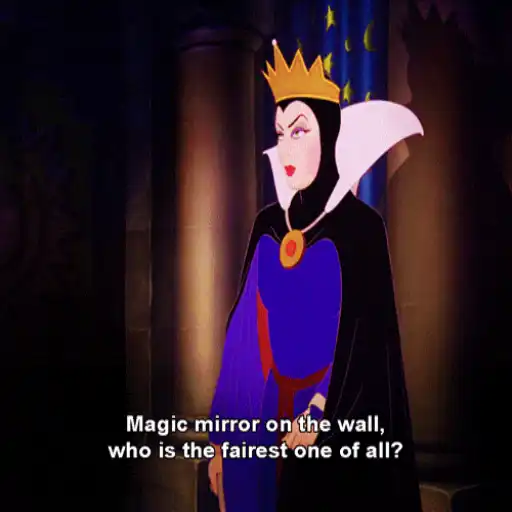
Who is the fairest of them all? Naturally, you know this classic Disney line from the animated movie Snow White and the Seven Dwarfs. However, the scary Evil Queen never actually says it.
Instead, she explicitly commands: “Magic mirror on the wall.” Because the repeating phrase “mirror, mirror” sounds much catchier, society completely abandoned the actual script. Consequently, even modern fairy tale adaptations use the wrong quote.
7. Curious George’s Missing Tail
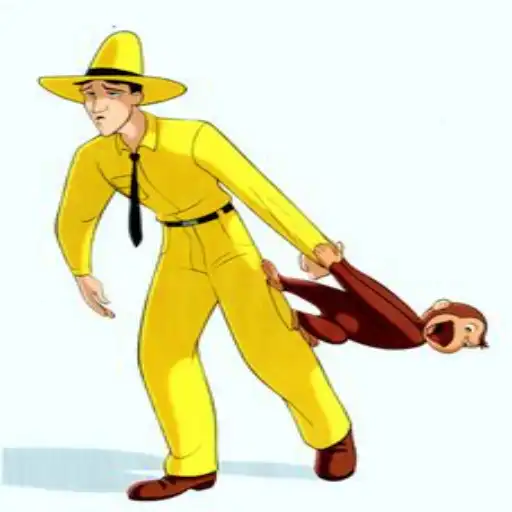
Picture that mischievous little cartoon monkey jumping around with the Man in the Yellow Hat. Specifically, does he use his tail to swing from the tall green trees? Strangely enough, Curious George does not have a tail at all.
Technically speaking, he is actually drawn as an ape. Regardless, millions of grown adults swear they vividly remember him swinging by a long, curly brown tail in the original picture books. Ultimately, our brains just assume all monkeys have tails.
8. Looney Tunes (Not Toons)
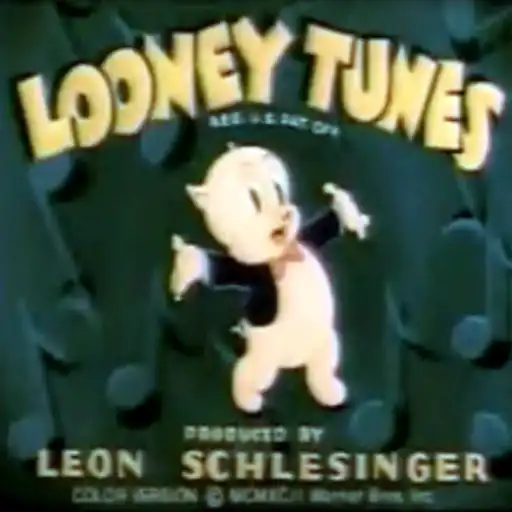
Obviously, Bugs Bunny, Daffy Duck, and Porky Pig are cartoon characters. Therefore, their classic television show must be spelled Looney Toons, right? Unfortunately, that logic is completely incorrect.
The actual title has always been spelled Looney Tunes. Originally, Warner Bros. created the animated show to directly compete with Disney’s musical Silly Symphonies series. Hence, the musical spelling of “Tunes.” Nevertheless, because they are cartoons, our minds rewrite the historical spelling.
9. The KitKat Dash
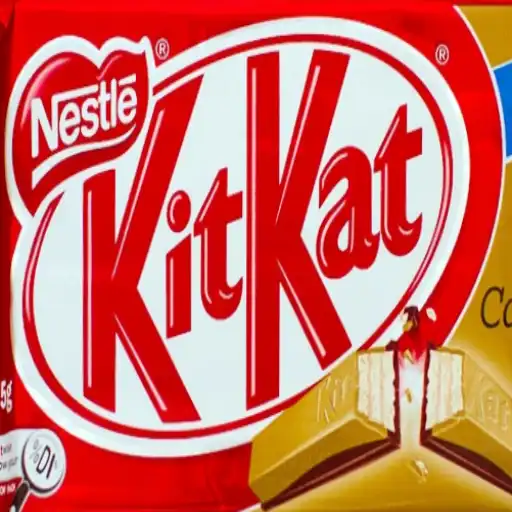
Take a quick break and picture a delicious KitKat candy wrapper. Specifically, is there a small hyphen placed between the two words? Many people clearly visualize the logo as “Kit-Kat.”
In reality, there is absolutely no dash on the packaging. The letters simply sit right next to each other. Somehow, our highly efficient brains insert the punctuation anyway to separate the repeating sounds.
10. The Laughing Cow Nose Ring
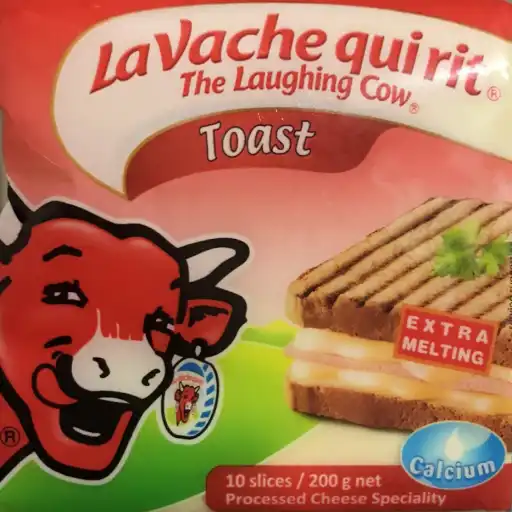
Think about the mascot for Laughing Cow cheese. Generally, you probably picture a red cow wearing small cheese boxes as earrings. Additionally, many people distinctly remember her wearing a large, gold ring through her nose.
However, she has never had a nose ring. Our brains simply associate cartoon bulls and cows with heavy metal nose rings. Consequently, we mentally paste one onto her face without even realizing it.
Why Do We Misremember?
Alright, so we have firmly established that human beings are absolutely terrible at remembering things accurately. But why does this happen? Is our mental hardware malfunctioning? Let us dive into the fascinating, peer reviewed science behind memory glitches.
Confabulation and “Honest Lying”
According to detailed research published by the National Institutes of Health (NIH), a psychological concept called confabulation explains much of this weirdness. Basically, confabulation is best described as honest lying.
When your brain forgets a minor detail, it absolutely hates leaving a blank, empty space. Therefore, it automatically fills the mental gap with fabricated, made up information. Importantly, you have absolutely zero intention to deceive anyone. You are not lying on purpose. Consequently, you believe your newly generated memory is entirely accurate and real.
Schema Theory and Brain Shortcuts
Furthermore, cognitive experts frequently point to schema theory. A recent 2022 study conducted by researchers at the University of Chicago deeply explored the visual Mandela Effect. Essentially, their research proved that our brains rely heavily on existing mental frameworks, known as schemas, to process incoming information quickly.
For example, your brain already knows that stereotypical, ultra wealthy men from the 1930s wore monocles. Therefore, when you try to recall the Monopoly Man from memory, your brain takes a massive cognitive shortcut. It simply slaps a monocle onto his cartoon face because it fits your mental expectations perfectly. Ultimately, your mind greatly prefers speed and efficiency over strict, factual accuracy.
The Misinformation Effect
Additionally, human memory is surprisingly suggestible. In clinical psychology, a false memory occurs when someone recalls an event completely differently than how it actually happened. Famed cognitive pioneer Elizabeth Loftus has spent decades proving a terrifying fact. Specifically, she showed that memories can be easily altered simply by giving someone misleading post event information.
Likewise, we constantly suffer from source monitoring errors. Basically, this fancy term means you completely forget where you learned a specific piece of information. Perhaps you saw a funny television parody of Star Wars where a comedic character said, “Luke, I am your father.” Later, you forget the parody part entirely. Instead, you mistakenly assign that fake quote directly to the original theatrical film.
Cognitive Dissonance
When confronted with hard proof that their memory is wrong, many people experience intense mental discomfort. Naturally, this psychological stress is called cognitive dissonance.
Because admitting our brains are flawed is scary, people invent wild excuses. Instead of accepting that “Berenstain” is spelled with an “A,” folks literally argue that our entire solar system shifted into a parallel universe. Indeed, the human ego would rather break the laws of physics than admit a minor spelling mistake.
Is the Internet Making It Worse?
Unquestionably, yes. Before the digital age, if you misremembered the spelling of a cartoon bear’s name, you simply kept it to yourself. Now, you can instantly log online and find thousands of people who share your exact cognitive mistake.
Specifically, social media platforms create massive, reinforcing echo chambers. When an influencer posts a viral video asking, “Does anyone else remember Curious George having a tail?”, they successfully plant a psychological seed. Consequently, suggestion immediately takes over. Viewers read the comments, see hundreds of others agreeing, and suddenly adopt the false memory themselves. Thus, a simple, harmless cognitive error transforms into a massive social contagion.
Moreover, Generative Artificial Intelligence is currently complicating things even further. Generally, AI models frequently train on user generated internet data. Therefore, if a million confused people incorrectly write “Berenstein,” the AI might quietly adopt that wrong spelling. Eventually, AI generated articles, artwork, and chatbot answers will constantly reinforce these fake details. Ultimately, this makes the original historical truth even harder to track down.
How to Tell if Your Memory Is Playing Tricks on You
So, can you ever truly trust your own brain? Mostly, yes. However, you should always remain mildly skeptical of your distant childhood recollections. Here are a few reliable ways to spot a false memory before it trips you up:
- Check authoritative sources: Never rely solely on a random Reddit thread. Always verify facts using primary sources, historical archives, or verified databases.
- Look for physical evidence: Did you dig up a physical VHS tape or an old, dusty paperback book? Hard, physical evidence always beats mental recall.
- Question your extreme confidence: Interestingly, people who heavily experience the Mandela Effect are usually incredibly stubborn about their fake memories. If you feel absolute, unshakeable certainty about a trivial pop culture detail, take a massive step back.
- Understand your own suggestibility: Realize that simply being asked a leading question can drastically alter your internal memory of an event.
Wrapping It Up
Ultimately, the Mandela Effect is not hidden proof of time travel. Furthermore, we are definitely not living in a glitchy, futuristic computer simulation. Instead, this bizarre phenomenon simply proves that human memory is incredibly reconstructive.
Your brain is definitely not a digital video camera recording perfect, flawless footage. Rather, it is an incredibly creative storyteller constantly piecing together tiny fragments of the past. Sometimes, it gets the historical story perfectly right. Other times, it randomly adds a giant cornucopia to a pile of fruit just to make the image look nicer. Consequently, we all end up completely confused.
What do you think?
Did any of these crazy examples absolutely shatter your reality? Specifically, which false memory blew your mind the most today? Drop a comment below right now and share your favorite Mandela Effect experience. Also, do not forget to share this article with a friend to test their memory!

