

Exploring the history of World Consumer Rights Day, the 2026 theme, and how consumerism influences modern culture.
Have you ever bought a gadget online, only to receive a cheap knockoff that broke within minutes? Yeah, we’ve all been there. Frankly, it is incredibly frustrating. Nobody likes wasting their hard earned cash on shady products. Consequently, knowing your basic shopping rights is absolutely vital. World Consumer Rights Day exists precisely for this reason. Every year on March 15, consumer groups worldwide join forces. They highlight unfair practices, demand better safety standards, and remind businesses to play fair.
In fact, this annual event is not just another random holiday. Ultimately, it serves as a powerful global movement. Whether you are a parent buying baby toys or a tech geek pre ordering the latest smartphone, these rules protect you. Therefore, let’s break down the history, the brand new 2026 theme, and why this day actually impacts your wallet.
What is World Consumer Rights Day?
Simply put, World Consumer Rights Day is a global awareness campaign. Obviously, buying things should be safe and straightforward. However, corporations sometimes cut corners. Because of this, consumers end up with dangerous goods, hidden fees, or terrible customer service.
To counter these issues, consumer advocacy groups use March 15 to speak up. Essentially, the day pushes for basic rights like safety, transparency, and fairness in the marketplace. Furthermore, it shines a spotlight on major global issues. For example, previous years tackled heavy topics like plastic pollution and fair digital finance. Ultimately, the goal is to make sure nobody gets ripped off.
The Fascinating History Behind March 15

Why March 15? Interestingly, the answer dates back over six decades. Let’s take a quick history lesson.
Back on March 15, 1962, U.S. President John F. Kennedy sent a special message to the United States Congress. Specifically, he became the first world leader to formally outline the basic rights of consumers. Did he know he was starting a global revolution? Probably not. Yet, his words laid the exact groundwork for modern buyer protection.
During that famous speech, Kennedy defined four core rights:
- The Right to Safety
- The Right to be Informed
- The Right to Choose
- The Right to be Heard
Later on, a group called Consumers International decided to honor this historic moment. As a result, they organized the very first World Consumer Rights Day in 1983. Since then, the movement has exploded. Nowadays, the United Nations officially recognizes these core principles within their UN Guidelines for Consumer Protection.

The 2026 Theme: “Safe Products, Confident Consumers”
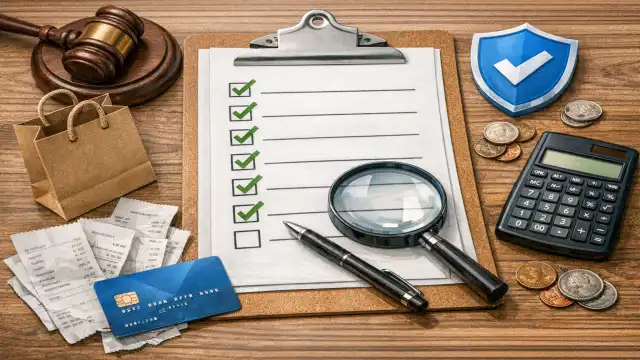
Every year features a unique theme to tackle a modern problem. This year, the spotlight is incredibly relevant. For 2026, Consumers International announced the theme: “Safe Products, Confident Consumers”.
Why this specific focus? Well, let’s face the facts. The massive rise of digital marketplaces has created a major headache for product safety. Currently, buying items from across the globe takes just one tap on a screen. While convenient, this borderless shopping comes with severe risks.
The Digital Era’s Product Safety Nightmare
Are you aware of what you are actually buying through social media ads? Unfortunately, many online shoppers are unknowingly purchasing hazards. According to a recent review by the Organisation for Economic Co-operation and Development (OECD), a staggering 87% of recalled or banned products are still available for purchase online.
Read that again. Eighty seven percent.
That means nearly nine out of ten dangerous items like explosive phone chargers or toxic children’s toys are still floating around digital shopping carts. Consequently, the 2026 theme demands immediate action. Consumer groups are heavily pushing governments and tech platforms to step up their game.
Furthermore, physical goods aren’t the only concern here. The 2026 campaign also strictly targets food safety and data privacy. For instance, contaminated packaged foods remain a huge issue globally. Similarly, poorly secured smart home devices routinely expose buyers to digital data breaches. Therefore, “Safe Products” means physical safety, health security, and digital privacy combined.
The 8 Basic Consumer Rights You Need to Know
Over the years, Kennedy’s original four rights expanded significantly. Currently, international bodies recognize eight fundamental consumer rights. Knowing these gives you serious leverage when dealing with stubborn customer service reps.
- The Right to Safety: Products shouldn’t harm you. Period. Whether it’s a car with faulty brakes or a cosmetic cream causing burns, you are entitled to physical protection.
- The Right to be Informed: Brands must provide accurate information. This means clear ingredient lists, honest pricing, and zero misleading clickbait advertisements.
- The Right to Choose: Monopolies are bad for everyone. You deserve access to a wide variety of products at competitive prices.
- The Right to be Heard: Got a complaint? Companies and government regulators must actively listen to consumer grievances and adjust policies accordingly.
- The Right to Satisfaction of Basic Needs: Everyone should have access to essential, life sustaining goods. This includes adequate food, clean clothing, shelter, healthcare, and education.
- The Right to Redress: If you buy a lemon, you deserve a swift refund, replacement, or repair. You shouldn’t be left holding the bag.
- The Right to Consumer Education: You have the right to acquire the knowledge needed to make highly informed choices. Basically, no one should be kept in the dark about how to shop smart.
- The Right to a Healthy Environment: Businesses shouldn’t destroy the planet to make a quick buck. You possess the right to live and work in an environment that doesn’t threaten your overall well being.
Why Does This Day Actually Matter for You?
“Okay, so there are rules. Why should I care?” you might understandably ask.

Truthfully, we navigate these issues every single day. Let’s look at a few relatable scenarios.
For Parents:
Imagine buying a popular teething ring for your baby. Suddenly, you discover it contains harmful lead paint. If consumer protection laws didn’t exist, the manufacturer could simply shrug it off. Thanks to the Right to Safety and Redress, that company faces massive fines and must recall the item immediately.
For Tech Enthusiasts:
Perhaps you bought a brand new, top tier laptop. Two weeks later, the battery completely dies. The retailer flat out refuses to fix it, falsely claiming “user error.” Because of your Right to Redress, you can legally demand a replacement. World Consumer Rights Day empowers you to fight back against these fly by night warranty dodgers.
For Everyday Shoppers:
Have you ever noticed “shrinkflation”? That is when a company charges the exact same price but quietly gives you less product inside the box. While technically legal if the new weight is printed, deceptive packaging walks a very fine line. Highlighting these sneaky tactics is exactly what consumer advocacy groups do on March 15.
Dodging Scams and Shady Practices
Unfortunately, modern scammers are getting terrifyingly smart. Artificial intelligence makes fake reviews and bogus websites look incredibly real. Therefore, staying highly informed is your absolute best defense. The 2026 push for “Confident Consumers” specifically aims to educate the public on spotting these sophisticated traps. By holding tech platforms accountable, we can slowly clean up the digital marketplace.
How Consumer Rights Change the World
Why does global alignment on these rights matter? First, international trade relies heavily on mutual trust. Imagine buying imported fresh food. You must inherently trust that the foreign manufacturer followed strict health codes. Through international cooperation, governments standardize these critical safety rules.
Consequently, entire industries are forced to evolve. Think about automobile safety. Decades ago, seatbelts weren’t even mandatory. However, consumer advocacy groups fiercely lobbied for the Right to Safety. As a result, regulations aggressively changed. Today, advanced airbags and collision avoidance systems are standard. Indeed, consumer pressure literally saves human lives.
Businesses Benefit Too
You might assume that consumer rights only benefit the buyer. Surprisingly, that is totally false. Ethical businesses actually thrive when marketplace regulations are strict.
Why? Because fair rules weed out shady competitors. If a sketchy company sells dangerously cheap counterfeit goods, it financially hurts honest businesses. Strict enforcement beautifully levels the playing field. Furthermore, transparency builds incredibly deep brand loyalty. When companies respect the Right to be Informed, buyers trust them far more. Confident consumers are repeat customers. Basically, good ethics directly equal great business.

How to Be a Smart Shopper in 2026
Knowing your legal rights is only half the battle. Actually applying them is where the real magic happens. Here is how you can protect yourself and your wallet today.
- Check for Recalls: Before buying second hand baby gear or electronics, run a quick web search. Websites in your home country usually list hazardous, banned products.
- Read the Fine Print: Yes, it is utterly boring. However, scanning return policies prevents massive headaches later on.
- Audit Your Subscriptions: Often, “dark patterns” trick us into recurring monthly payments. Take ten minutes to review your credit card statements. Cancel absolutely anything you don’t recognize.
- Use Secure Payment Methods: Credit cards consistently offer way better fraud protection than debit cards or direct wire transfers. Always use a secure, encrypted checkout.
- Demand Digital Privacy: Read the privacy prompts on your smartphone carefully. Refuse app tracking unless it is absolutely necessary. Your personal data is your property.
- Speak Up: Did a business treat you unfairly? Leave an honest, detailed review. Report them to your local consumer protection agency. Your voice genuinely matters.
Frequently Asked Questions (FAQs)
When is World Consumer Rights Day?
It is celebrated globally every single year on March 15.
What is the official theme for 2026?
The 2026 theme is “Safe Products, Confident Consumers,” focusing heavily on physical safety, digital security, and reliable online marketplaces.
Who actually started Consumer Rights Day?
Consumers International launched the first event in 1983. They chose March 15 to specifically honor President John F. Kennedy’s groundbreaking 1962 speech on buyer protections.
Bottom Line
Shopping shouldn’t constantly feel like a high stakes gamble. You work incredibly hard for your money. Consequently, you absolutely deserve products that actually work safely and securely.
World Consumer Rights Day is not merely a date on the calendar. Instead, it acts as a much needed global reality check for greedy corporations. The 2026 theme, “Safe Products, Confident Consumers,” perfectly highlights the massive gaps in our current digital supply chains. Remember that crazy OECD statistic? 87% of banned products are still lurking online. That alone forcefully proves we have a very long way to go.
By fully understanding your eight fundamental rights, you transform from a passive buyer into a fiercely empowered consumer. You hold the ultimate power to demand better.
Are you tired of misleading ads and unsafe online products? Start protecting yourself today! Share this article with your friends and family so they know their rights, too. Also, drop a comment below what is the worst shopping rip off you have ever experienced, and how did you handle it? Let’s get the conversation started!

