

The 1916 New Jersey Shark Attacks: The True Story That Inspired Jaws
The year is 1916, when ocean swimming suddenly became America’s favorite holiday pastime. Holiday crowds never expected massive predators lurking near shallow sandy shores.
Long before Steven Spielberg directed the iconic thriller Jaws, a terrifying series of real encounters gripped the coast of New Jersey. Over twelve chaotic days, a mysterious marine creature transformed the peaceful seaside resorts into zones of utter panic. The historical reality of the Jaws True Story: The 1916 Jersey Shore Shark Attacks remains far more complex, fascinating, and chilling than Hollywood cinema.
At a glance
- The Historical Catalyst: A rare combination of an intense summer heatwave and an urban polio outbreak drove record crowds into the ocean.
- The Chronological Toll: Five distinct attacks took place between July 1 and July 12, 1916, resulting in four fatalities.
- The Inland Surprise: Two deaths occurred deep within a narrow freshwater creek, completely upending what scientists believed about predatory marine behavior.
- The Scientific Controversy: Marine biologists still fiercely debate whether a solitary Great White shark or an elusive Bull shark caused the inland tragedy.
Summer of 1916
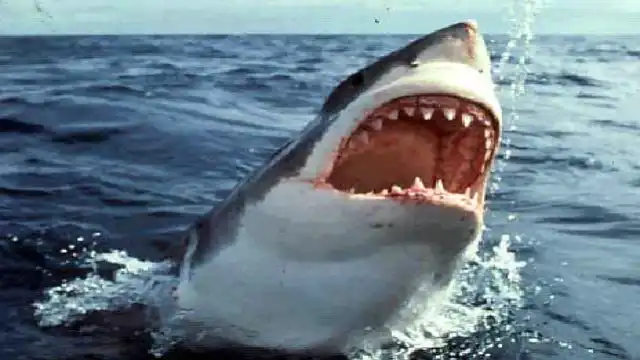
To understand why these events shocked the nation, one must examine life in early twentieth-century America. Cities like New York and Philadelphia were experiencing a devastating epidemic of infantile paralysis, commonly known as polio. Panicked parents fled urban centers to seek safety in clean marine air.
At the exact same time, a record-shattering heatwave made indoor living unbearable. Beach resorts along the New Jersey coastline enjoyed unprecedented financial booms. Tens of thousands of tourists rushed into the surf, completely oblivious to the wildlife sharing those waters.
During this era, scientists widely believed that sharks were entirely harmless to humans. Prominent naturalists insisted that these fish lacked the jaw strength to sever human bone. Newspaper columns regularly assured swimmers that no oceanic predator would deliberately target a large mammal on the surface. That naive confidence dissolved in a single, bloody afternoon.

Twelve Days of Terror: The Attacks Chronology
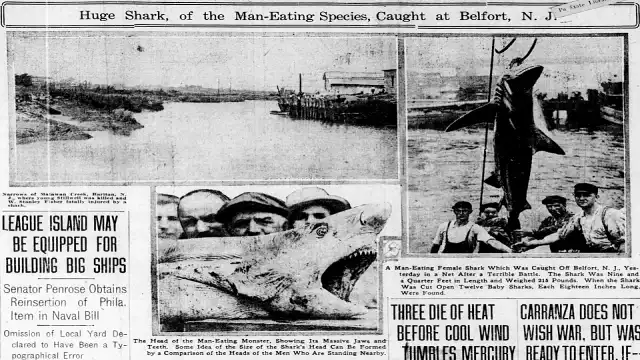
The unfolding disaster progressed northward along the coastline, catching local communities completely off guard.
July 1: Tragedy at Beach Haven
The nightmare began on a quiet Saturday evening at Long Beach Island. Charles Epting Vansant, a twenty-three-year-old vacationer from Philadelphia, decided to take a quick swim before dinner. He jumped into the surf accompanied by a playful companion dog.
Suddenly, high-pitched screams echoed across the water. Onlookers initially assumed Vansant was simply shouting to his pet. Lifeguard Alexander Ott quickly realized a massive dark shape was repeatedly dragging the young man under. Bystanders rushed out to pull the bleeding swimmer to dry sand, noting that the persistent fish followed them directly into the extreme shallows. Vansant succumbed to catastrophic blood loss on a hotel counter hours later.
July 6: The Spring Lake Horror
Despite the tragedy, public officials kept nearby beaches wide open to protect lucrative tourism profits. Five days later, forty-five miles north, a Swiss hotel employee named Charles Bruder swam out beyond the safety markers.
A beachgoer suddenly noticed the water turning a deep crimson color. Bruder was pulled into a wooden rescue boat by lifeguards who were horrified to discover both of his legs were entirely missing. He passed away from shock before the vessel even scraped the shoreline. Panic instantly spread through the coastal hospitality industry.
Jersey Coastline Movement:
[Beach Haven (July 1)] -> 45 Miles North -> [Spring Lake (July 6)] -> 30 Miles North -> [Matawan Creek (July 12)]
The Inland Massacre: Matawan Creek
What happened next defied every rule of known marine biology. The predator abandoned the open ocean, turning into a winding, muddy tidal waterway called Matawan Creek. Located over sixteen miles inland from the ocean, this shallow creek was an incredibly unlikely spot for a maritime disaster.

The townspeople considered the quiet waters a perfectly safe playground for children. On the afternoon of July 12, a group of young boys was splashing near Wyckoff Dock.
- The Apparition: Eleven-year-old Lester Stilwell spotted what looked like an old, weathered black log floating upstream against the incoming tide.
- The Strike: A massive dorsal fin emerged, and the creature dragged the young boy beneath the brown surface before his friends could react.
- The Rescue Attempt: Local businessman Watson Stanley Fisher heard the commotion and dove into the water to recover the child’s body.
- The Second Fatality: Fisher successfully located the boy but was immediately savaged by the same animal in front of horrified townspeople, later dying from blood loss.
- The Final Victim: Less than an hour later, fourteen-year-old Joseph Dunn was bitten while swimming a mile downstream. His friends desperately pulled him away from the predator’s teeth, making him the sole survivor of the entire ordeal.
Public Hysteria and the Political Response
The news from Matawan Creek triggered an unprecedented wave of national terror. Media outlets dispatched reporters to the scene, publishing sensationalized front-page stories detailing the actions of what they labeled a “sea monster.”
Municipalities quickly deployed wire mesh fences around swimming areas to establish safe zones. Armed hunting parties patrolled the riverbanks with shotguns, pitchforks, and dynamite. President Woodrow Wilson even called an emergency cabinet meeting to authorize federal funds aimed at eradicating the local marine threat.
| Victim | Date | Location | Outcome |
| Charles Vansant | July 1, 1916 | Beach Haven | Fatal |
| Charles Bruder | July 6, 1916 | Spring Lake | Fatal |
| Lester Stilwell | July 12, 1916 | Matawan Creek | Fatal |
| Watson Fisher | July 12, 1916 | Matawan Creek | Fatal |
| Joseph Dunn | July 12, 1916 | Matawan Creek | Survived |
The Capture of the Scapegoat
On July 14, two days after the Matawan disasters, a New York taxidermist named Michael Schleisser was fishing in nearby Raritan Bay. His small boat encountered a seven-foot-long juvenile shark that attacked his nets in a frenzy. Schleisser managed to kill the animal using a broken wooden oar.
Upon opening the predator’s stomach, investigators allegedly discovered roughly fifteen pounds of dense organic remains. Scientific experts quickly identified the specimen as a young Great White shark. The public celebrated the news, firmly believing the singular “man-eater” had finally been brought to justice.

Great White vs Bull Shark: The Scientific Mystery
Was the captured Great White truly the sole culprit behind the historical tragedy? Modern marine scientists have thoroughly questioned that simple explanation.
The ultimate point of contention lies in the physical nature of Matawan Creek. Great Whites are highly sensitive oceanic predators that rarely venture into low-salinity environments due to severe biological stress.
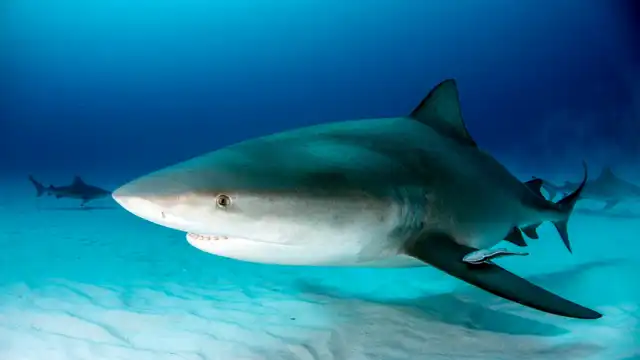
Conversely, the Bull shark possesses highly specialized kidneys capable of regulating salt levels. This adaptation allows them to hunt in completely fresh river waters for extended periods. Could multiple animals have been hunting the coast simultaneously during that strange summer? Many contemporary researchers suspect a Bull shark executed the creek attacks, while Schleisser’s Great White was simply an unfortunate scapegoat caught in the open bay.
The Legacy That Births Modern Fiction
Decades after the panic subsided, an author named Peter Benchley researched these historical transcripts while drafting a novel about a fictional resort community terrorized by an apex predator. That book eventually became Jaws, cementing the shark as a ultimate symbol of cinematic terror.
The 1916 incidents permanently altered how human beings view the wilderness of the open ocean. It shattered our illusions of safety and birthed the modern beach safety protocols we rely on today.
What do you think really happened in that murky New Jersey creek over a century ago? Do you believe a single rogue shark was responsible, or were multiple predators hunting the coast? Share your thoughts in the comments section below, and share this post with your favorite person!

