

2WD vs 4WD in Iceland: Rental Requirements for the Ring Road and F-Roads
Planning an Iceland road trip is thrilling until you hit the rental car booking page. Suddenly, you are staring at dozens of vehicle options and wondering if you will accidentally slide off a glacier in a compact hatchback. Do you really need a massive 4×4? Can a basic 2WD survive the Ring Road?
The vehicle you choose completely dictates your trip. Book a 2WD for the Highlands, and you are breaking the law. Overspend on a huge 4WD for a simple summer coastal drive, and you have burned cash you could have spent on a glacier hike.
Here is the ultimate breakdown of Iceland’s rental requirements. We cover the smooth tarmac of Route 1, the wild gravel of the F-roads, and exactly what kind of car you need to rent based on your itinerary.
At a glance
- Ring Road in Summer: A standard 2WD is completely fine.
- Ring Road in Winter: 4WD or AWD is highly recommended due to rapid weather shifts.
- F-Roads (Highlands): A true 4WD vehicle is legally required. Taking a 2WD here voids your insurance instantly.
- Clearance Matters: Not all 4WDs can handle river crossings. Check your rental agency’s approved F-road list.
- Never Drive Off-Road: Driving off marked paths is illegal across the entire country and carries massive fines.
Do you actually need a 4×4 in iceland?
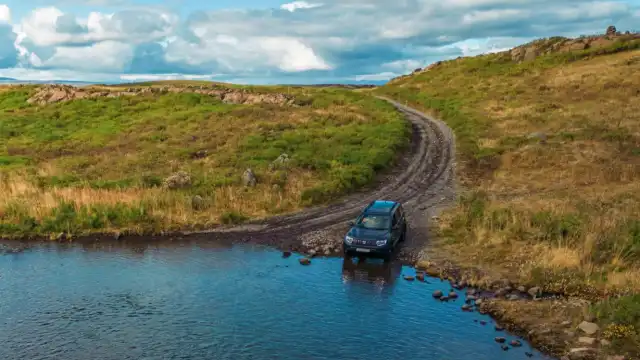
It entirely depends on where you are going and when you are visiting.
For the majority of summer tourists sticking to the classic routes, a regular two-wheel drive vehicle does the job perfectly. The Golden Circle, the South Coast, and the Snæfellsnes Peninsula feature well-maintained roads. You do not need a beast of a truck to visit Skógafoss or park in downtown Reykjavík.
Conditions change fast in the North Atlantic, however. Throw in winter snowstorms, icy patches, or a desire to explore the remote interior Highlands, and a 4×4 instantly upgrades from a luxury to a stark necessity.
Have you ever tried pushing a compact sedan out of a snowbank in sideways freezing rain? Save yourself the headache. If your trip involves winter driving or mountain tracks, you need four-wheel drive.
Cruising the Ring Road (Route 1): 2WD territory
Route 1, famous globally as the Ring Road, circles the entire island. Spanning roughly 1,322 kilometers (822 miles), this iconic highway connects Iceland’s most famous natural wonders.
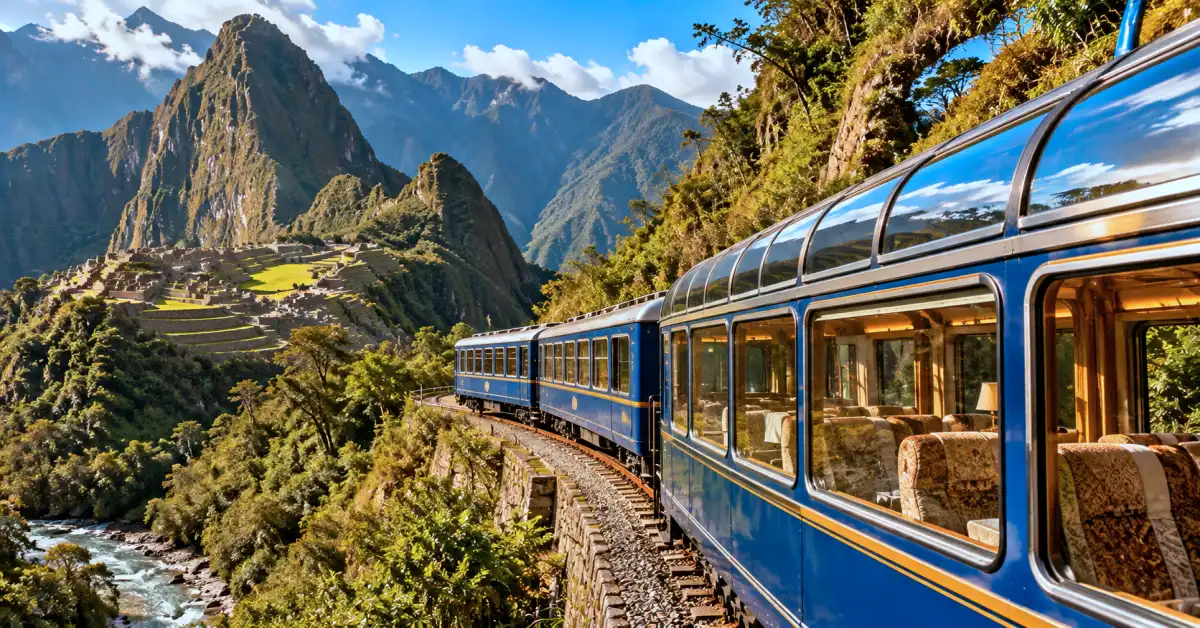
Summer road trips
During the peak summer months (June through August), the Ring Road is a dream. The tarmac is now more than 98% paved. Even the historically tricky gravel stretches in the East Fjords were recently sealed.
Renting a 2WD here makes total sense. Small hatchbacks and compact SUVs get excellent gas mileage, which is crucial since Icelandic fuel prices are notoriously high. They are easy to park in crowded tourist spots. You will save hundreds of dollars on the rental fee alone.
Curious about going electric? Iceland’s EV infrastructure has grown exponentially. Charging stations now dot Route 1, making an electric 2WD a brilliant, eco-friendly option for summer loops. Plan charging stops ahead of time, especially in remote eastern stretches.
Just keep an eye out for “Malbik endar” signs. These indicate that the paved asphalt is ending and transitioning to gravel. Slow down immediately to avoid fishtailing or kicking up rocks into your own windshield.
Winter reality check
Winter travel flips the script completely. Between October and April, the Ring Road remains open, but sections frequently close due to intense blizzards and high winds.
While a 2WD is technically allowed on Route 1 year-round, local experts strongly advise against it during the darker months. Ice, blowing snow, and slippery gradients are standard daily hazards. A 4WD or AWD vehicle provides essential traction. It gives you the confidence to navigate slushy mountain passes without white-knuckling the steering wheel.
Regardless of your drivetrain, all Icelandic rental cars come equipped with winter tires (often studded) during these months. Still, checking Road.is for real-time closures before starting your engine each morning is non-negotiable.
Tackling the F-Roads: Where 4WD is the Law
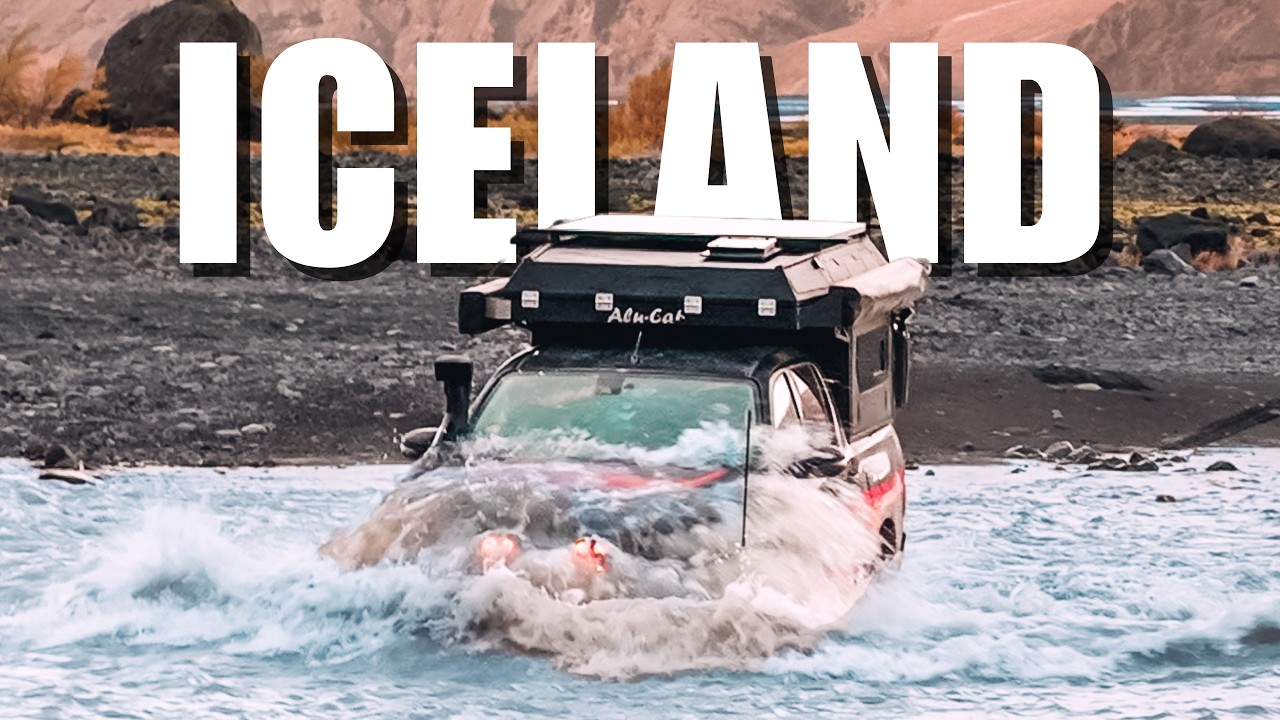
If you want to leave the tourist crowds behind and venture into the rugged center of the island, you have to take the F-roads.
What exactly is an F-Road?
The “F” stands for Fjallvegur, which translates to mountain road. These routes open only during a brief summer window, usually mid-June to early September. They are unpaved, wildly uneven, and heavily rutted.
You won’t find bridges over most rivers here. Instead, you drive straight through the water.
The Strict rental requirements for the highlands
Here is the most critical rule of Icelandic driving: Taking a 2WD vehicle on an F-road is strictly illegal.
This is not a gentle suggestion. If you ignore this law, your rental insurance becomes completely void the second your tires touch that road. Should you get stuck — and you absolutely will — the search and rescue towing fees will cost thousands of dollars out of your own pocket. Rental companies track their vehicles via GPS. They will know if you break the rules, and they will fine you heavily.
Even if a road looks okay at the start, F-roads degrade rapidly. You might drive five miles on smooth dirt only to encounter a raging glacial river crossing or a steep, boulder-strewn incline.
Not all 4x4s are created equal
Just because a car has an AWD badge on the trunk does not mean it belongs in the Highlands. F-roads require true 4×4 capabilities and, crucially, high ground clearance.
Rental agencies specifically categorize their fleets. A small AWD crossover might be fine for snowy winter highways, but it lacks the clearance for Highland rivers. If water enters the engine intake, the vehicle is totaled. Water damage is virtually never covered by standard rental insurance.
When booking, verify that your specific 4×4 model is approved by the rental company for F-road use. For lighter mountain routes like F35 (Kjölur), a Dacia Duster or Suzuki Jimny works well. For serious river crossings on routes like F208 to Landmannalaugar, you need a heavy-duty option like a Toyota Land Cruiser or a modified Super Jeep.
The Westfjords
What about the Westfjords? This dramatic northwestern peninsula features steep, winding gravel mountain passes. While many roads here are not officially labeled as F-roads, they act exactly like them. A 4WD is highly recommended to safely explore this isolated region. The extra traction provides necessary grip on loose gravel curves hugging sheer cliff drops where guardrails are nonexistent.
Iceland Car Rental Insurance: Don’t skip the fine print
Insurance works differently in this country. Standard Collision Damage Waiver (CDW) policies often leave massive gaps in coverage.
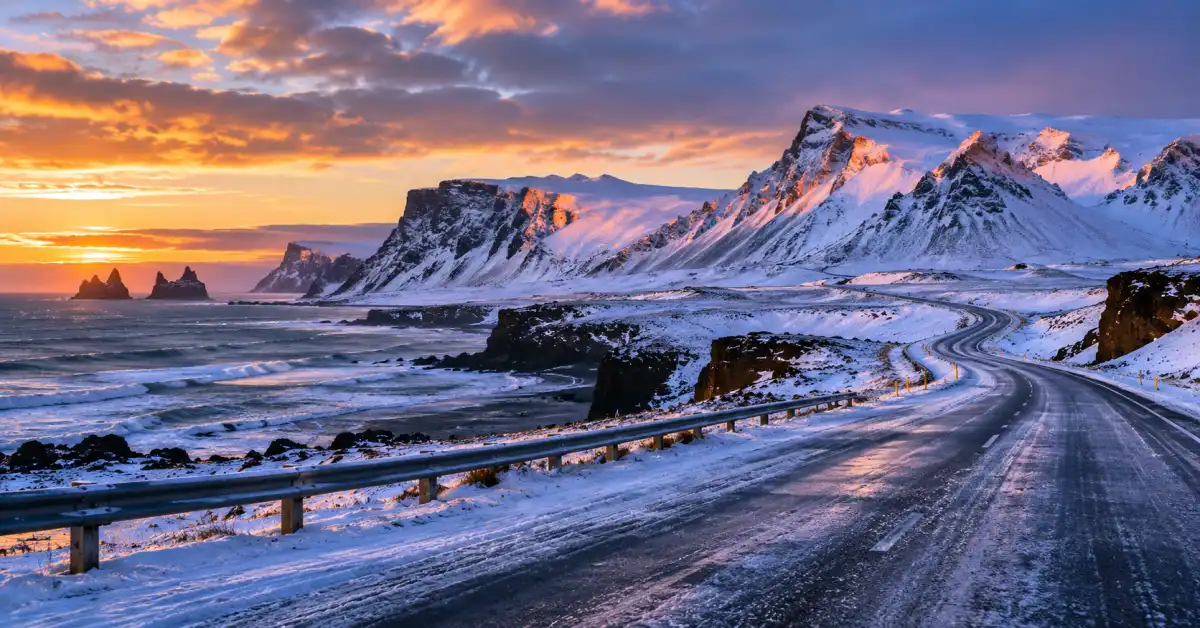
Volcanic landscapes create unique hazards. High winds regularly pick up sharp volcanic sand and hurl it at cars, completely stripping the paint. Passing vehicles kick up loose rocks that spiderweb windshields daily.
You need to add specific protections to your rental agreement:
- Gravel Protection (GP): Covers damage to the headlights, windshield, and paint from flying rocks.
- Sand and Ash Protection (SAAP): Vital in southern Iceland where windstorms frequently cause severe sand damage.
Do not gamble with basic coverage. The harsh environment almost guarantees your car will take a few hits during your trip.
Route matchmaker: Which car fits your itinerary?
Still torn on what to book? Match your plans to this quick guide:
- The Weekend City Break: Sticking to Reykjavík and the Blue Lagoon? A compact 2WD is cheap and perfect.
- The Classic Summer Ring Road: Driving Route 1 in July? A 2WD economy car or a small 2WD SUV offers comfort and great mileage.
- The Winter Aurora Chaser: Hunting Northern Lights in February? Secure an AWD SUV for icy roads and peace of mind.
- The Remote Explorer: Heading to the Westfjords or venturing slightly off the beaten path? A mid-size 4WD handles rough gravel and potholes with ease.
- The Highland Adventurer: Tackling Landmannalaugar or Askja? You must book a large, high-clearance 4×4 approved for river crossings.
Essential Driving Rules to Keep You Safe (and Unfined)
Renting the correct vehicle is only half the battle. Knowing how to drive it keeps you alive and protects your wallet.
- Keep Headlights On: By law, your headlights must remain on 24/7, even on a bright, sunny afternoon.
- Watch Your Speed: The maximum speed limit is 90 km/h (55 mph) on paved highways and 80 km/h (50 mph) on gravel. Speed cameras are everywhere, and the fines are brutal.
- Respect Single-Lane Bridges: Iceland has dozens of narrow, one-way bridges along the Ring Road. The first car to arrive has the right of way. Slow down and make eye contact with oncoming drivers.
- Beware of Sheep: Livestock roam freely during the summer. They love to stand in the middle of the road. A sheep will not move for you, so reduce your speed when you see them grazing near the asphalt.
- Off-Roading is a Crime: Driving off marked trails damages fragile volcanic moss that takes centuries to grow back. It is strictly forbidden everywhere. If caught, you face colossal fines and potential legal action.
- Hold Your Doors: When parked, always keep a firm grip on your car door as you open it. Sudden gusts of wind frequently rip doors backward, bending the hinges. Insurance rarely covers wind damage to doors.
Check SafeTravel.is for daily weather warnings before heading out. The environment here demands absolute respect.
Ready for the road trip of a lifetime?
Driving across this volcanic island is an experience you will never forget. Whether you are gliding down the smooth pavement of Route 1 in a zippy hatchback or splashing through Highland rivers in a rugged 4×4, being prepared makes all the difference.
Match your vehicle to your itinerary, buy the extra insurance, and respect the raw power of Icelandic nature.
What route are you planning to tackle first? Drop your itinerary in the comments below, or share this guide with your road trip crew so nobody books the wrong car!

