
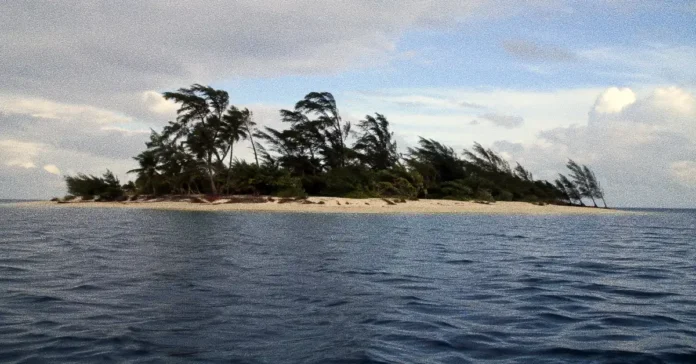
In late 1909, a routine patrol in the choppy waters of the Caspian Sea stumbled upon a chilling scene on the desolate shores of Sand Island. Three healthy men lay dead without a single mark of violence, their bodies frozen in place near a heavy, oddly carved stone that did not belong to the island’s natural terrain. The incident remains one of the era’s most perplexing cold cases, sitting squarely on the blurred line between documented maritime tragedy and sensational historical folklore.
What allegedly happened on sand island in 1909
The basic story reads like the opening chapter of a vintage gothic mystery.
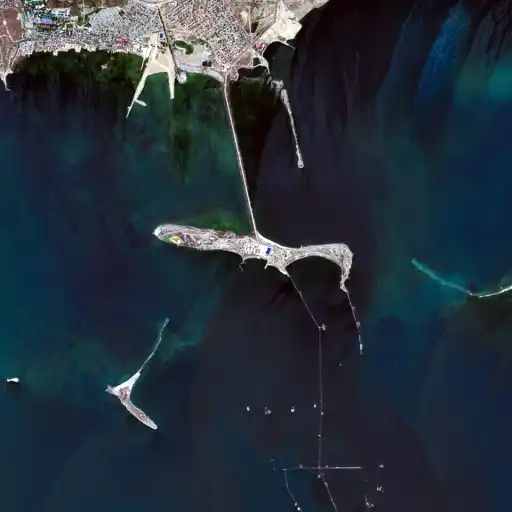
Sometime during the autumn of 1909, a supply boat or local patrol vessel approached Sand Island — known locally in Azerbaijani as Qum Adası, nestled within the Baku archipelago. The island was little more than a windswept sandbank buffeted by volatile winds and oily sea spray. It was not a place where people lived by choice. It served as a temporary outpost, a navigation waypoint, or a station for seasonal fishermen and watchmen monitoring the bustling shipping lanes of the Imperial Russian oil capital, Baku.
When the crew came ashore, they expected a greeting. Instead, they found total silence.
Three adult men were dead. According to the circulating accounts, their bodies showed no external wounds, no signs of a desperate struggle, and no indication that their camp had been raided by pirates or bandits. They had simply collapsed where they stood or sat.
Right next to them sat an anomaly: an unfamiliar, heavy stone bearing strange grooves or markings.
Sand Island is primarily composed of loose silt, shell fragments, and sedimentary mud. Dense, sculpted boulders do not form naturally on its flat, wind-eroded beaches. The juxtaposition was immediately unsettling. Why were three able-bodied men dead without a scratch, and why had they dragged — or gathered around — a bizarre rock in the middle of nowhere?
THE 1909 SAND ISLAND ANOMALY

| Field | Value |
|---|---|
| Location | Sand Island (Qum Adası / Kichik Zira vicinity), Caspian |
| Casualties | 3 adult males (watchmen, fishermen, or laborers) |
| Physical Data | No visible trauma; no signs of robbery or armed struggle |
| Key Artifact | An anomalous, carved/grooved stone alien to the beach |
| Primary Era | Late Russian Imperial Period (Baku Oil Boom Era) |
Fact, Folklore, or Tsarist Tabloid?
Whenever an unsolved case involves bizarre artifacts and sudden deaths, the first duty of any honest investigator is to inspect the sources. Where does this story actually come from?
If you try to track the “Sand Island mystery 1909” through modern search engines, you will quickly notice a frustrating pattern. Most accounts repeat the exact same three or four paragraphs verbatim. They cite vague “Russian naval logs,” “Baku police records,” or “contemporary press clippings” without ever offering a specific newspaper title, an archive call number, or the names of the three deceased men.
That is a classic red flag in historical research.
To understand why this happens, look at the media environment of 1909. The Baku oil boom had turned the Caspian coast into a chaotic, rapid-growth frontier. Newspapers in Saint Petersburg, Moscow, and Tiflis were hungry for dramatic dispatches from the empire’s southern edges. The Russian popular press frequently published gazetnye utki (newspaper ducks) — sensationalized, half-true fillers designed to sell copies. A strange event on a lonely island made ideal copy.
| Stage | Description |
|---|---|
| Original Event (1909) | Minor maritime tragedy or unexplained death reported in local Baku press |
| Sensationalized Re-telling (Early 20th-Century Press) | Details exaggerated: “unmarked corpses,” “mystical carved stone” |
| Soviet Popular Science Magazines (1960s–1980s) | Magazines like Vokrug Sveta or Tekhnika Molodezhi revive the tale as an “unsolved anomaly” |
| Modern Internet Echo Chamber (2000s–Present) | Story copied across forums without source checking or geological context |
During the mid-20th century, Soviet popular-science and adventure magazines loved reprinting obscure pre-revolutionary anecdotes. Writers often stripped away mundane administrative details to heighten the drama. By the time the story migrated to internet forums in the early 2000s, it had shed its context entirely, morphing from a forgotten maritime incident into an eerie supernatural puzzle.
Does this mean the event never happened? Not necessarily. Real tragedies happen all the time, only to be romanticized and distorted by decades of sloppy re-telling.
To find the truth, strip away the ghost-story tropes and look at the hard physical reality of the Caspian Sea.
The geography of hazard: mud volcanoes and silent killers
The Caspian Sea is not a typical body of water. It is the world’s largest inland lake, sitting atop an insanely pressurized labyrinth of hydrocarbon reserves, fault lines, and mud volcanoes.
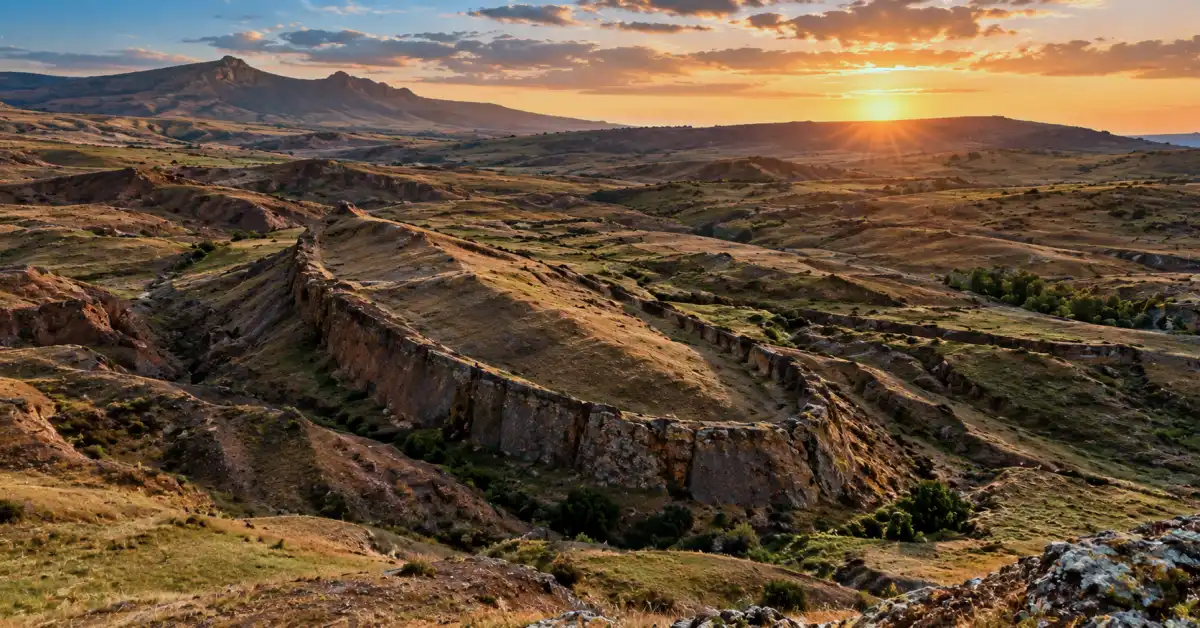
If three men died suddenly on Sand Island in 1909 without physical injuries, modern science offers a culprit far more terrifying than a cursed artifact: toxic gas asphyxiation.
The Baku archipelago, including Sand Island (Qum Adası) and nearby islands like Kichik Zira (also known as Qaval or Bulla Island), is one of the most active mud volcano zones on the planet. These volcanoes do not erupt with molten lava. They spew pressurized mud, saline water, heavy hydrocarbons, and massive plumes of volatile gases.
| Layer / Feature | Description |
|---|---|
| Atmospheric boundary | Top layer |
| Heavier-than-air gas (H₂S / CO₂ / methane) | Displaces breathable oxygen at ground level |
| Mud / silt shoreline | Surface boundary |
| Subterranean fissures & mud diapirs | Gas pathways upward |
| High-pressure hydrocarbon & sulfur reservoir | Deep source layer |
Several toxicological factors could easily explain the sudden deaths:
- Hydrogen Sulfide () Pockets: Often called sewer gas, is common around petroleum reservoirs. At low concentrations, it smells like rotten eggs. At high concentrations, it instantly paralyzes your olfactory nerves. You smell nothing. A single high-concentration breath can trigger rapid knockdown, causing a person to drop unconscious immediately and suffocate within minutes.
- Carbon Dioxide () Pooling: In calm, windless autumn conditions, heavy gases like or dense hydrocarbon fumes can seep from sudden ground fissures and pool in low-lying coastal dips. If the men were sitting, sleeping, or working in a slight hollow, they could have asphyxiated without ever realizing they were oxygen-deprived.
- Carbon Monoxide Poisoning: If the three men were sheltering in an enclosed tent or shack against the bitter Caspian wind, a poorly vented brazier, kerosene burner, or coal stove could easily have killed all three in their sleep, leaving their bodies unmarked and relaxed.
When rescue crews arrived hours or days later, the gas pocket had already dispersed into the wind, leaving no chemical trace — only three corpses and a baffling scene.
What about the “Strange Stone”?
If natural gas explains the deaths, how do we account for the weird stone?
There are three grounded explanations for why an unusual rock would be sitting beside three dead men on a sandbank.
1. Volcanic Ejecta or Asphaltite Breccia
When Caspian mud volcanoes erupt, they violently spit out rocks from thousands of meters beneath the seabed. These subterranean stones — known as volcanic breccia or ejecta — look completely different from standard surface rocks. They can be pitted with weird gas holes, coated in dark bituminous tar, or grooved by the intense pressures of the earth’s crust.
If a mud volcano had recently burped nearby, it could have deposited a strange, charred-looking rock on the sand. The men may have found it curious, carried it back to their camp to inspect it, and were subsequently overcome by the toxic fumes escaping from the very same fissure that ejected the stone.
| Hypothetical Artifact | Geological / Archaeological Explanation |
|---|---|
| “Alien / Unnatural Rock” | Mud volcano ejecta (dense subterranean breccia) |
| “Strange Dark Markings” | Natural asphaltite / hardened bitumen veins |
| “Deliberate Carvings” | Gobustan-era ballast stone or ancient anchor relic |
| “Polished Grooves” | Intense wave erosion or petrified petroleum seep |
2. An ancient anchor or ballast stone
The Caspian Sea has risen and fallen by tens of meters over human history. Just a few miles west of Sand Island lies Gobustan, home to world-famous prehistoric rock carvings and ancient settlements. For thousands of years, regional sailors used carved stones with bored holes and grooved rope channels as primitive anchors or ship ballast.
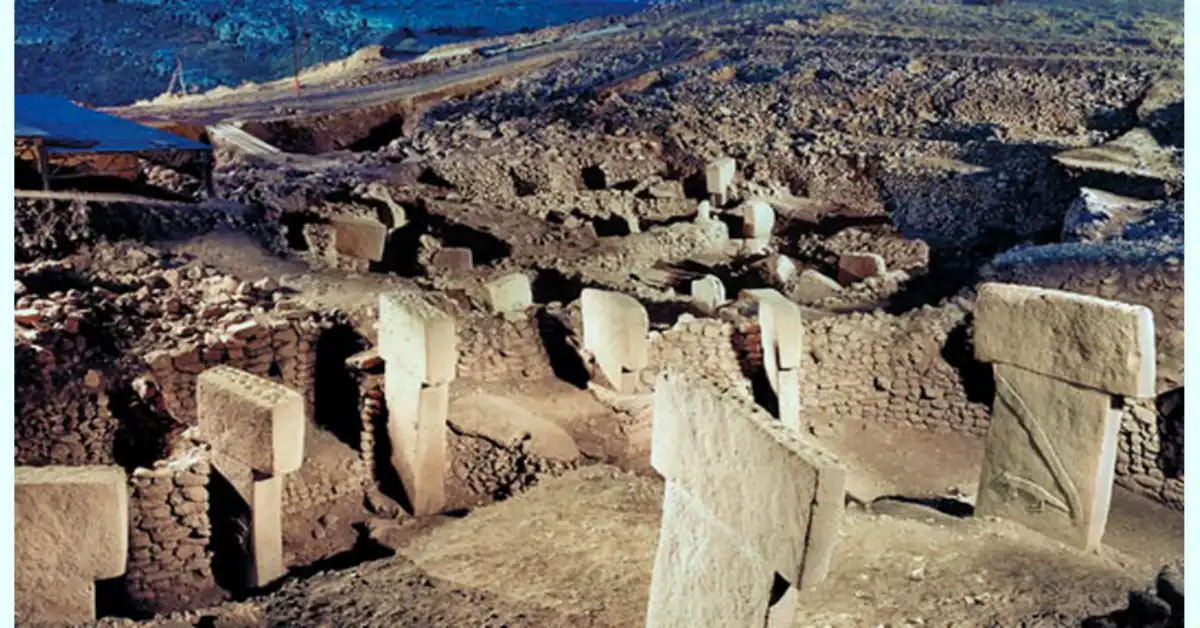
Maritime workers on Sand Island might have dredged up an ancient anchor stone from a shallow sandbar. Finding historical relics in the Caspian shallows was common during dredging operations for the Baku oil industry.
3. Pure journalistic embellishment
We cannot ignore the power of yellow journalism. A real police report noting “three fishermen found dead of suspected asphyxiation near their ballast pile” can easily become “three men found dead around a mystical inscribed monolith” once a bored reporter gets hold of the wire copy.
Comparing the theories
To get a balanced look at the Sand Island mystery of 1909, we have to weigh the most plausible explanations against their strengths and weaknesses.
| Explanation | Plausibility | Key Supporting Evidence | Unresolved Questions |
| Toxic Gas Seep + Volcanic Breccia | High | The Baku archipelago is dense with active mud volcanoes, , and hydrocarbon vents. | Did an official geological survey ever inspect the island immediately after the event? |
| Camp Enclosure Carbon Monoxide | High | Very common cause of multiple simultaneous deaths in cold-weather maritime outposts. | Doesn’t explain the focus on the outdoor stone unless it was simply incidental ballast. |
| Sensationalized Journalistic Hoax | Medium-High | Lack of direct primary archive citations in modern re-tellings; common practice in 1909 media. | Core maritime incidents usually had a real factual root (e.g., actual dead workers). |
| Food / Water Poisoning (Botulism) | Medium | Contaminated cured fish or tinned rations were notorious for killing entire work crews quickly. | Victims would typically show signs of gastric distress, not peaceful instantaneous collapse. |
| Foul Play / Piracy | Low | Caspian piracy existed, but raiders routinely stole supplies and used violent force. | No wounds, no signs of ransacking, and no stolen equipment reported. |
The legacy of the sand island mystery
The story of the three men on Sand Island persists because it hits all the right psychological notes: an isolated location, an inexplicable death, and an out-of-place artifact. It is the same recipe that keeps mysteries like the Dyatlov Pass incident or the Flannan Isles lighthouse disappearance alive in our collective imagination.
Yet, when we look at the case through the dual lenses of source criticism and environmental geology, the fog clears.
Sand Island was not an entrance to the twilight zone. It was a harsh, volatile patch of sand in a sea known for subterranean fury. The true tragedy is that three unnamed workers likely lost their lives to the invisible, unbreathable vapors of the Caspian depths — a routine hazard for the working-class laborers who built the early industrial oil empire of Baku.
When dealing with century-old mysteries, the goal is not to force an unexplainable conclusion. The goal is to appreciate how reality, environment, and human storytelling intersect. The three men on Sand Island deserve to be remembered not as characters in a paranormal fable, but as flesh-and-blood casualties of one of the most hazardous maritime environments on earth.
How to investigate vintage maritime anomalies
If you want to dig into historical cold cases like the 1909 Caspian mystery on your own, keep this practical checklist in mind:
- Locate the First Recorded Print: Never trust a modern blog post or YouTube video without finding its earliest bibliographic citation. Look for the earliest year the story appeared in print.
- Check the Local Environmental Context: What are the natural hazards of the region? Mud volcanoes, rogue waves, limnic gas eruptions, and sudden temperature plunges solve the vast majority of “ghost ship” and “unmarked death” cases.
- Account for Historical Jargon: In the 19th and early 20th centuries, “asphyxiation by mephitic vapors” or “bad air” was often translated colloquially as “mysterious sudden death.”
- Separate the Artifact from the Incident: Always ask if the “strange object” was genuinely connected to the deaths or simply an incidental piece of debris highlighted by reporters to make the headline pop.

