
Every autumn, millions of people race to bakeries and coffee shops for a comforting sip of liquid nostalgia. Have you ever wondered what creates that unmistakable, cozy aroma before a single drop hits your tongue? The secret lies in a brilliant mix of culinary history and volatile plant chemistry that tricks your brain into feeling instant warmth.
Is there Pumpkin in Pumpkin Spice?
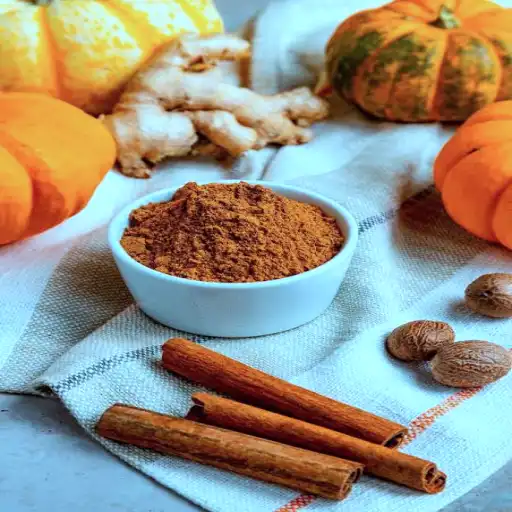
Walk down any grocery store aisle in October and you will spot pumpkin spice scented candles, cereals, and shower gels. Most people assume the blend contains pulverized squash. The plain reality surprises almost everyone: traditional pumpkin pie spice contains zero actual pumpkin.
Think of it like poultry seasoning. Just as poultry seasoning contains thyme and sage rather than grounded bits of chicken, pumpkin spice represents the spice blend historically formulated for pumpkin, not from pumpkin. For centuries, pumpkins grown across North America were notoriously bland, stringy, and starchy. Cooks needed aggressive, warming aromatics to turn that humble gourd into an edible dessert.
Five pillars of autumn flavor
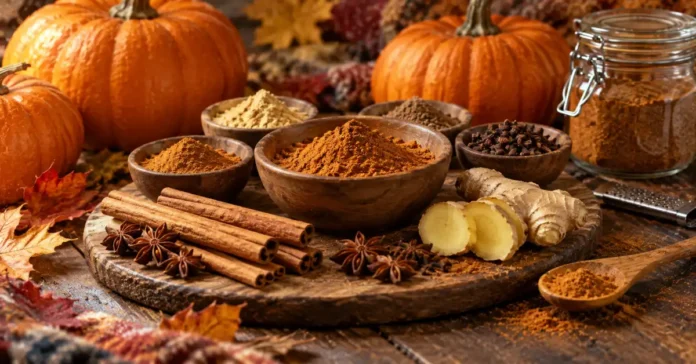
Every classic blend relies on five distinct tropical and subtropical spices: cinnamon nutmeg ginger cloves allspice. Each ingredient handles a specific duty on your palate. When you mix them together, their individual quirks balance out into something completely harmonious.
- Ground Cinnamon: The backbone of the blend. Cinnamon makes up over half of most commercial formulas, offering a sweet, woody foundation that immediately registers as comforting.
- Ground Ginger: The bright, spicy spark. Dried ginger brings a zesty bite that cuts straight through heavy fats like butter, cream, and sweetened condensed milk.
- Ground Nutmeg: The mysterious woodsy note. Grated from the seed of the Myristica fragrans tree, nutmeg delivers a nutty, slightly sweet undertone that lingers on the back of the palate.
- Ground Cloves: The powerhouse. Dried flower buds of the clove tree pack an intense, almost numbing punch. A tiny pinch goes a remarkably long way.
- Ground Allspice: The bridge. Despite its name, allspice is not a premixed combination; it is the dried, unripe berry of the Pimenta dioica tree native to Jamaica and Central America. It naturally tastes like a cross between cinnamon, nutmeg, and clove.
Cinnamaldehyde and Eugenol compounds
Why does this specific mixture hit our senses with such emotional force? It comes down to volatile organic compounds — tiny chemical molecules light enough to evaporate into the air and travel directly into your nasal cavity. When you take a bite of spiced pie or inhale a fresh cup of coffee, your brain receives a cocktail of aromatic signals.
The star player in cinnamon is cinnamaldehyde, an organic compound making up roughly 90% of the essential oil extracted from cinnamon bark. Cinnamaldehyde triggers sensory receptors in your mouth called TRPA1 ion channels. These protein sensors are the same ones that respond to environmental cold and irritants. When cinnamaldehyde activates them, your brain registers a tingling sensation of warmth without any physical change in temperature.

Cloves and allspice contribute heavy doses of eugenol, an aromatic phenylpropanoid that smells medicinal, spicy, and woody. Eugenol binds to olfactory receptors while providing mild local numbing properties, which explains why chewing a raw clove deadens tooth pain. In baking, eugenol softens the sharp edges of cinnamon.
Nutmeg introduces sabinene, a natural monoterpene that provides crisp, piney notes, alongside myristicin. Meanwhile, dried ginger contains shogaols and gingerols that ignite your TRPV1 heat receptors — the exact sensors that make spicy chili peppers feel hot.
Your brain pairs these physical sensations with stored memories. Because our olfactory system plugs straight into the limbic system — the brain’s emotional filing cabinet — this chemical mixture triggers an immediate sensory flash of family kitchens, holiday gatherings, and crisp autumn leaves. You aren’t just tasting spices; you are tasting biological nostalgia.
McCormick’s 1934 game changer
Long before spice shakers existed, colonial cooks ground their own spices by hand using heavy mortars and pestles. In 1796, Amelia Simmons published American Cookery, universally recognized as the first American cookbook.Her book featured recipes for “pompkin pudding” baked in a crust, spiced with nutmeg, mace, ginger, and allspice.
For the next 130 years, preparing a holiday pumpkin pie remained an expensive, labor-intensive chore. A baker had to purchase multiple individual tins of whole or ground spices, measure each cautiously, and hope the proportions tasted right.
Two critical developments changed everything during the early 20th century:

- 1929:The Libby’s canning company began mass-marketing canned pumpkin purée. This eliminated the tedious hours home cooks spent roasting, scooping, and straining fresh field pumpkins.
- 1934:Sensing an opening, the spice manufacturer McCormick debuted a pre-mixed product called “Pumpkin Pie Spice”.
McCormick’s 1934 tin was a stroke of marketing and economic genius. During the depths of the Great Depression, families could rarely afford four separate jars of expensive imported spices. McCormick offered a single, pre-balanced tin featuring cinnamon, ginger, nutmeg, and allspice. The convenience stuck. Generations of Americans grew up believing pumpkin pie spice had always existed as a singular, timeless ingredient.
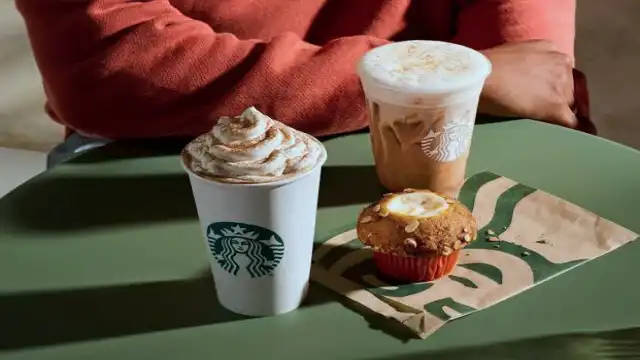
Starbucks pumpkin spice latte history 2003 to 2015
For seven decades, the blend lived a quiet life inside baking cupboards. That all changed in the spring of 2003 inside a Seattle research laboratory.
Peter Dukes, who directed espresso beverage concepts at Starbucks, had been charged with inventing a breakout fall drink following the runaway winter success of the Peppermint Mocha.the team brainstormed roughly one hundred ideas, eventually cutting the list down to ten candidate drinks.
When Starbucks polled over 500 customers, chocolate and caramel concepts crushed the competition. The pumpkin spice latte ranked near the bottom in consumer purchase intent. The idea survived solely because Dukes recognized that while chocolate and caramel were safe, pumpkin offered a high novelty score.
During research trials, Dukes and his food scientists brought pumpkin pies into the lab and poured hot shots of espresso directly onto them, tasting bite after bite to figure out how bitter coffee beans could complement sweet holiday spices. In autumn 2003, Starbucks launched the test drink across one hundred stores in Vancouver and Washington, D.C. Store managers reported immediate stampedes. By 2004, the drink debuted nationwide, turning the quiet baking ingredient into a multibillion-dollar cultural obsession.
Notice anything missing from that original 2003 beverage? Just like the 1934 spice tin, the original latte contained zero pumpkin. It relied entirely on condensed skim milk, sugar, artificial flavorings, and a dash of spice powder.

A decade into the craze, food bloggers and consumer advocates launched sustained public campaigns pointing out that the world’s most famous pumpkin drink lacked pumpkin. In 2015, Starbucks surrendered to the backlash. The company officially reformulated its syrup sauce to include real pumpkin purée and purged artificial caramel colorings. While the tiny smear of actual gourd purée did little to alter the drink’s taste, it permanently settled the legal and public relations debate.
Celebrate National Pumpkin Day: the ultimate homemade pumpkin pie spice recipe
Store-bought spice tins often sit on pantry shelves for years, slowly losing their volatile oils until they smell like dusty cardboard. Making your own batch takes less than two minutes and tastes infinitely sharper.
October 26 marks National Pumpkin Day, making mid-autumn the ideal moment to clear out stale spices and whip up a custom jar. Keep this balanced ratio on hand all season:
- 3 tablespoons ground Saigon cinnamon
- 2 teaspoons ground dried ginger
- 2 teaspoons freshly grated nutmeg
- 1 teaspoon ground allspice
- 1 teaspoon ground cloves
- 1/4 teaspoon finely ground black pepper (optional secret weapon)
Here is how to bring the blend together with maximum flavor:
- Grate the Nutmeg Fresh: Skip the jar of pre-ground nutmeg. Buy a whole nutmeg seed and rub it across a microplane grater. The difference in volatile oils will stun your senses.
- Add the Black Pepper: A tiny crack of freshly ground black pepper introduces piperine. Piperine amplifies the heat of dried ginger and cuts right through sweet sugary doughs.
- Whisk Thoroughly: Pour every spice into a small glass bowl. Whisk for thirty seconds so the heavy clove and ginger distribute evenly into the lighter cinnamon.
- Seal and Store: Transfer the powder into an airtight glass spice jar. Keep it tucked away inside a dark pantry away from the heat and steam of your stovetop. Used within six months, its volatile compounds will stay at their peak.
Creative ways to use it all season
Limiting your spice jar to pies and lattes wastes its true culinary range. Because the blend balances earthy warmth with pungent spice, it works magic in savory cooking:
- Roasted Root Vegetables: Toss cubes of butternut squash, sweet potatoes, or carrots in olive oil, sea salt, and a pinch of spice before roasting at 400°F (200°C). The natural sugars caramelize beautifully against the ginger and clove.
- Hearty Chilis and Stews: Add half a teaspoon to black bean soup or slow-simmered beef chili. Just like unsweetened cocoa powder, the cinnamon and allspice add deep, smoky complexity to rich meat broths.
- Breakfast Oatmeal and Grains: Stir a quarter teaspoon straight into morning steel-cut oats or chia pudding, then finish with toasted pecans and a drizzle of pure maple syrup.
- Glazed Nuts: Toss raw pecans or walnuts in whipped egg white, brown sugar, flaky sea salt, and your spice blend. Bake at 300°F (150°C) until crunchy for a simple holiday gift.
Next time you catch a whiff of that familiar cinnamon-clove aroma on a brisk afternoon, you will recognize the chemistry at play. That humble blend of tree bark, dried berries, roots, and seeds spent centuries traveling across continents and grocery aisles before winning our hearts. Whether you prefer a quick dash over morning coffee or a traditional pie baked from scratch, a few tiny molecules are all it takes to bring the season home.

