

Thanks to modern masterpieces like Midsommar, The Witch, and The Ritual, folk horror is having a massive moment. Suddenly, everyone is talking about sinister harvests, ancient rites, and the terrifying power of the old ways. But for every May Queen, there is a deep, dark history of cinematic folklore that has been bubbling just beneath the surface for decades.
When people talk about the genre’s roots, they usually mention the “unholy trinity”: The Wicker Man (1973), Witchfinder General (1968), and Blood on Satan’s Claw (1971). These are essential films. But they are not the whole story. Not even close.
Folk horror is a global phenomenon, a cinematic language used to explore our deepest anxieties about tradition, community, and the land itself. the real power of the genre is in its rituals—the ceremonies, traditions, and pacts that bind people to the land and to forces they should have left well enough alone.
So, leave the city behind and step into the overgrown fields. Let’s dive into ten obscure films where the ritual is the terror.
The Old Ways Are Not Dead: 10 Obscure Folk Horror Films Driven by Ritual
1. Penda’s Fen (1974) – United Kingdom
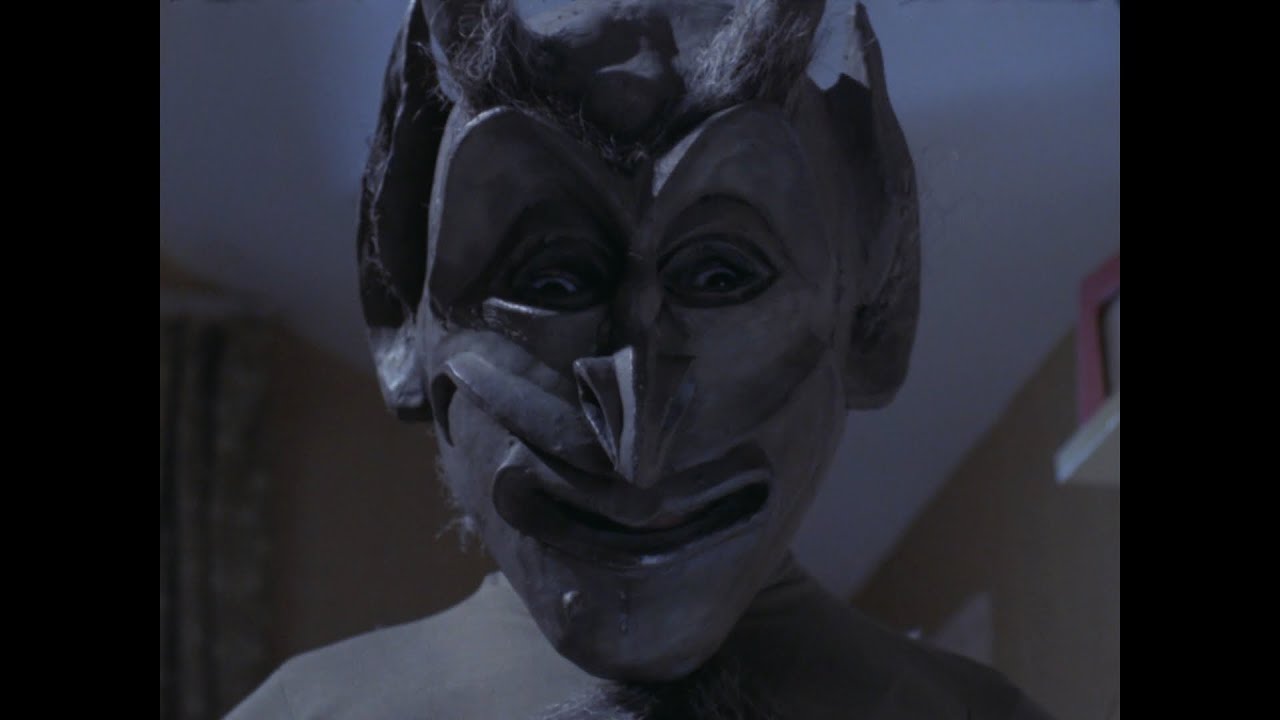
- The Folklore: This legendary BBC Play for Today is less a narrative and more a fever dream about English identity. A vicar’s son named Stephen, a devoutly Christian conservative, is plagued by bizarre visions of angels, demons, and the pagan King Penda, who ruled the ancient kingdom of Mercia.
- The Ritual: The horror here is an internal, psychological ritual. Stephen’s journey is a forced deconstruction of his own beliefs. His visions are a ritualistic stripping away of his conservative Christianity, forcing him to confront the “sacred and demonic” pagan soul of the English landscape itself.
- The Terror It Unleashes: The terror is existential. It’s the horrifying realization that your entire identity—your faith, your politics, your very sense of self—is built on a lie. The film’s climax is a ritual of acceptance, where Stephen declares himself a “child of promise,” embracing the very paganism that once terrified him.
2. Viy (1967) – Soviet Union
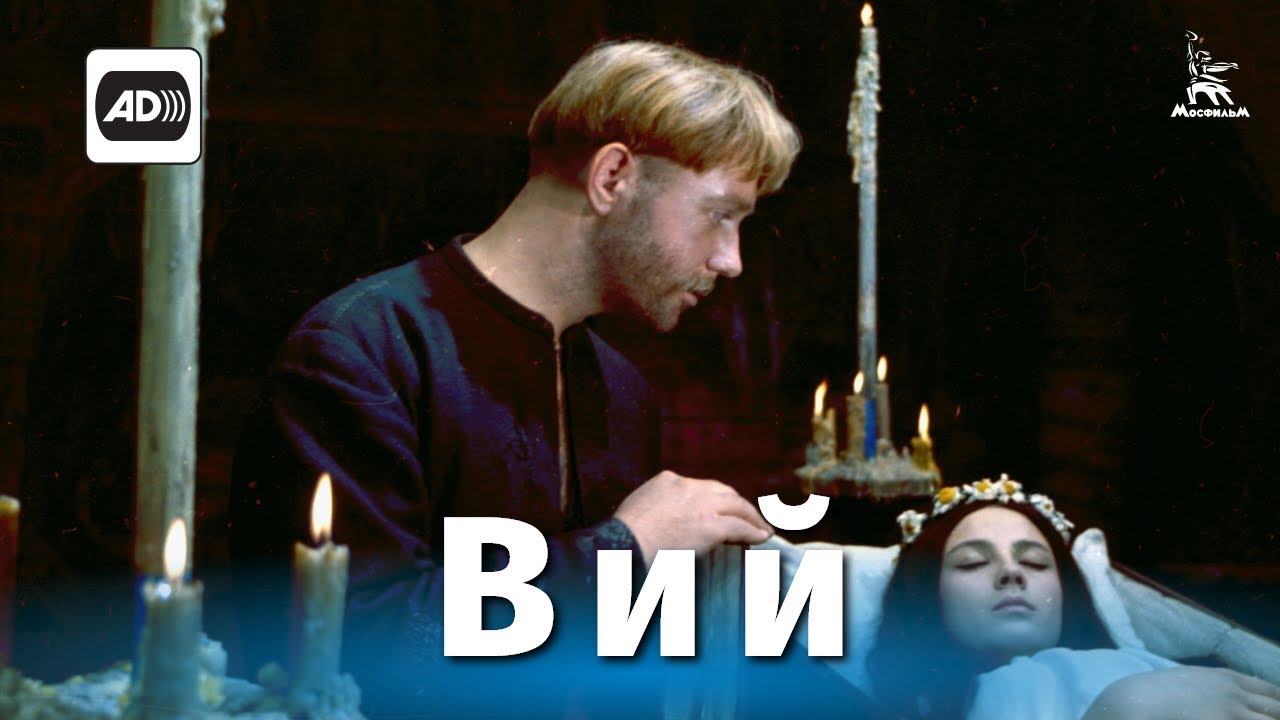
- The Folklore: The first and only horror film produced in the Soviet era, based on a Nikolai Gogol story. A seminary student, Khoma, is forced to stand vigil for three nights over the body of a young witch he mortally wounded.
- The Ritual: The core of the film is the three-night funeral rite. Each night, Khoma must stay within a holy circle drawn in chalk as the witch’s corpse reanimates and summons increasingly grotesque legions of demons, goblins, and ghouls from Ukrainian folklore to torment him.
- The Terror It Unleashes: The ritual summons a literal menagerie of Hell. The practical effects are breathtakingly surreal—skeletons, bat-like creatures, and crawling monstrosities. The terror comes from the failure of the holy ritual to protect him, culminating in the appearance of the Viy, a colossal demon whose gaze is lethal.
3. Tumbbad (2018) – India
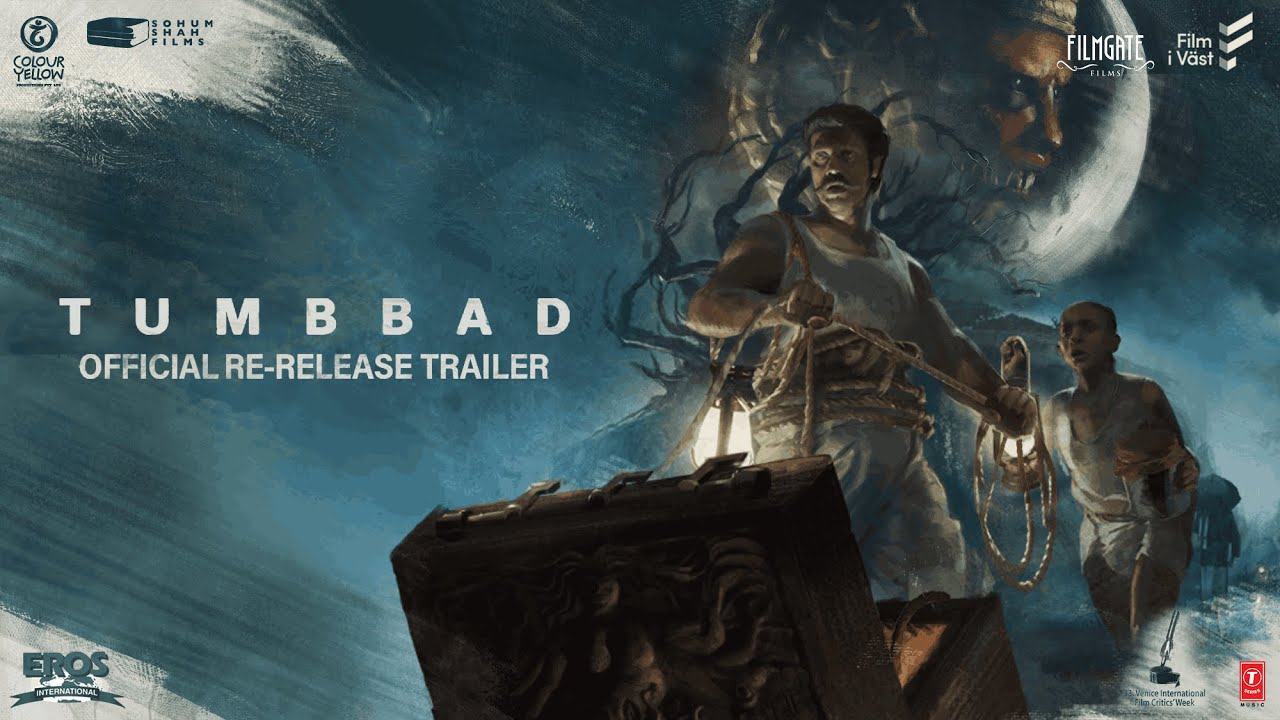
- The Folklore: A visually stunning masterpiece of Indian folk horror. In the perpetually raining village of Tumbbad, a family is tasked with guarding a terrible secret: they are the worshippers of Hastar, a disgraced demigod of greed who was cast out by the other gods but still holds immense treasure.
- The Ritual: The film revolves around a dangerous, recurring ritual. To get gold from Hastar’s cursed womb-like temple, a man must descend, create a man made of flour as an offering, and steal gold coins from the monster’s loincloth without being touched by the slumbering god.
- The Terror It Unleashes: Greed. The ritual promises wealth but inflicts a generational curse. Each new generation becomes more consumed by greed, willing to take greater risks. The horror isn’t just the grotesque monster, but the certainty that the ritual will eventually fail, and the insatiable hunger of Hastar will be unleashed upon the world.
4. Eyes of Fire (1983) – USA
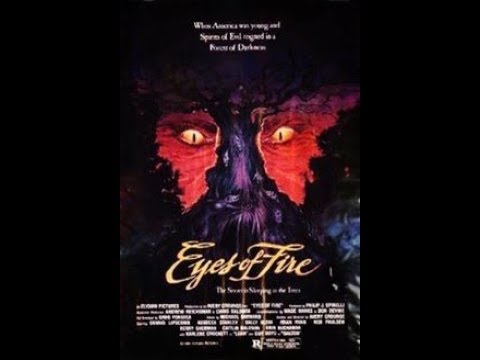
- The Folklore: A rare and bizarre piece of American folk horror. In the 18th century, a polyamorous preacher and his followers are exiled from their community. They flee into a remote valley that the local Shawnee tribe believes is haunted by powerful, ancient spirits.
- The Ritual: The settlers’ very attempt to build a new, “pure” Christian society is a ritual that desecrates the land. Their hymns and prayers are an affront to the valley’s spirits, who begin to manifest in horrifying ways—as spectral children, tree-monsters, and a powerful forest demon.
- The Terror It Unleashes: The spirits of the land literally possess and tear the community apart. The terror comes from the clash of two faiths—the settlers’ rigid Christianity and the valley’s ancient, untamable paganism. The settlers’ rituals of faith are useless against a power that was there long before their god.
5. Wake Wood (2009) – UK / Ireland
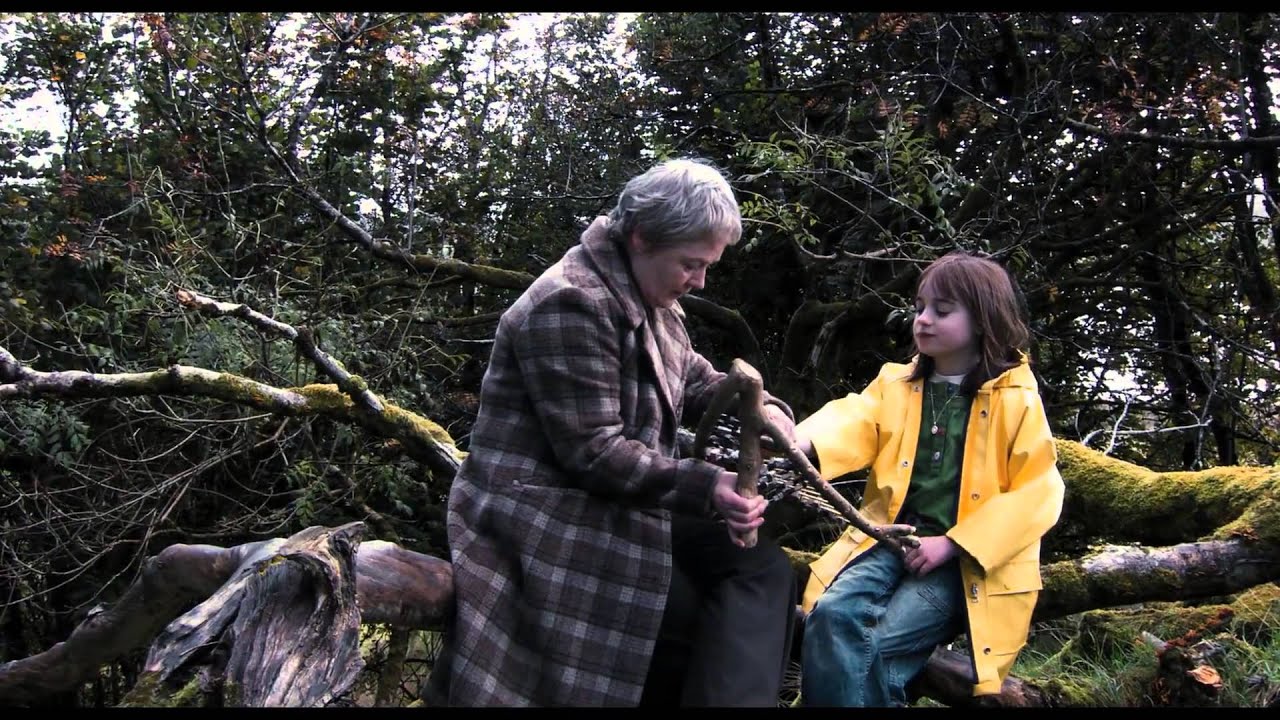
- The Folklore: A grieving couple, whose daughter Alice was killed by a dog, moves to the remote Irish town of Wake Wood. They discover the locals are pagans with a dark secret. The town’s leader, Arthur, reveals they have a ritual to bring a deceased person back from the dead for exactly three days, provided they have been dead less than a year.
- The Ritual: The “Wake Wood” rite is a deeply visceral and grotesque pagan ceremony involving a fresh corpse, runes, and the couple being buried alive with the body. They lie about how long Alice has been dead to qualify.
- The Terror It Unleashes: They break the rules of the ritual, and what comes back is not their daughter. It is a malevolent, feral entity wearing her skin, which proceeds to go on a murderous rampage. The terror is a direct consequence of perverting the ancient rite for selfish reasons.
6. Lake of the Dead (1958) – Norway
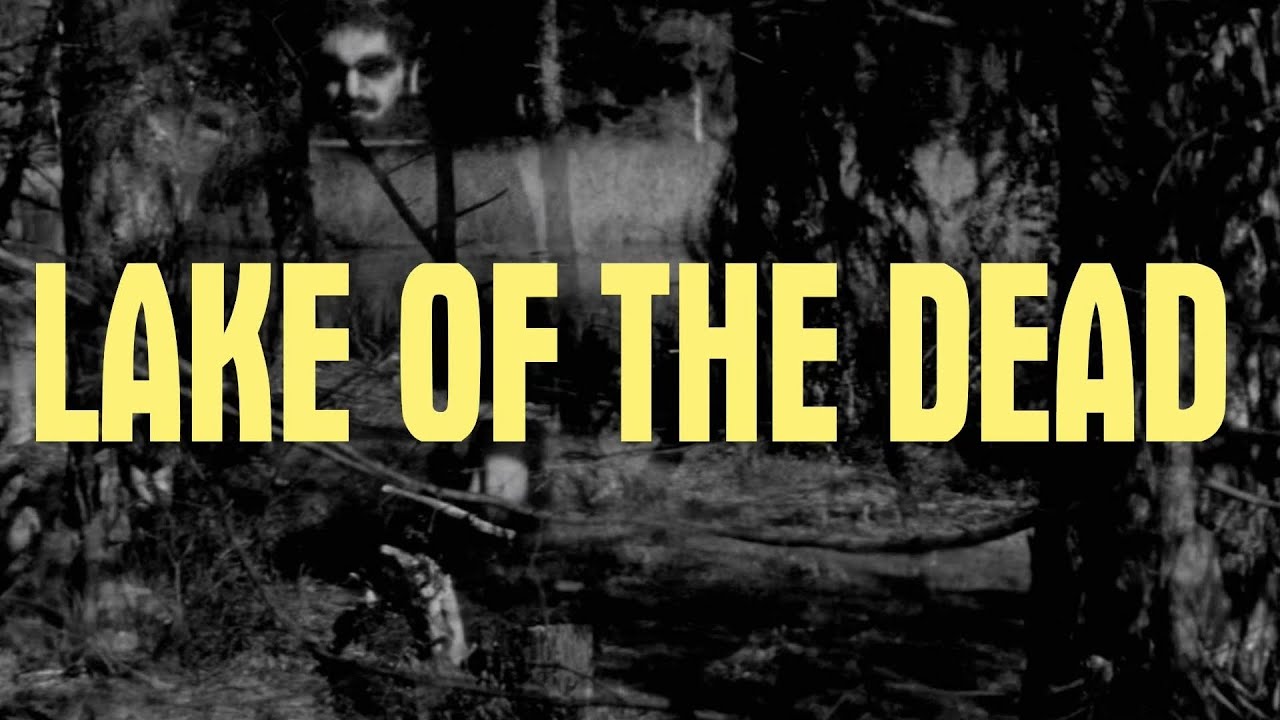
- The Folklore: A foundational piece of Scandinavian horror that contains all the DNA of the folk horror genre. A group of friends travels to a remote cabin by a lake where a dark legend persists. A man named Toregunt is said to have killed his sister and her lover there, and now anyone who stays in his cabin is possessed by him and driven to murder or suicide.
- The Ritual: The horror is a ritualistic reenactment. The legend of Toregunt isn’t just a story; it’s a curse that seems to possess a new host every generation, forcing them to repeat the same tragic events. The characters slowly realize they are falling into the same roles as the figures from the legend.
- The Terror It Unleashes: Psychological dread. Is the curse real, or are the characters simply succumbing to the power of suggestion in an isolated, creepy place? The terror lies in the ambiguity and the seeming inevitability of the tragic, ritualistic cycle.
7. Alison’s Birthday (1981) – Australia
- The Folklore: On her 16th birthday, 16-year-old Alison has a vision at a Ouija board of her father being killed. He warns her not to go home for her 19th birthday. Three years later, she ignores the warning and travels to stay with her aunt and uncle.
- The Ritual: Alison discovers her relatives are part of an ancient Celtic cult that worships a megalithic stone circle near their home. They have been grooming her her entire life for a specific purpose: on her 19th birthday, she is to be the human vessel for the reincarnation of their ancient goddess, Mirna.
- The Terror It Unleashes: The film is a slow-burn of paranoia as Alison realizes her entire life has been a lie, a long preparation for a ritual that will erase her identity. The terror isn’t a monster; it’s the smiling, friendly faces of her family as they calmly prepare to sacrifice her soul for their faith.
8. The Borderlands (aka Final Prayer) (2013) – UK
![The Final Prayer ending scene [18+]](https://www.gsnsp.com/wp-content/cache/flying-press/77d4a76a12b9a2a8231342c7ad1eb1e7.jpg)
- The Folklore: A found-footage film that follows a team of Vatican investigators—a jaded tech expert and a true believer—sent to a remote village in the English countryside to debunk a supposed miracle at an old church.
- The Ritual: The team uncovers evidence of ancient pagan rituals, including child sacrifice, that took place on the site long before the church was built. As they dig deeper, they realize the “miracles” are a lure for a new, horrifying ritual.
- The Terror It Unleashes: In the climax, the investigators are lured into a series of underground tunnels that lead directly into the guts of the ancient pagan entity the locals still worship. The final shots are of them being crushed and digested alive inside a living, breathing god beneath the church. It is a ritual of consumption, and one of the most claustrophobic endings in horror history.
9. A Field in England (2013) – UK
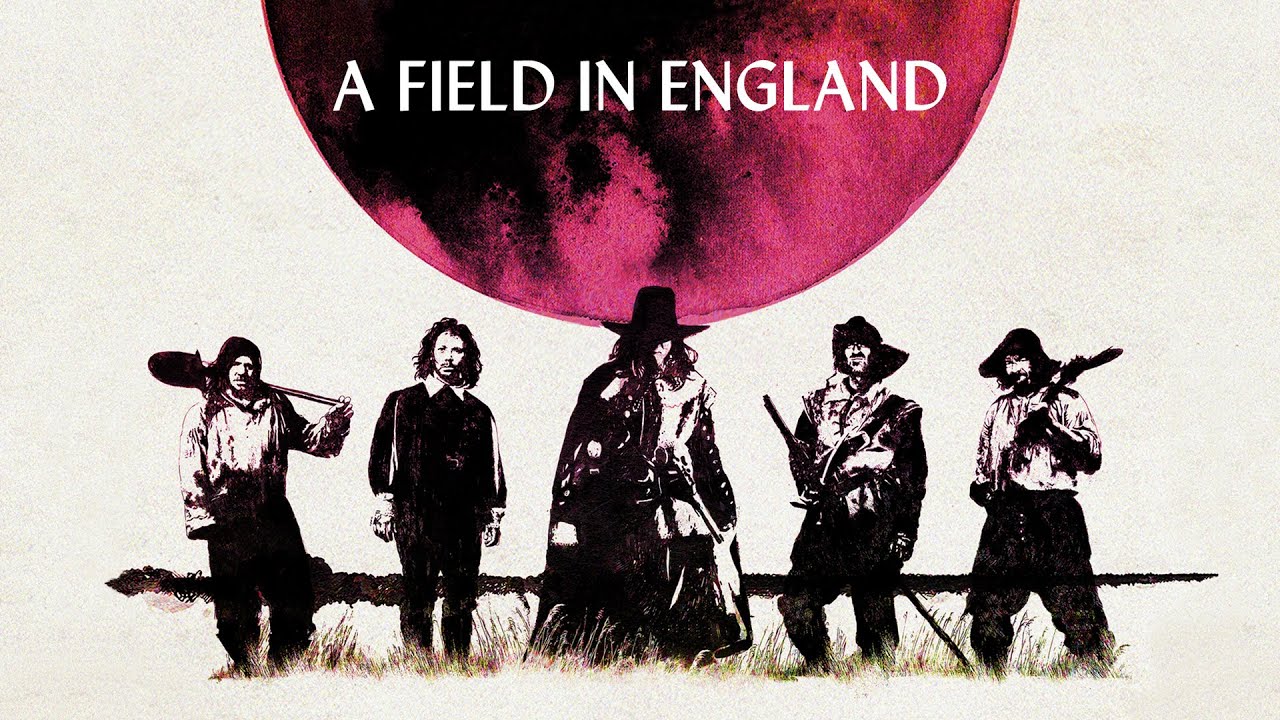
- The Folklore: During the English Civil War, a group of deserters are captured by an alchemist, O’Neill. He forces them to help him perform a ritual to find a hidden treasure buried in a vast, empty field.
- The Ritual: O’Neill feeds the men magic mushrooms and begins his scrying ritual. The process involves esoteric symbols, bizarre incantations, and a “human divining rod.”
- The Terror It Unleashes: The ritual breaks reality itself. Filmed in stark black-and-white, the film descends into a psychedelic, time-bending nightmare. Characters are frozen in horrifying tableaus, the editing becomes frantic and disorienting, and the landscape itself becomes a malevolent force. The terror is the complete and utter loss of sanity.
10. Celia (1989) – Australia
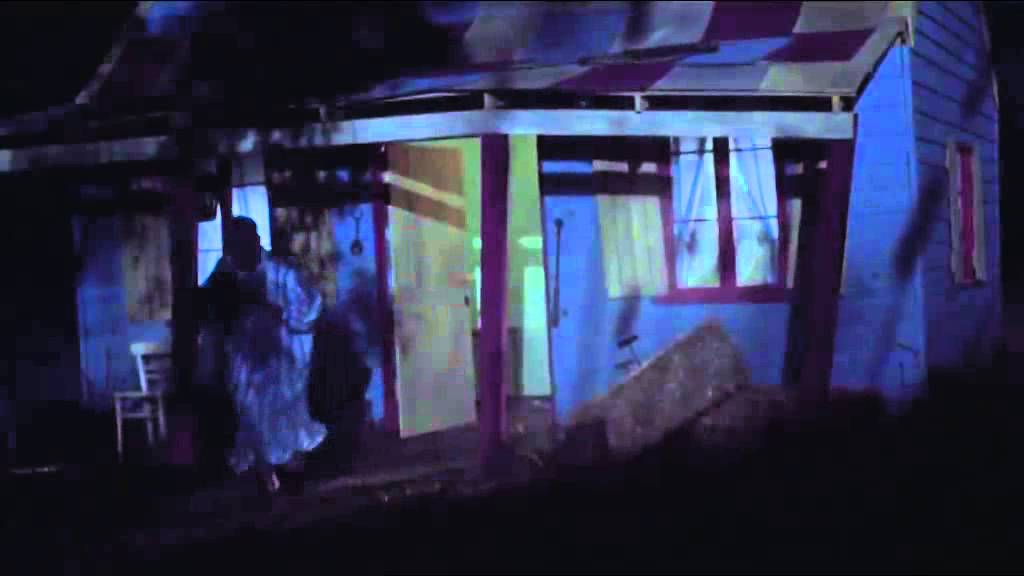
- The Folklore: In 1950s Australia, a nine-year-old girl named Celia struggles to process the death of her grandmother, political paranoia surrounding her communist neighbors, and a government-led “rabbit plague” hysteria.
- The Ritual: To cope, Celia and her friends create their own dark, folk-like rituals. They make effigies of their enemies (a mean cousin, a police officer) and perform ceremonial “voodoo” to punish them.
- The Terror It Unleashes: The line between childhood imagination and reality blurs horrifically. Celia’s innocent rituals begin to have real, violent consequences. The terror comes from seeing the comforting logic of childhood games curdle into something deadly, culminating in a final, shocking act that proves the “old ways” can be invented anew.
The Roots of a Ritual: Why Folk Horror Haunts Us
These films, in all their obscure glory, show us that folk horror isn’t just about creepy farmers and scarecrows.
- The Land Has Memory: In these stories, the landscape is a character, saturated with the beliefs and bloodshed of the past. The rituals are a key to unlocking that dormant power.
- Tradition vs. Modernity: Folk horror thrives on the conflict between the rational, secular present and the superstitious, faith-driven past. The terror comes when modern characters stumble into a place where the old rules still apply.
- The Horror of Conformity: These rituals often demand absolute belief and participation. The true horror isn’t just the monster or the curse, but the chilling pressure of the community to conform, and the terrible fate of the outsider who refuses.
These films are proof that some stories are timeless, and some rules should never, ever be broken.
What is your favorite deep-cut folk horror film? Is there a terrifying ritual from cinema that I missed? Share your knowledge with the coven in the comments.

