

You volunteered. Or maybe you were “voluntold” by your mother-in-law. Now, you are staring at a box of matzah and wondering how on earth you are going to pull this off.
Hosting a Passover Seder is daunting. It isn’t just a dinner party; it is a theatrical production with props, scripts, wine requirements, and a historical weight that dates back thousands of years. Consequently, the pressure to make it perfect can feel heavier than the pyramids.
Here is the good news: You don’t have to be a rabbi or a Michelin-star chef to host a Seder that people actually enjoy.
This isn’t a dry, academic textbook. This is your cheat sheet. We are going to break down the daunting logistics into a stress-free timeline, explain the rituals without the jargon, and inject some modern flair that keeps your guests awake past the fourth cup of wine.
In 2026, Passover begins at sundown on Wednesday, April 1st. Let’s get organized.
The “Why”: What is a Seder, Anyway?
Before we panic about the brisket, let’s ground ourselves.
The word Seder literally means “Order.” It is a structured meal where we retell the story of the Exodus the Israelites’ liberation from slavery in Egypt. But it’s not just a history lesson. It is an immersive experience. We eat the bitterness of slavery (maror), we taste the mortar of the bricks (charoset), and we drink the wine of freedom.
Your goal as a host isn’t to be perfect. Your goal is to facilitate that story. If the matzah balls are slightly dense, nobody will remember. However, they will remember if they felt welcomed and connected.

The Centerpiece: De-Coding the Seder Plate
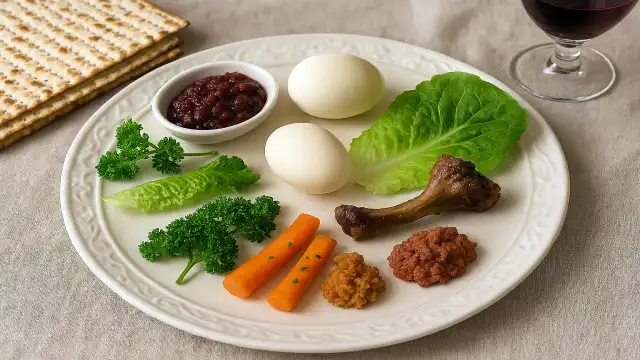
The Seder plate is the visual anchor of your table. It holds six specific items that act as edible symbols. You can buy a fancy silver platter, or you can use a nice ceramic dinner plate. The container matters less than the content.
The Traditional Six
- Zeroa (The Shank Bone): Represents the Paschal lamb sacrifice. Hack: You can use a roasted chicken neck or a beet for a vegetarian option.
- Beitzah (The Egg): A hard-boiled, roasted egg. It symbolizes the cycle of life and mourning the destruction of the Temple.
- Maror (Bitter Herbs): Usually horseradish. It represents the bitterness of slavery.
- Charoset (The Paste): A sweet mix of fruits, nuts, and wine. It looks like the mortar used by slaves to build bricks. Trust me, this is the most delicious thing on the table.
- Karpas (The Green Vegetable): Parsley, celery, or potato. It represents spring and rebirth.
- Chazeret (Second Bitter Herb): Often romaine lettuce (the roots are bitter).
Modern Additions (The 2026 Twist)
In recent years, many hosts have added items to the plate to make the Seder more inclusive and relevant to modern social justice issues.
- An Orange: Represents the inclusion of LGBTQ+ Jews and women in Jewish leadership. The seeds are spit out to reject homophobia/sexism.
- Fair Trade Chocolate: A reminder that slavery still exists in supply chains today (specifically cocoa harvesting).
- A Banana: Placed to honor modern refugees, inspired by the Syrian refugee crisis.
- Miriam’s Cup: A cup of water placed next to Elijah’s cup to honor Miriam the Prophetess and the role of women in the Exodus.
The Stress-Free Hosting Timeline
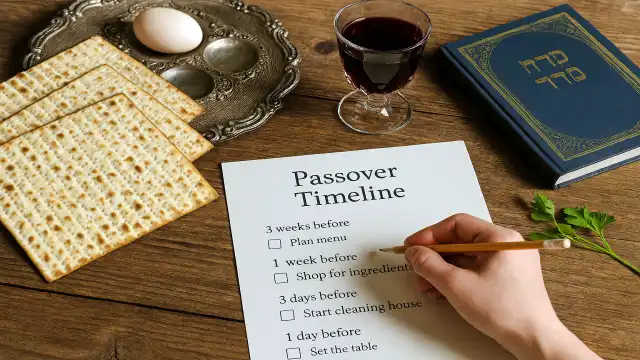
The secret to a calm host is working backward. Do not try to do everything on April 1st. You will cry, and nobody wants tears in the matzah ball soup.
3 Weeks Out (Mid-March)
- The Guest List: Finalize your numbers.
- The Haggadah: This is the book you read from. If you have a diverse crowd (kids, non-Jews, impatience veterans), avoid the all-Hebrew traditional ones. Recommendation: Look for “30 Minute Seder” PDFs or “The PJ Library Haggadah” for families.
- Order the Meat: If you are cooking a brisket or turkey, order it now. Butchers run out.
2 Weeks Out
- Menu Planning: Keep it simple. One main, two sides, soup, and salad.
- Delegate: Do not be a hero. Ask Aunt Sarah to bring the wine. Ask your friend to bring the dessert (fruit salad or macaroons).
- Check Your Chairs: Do you have enough? If not, borrow folding chairs now.
1 Week Out
- The Big Shop: Buy all non-perishables. Matzah, grape juice, candles, napkins.
- Deep Clean: If you are strictly “Kosher for Passover,” this is when you scrub the kitchen. If you are “Reform-ish,” just give the dining room a good vacuum.
- Cook and Freeze: Brisket actually tastes better if cooked in advance and frozen. Make your soup stock now, too.
2 Days Before (Monday, March 30)
- Defrost: Move that brisket from the freezer to the fridge.
- Make Charoset: The flavors need time to meld.
- Boil Eggs: Make plenty. People eat them with salt water as an appetizer.
The Morning Of (Wednesday, April 1)
- Set the Table: Do this first. It makes the house feel ready.
- The Seder Plate: Assemble the ritual foods.
- Relax: Take a shower. Put on shoes you can stand in. Pour yourself a pre-game glass of wine. You made it.
The 15 Steps (Simplified for Sanity)
The Seder has 15 specific steps. It sounds like a lot, but it flows naturally. You don’t need to memorize this; it’s in the Haggadah. However, knowing the flow helps you lead with confidence.
- Kadesh: Sanctification. We drink the First Cup of Wine.
- Urchatz: Washing hands (no blessing).
- Karpas: Dip the parsley in salt water. Eat it. This stimulates the appetite (and the questions).
- Yachatz: Break the middle Matzah. Hide the larger half (the Afikomen) for the kids to find later. This is high-stakes hide-and-seek.
- Maggid: The Story. This is the heart of the night.
- The Four Questions: Usually asked by the youngest child (“Why is this night different?”).
- The Four Children: Discussing different ways to learn.
- The Plagues: Dip your finger in wine for each plague.
- Dayenu: We sing “It would have been enough.”
- Drink the Second Cup of Wine.
- Rachtzah: Wash hands (with a blessing this time).
- Motzi Matzah: Eat the Matzah. It’s dry. It’s crunchy. It’s mandatory.
- Maror: Eat the bitter herbs. Clear your sinuses.
- Korech: The “Hillel Sandwich.” Matzah + Maror + Charoset.
- Shulchan Orech: THE MEAL. Finally! Eat the brisket. Drink water. Enjoy.
- Tzafun: Find and eat the Afikomen. The Seder cannot end until this is eaten. You usually have to “buy” it back from the kid who found it with a prize.
- Barech: Grace after meals. Drink the Third Cup of Wine.
- Hallel: Songs of praise. Open the door for Elijah the Prophet. Drink the Fourth Cup of Wine.
- Nirtzah: Conclusion. We say “Next Year in Jerusalem!”
- Songs: “Chad Gadya” (One Little Goat) is the classic closer. It’s basically a nursery rhyme about the food chain.
Modern Hosting Ideas: Make It Fun
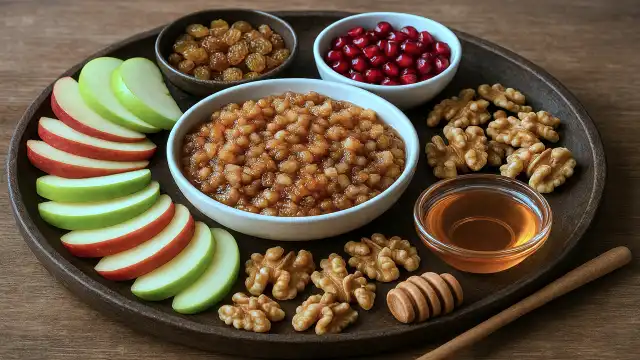
The biggest fear is boredom. Here is how to keep the energy up in 2026.
1. The “Charoset Board”
Move over, charcuterie. Create a “Charoset Board” for the center of the table. Offer three different types of charoset (e.g., Apple/Walnut, Date/Fig, Apricot/Pistachio) alongside different matzah crackers. It’s visually stunning and interactive.
2. Plague Props
Go to the dollar store. Buy sunglasses (darkness), plastic frogs, ping pong balls (hail), and toy cows (pestilence). When you recite the ten plagues, throw the props onto the table. The kids will lose their minds. It turns a scary part of the bible into a tactile lesson.
3. Ask Better Questions
The Haggadah text can be dense. Pause the reading and ask the table a real-life question:
- “What is something personal you want to be free from this year?”
- “Who are the modern heroes fighting for freedom today?”
This transforms the night from a lecture into a conversation.
4. Keep Snacks on the Table
The story part (Maggid) can take a long time before dinner is served. Hungry guests are grumpy guests. Keep bowls of pickles, olives, and veggies on the table. It is technically allowed (it’s the “Karpas” course extended), and it saves lives.
A Simple Menu That Wins
Don’t overcomplicate the food. Traditional comfort food wins every time.
- Starter: Matzah Ball Soup. (Tip: Use seltzer water in the mix for fluffy balls).
- Main: Slow-cooked Beef Brisket with onions and carrots.
- Side: Roasted root vegetables with thyme.
- Side: Potato Kugel (a savory potato casserole).
- Dessert: Flourless Chocolate Cake or Coconut Macaroons dipped in dark chocolate.
Pro-Tip: Make sure you check for dietary restrictions. Passover is a gluten-free paradise, but vegetarians often struggle if you only serve meat. A hearty quinoa salad is a great addition.
You Got This
At the end of the night, nobody is grading your performance.
The Seder is resilient. It has survived exile, wars, and shortages. It can survive your slightly dry turkey or your mispronunciation of Hebrew. The magic of Passover isn’t in the perfect table setting; it’s in the gathering. It’s in the chaotic, loud, wine-stained celebration of the fact that we are still here, telling the story.
So, pour that first cup of wine, take a deep breath, and lean to the left. You are free.
Frequently Asked Questions
How long should a Seder actually take?
There is no legal limit, but read the room. An Orthodox Seder can last until 2:00 AM, but for most modern families, the sweet spot is 45 to 90 minutes for the service (Maggid) before dinner is served. If you have young children, aim for a “30-Minute Seder.” The goal is engagement, not endurance. If guests are hungry and bored, you have missed the point of the holiday.
What is the secret timeline for a stress-free 3-hour event?
To keep the energy up, try this flow:
7:00 PM: Arrival & Appetizers (Dip veggies/pickles).
7:30 PM: Start the Seder (Kadesh through Maggid). Focus on the highlights.
8:30 PM: Serve Dinner (Shulchan Orech).
9:30 PM: Find the Afikomen, Dessert, and final songs.
10:00 PM: Coffee and goodbyes.
How do I involve kids without the table turning into chaos?
Gamify the experience. Don’t just read; do.
Edible Architecture: Let them build pyramids out of Matzah and Charoset during the story.
Plague Bags: Give them masks or toys for frogs and wild beasts to throw at the appropriate time.
The Afikomen: Offer a real prize (cash, a book, or a toy) for finding the hidden matzah. It is the ultimate bribe for good behavior.
Can I host a mixed-diet Seder (Kosher + Non-Kosher guests)?
Absolutely. The key is transparency. If you are keeping Kosher for Passover, simply tell your non-observant guests: “The house is Kosher for the week, so please don’t bring outside food, but I’ve got plenty of wine and dessert covered!” Most guests are relieved to just show up without cooking. If you have strict Kosher guests eating at a non-strict home, buy them sealed Kosher meals and disposable cutlery so they feel comfortable.

What modern rituals can I include safely without offending tradition?
Many 2026 Seders now include:
The Orange: Placed on the Seder plate to support LGBTQ+ inclusion and women’s roles.
Miriam’s Cup: A goblet of water to honor the women of the Exodus.
The Fifth Question: Ask guests, “What are we enslaved to today?” (Technology, work, anxiety).
These additions don’t replace tradition; they expand the conversation.
When should I actually start prepping food and table settings?
Do not touch the table on the day of the Seder. Set your table 24 hours in advance.
2 Days Before: Make the soup, brisket, and kugel (flavors improve with time).
Morning Of: Roast the shank bone/egg, chop the salad, and relax.
If you are cooking during the Seder, you will be too stressed to lead it.
How do I handle guests who don’t know the Haggadah or Hebrew?
Avoid “Round Robin” reading where everyone is forced to read a paragraph; it causes anxiety for those who can’t read Hebrew or read English slowly. Instead, assign specific, fun parts to confident readers beforehand, or use a phonetic Haggadah. Focus on English discussion rather than Hebrew chanting.
Are there allergy-friendly menu ideas for Passover?
Passover is accidentally the best holiday for Gluten-Free (GF) diners, as wheat is forbidden (unless it’s Matzah).
GF: Use almond flour for cakes and quinoa for side dishes.
Vegan: Use agar-agar instead of gelatin, and swap the shank bone for a roasted beet.
Nut-Free: Be careful with Charoset (often walnuts). Make a separate “nut-free” bowl using seeds or just fruit.
Where can I find printable Haggadahs or digital options?
Don’t rely on the dusty books from the 1980s.
Haggadot.com: Allows you to mix and match readings to create a custom booklet.
PJ Library: Offers fantastic, colorful PDF downloads specifically for families with kids.
Sefaria: Has free digital versions if guests prefer reading off tablets (if you are using electronics).
What are the essential steps for a “Minimalist” Seder?
If you are overwhelmed, focus on the “Pesa-Matzah-Maror” rule. Rabban Gamliel stated you only need three things to fulfill the obligation:
Pesach: Discuss the sacrifice (freedom/gratitude).
Matzah: Eat the unleavened bread (humility/haste).
Maror: Taste the bitter herbs (empathy for suffering).
Everything else is commentary. Nail these three, and you have hosted a valid Seder.
Ready to host?
Start your prep today. Check your pantry for Matzah, text your family the date (April 1st!), and maybe just maybe buy those plastic frogs.
Next year in Jerusalem. This year, at your house.
Sources:
- hebcal.com
- sukkot.com
- thejewishnetwork.org
- reformjudaism.org

