
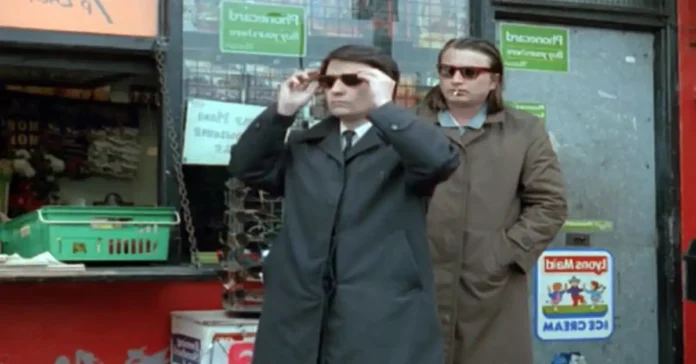
What happens when you decide life is over, pay a total stranger to end it for you, and then immediately stumble into love? That bizarre dilemma powers I Hired a Contract Killer, Aki Kaurismäki’s delightfully bleak 1990 crime comedy set in the fog of industrial London. Packed with dry wit, retro jukebox jams, and a beating human heart, this offbeat gem turns pure tragedy into sheer movie gold.
The Premise
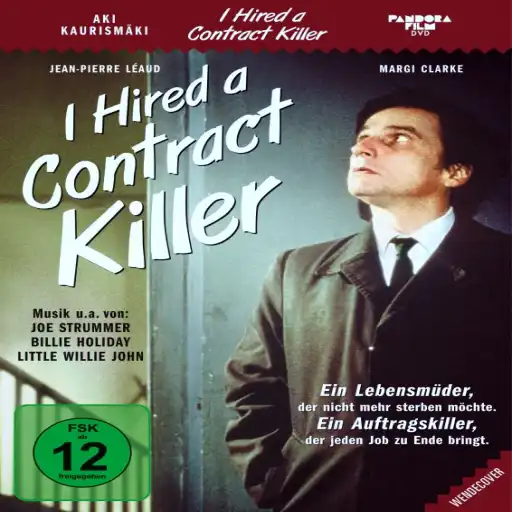
Henri Boulanger has hit a brick wall. A quiet French expat living in London, Henri has spent fifteen long years working as an obedient clerk at HM Waterworks. One gray morning, corporate management abruptly hands him a cheap parting watch, shakes his hand, and kicks him to the curb because of company privatization.
Have you ever felt so discarded that the whole world seemed to turn its back on you? Henri takes the rejection to heart. He has no family, zero close friends, and no idea how to build a life outside his gray desk.
Naturally, he decides to end it all. The trouble is, dying proves surprisingly difficult.
First, he shoves his head into a gas oven, only to find the gas company workers are out on strike. Next, he attempts to hang himself from a ceiling pipe, but the knot gives way and dumps him onto the floor.
Frustrated by his own bad luck, Henri decides to outsource the job. He takes his redundancy pay and heads down into a seedy East End dive bar called “Honest Ned’s.”
There, he cuts a deal with a shadowy broker to hire a professional hitman. The rules are simple: the killer can strike anywhere, anytime over the next two weeks, giving Henri no warning.
Then, fate pulls a fast one on him.
Walking into a neighborhood tavern, Henri orders a shot of whisky — the very first alcoholic drink of his entire life.Burning liquor hits his tongue just as Margaret, an outspoken blonde selling red roses, walks through the doorway. Their eyes lock across the smoky room.
Sparks ignite in an instant. For the first time in memory, Henri genuinely wants to live.
Every solid i hired a contract killer summary hits the exact same snag right here: how do you cancel a murder contract when the bar where you signed the paperwork has been completely bulldozed by wrecking crews? Henri frantically rushes back to call off the hit, only to find a pile of rubble and no way to reach his stalker. An existential crisis turns into a race against the clock.
A Foreign Director in Thatcher’s Backyard
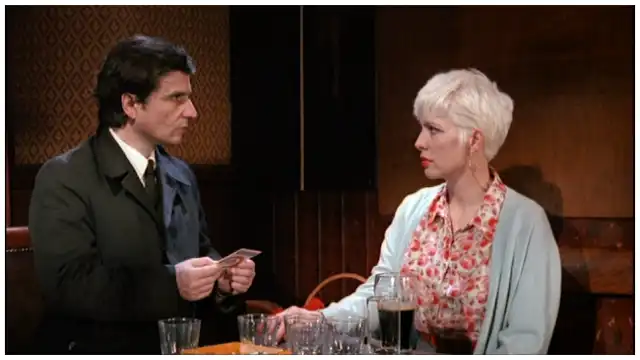
Taking Finnish storytelling to London was a massive gamble for Aki Kaurismäki. Up until 1990, the Finnish director had built his reputation on home turf, crafting films about down-and-out workers in Helsinki. He had just wrapped up his famous Proletariat Trilogy — consisting of Shadows in Paradise, Ariel, and The Match Factory Girl — which examined the quiet struggles of garbage collectors, miners, and factory hands.
Moving across the North Sea to film an English-language feature on a modest £800,000 budget could have watered down his style. Instead, it sharpened his focus.
Britain in 1990 was navigating the turbulent aftermath of Prime Minister Margaret Thatcher’s free-market revolution. State-run companies were auctioned off to private investors. Longtime workers were tossed onto the unemployment scrapheap with little safety net.

You will not see Big Ben, red double-decker tourist buses, or fancy royal palaces in this movie. Kaurismäki points his lens at forgotten corners: peeling wallpaper in boarding houses, rusty dockyards along the River Thames, grease-stained diners, and rain-soaked brick alleys. London becomes a ghost town of industrial memory.
By framing Henri’s despair against real economic hardship, the movie grounds its dark humor in genuine working-class pain. Kaurismäki treats the discarded worker not as an economic statistic, but as a human soul deserving of dignity and grace.
Aki Kaurismäki’s Deadpan Cinematic Style
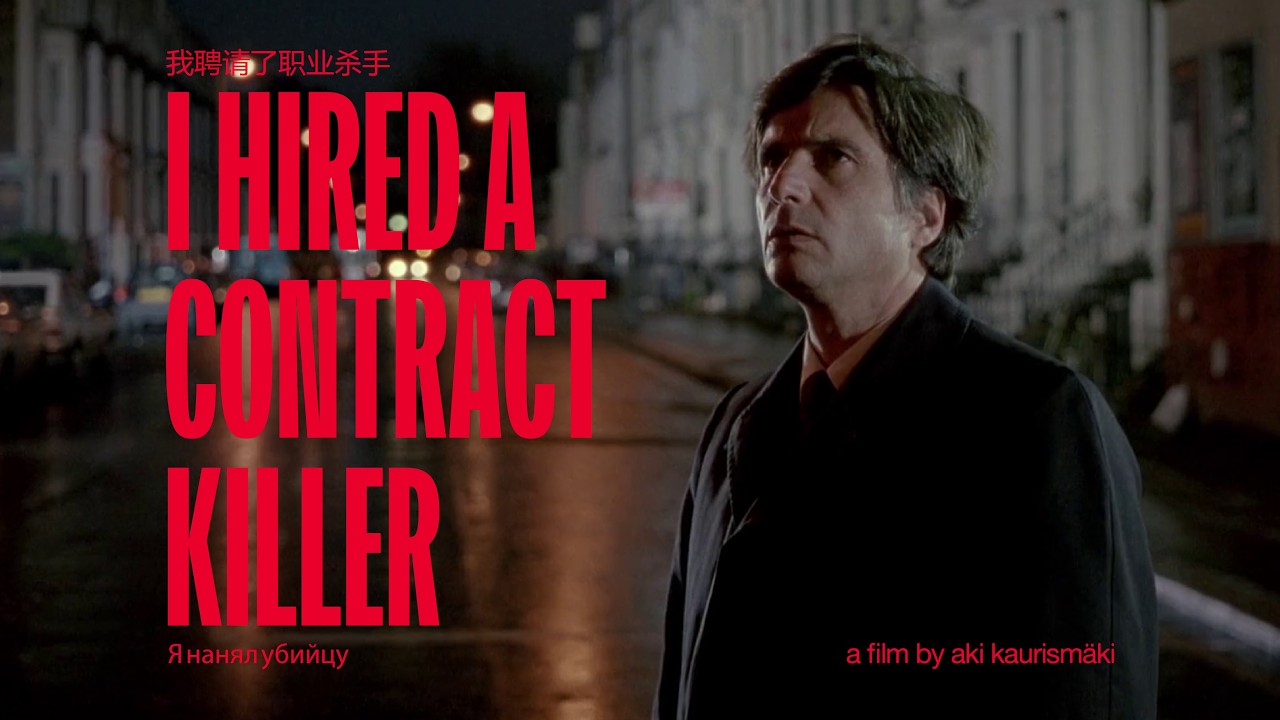
What does film critics mean when they call a movie “deadpan”? Think of deadpan as the art of delivering a punchline with an unblinking, poker face.
If Hollywood comedy relies on characters shouting, waving their arms, and making goofy faces, Kaurismäki does the exact opposite. Characters stand rigid. They stare ahead with stone-faced expressions while extraordinary, bizarre events unfold around them.
When studying aki kaurismaki i hired a contract killer, you quickly realize how much humor hides inside awkward pauses. Two characters might sit across a tiny wooden table, smoke a cigarette down to the filter, take a slow sip of tea, and exchange three words that land harder than a ten-minute monologue.
Silence is not empty space in this film; it is loaded with feeling. Kaurismäki co-wrote the script alongside Finnish film scholar Peter von Bagh, stripping away all unnecessary chatter.
Nobody monologues about their feelings. Pain is shown through a twitch of the jaw, an empty glance out an apartment window, or the lonely squeak of shoes on wet asphalt.
The balance between gloom and absurdity creates pure magic. How can hiring your own killer be funny? Because the characters treat assassination with the exact same casual boredom as ordering a cup of instant coffee. That contrast cuts through melodrama, giving the movie its singular flavor.
Meet the Cast
Great directing only works if you have the right faces on screen, and the i hired a contract killer cast is an inspired mismatch of cinematic legends.
Jean-Pierre Léaud plays Henri Boulanger with hypnotic melancholy. Movie buffs immediately recognize Léaud as the boy from François Truffaut’s 1959 French New Wave triumph, The 400 Blows. Léaud spent decades playing eccentric, fast-talking intellectuals in Paris.
Dropping that French arthouse icon into a drafty London flat was an ingenious move. Léaud could barely speak English when production kicked off.
Rather than masking the language barrier, Kaurismäki leaned straight into it. Henri’s stiff, carefully pronounced English makes him feel like a visitor from outer space. He clings to polite manners like a shield, making his loneliness feel intensely real.
Margi Clarke provides the perfect counterbalance as Margaret. A working-class girl selling flowers in dim pubs, Margaret shines with unfiltered warmth.
Clarke’s bleach-blonde hair and bouncy Liverpool accent bring vibrant life to Henri’s muted universe. She does not pity Henri; she recognizes his sadness and decides he is worth saving.
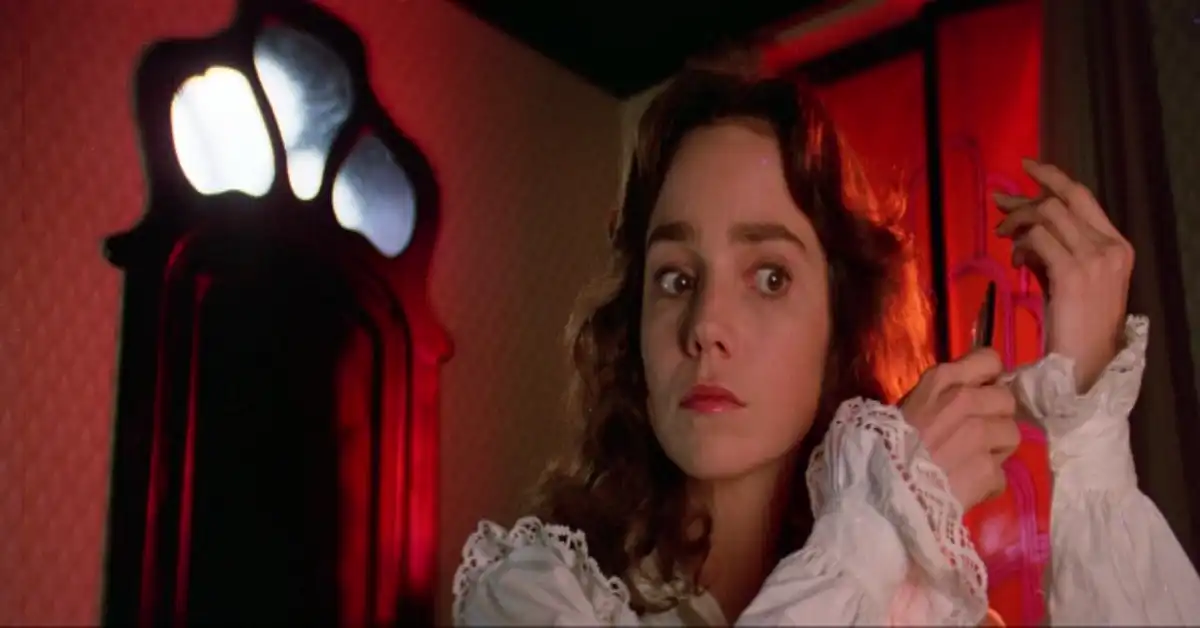
French cinema legend Serge Reggiani even makes a charming appearance as Vic, a friendly French restaurant boss who offers Henri a brief sanctuary. Every performer understands the director’s rhythm, never over-acting or begging for cheap laughs.
Kenneth Colley and the Humanized Hitman
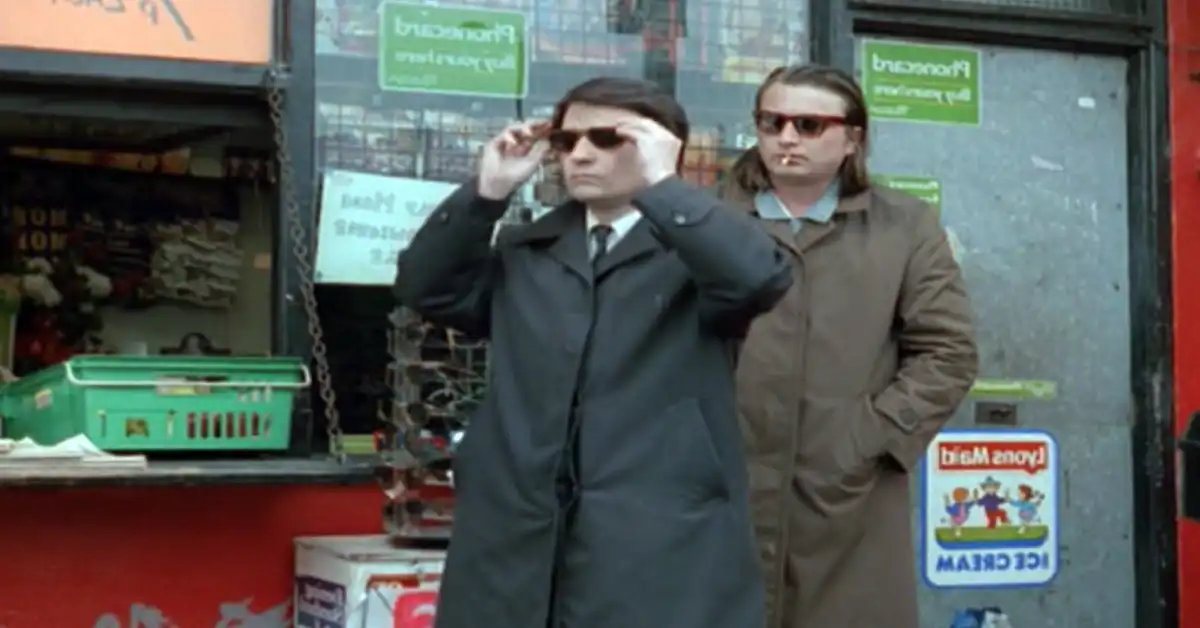
Every thriller needs an assassin, but Kaurismäki gives us someone entirely unexpected. Kenneth Colley portrays the nameless killer tasked with hunting Henri down.
Sci-fi enthusiasts will recognize Colley as the terrifying Imperial officer Admiral Piett from Star Wars: The Empire Strikes Back. In this film, however, he trades shiny sci-fi uniforms for a threadbare trench coat.
This hitman is not an icy, unstoppable killing machine. He is a sick, aging man battling terminal lung cancer.
Why did he take the contract on Henri? Because he wants to leave some savings behind so his daughter can have a stable future after he is gone.
His heavy coughing fits mirror the death throes of the dying industrial neighborhood around him. When Margaret bumps into the killer in a pub and begs him to call off the job, he looks at her with tired, sorrowful eyes.
Death is simply his trade. By turning the hitman into a sympathetic working guy trapped in his own tragic circumstances, the movie deepens its emotional stakes. Both Henri and his pursuer are victims of an indifferent world, bound together by an ironic contract neither of them truly wants.
Timo Salminen’s Visual Craft
A huge reason this film lingers in your memory is how stunning it looks. Kaurismäki’s longtime cinematographer, Timo Salminen, shot the picture on rich 35mm film stock, picking up a prestigious Jussi Award for Best Cinematography.
Salminen avoids the handheld cameras and shaky lenses common in modern indie cinema. The camera stays fixed on a sturdy tripod.
Compositions are arranged like vintage oil paintings. Salminen lights his sets using deep, velvety shadows contrasted by bold splashes of primary color.
Bright crimson roses practically burn against dark wood paneling. Electric blue neon signs reflect off wet, oily street puddles.
Even the drabbest kitchen looks deliberate and striking under his lighting rigs. Light cuts across Jean-Pierre Léaud’s angular face, carving out deep shadows under his cheekbones and drawing our attention directly to his sad, expressive eyes.
Salminen proves you do not need a hundred million dollars to create gorgeous cinematic art. You just need an eye for geometry, patience, and a deep appreciation for the beauty hiding inside everyday decay.
That Electrifying Joe Strummer Cameo
Music serves as the beating pulse of Kaurismäki’s universe. He refuses to use generic orchestral scores to manipulate your emotions.
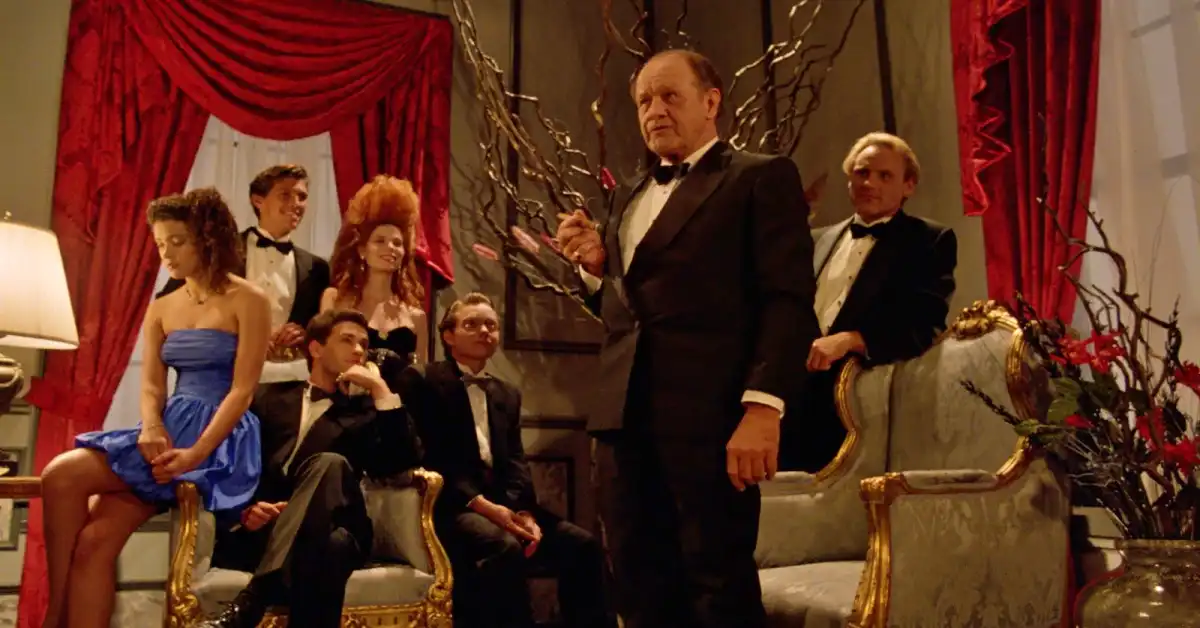
Instead, he fills the soundtrack with crackling vinyl tracks: vintage rhythm and blues, Finnish tango, and old-school rockabilly. The absolute highlight of the soundtrack is an unexpected cameo by punk legend Joe Strummer.
The former frontman of The Clash steps onto a small corner stage inside a crowded working-class pub. Holding an acoustic guitar, Strummer tears into two fiery tracks: “Afro-Cuban Bebop” and “Burning Lights.”
Thick cigarette smoke drifts past the microphone. Weary regulars lean against the wooden bar counter, nursing their pints in silence as Strummer’s raw, gravelly voice cuts through the room.
It never feels like a gimmicky celebrity appearance. Strummer fits the atmosphere like a glove, serving as the musical voice of England’s restless, battered working spirit.
Those two minutes of live music deliver pure soul. They remind the audience that no matter how broke or beaten down a community gets, raw art and shared songs keep human connection alive.
Retrospective Review & Cultural Impact
Revisiting the movie today proves just how timeless great auteur storytelling can be. Any comprehensive i hired a contract killer review must acknowledge how influential its premise became.
Hollywood borrowed the exact same narrative engine eight years later for Warren Beatty’s political satire Bulworth (1998), where an exhausted senator orders a hit on himself before finding a second wind on the campaign trail. Yet the American version traded intimate humanity for noisy Hollywood satire.
Kaurismäki’s film remains the superior work because of its tender, unpretentious soul. Running at a tight seventy-nine minutes, there is not an ounce of fat on the bone.
Every scene arrives on purpose, makes its point, and gets out of the way. The film handles heavy themes — unemployment, severe depression, urban isolation, and suicide — without ever slipping into cruelty or despair.
Kaurismäki understands that life can be deeply unfair. He knows institutions will throw you away when you outlive your economic usefulness.
Still, he stubbornly insists that human connection can rescue us. A cold beer, an old rock tune, and a bouquet of red roses from a stranger can be enough to pull a person back from the edge of the abyss.
Quick facts and production highlights
- Director and Screenplay: Aki Kaurismäki (co-scripted with Peter von Bagh)
- Starring: Jean-Pierre Léaud, Margi Clarke, Kenneth Colley, Serge Reggiani
- Guest Performance: Joe Strummer of The Clash
- Cinematography: Timo Salminen (Winner, Jussi Award for Best Cinematography)
- Runtime: 79 minutes
- Production Budget: Approximately £800,000
- Festivals: Premiered in competition at the 1990 Venice International Film Festival
Great cinema rarely needs giant explosions or high-speed chases to make an impression. Sometimes, all it takes is a rumpled coat, a quiet room, and a stranger willing to look you in the eyes and hand you a flower.
I Hired a Contract Killer stands as one of Aki Kaurismäki’s warmest and most accessible masterworks. It wraps tough social realities inside deadpan laughs, showing that unexpected joy has a funny habit of showing up right when you think the story is over.
If you appreciate idiosyncratic comedy with a massive heart, tracking down this British-Finnish oddity on streaming platforms like MUBI or The Criterion Channel will feel like finding a cozy haven on a stormy night.
I Hired a Contract Killer Review: Kaurismäki's Dark Comedy
Director: Aki Kaurismäki
Date Created: 1990-10-12 21:08
4

