

Mother!: Biblical Allegories (Who Represents God and Mother Earth?)
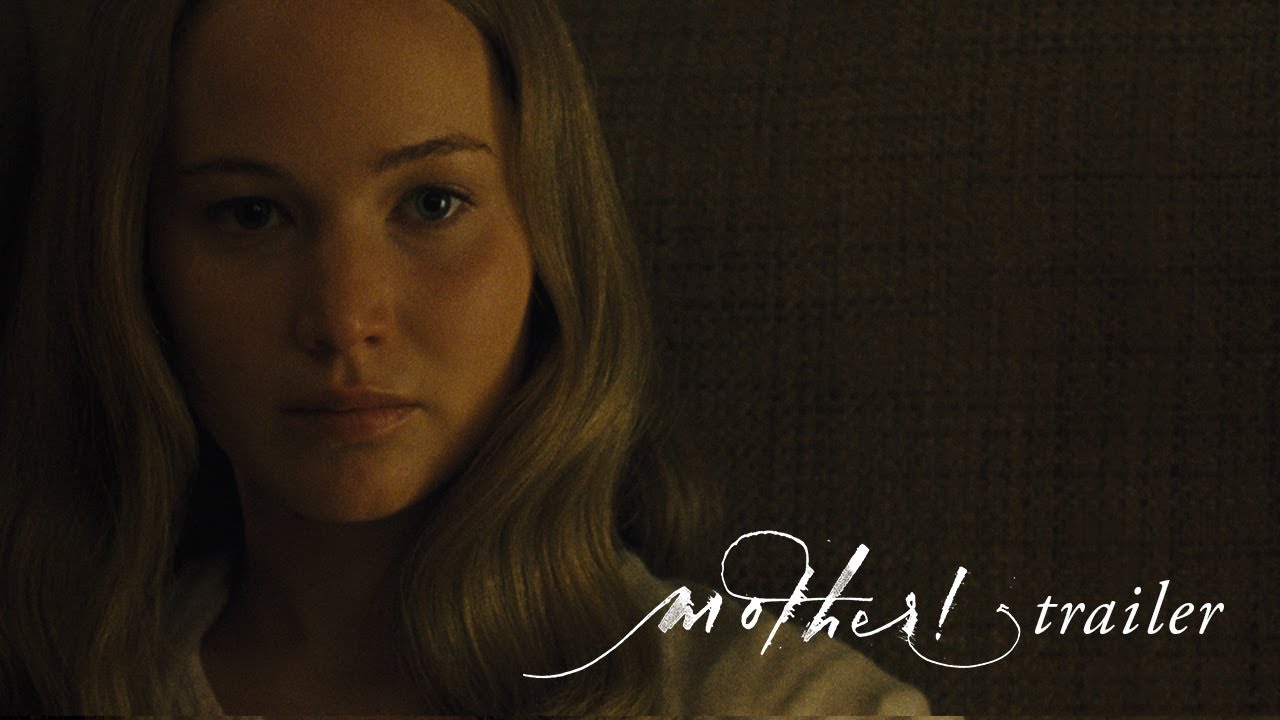
Did you finish watching Mother! feeling utterly bewildered? You are definitely not alone. When Darren Aronofsky released this psychological horror film, it left audiences collectively scratching their heads. People either completely loved it or absolutely hated it. However, the movie is not just a random sequence of chaotic events. Instead, it serves as a massive philosophical puzzle waiting to be solved.
What is the actual meaning behind the madness? Essentially, Mother! operates as a giant, terrifying allegory. Every character, room, and action stands for something much larger than itself. Specifically, the narrative tackles the history of humanity, religion, and climate change.
Key takeaways
- The Core Meaning: The movie retells the entire Bible from the perspective of Mother Nature.
- God and Earth: Javier Bardem plays the Creator (God), while Jennifer Lawrence represents Mother Earth.
- Humanity’s Flaws: The uninvited guests symbolize humans relentlessly destroying the planet.
- Cyclical Universe: The ending suggests God will endlessly restart creation after we destroy it.
- Secret Inspirations: The director drew heavy inspiration from the classic children’s book, The Giving Tree.
What is Darren Aronofsky’s Mother! actually about?
On the surface, the plot seems somewhat straightforward. A young woman lives a quiet life with her older poet husband. They reside in a beautiful, isolated country home. Suddenly, random strangers start showing up uninvited. Consequently, things spiral entirely out of control. The visitors systematically destroy the house, ignore the wife’s frantic pleas, and blindly worship the husband.
Why did the director make things so confusing? Aronofsky wanted to craft a narrative about how badly humans treat our planet. Furthermore, he used familiar stories from the Old and New Testaments to structure the plot. The film officially hit theaters on September 15, 2017. Unsurprisingly, it grossed $44.5 million worldwide against a $30 million budget. Yet, the financial numbers hardly capture its massive cultural impact. Audiences at the Venice Film Festival literally booed it during the premiere. Still, many critics loudly praised its sheer artistic ambition.
The Biblical Allegory
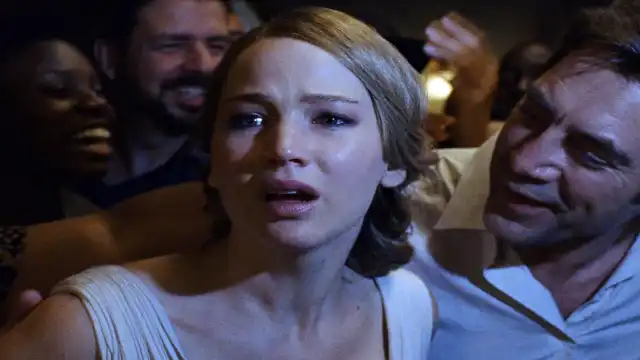
To fully grasp this film, you need a mental cheat sheet for the characters. Notably, none of them have actual names in the ending credits. Therefore, their identities remain purely symbolic.
1. Him (Javier Bardem) as God The Creator
Bardem plays “Him,” a deeply frustrated poet. Clearly, he represents the God of the Judeo-Christian Bible. He desperately wants to create meaningful art. Moreover, he craves constant love and adoration from his fans. Notice how he never actually helps his wife clean or fix the house? Instead, he just basks in the endless praise of his followers. Ultimately, this paints a picture of a narcissistic creator. He seemingly loves humanity much more than he loves the Earth itself.
2. Mother (Jennifer Lawrence) as Mother Earth
Lawrence plays the titular “mother”. Unquestionably, she embodies Mother Nature. Her entire existence revolves around fixing the house and making it a peaceful paradise. Have you noticed she never wears shoes? Because of this, she stays literally grounded and connected to the wooden floorboards. She can literally feel the house’s heartbeat. Whenever intruders damage the walls, she feels intense physical pain.
3. Man (Ed Harris) as Adam
Eventually, a sick doctor arrives at the front door. Ed Harris plays this character, credited only as “Man.” He undeniably represents Adam, the very first human. During his first night, he gets violently ill. Watch closely when he throws up in the bathroom. You will spot a severe, bleeding wound on his side. Specifically, the injury sits right over his ribcage. According to the Bible, God took one of Adam’s ribs to miraculously create Eve.
4. Woman (Michelle Pfeiffer) as Eve
The very next morning, the Man’s wife unexpectedly shows up. Michelle Pfeiffer plays “Woman,” stepping perfectly into the role of Eve. She acts arrogant, incredibly nosy, and highly disrespectful of the house rules. Soon, she inevitably wanders into the poet’s forbidden upstairs study.
The forbidden fruit and the first murder
Things get crazy fast. Let’s break down the major biblical events hidden in the first half of the movie.
- The Garden of Eden: The isolated, beautiful house represents the Garden of Eden. Furthermore, the poet’s private study acts as the absolute center of this sacred paradise.
- The Forbidden Fruit: Inside the study, the poet keeps a delicate, glowing crystal. He strictly forbids anyone from touching it. Naturally, Adam and Eve (Harris and Pfeiffer) sneak in anyway. They accidentally shatter the crystal. Consequently, the furious poet banishes them from the room and boards up the door. Obviously, this directly mirrors God kicking Adam and Eve out of Eden.
- Cain and Abel: Shortly afterward, the couple’s two grown sons arrive. Played by real life brothers Domhnall and Brian Gleeson, they start a vicious argument over an inheritance. The older brother brutally murders the younger brother. Thus, we witness the tragic story of Cain and Abel. His blood permanently stains the wooden floorboards, representing humanity’s first sin permanently scarring the Earth.
The great flood and the new testament
Following the murder, dozens of uninvited guests flood the house to mourn. They act horribly. They disrespect the furniture and completely ignore Mother’s stern warnings. Eventually, they break an unsecured sink. As a result, water aggressively floods the entire ground floor. This sudden disaster forces everyone out.
Does this sound familiar? Indeed, it represents the story of Noah’s Ark and the Great Flood. God uses massive amounts of water to cleanse the world of humanity’s wicked behavior.
After the flood, peace briefly returns to the home. Mother gets pregnant. Simultaneously, the poet finally writes his flawless masterpiece. This highly anticipated new book represents the New Testament. It brings a massive, obsessive crowd directly to their doorstep.
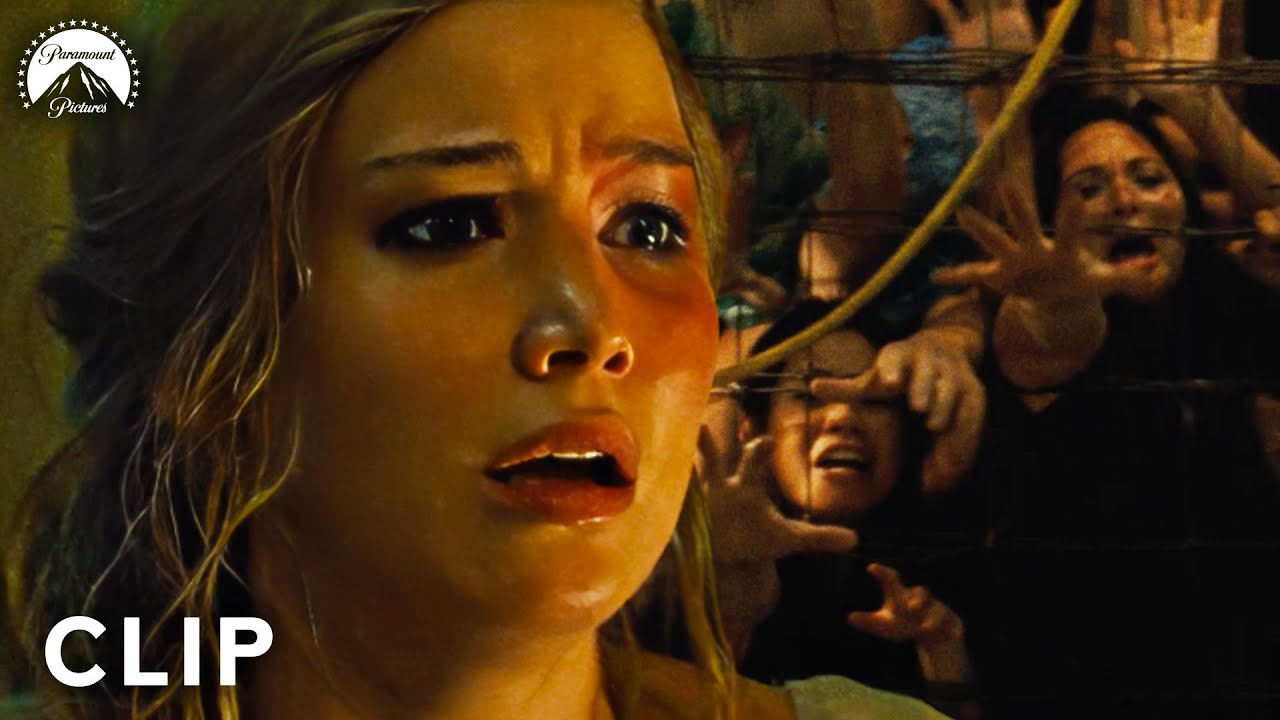
Here, the allegory absolutely shifts into overdrive. The fans represent the explosive, chaotic growth of modern religion. First, they arrive peacefully to celebrate the poet. Soon, however, they begin stealing things as “souvenirs.” They fight, riot, and eventually start a full blown war inside the living room. You can spot riot police, human trafficking, and brutal executions. Basically, Aronofsky shows the darkest, most violent parts of human history crammed into a single house.
The eucharist explained
Eventually, amidst the war, Mother gives birth to a baby boy. The baby perfectly symbolizes Jesus Christ. The poet aggressively begs to hold the child, wanting to share his only son with his adoring followers. Mother vehemently refuses, knowing the fanatic crowd is dangerous. Finally, from pure exhaustion, she falls asleep. The poet immediately sneaks the baby away.
What happens next is deeply disturbing. The crazed crowd passes the baby around like a trophy in a wild frenzy. Tragically, they accidentally snap his tiny neck. Then, they literally eat his flesh.
Why include such a gruesome, nightmare inducing moment? Aronofsky is visualizing the Christian sacrament of Communion (the Eucharist). During Communion, believers eat bread and drink wine. These specific items symbolize the body and blood of Christ. By showing this process literally, the director heavily critiques how religious followers consume, twist, and corrupt the beautiful gifts given by the Creator. Mother screams in pure agony. The humans just murdered her child.
Yellow potion and the heartbeat
Before we reach the explosive ending, we must address some weird background details. These unique insights make the film a true masterpiece of symbolism.
- The Yellow Potion: Throughout the film, Mother frequently drinks a strange yellow powder mixed with water. Whenever the house gets invaded, she panics. Consequently, she drinks the potion to quickly calm down. What does this represent? Many theorists connect it to the famous short story The Yellow Wallpaper. It symbolizes the heavy medication or suppression of a woman’s natural instincts by an overbearing husband. Alternatively, it represents Mother Earth using natural remedies to heal her own anxiety.
- The Bleeding Floor and the Toad: After Abel’s murder, a gnarly bloodstain opens up in the floor. Later, a grotesque toad hops out of it. In the Bible, frogs were one of the devastating plagues of Egypt. This small, gross detail perfectly foreshadows the absolute chaos that is about to unleash.
- The Dying Heartbeat: Mother literally places her bare hands on the walls to feel a beating heart inside the house. As humanity’s destruction aggressively worsens, the heart slowly turns black and decays into ash. Naturally, this symbolizes the dying, polluted core of our real world planet.
Humanity’s destruction of mother nature
Beyond religion, the movie carries a massive, unavoidable environmental warning. In fact, Aronofsky explicitly calls it a movie about climate change. Furthermore, he admitted to being inspired by the classic children’s book The Giving Tree.
Humanity acts exactly like a terrible houseguest. We arrive totally uninvited. We selfishly consume all the natural resources. We stubbornly refuse to leave. Ultimately, we destroy the very shelter that keeps us alive.
When the deranged crowd kills her baby, Mother completely snaps. She violently fights her way down to the basement. There, she deliberately ignites the central oil tank. The entire house explodes in a massive, fiery fireball. This fiery apocalypse squarely represents the inevitable destruction of our planet. If we keep carelessly abusing Mother Earth, she will eventually fight back and wipe us all out.
Ending explained
After the massive explosion, everything instantly turns to charred ash. Surprisingly, only the poet survives completely unharmed. Why? Because God is entirely eternal.
He tenderly carries Mother’s burned, dying body. She sadly tells him she has absolutely nothing left to give. He firmly disagrees. Reaching directly into her chest, he forcefully pulls out her blackened heart. Magically, it turns into a brand new, glowing crystal.
He confidently places the crystal on a metal stand. Suddenly, the ruined house flawlessly rebuilds itself from the ashes. A completely new woman wakes up peacefully in the bed. The screen abruptly cuts to black.
What does this final twist mean? It implies a truly terrifying cycle. God is inherently lonely and fiercely demands to be worshipped. Therefore, he will continuously create new worlds, new Earths, and new versions of humanity. We are just one temporary version of his grand experiment. Once we inevitably ruin this planet, he will simply start over with a fresh one.
Why Mother! remains a controversial masterpiece
People still fiercely debate this movie today. Some critics loudly call it pretentious garbage. Others passionately view it as a brilliant, once in a generation work of art.
Why did it make people so incredibly angry?
- Religious Controversy: Many viewers felt the film openly mocked the Bible. Showing God as an egotistical narcissist highly offended plenty of traditional believers.
- Brutal Violence: The infamous baby scene easily crosses a line for most general audiences.
- Marketing Deception: The theatrical trailers totally promised a standard haunted house thriller. Instead, ticket buyers got a surreal, punishing philosophical nightmare.
Nevertheless, Mother! forces us to look deeply in the mirror. Are we endlessly taking our planet for granted? Are we blindly following powerful leaders who genuinely do not care about our home? These tough questions make the film practically impossible to forget.
Final thoughts
To sum it up beautifully, Darren Aronofsky’s Mother! is infinitely far more than a simple horror flick. It stands tall as a complex, deeply thought provoking allegory about the Bible, Mother Nature, and the highly destructive nature of humanity. By accurately viewing Jennifer Lawrence as the Earth and Javier Bardem as God, the confusing, chaotic plot finally makes perfect, undeniable sense.
You might not necessarily want to watch it twice. Still, you absolutely have to respect its bold, unapologetic vision. Next time you step outside, maybe try to treat the Earth just a little bit better. After all, it is the only house we currently have.
What did you think? Did this breakdown fundamentally change how you view the movie? Have you magically spotted any other hidden biblical Easter eggs we missed? Drop your thoughts in the comments below! Moreover, don’t forget to share this definitive guide with that one friend who is still completely confused by the ending of Mother!.

