

So, you’re thinking about heading down to the Big Easy? Good choice. But let’s be real for a second—you aren’t just coming for the beignets and jazz, are you? You want to know if the stories are true. You want to know if the air really gets colder when you walk past that certain mansion on Royal Street, or if Voodoo is just a Hollywood gimmick.
Well, pull up a chair. I’m going to take you past the tourist traps and straight into the weird, wonderful, and slightly terrifying heart of the French Quarter. We’re talking about a city where the dead don’t just stay buried; they get reserved tables at restaurants.
The Real Deal: Voodoo in the Crescent City
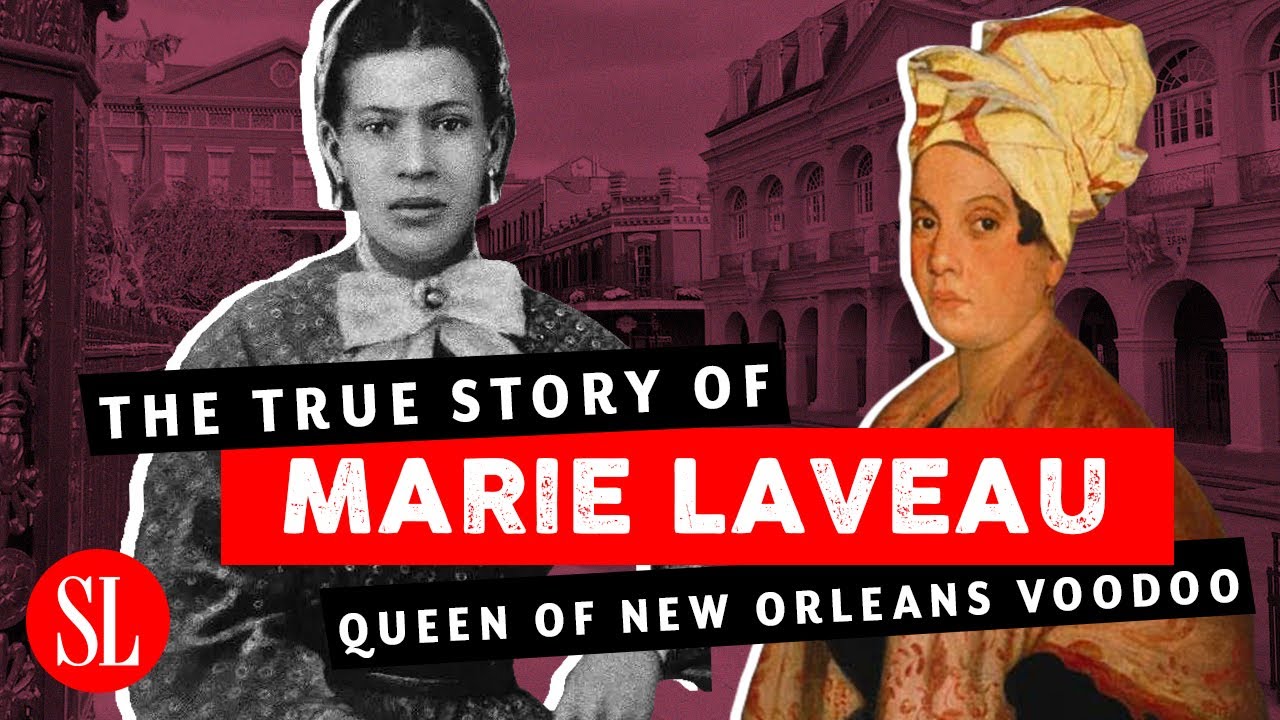
Forget what you saw in American Horror Story. Real New Orleans Voodoo (or Vodou) isn’t about sticking pins in dolls to hurt your ex. It’s actually a deeply spiritual religion, blending West African traditions with Catholicism.
Marie Laveau: The Boss of the Quarter
You can’t walk a block in the French Quarter without hearing her name: Marie Laveau. She wasn’t some wicked witch living in a swamp; she was a free woman of color who lived right on St. Ann Street. By day, she was a hairdresser for wealthy white socialites.
Think about that for a second.
She was touching their hair, listening to their gossip, and learning their darkest secrets. Then, she’d use that “intel” to give shockingly accurate spiritual advice. Genius, right?
- The Myth: Legend says she lived to be over 100 years old.
- The Fact: She died in 1881 at age 79. The confusion happened because her daughter, also named Marie (Marie II), looked just like her and took over the practice. It was the ultimate 19th-century PR stunt.
Where to Find Authentic Voodoo Today
If you want to see the real thing, skip the plastic souvenirs on Bourbon Street. Head over to the Voodoo Spiritual Temple on North Rampart Street. It was founded in 1990 by Priestess Miriam Chamani, a legendary figure who focuses on traditional West African healing and herbalism. She’s the real deal, and a chat with her will change your whole perspective on the religion.

Pro Tip: If you’re in town during the Summer Solstice (June 23rd), look for St. John’s Eve celebrations. The International House Hotel often hosts a legitimate head-washing ceremony with Priestess Sallie Ann Glassman. It’s a powerful, respectful way to witness the culture alive and kicking.
St. Louis Cemetery No. 1: The City of the Dead

You’ve seen the photos—those crumbling, above-ground tombs that look like miniature houses. Because New Orleans is below sea level, burying people underground was… well, let’s just say “messy” (coffins popping up during floods is a nightmare nobody wants).
Visiting Marie Laveau’s Tomb
This is the big one. Marie Laveau’s tomb is the second most-visited grave in the U.S., right behind Elvis Presley.
- Don’t Do This: Do NOT mark three X’s (“XXX”) on the tomb. That’s vandalism, not a ritual. The Archdiocese is strict about this, and they have cleaned it up.
- Do This: You strictly need a licensed tour guide to enter St. Louis Cemetery No. 1 as of now. You can’t just wander in anymore. Check out Cemetery Tours New Orleans for official access. Tickets usually run about $25, and it keeps the site preserved.
The Most Evil House in America: LaLaurie Mansion
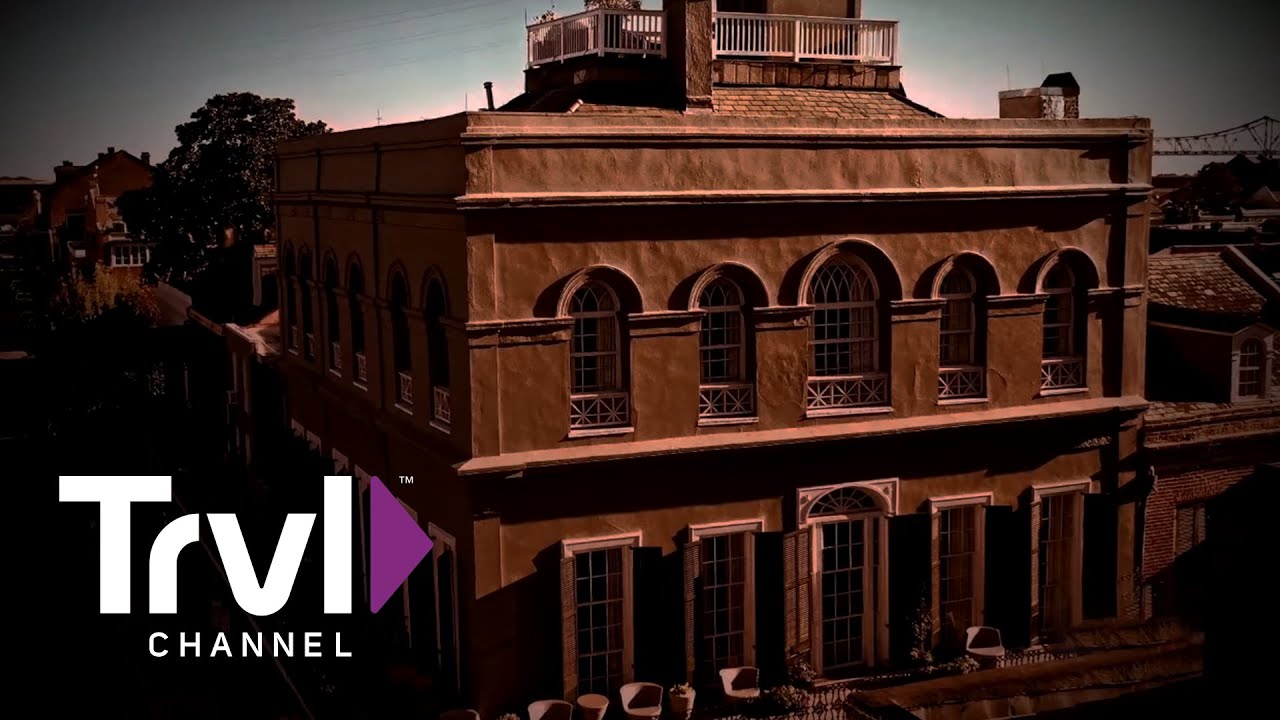
Take a deep breath. We need to talk about 1140 Royal Street.
You’ll see crowds standing outside this gorgeous grey mansion, snapping photos. But nobody goes inside. And trust me, you probably wouldn’t want to.
The True Horror Story
In 1834, a fire broke out in the kitchen. The story goes that an enslaved cook, a 70-year-old woman often called “Lia,” started the fire herself. She was chained to the stove and decided she’d rather die in the flames than face another punishment from the mistress of the house, Delphine LaLaurie.
When firefighters kicked down the doors to the attic, they vomited. They found enslaved people in cages, limbs broken and reset in bizarre shapes, and victims subjected to “medical experiments” that are too graphic to detail here. The citizens of New Orleans—who were not exactly squeamish—were so horrified they formed a mob and tore the house apart. The LaLauries escaped to Paris, never to be punished.
The Aftermath & Modern Hauntings
The house has cursed almost everyone who touched it since.
- Nicolas Cage: Yes, that Nic Cage. He bought it in 2007, hoping to write a horror novel there. Instead, he went bankrupt and lost the house to foreclosure in 2009.
- The Current Owner: As of late 2023, the mansion was purchased by Lance Zaal, a wealthy entrepreneur who actually owns a ghost tour company (“City Ghosts”). Talk about on-brand.
- The Ghosts: People walking by report hearing whispers right in their ears when no one is close. Recent construction workers have claimed to find bones under the floorboards—some with scratch marks, suggesting people were buried alive.
Dining with the Dead: Muriel’s Jackson Square
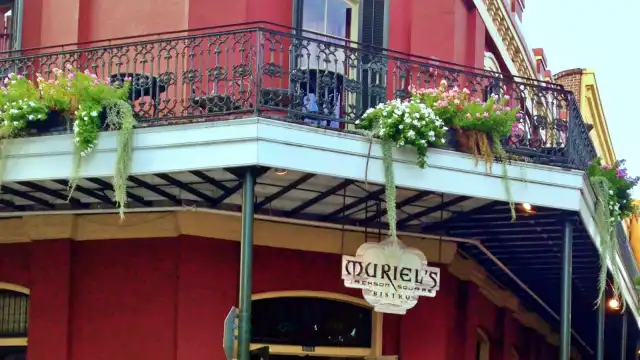
Let’s lighten the mood… slightly. How about dinner?
At Muriel’s Jackson Square, you can get an amazing Goat Cheese Crepe, but you might have to share your space. The building is haunted by Pierre Antoine Lepardi Jourdan. In 1814, he bet his beloved home in a poker game—and lost. Devastated, he committed suicide on the second floor before he could hand over the keys.
The Insider Experience:
Walk past the bar and look at the table near the window. You’ll see a table reserved with a white tablecloth, bread, and two glasses of wine. No one sits there. It is permanently reserved for Mr. Jourdan’s ghost. The staff says that if they don’t set the table, glasses start flying across the room.
A Ghostly Bedtime Story: Hotel Monteleone
If you’re staying at the Hotel Monteleone, you might want to ask who’s on the 14th floor. (Fun fact: It’s actually the 13th floor, but hotels are superstitious).
The most famous resident is a toddler named Maurice Begere. In the 1890s, he died of a fever while his parents were at the opera. His distraught mother returned to the hotel for years, hoping to see him. Finally, he appeared to her and said, “Mommy, don’t cry. I’m fine.”
Guests today report seeing a toddler running down the hall or feeling a small hand grab theirs. It’s one of the few “friendly” hauntings in the city, but it’ll still give you goosebumps.
Fast Facts for Your Trip (2026 Edition)
- Vampire Vibes: Feeling thirsty? The New Orleans Vampire Cafe on Royal Street serves “Fangria” in blood bags. It’s campy, fun, and owned by the same folks who run the Boutique du Vampyre (where you can get custom fangs made).
- Safety First: The French Quarter is generally safe, but stick to well-lit streets like Royal and Bourbon at night. Avoid wandering into dark alleys alone—ghosts aren’t the only things lurking there.
- Best Time to Visit: October is obviously peak “spooky season,” but the weather is actually better in November or early December. You get the haunts without the humidity.
Frequently Asked Questions (FAQs)
Can you go inside the LaLaurie Mansion in 2025?
No, unfortunately not. Despite its fame as the “Haunted Mansion” of the South, 1140 Royal Street is a private residence. You cannot tour the interior. The current owner, entrepreneur Lance Zaal, uses it for private events and stays. The best way to experience it is through a walking ghost tour that stops on the sidewalk to tell the gruesome history.
Is New Orleans Voodoo considered “black magic”?
Absolutely not. That is a Hollywood invention. New Orleans Voodoo is a legitimate, syncretic religion that blends West African spiritualism with Roman Catholicism. It focuses on connection with ancestors, healing, and nature. The “Voodoo dolls” you see in gift shops are mostly for tourists; real practitioners use effigies for healing or focusing energy, not inflicting pain.
Do I really need a tour guide for St. Louis Cemetery No. 1?
Yes, 100%. As of regulations set by the Archdiocese of New Orleans in 2015, the cemetery is closed to the general public to prevent vandalism. You must be accompanied by a licensed tour guide to visit the tomb of Marie Laveau. If you try to sneak in, you will be prosecuted for trespassing.
What is the “XXX” ritual on Marie Laveau’s tomb?
This is a debunked myth that you should avoid. Decades ago, tour guides told people to draw three X’s on the tomb, spin around, and make a wish. Do not do this. It is considered vandalism and disrespectful to the dead. If you want to leave an offering, flowers or coins are acceptable, but never write on the stone.
Is the French Quarter haunted?
It is widely considered one of the most haunted neighborhoods in America. Due to a history involving yellow fever epidemics, fires, and the horrors of slavery, “residual energy” is said to linger here. Locations like The Sultan’s Palace (Gardette-LePretre Mansion) and Lafitte’s Blacksmith Shop (one of the oldest bars in the U.S.) report almost daily paranormal activity.
Are ghost tours suitable for children?
It depends on the tour. Some “Vampire” or “True Crime” tours can be graphic, detailing torture and gore (like the LaLaurie stories). However, many “History and Haunts” tours are family-friendly and focus more on folklore than blood. Always check the age rating before booking.
Respect the Spirits
New Orleans isn’t like other cities. The history here is heavy, soaked into the humidity and the cobblestones. Whether you believe in ghosts or not, the stories of Marie Laveau, Madame LaLaurie, and the thousands of others who lived and died here are real.
So, go ahead. Take the tour. Drink the Fangria. Peek into the haunted mirror. Just remember to say “excuse me” when you bump into something invisible in the dark.
Ready to see the other side?
Book a walking tour with a local historian tonight—just make sure you’re back before the gas lamps flicker out.

