

SAARC National Flowers: Symbols of South Asia’s Heart
You’re hiking through misty Himalayan trails or chilling on a Maldives beach at sunset. Suddenly, a bloom catches your eye—vibrant, unexpected, whispering stories of resilience and love. That’s the magic of national flowers. They aren’t just pretty; they’re shorthand for a nation’s soul.
SAARC? Quick refresher if you’re new here. It’s the South Asian Association for Regional Cooperation, linking eight neighbors: Afghanistan, Bangladesh, Bhutan, India, Maldives, Nepal, Pakistan, and Sri Lanka. Born in 1985 to boost trade and chats across borders, SAARC’s vibe is all about unity amid diversity. And these flowers? They mirror that—rooted in shared soil, yet each with its own fierce personality.
Why obsess over petals? With climate shifts threatening wild blooms and cultural ties fraying under global noise, these symbols remind us of roots. They’re in festivals, flags, even poetry. Plus, who doesn’t love a good origin story? Stick around; we’ll unpack each one, symbolism first, then the real-world grit. Think of me as that buddy geeking out over botany at a bonfire. Ready? Let’s petal-push.
Afghanistan: The Tulip – Love’s Defiant Burst
Ever seen a tulip unfurl in rocky dirt? That’s Afghanistan’s national flower in a nutshell: Tulipa gesneriana, the wild tulip, tough as the Hindu Kush mountains it calls home. Known locally as lala in Farsi or khatol in Pashto, it’s not your Dutch bulb farm variety. These bad boys pop in spring, red and gold like desert sunrises.
What it symbolizes: Perfection and eternal love, sure—but dig deeper. In Afghan lore, tulips stand for resilience, blooming through war-torn soil and endless winters. They’re a nod to human dignity, echoing tales of lovers separated by feuds yet forever linked. Colors matter: Red for passion, yellow for hope. It’s like the flower says, “Yeah, life’s messy, but beauty fights back.”
Culturelly? Tulips weave into poetry—think Rumi vibes—and Nowruz celebrations, marking renewal. But here’s a gut-punch insight: Amid opium poppy shadows (Afghanistan grows 80% of the world’s supply, per UN stats), the tulip flips the script on “flower power.” It’s a quiet rebellion against stereotypes, symbolizing pure, non-narcotic grace.
Fun fact: Wild tulips once carpeted Central Asian steppes, traded along Silk Roads. Today, conservationists track them via apps—citizen science at its bloom-y best. If you’re trekking Bamiyan, spot one and ponder: How does something so fragile hold a nation’s unbreakable spirit?
- Where to see ’em: Band-e-Amir lakes, blooming April-May.
- Pro tip: Pair with Afghan kebabs for a sensory overload.
Bangladesh: The Shapla Water Lily—Purity in the Floods
Bangladesh, land of 700 rivers. Fitting, then, that its national flower floats right on them: the white water lily, Nymphaea nouchali, or shapla in Bengali. Delicate petals gleam like moonlight on monsoon swells, closing at dusk, reopening at dawn.
What it symbolizes: Purity amid chaos. Growing from muddy depths to spotless blooms, the shapla mirrors Bangladesh’s spirit—rising above floods that drown 20% of the country yearly (World Bank data). It’s life, love, and spiritual grace, tied to Hindu and Muslim rituals alike. In folklore, it whispers of constancy: No matter the storm, beauty endures.
This flower’s no wallflower. It stars on the national emblem, four stars orbiting its pad like guardian angels. During Pohela Boishakh (Bengali New Year), garlands of shapla deck dancers. Unique twist: In a delta where water is both lifeline and threat, it embodies adaptation. Scientists breed flood-resistent varieties now, blending tradition with tech.

What if your national symbol grew where most things drown? That’s shapla swagger—resilient, rooted, real.
- Bloom season: Year-round, peak in wetlands like Sundarbans.
- Cultural hack: Try shapla tea; it’s a mild sedative, straight from village wisdom.
Bhutan: Blue Poppy—Himalayan Serenity’s Secret
High up where oxygen’s a luxury, Bhutan’s Meconopsis gakyidiana the blue poppy thrives at 4,000 meters. Mistaken for M. grandis till a 2017 re-ID, it’s Bhutan’s 1969 pick for national flower. Petals like sapphire silk against snowy peaks.
What it symbolizes: Purity, peace, and Gross National Happiness (Bhutan’s quirky GDP alternative). That electric blue? It evokes nirvana’s calm, harmony with nature, and spiritual quests. No opium here just ethereal vibes, mirroring Bhutan’s eco-Buddhist ethos.
In practice, it’s sacred: Offerings in monasteries, motifs in thangka art. But climate change? It’s melting glaciers faster than you can say “carbon neutral.” (Bhutan’s the world’s only negative-emissions nation, absorbing more CO2 than it emits—Royal Society for Protection of Nature.) Insight: The poppy’s short bloom (two weeks) teaches impermanence, a Buddhist core. Spot one in Jigme Singye Wangchuck National Park, and it’s like nature’s haiku.
Question time: Can a flower measure joy? In Bhutan, damn right it can.
- Hunt spots: Bumthang Valley, June-July.
- Eco-nugget: Support poppy seed banks; they’re fighting extinction.
India: Lotus—From Mud to Divinity
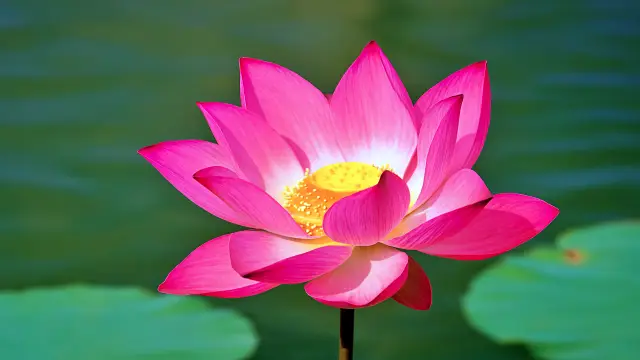
India’s Nelumbo nucifera, the lotus, isn’t subtle. Sacred since Vedic times, it’s the 1950 national emblem, petals unfolding like enlightenment itself.
What it symbolizes: Purity rising from muck—body, speech, mind untainted. In Hinduism, Lakshmi perches on it for prosperity; Buddha’s birth? Four lotuses for the taking. Resilience? Check: Thrives in swamps, symbolizing spiritual growth through trials. It’s fertility, knowledge, the works.
Everywhere: Diwali lamps on ponds, election logos (irony noted). Unique angle: In 2026’s biotech boom, lotuses yield anti-cancer compounds (Indian Council of Medical Research trials). From ancient Ramayana ponds to modern labs, it’s India’s phoenix flower.
Short and sharp: Muddy roots, spotless soul. That’s the lotus flex.
- Prime viewing: Kerala backwaters, post-monsoon.
- Ritual real-talk: Offer one to Ganesha; watch barriers dissolve.
Maldives: Pink Rose Island Grace in Petals

Tiny atolls, big heart: Maldives’ Rosa polyantha (pink polyantha rose, fiyaathoshi finifenmaa) scents the air like paradise promised. Compact, fragrant, it hugs coral shores.

What it symbolizes: Romance, purity, gentle charm—echoing atoll life where love blooms slow and steady. In Islam (99% Maldivian), its scent purifies prayers; weddings and funerals alike get rose garlands. Resilience? It clings to sandy soils, like islands to rising seas (threatening 80% submersion by 2100, IPCC).
Cult hit: Finifenmaa jams and perfumes—culinary poetry. Insight: As tourism surges (1.8M visitors in 2024, per WTTC), roses bridge locals and guests, fostering eco-respect. Sniff one on Hulhumalé, and feel the tide’s tender pull.
Colloquial curveball: It’s the flower that says, “Chill, love wins—even over waves.”
- Bloom anytime: Home gardens, Malé markets.
- Scent hack: Rosewater in curries; Maldives magic.
Nepal: Rhododendron—Red Fire of the Himalayas
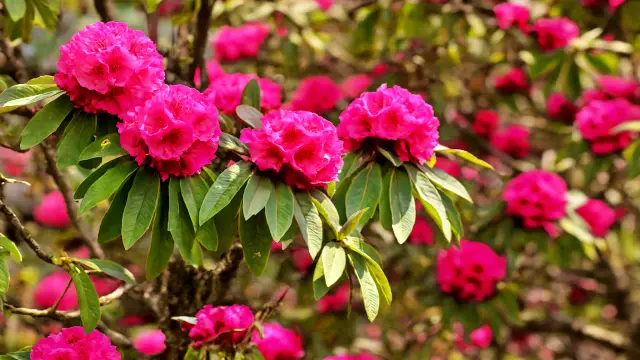
Nepal’s Rhododendron arboreum (lali gurans) ignites forests in crimson glory, national flower since 1960s folklore roots. Tree-sized shrubs, buzzing with bees.
What it symbolizes: Love, unity, Gurkha bravery—red as blood spilled for freedom. Perseverance fits Nepal’s earthquake scars and Everest climbs; it’s passion’s flame in diverse valleys. Festivals? Dashain garlands honor it.
Twist: 30+ species, all endemic—biodiversity badge. But warming temps shift blooms earlier (Nepal Academy of Science data). Personal vibe: Trek Langtang, rhododendrons framing prayer flags. It’s nature yelling, “We’re in this together.”
List it out:
- Symbol layers: Pride (national), love (romance), warning (beware beauty’s thorns).
- Taste test: Gurans wine—tart, trail fuel.
Pakistan: Jasmine—Simplicity’s Sweet Whisper
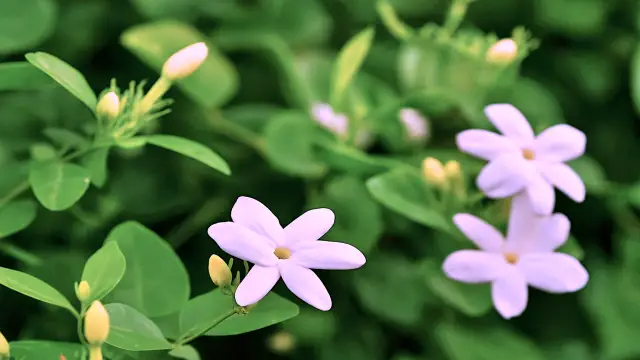
Pakistan’s Jasminum officinale (chameli or motiya) drapes nights in white stars and heady scent, national since 1961.
What it symbolizes: Purity, simplicity, undying love—white petals like fresh starts post-Partition. Resilience shines in arid Punjab fields; it’s cultural glue for 240M souls. Weddings? Gajras (hair vines) seal vows.
Insight: Jasmine oil exports hit $10M yearly (Pakistan Bureau of Statistics, 2024), blending heritage with hustle. In Sufi qawwalis, its fragrance evokes divine longing. Blooming in Lahore’s Shalimar Gardens, it’s a soft rebellion: Beauty thrives in complexity.

Quick hit: Smell that? That’s Pakistan saying, “Keep it real, keep it fragrant.”
- Night bloomers: Summer eves, Faisalabad farms.
- DIY: Motiya chai—calms like a monsoon lullaby.
Sri Lanka: Nil Manel—Truth’s Aquatic Mirror
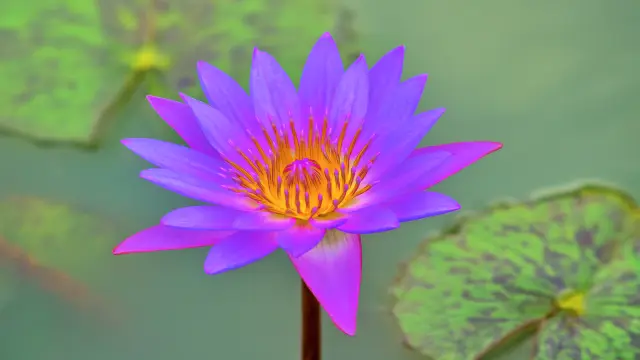
Sri Lanka’s Nymphaea stellata (blue-star water lily, nil manel) pads ancient tanks, national since 1986 (post a lily-mixup drama).
What it symbolizes: Truth, purity, discipline—Buddhist lore ties it to Siddhartha’s footprint. Unity for a post-civil war isle; it closes at night, reopens pure, like renewal. Sigiriya frescoes immortalize it.
Layered: To some, enlightenment; to others, fraught memories of exclusion (ArtReview, 2026). Conservation? Pollinator declines threaten it (Sri Lanka Biodiversity Secretariat). Paddle Anuradhapura’s lakes; feel history ripple.
Ponder: If a flower can hold peace and pain, what’s your bloom’s hidden story?
- Ancient ties: Tissa Wewa reservoir, dawn patrols.
- Myth bust: Not just pretty—edible rhizomes fed kings.
Threads of Petals: Common Vibes Across SAARC
Spot patterns? Water lilies in Bangladesh and Sri Lanka scream shared aquatic heritage—rivers binding Bengal to the Indian Ocean. Reds and whites dominate (rhododendron, jasmine, rose), evoking blood ties and fresh hopes post-colonial scars. Mountains unite Bhutan, Nepal, Afghanistan: Hardy blooms defying altitudes.
insight: These flowers foster “floral diplomacy.” SAARC summits gift garlands—lotus to jasmine, bridging India-Pakistan rifts. Conservation? A 2024 pact eyes joint seed banks against climate woes (SAARC Secretariat). Stats: 40% of species at risk (IUCN Red List). Imagine cross-border trails: Tulip fields to rhododendron ridges. It’s eco-unity, petal by petal.
Compare quick:
| Country | Flower Color | Core Symbol | Shared Trait |
|---|---|---|---|
| Afghanistan | Red/Yellow | Resilience | Mountain tough |
| Bangladesh | White | Purity | Water-born |
| Bhutan | Blue | Peace | Himalayan high |
| India | Pink/White | Enlightenment | Sacred growth |
| Maldives | Pink | Grace | Island charm |
| Nepal | Red | Unity | Fiery passion |
| Pakistan | White | Simplicity | Scented love |
| Sri Lanka | Blue | Truth | Aquatic lore |
Wrapping Roots: Why These Blooms Matter Now
From tulips enduring dust storms to lotuses schooling us on grace, SAARC’s flowers aren’t frozen in flags—they’re alive, adapting, calling us to protect. In a world scrolling past depth, they ground us. Culture lovers, students, travelers: These are your entry points to South Asia’s pulse.
Which flower hits home? Snap a pic of your local bloom mimicking these, tag #SAARCBlooms on X, and share the story. Or plan a trip—start with Bhutan’s poppies. What’s one way you’ll honor resilience today? Drop it below; let’s chat. Your turn to make the garden grow.

