

Unconquered: History, Culture, & Survival of the Seminole Tribe
Imagine a people so resilient that three full-scale wars, decades of hunting by a superpower, and the hostile swamps of the Florida Everglades couldn’t break them. That’s not a movie script—that’s the history of the Seminole Tribe.
While many history books gloss over them with a paragraph on the Trail of Tears, the real story of the Seminole people is one of ethnogenesis (birthing a new culture under fire), strategic brilliance, and an unyielding refusal to surrender. Whether you’re a history buff, a student, or just someone curious about the folks behind the Hard Rock empire, buckle up. We’re going deep into the swamps.
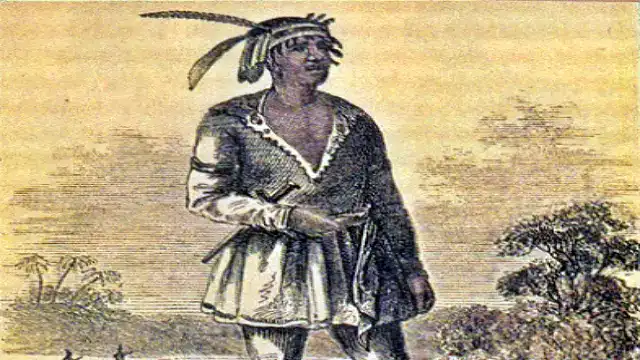
Origins: How a New Tribe Was Born in the Ashes of War
The Seminole aren’t just one ancient tribe that has been in the same spot for 10,000 years. They are a unique alliance formed in the chaos of the 1700s.
The Great Migration
In the 18th century, bands of Muscogee (Creek) people from Georgia and Alabama began migrating south into Spanish-controlled Florida. Why? To escape the encroaching British settlers and the conflicts tearing apart the Creek Confederacy. They moved into territory that had been depopulated by European diseases that wiped out Florida’s original indigenous groups like the Calusa and Timucua.
The Spanish called them cimarrones—a term meaning “runaways” or “wild ones.” Over time, this evolved into the Creek word simanó-li, or Seminole. They weren’t just “wild”; they were separatists looking for freedom.
The Black Seminoles: A Revolutionary Alliance
Here’s where the story gets incredibly unique. The Seminoles didn’t just welcome other Native groups; they opened their arms to escaped enslaved people.
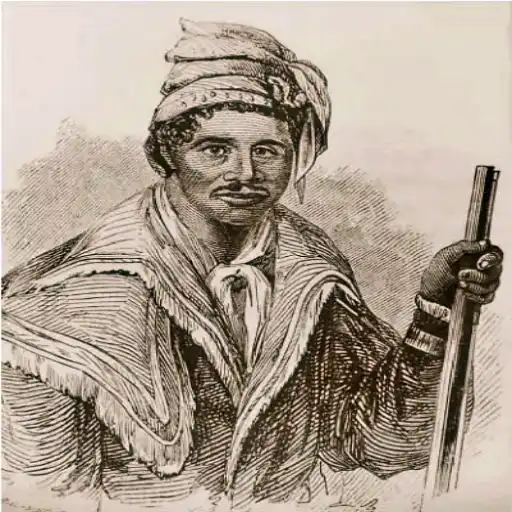
Running south from rice plantations in South Carolina and Georgia, these “Maroons” found a sanctuary in Florida. They became known as the Black Seminoles. They weren’t just servants; they were allies, translators, and fierce warriors. Leaders like Abraham (Souanaffe Tustenukke) and John Caesar served as critical bridges between the cultures. They built their own towns, paid a tribute of crops to Seminole chiefs for protection, and in return, fought side-by-side to defend their new freedom.
Rhetorical Question: Can you imagine the courage it took to run toward a swamp full of alligators just to be free?

The Seminole Wars: The Vietnam of the 19th Century
The U.S. government fought three separate wars to remove the Seminoles from Florida. It was the longest, most expensive, and deadliest Indian War in U.S. history.
The First Seminole War (1817–1818)
This wasn’t just about land; it was about slavery. General Andrew Jackson invaded Spanish Florida specifically to destroy “Negro Fort”—a stronghold of Black Seminoles—and recapture escaped slaves. Jackson burned villages and seized Pensacola, effectively bullying Spain into selling Florida to the U.S. in 1821.
The Second Seminole War (1835–1842)
This is the big one. The U.S. passed the Indian Removal Act, trying to force the Seminoles west to Oklahoma. The Seminoles said, “No.”
Led by the charismatic war leader Osceola (who wasn’t a chief but a brilliant tactician), they used the swamp to their advantage. They launched guerrilla attacks, vanishing into the sawgrass before troops could respond.
- The Dade Massacre (1835): Seminoles ambushed a U.S. army column, leaving only three survivors out of 110 soldiers. It shocked the nation.
- Osceola’s Capture: The U.S. finally captured Osceola not in battle, but by deception—grabbing him under a white flag of truce. He died in captivity, a martyr for the cause.
The Third Seminole War (1855–1858)
By the 1850s, only a few hundred Seminoles were left, led by Billy Bowlegs (Holata Micco). This was a final attempt by the U.S. to scrub the Everglades clean. Surveyors destroyed Bowlegs’ prize banana plants, sparking skirmishes. But after years of fighting, the U.S. simply gave up. They couldn’t catch them all.
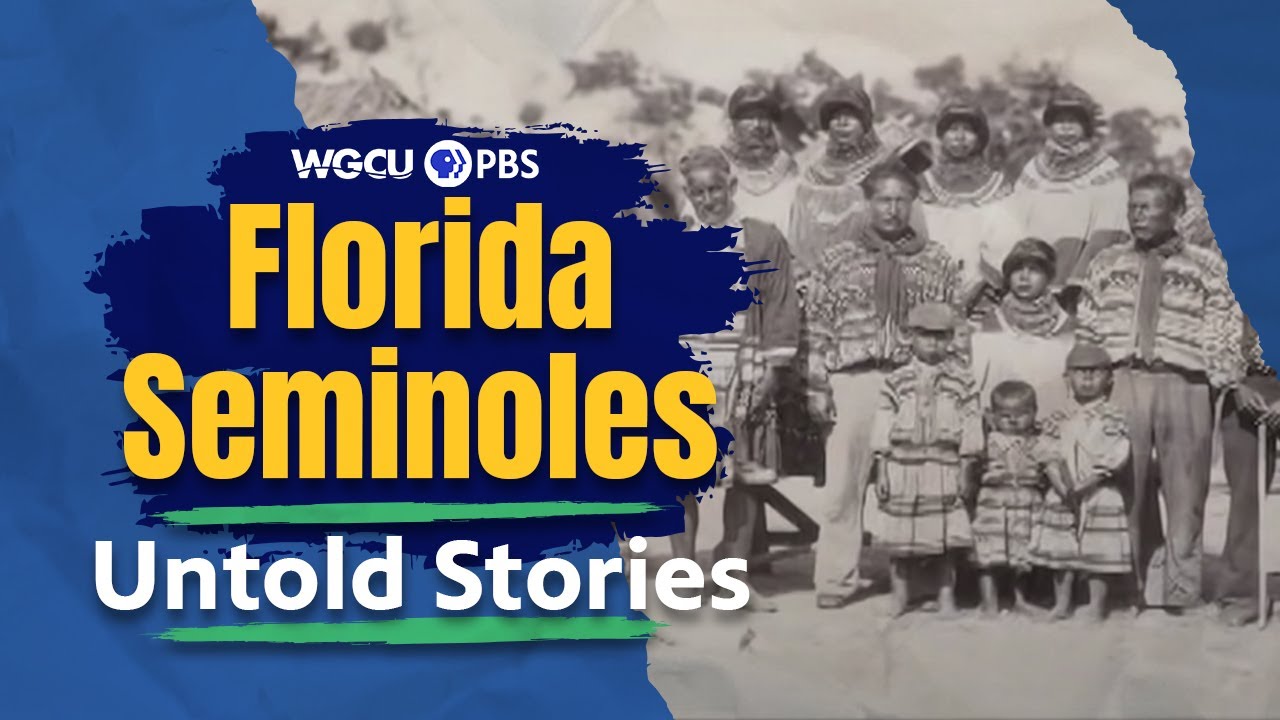
Survival in the Swamp: The “Unconquered” Way of Life
While thousands were forced onto the Trail of Tears to Oklahoma, a small group of fewer than 200 refused to leave. They retreated deep into the inhospitable Everglades. These are the ancestors of the modern Seminole Tribe of Florida.
How did they survive where the U.S. Army couldn’t?
- Chickees: They ditched log cabins for open-sided structures with thatched roofs made of palmetto leaves. The raised floors kept them dry and safe from snakes, while the design allowed breezes to cool them.
- Strategic Diet: They lived off sofkee (a sour corn gruel), gar fish, and the heart of the Cabbage Palm. They even ate “pond apples” (custard apples), a fruit many settlers considered inedible.
- Hidden Fires: To avoid detection, they arranged cypress logs like the spokes of a wheel, feeding the fire from the outside in. This kept the fire small and smokeless, invisible to army scouts.
A Tale of Two Tribes: Florida and Oklahoma
Today, the Seminole people are split into two distinct federally recognized groups. It’s crucial to understand the difference.
The Seminole Nation of Oklahoma
These are the descendants of the roughly 3,000 Seminoles who survived the forced removal.
- Capital: Wewoka, Oklahoma.
- Structure: Governed by a General Council with representatives from 14 distinct bands, including two “Freedmen” bands descended from Black Seminoles.
- Life Today: They maintain strong cultural ties but face different economic challenges compared to their Florida cousins.
The Seminole Tribe of Florida
These are the descendants of the “Unconquered” few who stayed behind.
- Capital: Hollywood, Florida.
- Structure: Governed by a Tribal Council (for government) and a Board of Directors (for business).
- Economy: They are an economic powerhouse. In 2007, they stunned the business world by purchasing Hard Rock International for nearly $1 billion. They don’t just run casinos; they own the global brand.
Culture & Traditions: Keeping the Fire Alive
Despite casinos and capitalism, the “old ways” are fiercely protected.
The Green Corn Dance (Busk)
This is the most sacred event in the Seminole calendar. Held in spring, it’s a time of renewal, purification, and forgiveness. Men fast and drink a cleansing “black drink,” while women perform the Ribbon Dance. It’s not a show for tourists; it’s a private, religious act that resets the spiritual balance of the tribe.
Patchwork: Art Born of Necessity
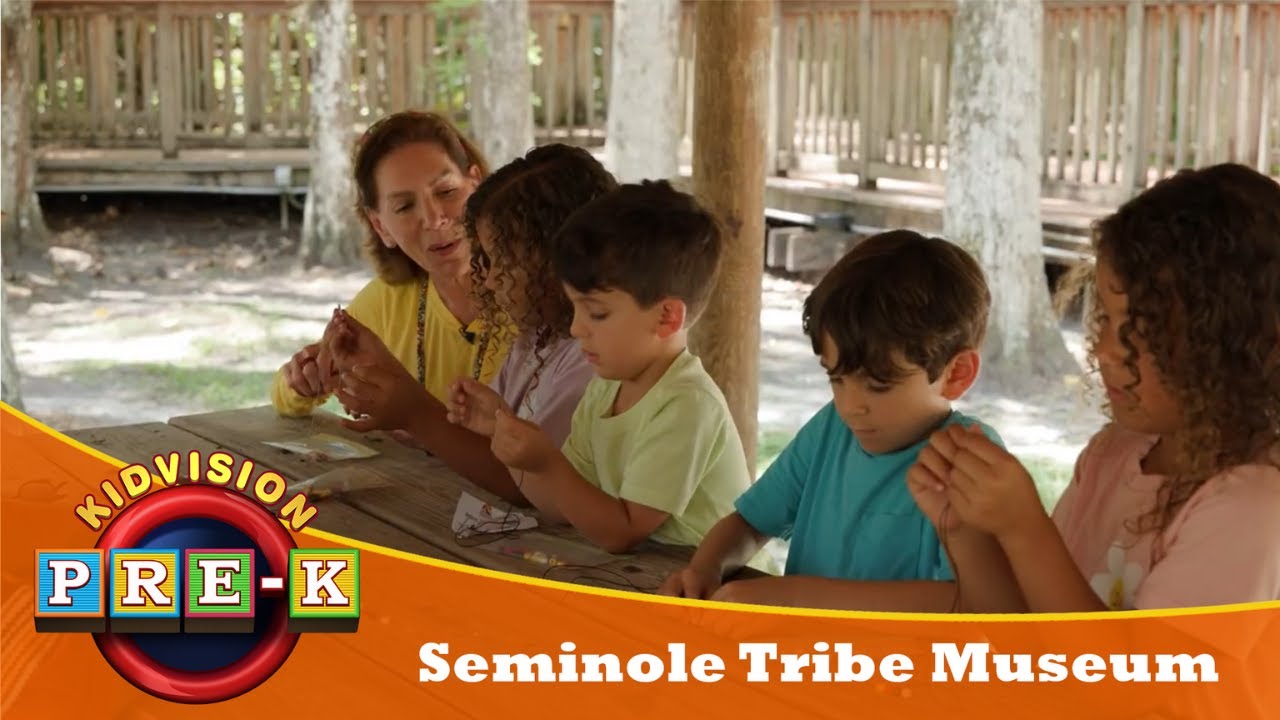
You’ve likely seen the vibrant, geometric bands of color on Seminole clothing. This tradition started in the early 1900s when Seminole women got access to hand-cranked sewing machines. It wasn’t just fashion; it was survival. They sold these intricate garments to tourists along the Tamiami Trail, creating an economy when they had nothing else.
Clans and Matriarchy
Seminole society is matrilineal. You belong to your mother’s clan—whether it’s Panther, Bear, Deer, Wind, Bigtown, Bird, Snake, or Otter. If you’re a Bear, you’re related to every other Bear. This bond is thicker than blood; it determines who you can marry and who supports you in tough times.
Language: The Fight Against Silence
The tribe speaks two languages from the Muskogean family: Maskókî (Creek) and Mikasuki. Both are endangered.
- Florida: The Pemayetv Emahakv Charter School creates a full immersion environment for kids to learn the Creek language.
- Oklahoma: The Seminole Nation Language Preservation Program is racing to record elders, creating audio dictionaries and apps to ensure the next generation can say “Estonko” (Hello) with pride.
Insights: The Diaspora You Didn’t Know About
Remember the Black Seminoles? Their story didn’t end in Florida or Oklahoma.
In 1850, led by the legendary John Horse and the Seminole chief Coacoochee (Wild Cat), a group fled Oklahoma to escape slave catchers. They crossed into Mexico, where slavery was illegal.
The Mexican government granted them land in Nacimiento de los Negros in exchange for guarding the border against Apache raids. To this day, there is a community of “Mascogos” in Coahuila, Mexico, who still sing songs in a mix of Gullah and Creek. Their cousins, the Seminole Negro Indian Scouts, later served the U.S. Army in Texas, winning four Medals of Honor yet tragically never receiving the land they were promised.
Still Unconquered
The Seminole Tribe is more than a logo on a Hard Rock Cafe or a mascot for Florida State University. They are a testament to the power of adaptation. They morphed from refugees to warriors, from outcasts to economic titans, all while keeping their fire burning in the center of the circle.
They didn’t just survive America; they shaped it.
Call to Action:
Next time you visit Florida, look beyond the beaches. Visit the Ah-Tah-Thi-Ki Museum on the Big Cypress Reservation to see history through their eyes. Or, take a moment to learn whose land you’re standing on. The Unconquered are still here, and their story is far from over.
FAQ
Q: Did the Seminoles ever sign a peace treaty?
A: No. The U.S. government declared the Third Seminole War over in 1858, but no official peace treaty was ever signed with the group remaining in Florida. This is why they are the “Unconquered People.”
Q: Are Black Seminoles still part of the tribe?
A: It’s complex. In Oklahoma, there are two specific Freedmen bands in the Seminole Nation. In Florida, the integration is different, with lineage strictly traced through matrilineal clans, though shared history remains deep.
Q: What do Seminoles eat traditionally?
A: Aside from the famous fry bread, traditional staples include sofkee (corn drink), swamp cabbage (heart of palm), gar fish, and venison.
Sources help: wikipedia.org, fiu.edu, seminoletribune.org

