

The Thalidomide Tragedy: How a Morning Sickness ‘Wonder Drug’ Caused a Global Scandal
Imagine popping a simple pill to calm your upset stomach during pregnancy. Naturally, you trust your doctor. You definitely trust the glossy pharmacy ads. But what if that tiny pill created one of the worst medical disasters in human history? Back in the late 1950s, this wasn’t a hypothetical nightmare. Actually, it was a harsh reality. A supposedly safe medication known as thalidomide shattered thousands of families across the globe. Today, we are breaking down how a heavily marketed “wonder drug” caused unimaginable heartbreak and completely transformed modern medicine.
Key takeaways
- A False Promise: Promoted as a completely safe cure for morning sickness, thalidomide actually caused severe birth defects in over 10,000 babies worldwide.
- The Unsung Hero: Dr. Frances Oldham Kelsey single-handedly blocked the drug’s approval in the United States, saving countless American families.
- Massive Legal Shifts: This devastating global scandal forced governments to create incredibly strict safety laws for testing new medicines.
- A Surprising Comeback: Doctors still use thalidomide today to treat specific cancers and leprosy, but under intense safety protocols.
From soap makers to pharmacy giants

So, how did this whole mess begin? Interestingly, the story starts with a German company called Chemie Grünenthal. After World War II, they mainly manufactured soap. Eventually, they decided to jump into the booming pharmaceutical market to create antibiotics. By 1954, their research team synthesized a brand-new chemical compound. They called it thalidomide.
At first, scientists tested it on animals. Strangely, they couldn’t find a lethal dose. Because rats and mice didn’t die after swallowing massive amounts, the company quickly assumed the drug was completely harmless to humans. Consequently, they slapped a “wonder drug” label on it.
By October 1957, Grünenthal rolled out the medication under the brand name Contergan. They sold it heavily as a mild sedative. It supposedly cured anxiety, insomnia, and the common cold. Most importantly, it didn’t require a prescription. Anyone could just walk into a local pharmacy and buy it over the counter.
Marketing a “Wonder Drug” to pregnant women

Soon after its release, doctors noticed something else. Thalidomide worked incredibly well as an anti-nausea medication. Predictably, word spread fast. Pharmaceutical reps started aggressively pushing it as the ultimate cure for morning sickness in pregnant women.
Within a couple of years, companies licensed the drug globally. It hit the shelves in 46 different countries under 37 different brand names, like Distaval in the UK. Brochures literally called it “outstandingly safe.” Yet, there was a massive, glaring problem. Nobody had ever tested thalidomide on pregnant animals.

Back then, scientists actually believed the placenta acted as a solid, impenetrable shield. They thought drugs taken by a mother couldn’t reach her growing fetus. Tragically, they were completely wrong.
The Global scandal unfolds

By the late 1950s and early 1960s, doctors in Germany and Australia started noticing a horrifying trend. Suddenly, perfectly healthy mothers were giving birth to babies with extreme physical abnormalities.
Often, infants were born with a rare condition called phocomelia. This meant their arms and legs were severely shortened, sometimes looking like small flippers. Others suffered from missing ears, damaged eyes, or severe internal organ deformities. For months, the medical community remained completely baffled. Nobody understood what was causing this sudden spike in birth defects.
Eventually, the puzzle pieces snapped together. In 1961, an Australian doctor named William McBride and a German pediatrician named Widukind Lenz independently connected the dots. They realized every affected mother had taken thalidomide during her first trimester.
The statistics were absolutely gut-wrenching. Worldwide, researchers estimate that over 10,000 babies were born with thalidomide-related impairments. Roughly half of these infants died within just a few months of birth due to internal organ failure. Families were devastated, entirely blindsided by a healthcare system that failed to protect them.
How one woman saved the united states
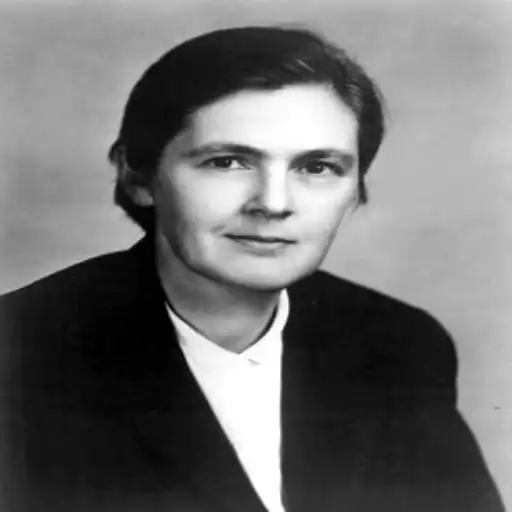
While tragedy struck Europe, Africa, and Australia, the United States mostly dodged the bullet. Why? You can thank exactly one person: Dr. Frances Oldham Kelsey.
In September 1960, Dr. Kelsey started a new job at the US Food and Drug Administration (FDA). As her very first assignment, she received an application from the pharmaceutical company Richardson-Merrell. They wanted to sell thalidomide in the States under the name Kevadon. Since it was already a massive hit in Europe, the company expected a quick, easy rubber stamp.
But Dr. Kelsey wasn’t easily impressed. She looked at the safety data and found it incredibly sloppy. Specifically, the company provided absolutely no clinical evidence showing the drug was safe for pregnant women. Therefore, she boldly refused to approve it.

Pressure mounts
Obviously, the drug company was furious. Executives called Dr. Kelsey constantly. They complained to her bosses. They essentially called her a stubborn bureaucrat who was blocking medical progress. Despite the intense corporate bullying, she held her ground firmly.
Then, Dr. Kelsey read a letter in a British medical journal. A doctor reported that adults taking thalidomide were experiencing severe nerve damage in their fingers and toes (peripheral neuritis). Naturally, this raised massive red flags. If it damaged adult nerves, what could it possibly do to a fragile, developing baby?
Because of her stubborn integrity, Kevadon never hit US pharmacy shelves. Consequently, she saved thousands of American babies from severe birth defects. In 1962, President John F. Kennedy awarded her the President’s Award for Distinguished Federal Civilian Service. She was only the second woman in history to receive this prestigious honor.
Aftermath and Legal changes
Once the truth broke, the fallout was chaotic. Chemie Grünenthal finally pulled the drug from the German market in November 1961. Other countries quickly followed suit. However, governments were painfully slow to notify the general public. Countless bottles sat in home medicine cabinets for months, acting as silent ticking time bombs.
Following the thalidomide tragedy, the public demanded immediate action. How could pharmaceutical companies legally sell poison to pregnant women?
In the US, the scandal gave lawmakers the final push they desperately needed. Congress unanimously passed the Kefauver-Harris Amendments in 1962. For the very first time, drug companies had to legally prove their medications were both safe and effective before selling them. Furthermore, they had to conduct strict, multi-phase clinical trials and fully disclose all side effects.
Globally, the World Health Organization (WHO) stepped up. They established international drug monitoring programs to properly track adverse reactions. Ultimately, this disaster completely rewrote the rulebook for modern medicine.
A Surprising second act: Thalidomide today

Here is the wildest part of the entire story. You probably think thalidomide was banned forever, right? Surprisingly, it made a massive, unexpected comeback.

In 1964, an Israeli doctor named Jacob Sheskin gave a leftover thalidomide pill to a patient suffering from severe leprosy complications (Erythema Nodosum Leprosum). He simply wanted to help the patient sleep. Miraculously, the patient’s painful skin lesions healed almost overnight.
Scientists soon discovered that thalidomide is a powerful immunomodulator. It stops the body from creating new blood vessels and calms massive inflammation. Because of these unique properties, the FDA officially approved thalidomide in 1998 for treating leprosy. Later, in 2006, they also approved it for a deadly blood cancer called multiple myeloma.
Of course, the rules are totally different now. Today, doctors prescribe it under incredibly strict safety protocols. For example, patients must enroll in a mandatory Risk Evaluation and Mitigation Strategy (REMS) program. Women must take multiple pregnancy tests and use two primary forms of birth control just to pick up their prescription. The medical world definitely learned its lesson the hard way.
Be cautious
We often take safe medicine for granted today. When you buy a headache pill, you naturally assume it won’t harm you. However, the history of the thalidomide tragedy reminds us that corporate greed and lax regulations can cause unimaginable destruction.
The survivors of this global scandal now well into their sixties still live with the daily physical consequences of a drug they never chose to take. They continually fight for fair compensation and basic moral justice. Their stories remain a powerful testament to deep human resilience.
Ultimately, we owe our modern drug safety standards to the families who suffered, and to brave whistleblowers like Dr. Frances Kelsey who dared to say “no.” They proved that science must always put human lives ahead of corporate profits.
What are your thoughts on this incredible piece of medical history? Did you already know about Dr. Kelsey’s heroic stand against Big Pharma? Drop a comment below, share this article with your favorite history buff, or subscribe to our newsletter for more deep dives into the fascinating world of medical science!
References:
- https://en.wikipedia.org/wiki/Gr%C3%BCnenthal
- https://www.sciencemuseum.org.uk/objects-and-stories/medicine/thalidomide
- https://www.womenshistory.org/education-resources/biographies/frances-kathleen-oldham-kelsey
- https://www.uchicagomedicine.org/forefront/biological-sciences-articles/courageous-physician-scientist-saved-the-us-from-a-birth-defects-catastrophe
- https://www.ncbi.nlm.nih.gov/books/NBK557706/

