

Why Do We Use Fireworks on the Fourth of July? The 1776 Origin Story
Why do we do this? Who looked at a signed historical document and thought, “You know what this needs? Gunpowder.”
The tradition goes all the way back to the birth of the nation. It involves a grumpy but brilliant Founding Father, a miscalculated date, and a whole lot of American stubbornness. Grab a seat. Let’s dive into the explosive origin story of July 4th.
Need to know
- The Visionary: John Adams predicted in a 1776 letter that independence would be celebrated forever with “illuminations” (the 18th-century word for fireworks).
- The Date Mix-Up: Adams actually wanted us to celebrate on July 2nd, the day the Continental Congress voted for independence.
- The First Party: Philadelphia hosted the first official Fourth of July fireworks display in 1777 to boost morale during the Revolutionary War.
- The Missing Colors: Early fireworks were just orange and gold. Red, white, and blue explosions weren’t invented until the 1830s!
The Letter That Started It All
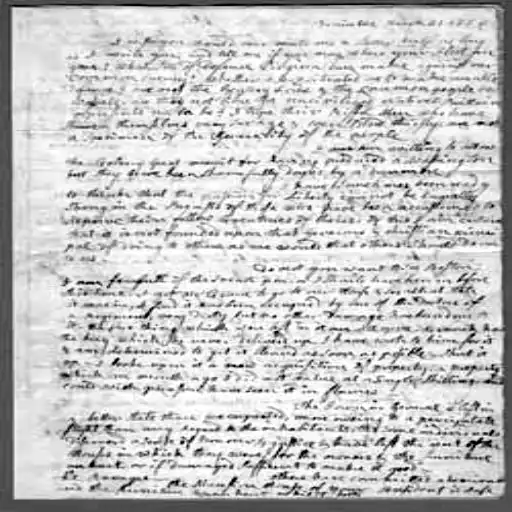
On July 3, 1776, John Adams was riding a massive political high. The Continental Congress had just voted to declare independence from Great Britain. He grabbed a quill and scribbled an excited letter to his wife, Abigail.
He firmly believed this grand milestone should be celebrated by succeeding generations forevermore. How exactly did he want people to party? He was incredibly specific.
Adams wrote that the day ought to be commemorated with “Pomp and Parade, with Shews, Games, Sports, Guns, Bells, Bonfires and Illuminations from one End of this Continent to the other.”
Notice that last word? Illuminations. Back then, that was the fancy terminology for fireworks. He wasn’t just suggesting a quiet reflection. He wanted a loud, bright, raucous nationwide bash.
Wait, Did He Say July 2nd?
Here is the hilarious part. Adams actually thought the big anniversary would land on July 2nd.
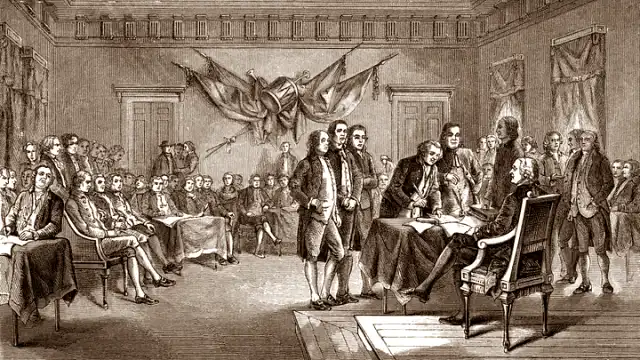
That was the exact day delegates from the 13 colonies officially voted to break away from King George III. But drafting the physical Declaration of Independence took a couple more days. Congress finally approved the written text on July 4, 1776. The printer stamped that famous date right at the top of the broadside copies.
History chose the 4th. Adams was stubbornly bitter about it. For years afterward, he reportedly refused to attend July 4th events, insisting everyone was two days late. Despite his grumbling about the calendar, his vision for the actual festivities hit the bullseye.
The Very First Independence Day Party
In 1776, nobody was throwing parties. They were busy fighting a brutal war. The ink on the Declaration was barely dry, and British troops were heavily armed.
The first real Independence Day celebration happened the following year, in 1777. The setting was Philadelphia. The Revolutionary War was still raging, but leaders knew the citizens needed a major morale boost.
According to the Pennsylvania Evening Post, the festivities were absolutely wild. Armed ships lined up on the Delaware River. At exactly 1:00 PM, they blasted a deafening 13-gun salute. Members of Congress enjoyed an official dinner with music provided by a Hessian band. Citizens rang bells all across the city.
Then came the grand finale.
That evening, crowds gathered on the city Commons. Officials lit off a “grand exhibition of fireworks.” They began and ended the spectacular show with exactly 13 rockets to honor the 13 colonies. It was a massive hit. The newspaper reported that “the face of joy and gladness was universal.”
Early Fireworks Weren’t Red, White, and Blue
If you hopped in a time machine to watch that 1777 show, you might feel slightly underwhelmed. You would not see glittering blue rings, weeping green willows, or massive red heart shapes.
Why? Because colorful fireworks had not been invented yet!
Early American fireworks were basically just glorified sparklers and noisy explosives. They glowed in basic orange, gold, and bright white. They were loud, smoky, and dramatic, but lacking a rich color palette.
It wasn’t until the 1830s that Italian inventors cracked the chemistry code. They figured out how to mix metallic powders with explosives to create vibrant colors. Adding strontium made red. Barium created green. Copper yielded blue. So, the patriotic colors we know and love today took another six decades to actually hit the sky.
Why Gunpowder? The European Connection
Setting off literal explosives to celebrate a new government sounds a bit unhinged. Where did Adams even get the idea?
He stole it from the British.
Gunpowder was invented in China over 2,000 years ago, initially used by stuffing bamboo stalks into fires to make them pop. Eventually, the Silk Road brought this explosive technology to Europe. For centuries, European royalty used “illuminations” to celebrate coronations, royal births, and military victories. The English frequently lit up the sky to celebrate peace treaties.

Adams basically flipped the script. By using the King’s own favorite party trick to celebrate breaking away from the Crown, the colonists made the ultimate rebellious statement. It was a giant, fiery middle finger across the Atlantic.
The Tradition Grows
As the United States expanded, so did the celebrations. After the War of 1812, national pride skyrocketed. Towns from coast to coast adopted the Philadelphia blueprint. They hosted parades, speeches, picnics, and military displays.
- 1781: Massachusetts became the first state to declare July 4th an official state holiday.
- 1870: The U.S. Congress officially made Independence Day an unpaid federal holiday for federal employees.
- 1938: Congress upgraded the Fourth of July to a fully paid federal holiday.
Through all those years of change, the fireworks never stopped.
A Shared Legacy
Today, fireworks are synonymous with summer. We pack our coolers, lay out our blankets, and stare upward just like those folks did on the Philadelphia Commons in 1777.
Technology has vastly upgraded. The colors burn brighter. Rockets fly much higher. Yet, the underlying spirit remains entirely unchanged. Every sparkler lit in a driveway connects directly back to that hot July week in 1776. We are still fulfilling John Adams’ bold prediction, using light and sound to celebrate the enduring experiment of American democracy.
So, when the sky lights up this year, take a moment to appreciate the history behind the boom. You are participating in a 248-year-old tradition.
Are you watching a fireworks show this Fourth of July? What is your favorite hometown tradition? Drop a comment below and share this historical deep-dive with your BBQ crew!

