

You’re walking home. The streetlights flicker. You hear a sound –teke teke– scratching against the pavement. Do you run? Do you hide?
If you don’t know the answer, you’re already dead.
Japanese urban legends (toshi densetsu) aren’t just spooky camp stories. They are cultural warnings wrapped in horror. Some are born from ancient folklore; others are products of modern internet hysteria. But the scariest part? Many are rooted in uncomfortable historical truths.
We aren’t just listing monsters today. We are breaking down the origins, the truth, and most importantly, the survival rules for the 21 most terrifying entities in Japan, Let’s turn on the lights, Here is what you need to know.
1. Kuchisake-onna (The Slit-Mouthed Woman)

The Legend: A woman wearing a surgical mask approaches you at twilight. She asks, “Am I beautiful?” If you say no, she kills you with scissors. If you say yes, she removes the mask to reveal a mouth slit from ear to ear, screams “How about now?” and cuts you to match her.
Is It Real?
This is the heavyweight champion of Japanese panic. In 1979, rumors of a woman chasing children caused a nationwide hysteria. Police increased patrols, and schools started sending children home in groups. While the “ghost” is folklore, the mass panic was a documented historical event.
Survival Rule:
Do not answer yes or no.
- Confuse her: Say “You look average” or “So-so.” This disrupts her binary logic, buying you time to run.
- The Pomade Trick: Legend says chanting “Pomade, pomade, pomade” makes her flee (allegedly, the smell reminds her of the ex-lover/doctor who disfigured her).
2. Teke Teke
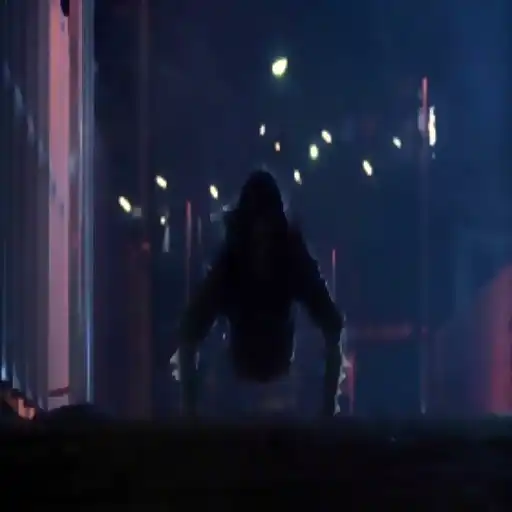
The Legend: A schoolgirl fell onto railway tracks and was cut in half by a train. Now, as a vengeful spirit, she drags her upper torso around using her hands/elbows, making a distinct teke teke sound. She is unnaturally fast and slices victims in half to mimic her own disfigurement.
Is It Real?
Japan has a high rate of train accidents, which fuels this fear. The story is a grim cautionary tale about rail safety, evolved into a monster myth.
Survival Rule:
Run immediately. Do not look back. Unlike other spirits, Teke Teke hunts for sport. There is no riddle to solve here—only speed matters.
3. Aka Manto (Red Cape)
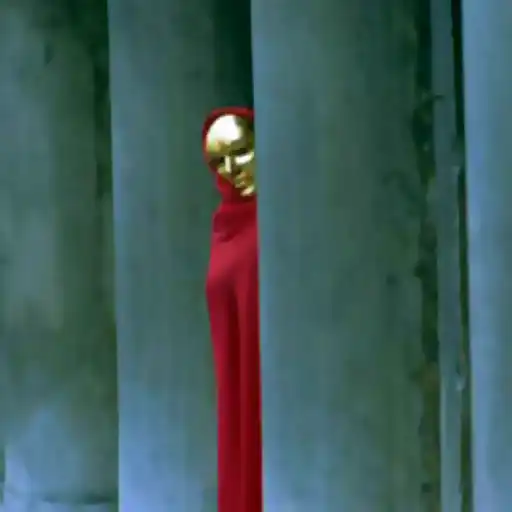
The Legend: You are in the last stall of a public bathroom. You realize there is no paper. A voice asks: “Red paper or Blue paper?”
- Red: You get sliced apart (drenched in red blood).
- Blue: You are strangled (turning blue).
Is It Real?
This legend likely stems from a specific unsolved crime or the general vulnerability people feel in public restrooms. It taps into the fear of having no escape.
Survival Rule:
Ignore the choices. Decline the paper. Say, “I don’t need any.”
Warning: Do not ask for yellow paper (you will be drowned) or a different color (dragged to the underworld). Just walk away dirty. It’s better than dead.
4. The Okiku Doll
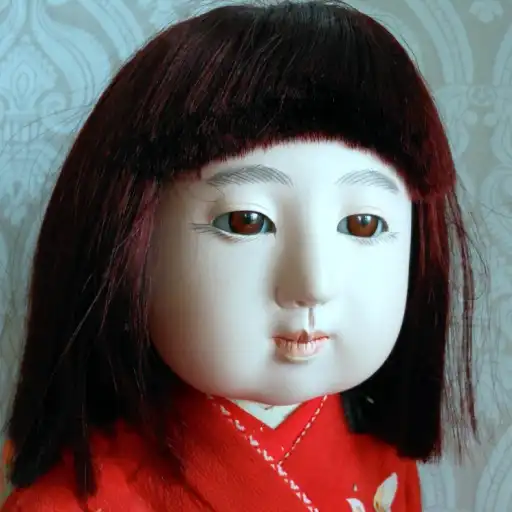
The Legend: A doll named Okiku, residing in the Mannenji Temple in Hokkaido, allegedly possesses the soul of a little girl. The doll’s hair, originally a bob cut, supposedly grows like human hair and has to be trimmed by priests annually.
Is It Real?
Yes, the doll exists. You can visit it. Tests on the hair have reportedly claimed it resembles a young child’s hair structure, though skeptics argue it’s a natural phenomenon of thread elongation over time. The creep factor? It’s 100% tangible.
Survival Rule:
Respect. If you visit the temple, do not mock the doll. In Shinto belief, inanimate objects can harbor spirits (tsukumogami). Treat it with reverence.

5. Hachishakusama (Eight-Feet Tall)

The Legend: A monstrously tall woman (8ft) in a white dress and wide-brimmed hat. She makes a mechanical sound: “Po… po… po…” If she takes a liking to a child, she will stalk them until she kills them.
Is It Real?
This is a modern internet legend, originating on 2chan (Japan’s version of 4chan) around 2008. It shares DNA with Western myths like Slenderman but predates his peak popularity.
Survival Rule:
Isolation is key. If targeted:
- Lock yourself in a room lined with salt (a purifying agent in Japan).
- Do not open the door, even if she mimics the voice of your parents.
- Leave the area immediately the next morning and never return.
6. The Inunaki Tunnel
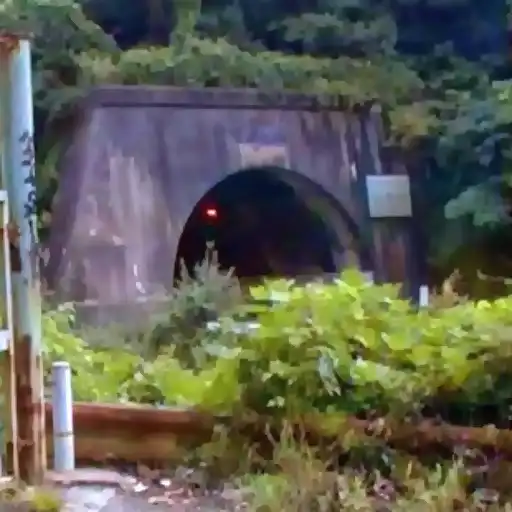
The Legend: A tunnel leading to a hidden village Inunaki Village where the laws of the Japanese constitution do not apply. Rumors say cannibalism, murder, and incest are rampant, and a sign warns: “The Japanese constitution is not in effect past this point.”
Is It Real?
Partially. The Old Inunaki Tunnel exists in Fukuoka and is a known haunted spot (and site of a horrific real-life murder in 1988). However, the “lawless village” is fiction. The tunnel is now blocked off with concrete blocks due to dangerous gangs and structural instability.
Survival Rule:
Stay away. The ghosts might be fake, but the structural collapse and local delinquents hanging out there are real threats.
7. Hitobashira (The Human Pillars)

The Legend: In feudal Japan, it was believed that sealing a living person inside the foundation of a castle or bridge would appease the gods and prevent collapse.
Is It Real?
Terrifyingly, yes. Historical records and archaeological findings suggest this practice occurred. Maruoka Castle in Fukui Prefecture is famously linked to the sacrifice of a woman named Oshizu.
Survival Rule:
If you hear weeping near ancient castle walls or bridges, do not investigate. You are standing on a grave.
8. Tomino’s Hell
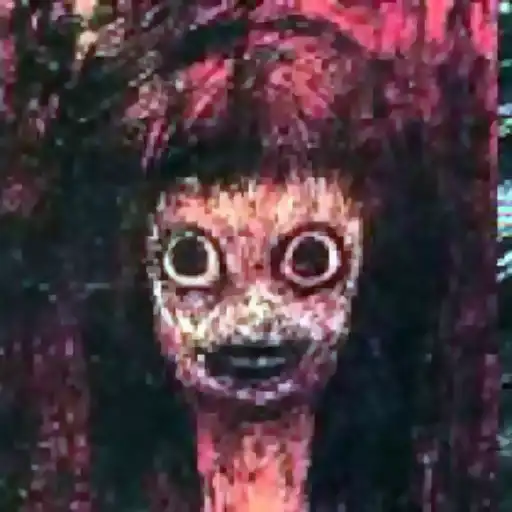
The Legend: A poem titled “Tomino’s Hell” written by Yomota Inuhiko. Legend says if you read it out loud, tragedy will strike illness, injury, or death.
Is It Real?
The poem is real (published in 1919), but the curse is a modern internet invention. It gained traction in the early 2000s on Japanese forums.
Survival Rule:
Why risk it? Read it with your eyes, not your voice. If you must recite it, do it in your head.
9. Gozu (Cow Head)

The Legend: A story so terrifying that anyone who hears it dies of fright. A teacher once started telling it on a bus; the students begged him to stop, but he went into a trance. When he woke up, the bus had crashed, and everyone was foaming at the mouth.
Is It Real?
This is a classic “MacGuffin” story—a story about a story that doesn’t exist. No one knows the actual content of “Cow Head” because… well, they’d be dead.
Survival Rule:
If someone says, “Let me tell you the story of Cow Head,” cover your ears and leave.
10. The Red Room Curse
The Legend: An internet pop-up ad appears on your screen: a red box with text asking, “Do you like…?” A synthesized voice reads it. If you try to close it, the text expands to “Do you like the red room?” The next day, you are found dead, your room painted red with your own blood.
Is It Real?
This flash animation went viral in the early 2000s. It became infamous after the Sasebo Slashing (a real 2004 murder involving a schoolgirl) when it was discovered the killer had this animation bookmarked.

Survival Rule:
Install an ad-blocker. Seriously. If a pop-up won’t close, pull the power cord.
11. Hanako-san of the Toilet
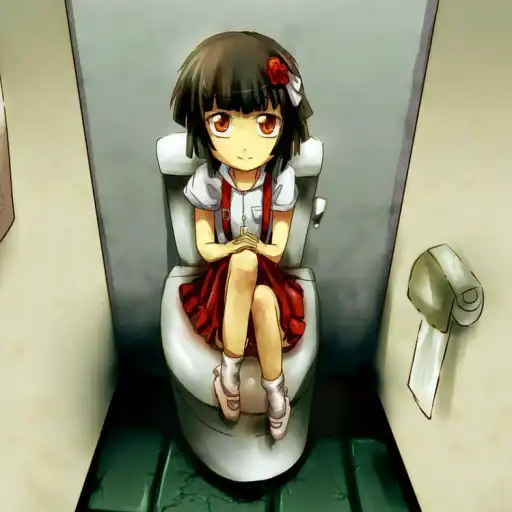
The Legend: The Japanese equivalent of Bloody Mary. Knock three times on the third stall of the third-floor girls’ bathroom and ask, “Are you there, Hanako-san?” A ghostly hand or a girl in a red skirt will appear.
Is It Real?
A playground staple since the 1950s.
Survival Rule:
She is generally mischievous rather than lethal, but why disturb the dead while they are in the bathroom? Just go to the second floor.
12. The Girl in the Gap
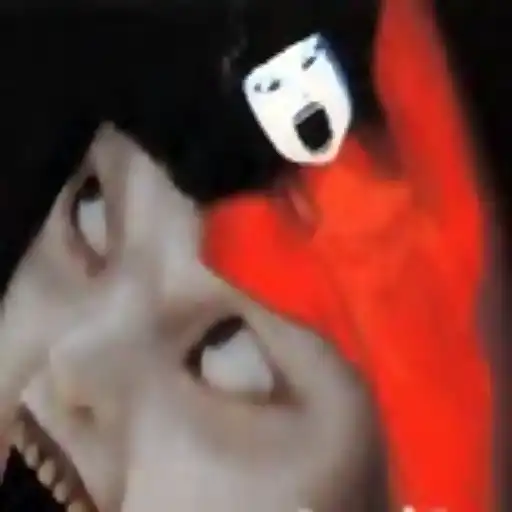
The Legend: If you look into a dark gap (between a bed and wall, or a cracked closet door), you might see a pair of eyes. The girl will ask, “Want to play hide and seek?”
Is It Real?
It taps into the primal fear of the unknown lurking in domestic spaces.
Survival Rule:
Never make eye contact with gaps. And definitely don’t agree to play. If you see her a second time, legend says you will be dragged into the gap (another dimension).
13. Kunekune (The Wriggling Body)
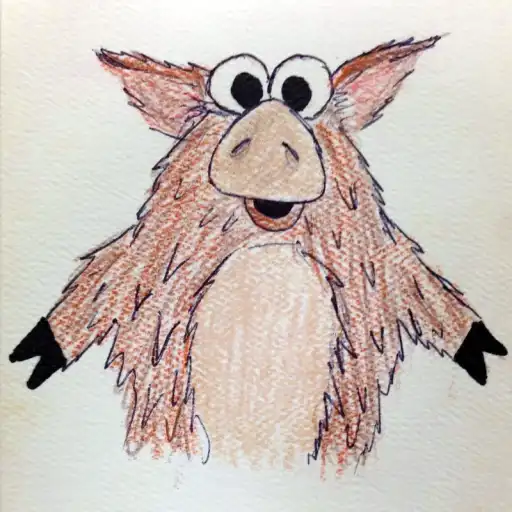
The Legend: A white, slender shape seen in distant rice fields during hot summer days. It moves (wiggles) unnaturally, as if there are no bones. If you look at it closely or use binoculars, you go insane.
Is It Real?
An internet phenomenon from 2003. It serves as a warning against heatstroke and staring too long at mirages.
Survival Rule:
If you see something white wiggling in the distance, ignore it. Do not try to identify it. Curiosity literally kills the mind here.
14. Kisaragi Station
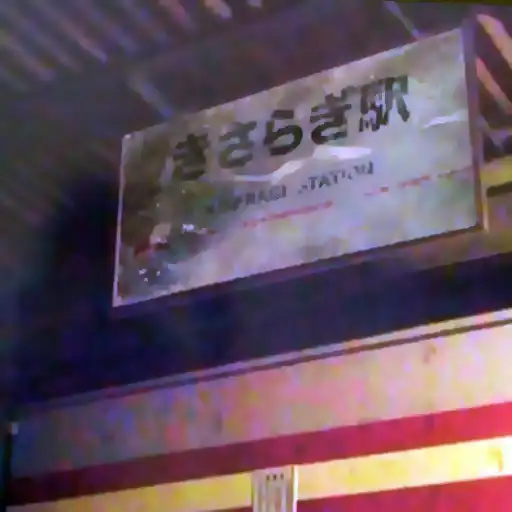
The Legend: A netizen posted in real-time on 2chan about a train that wouldn’t stop. They eventually arrived at “Kisaragi Station”—a station that doesn’t exist on any map. The poster stopped updating after hearing footsteps.
Is It Real?
It’s a masterclass in collaborative internet storytelling, similar to the “Backrooms.”
Survival Rule:
If your train misses a stop or the scenery looks wrong, do not get off at an empty station. Stay on the train until it returns to reality.
15. The Human-Faced Dog (Jinmenken)

The Legend: A dog with a middle-aged man’s face. They run extremely fast and, if approached, will tell you to “Leave me alone.”
Is It Real?
Likely sightings of Japanese macaques (monkeys) at night, misidentified by tired drivers.
Survival Rule:
They are grumpy but generally harmless. Just let them be.

16. Satoru-kun

The Legend: A demon you can summon using a payphone to answer any question.
Survival Rule:
He calls your cell phone, getting closer every time (like a GPS update). When he is behind you, ask your question. Do not turn around. If you turn around, he takes you to the underworld.
17. The Dream School
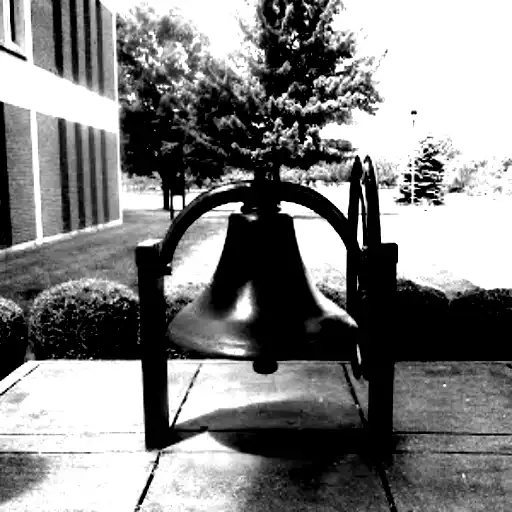
The Legend: A recurring dream where you wander a decrepit school. If you don’t wake up before the bell rings, you are trapped there forever.
Survival Rule:
Learn lucid dreaming. Force yourself to wake up.
18. Kiyotaki Tunnel
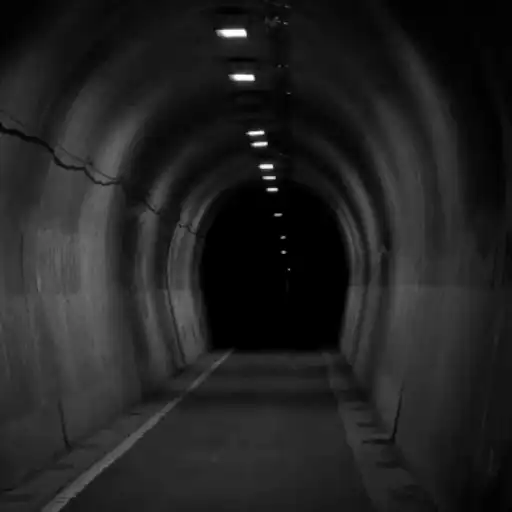
The Legend: Another haunted tunnel, said to be 444 meters long (4 is the death number in Japan). Legend says the length changes depending on the time of day you measure it.
Survival Rule:
Don’t measure it. Just drive through.
19. Daruma-san (The Bath Game)

The Legend: A ritual to summon a ghost that follows you all day. You must evade her and end the game before midnight by looking at her over your shoulder and shouting “Kitta!” (I cut you loose).
Survival Rule:
Do not play this game. It requires mental fortitude that most people lack. If you fail to end it, she follows you into your dreams.
20. Shirokiya Department Store Deaths
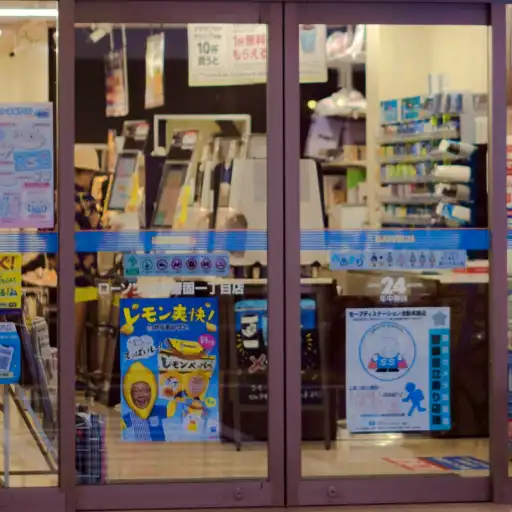
The Legend: In 1932, a fire broke out. Women in kimonos refused to jump into safety nets because they weren’t wearing underwear (traditional at the time) and didn’t want to expose themselves. They died in the fire.
Is It Real?
Debatable history. While the fire was real and tragic, the underwear story is largely considered a myth created by Western clothing manufacturers to sell panties in Japan.
Survival Rule:
Prioritize life over modesty. Always.
21. The Curse of the Colonel

The Legend: The Hanshin Tigers baseball team threw a statue of Colonel Sanders (KFC) into the river to celebrate a win in 1985. The team suffered an 18-year losing streak.
Is It Real?
Yes. The statue was recovered in 2009, missing its glasses and left hand. The “curse” is a famous piece of Osaka sports folklore.
Survival Rule:
Don’t vandalize fast-food mascots. They hold grudges.
The Final Verdict
Japanese urban legends differ from Western jump scares. They aren’t about defeating the monster; they are about following rules.
In the West, you shoot the zombie. In Japan, you must be polite to Kuchisake-onna. You must knock for Hanako-san. You must follow protocol. It reflects a society that values order—even in the face of the supernatural.
Have you visited any of these spots?
Drop a comment below if you’ve been to the Inunaki Tunnel or heard the teke teke sound. Just do us a favor… don’t look behind you right now.

