

10 Must-See Attractions in Lambayeque, Peru: Pyramids, Ancient Tombs & Stunning Beaches (2026 Guide)
Forget what you think you know about Peru. If your feed is just llamas and Machu Picchu, you’re missing half the story. Welcome to Lambayeque—the “Egypt of the Americas”—where the desert hides golden empires, the food will ruin you for anywhere else, and the beaches are chill, unpretentious vibes.
I’ve dug deep to bring you the freshest, 2026-ready guide to this northern powerhouse. Whether you’re a history geek, a foodie, or just chasing the sun, this is your roadmap. We’re talking 100% real, verified info, just the good stuff.
1. Royal Tombs of Sipán Museum (Museo Tumbas Reales de Sipán)
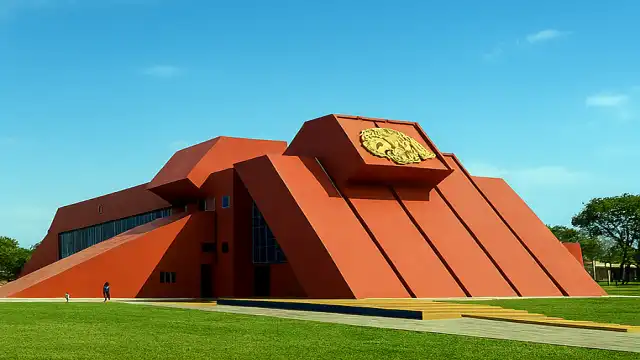
The “Jewel in the Crown” of Northern Peru.
This isn’t just a museum; it’s a pilgrimage. Modeled after the ancient Moche pyramids, this red-and-gold fortress houses one of the most significant archaeological finds of the 20th century: the Lord of Sipán. Think King Tut, but in the Americas.
- Why it hits hard: You walk down from the top floor to the bottom, mirroring the actual excavation process. The deeper you go, the more gold you see. The sheer artistry of the ear spools and necklaces will blow your mind.
- 2026 Insider Tip: Keep an eye out for the expanded exhibit on the Lord’s entourage. New research in late 2025 has shed light on the warriors and musicians buried with him.
- Logistics:
- Entry Fee: ~10 PEN (Adults). Note: Prices often adjust slightly in Jan, so bring small change.
- Hours: Tues–Sun, 9:00 AM – 5:00 PM. Closed Mondays (classic Peru museum rule).
- Pro Tip: No bags or cameras allowed inside. They have free lockers, but travel light to save time.
2. Túcume Pyramids (The Valley of the Pyramids)

26 pyramids. One massive mystery.
Imagine standing in a dry forest surrounded by 26 massive adobe pyramids eroding into the landscape. This was the last great capital of the Lambayeque and Chimú kingdoms. It’s eerie, beautiful, and absolutely massive.
- What’s New for 2026: The on-site museum just revamped its “Ritual” wing, showcasing recent finds from the Huaca Las Balsas sector that depict complex friezes of birds and waves.
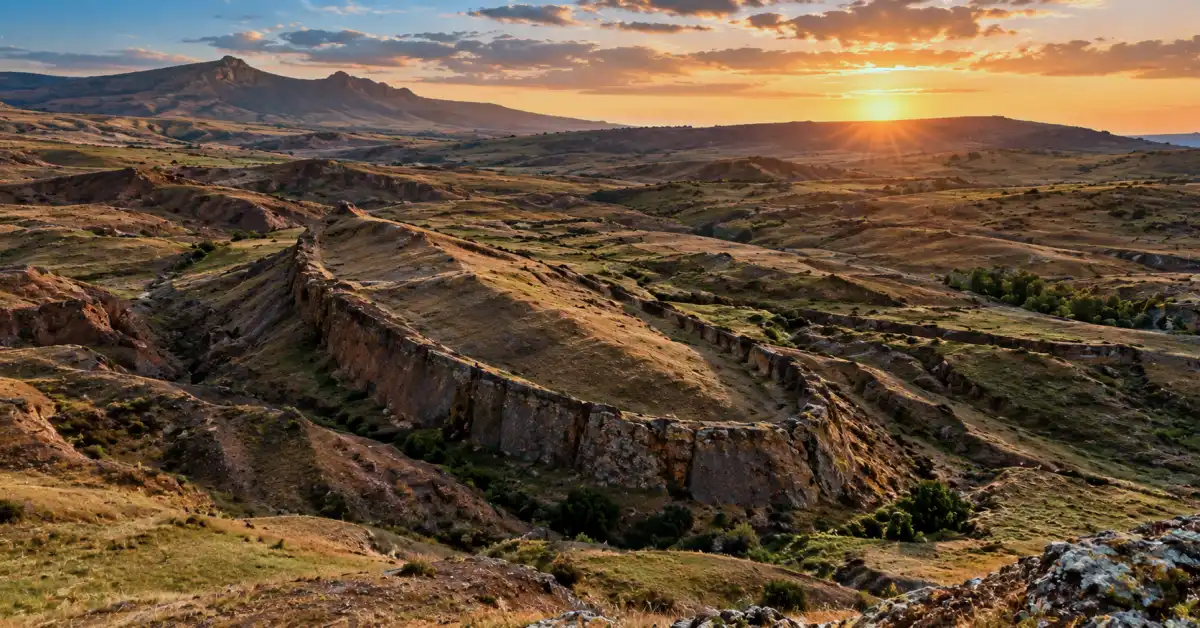
- Do This: Hike up to the Cerro Purgatorio viewpoint. It’s a bit of a leg-burner, but the panoramic view of the pyramids jutting out of the algarrobo forest is the best selfie spot in the region.
- Cost: ~8 PEN for the standard route; ~12 PEN for the full access (highly recommended).
3. Bosque de Pómac Historic Sanctuary
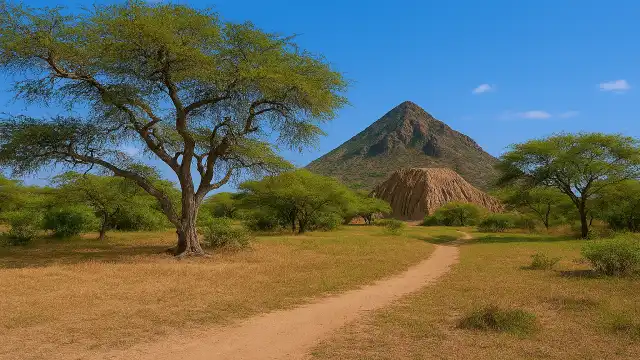
Where nature meets ancient ruins.

This is the largest dry forest of algarrobo trees on the planet. It’s also where the Sicán culture buried their elite. You’re literally walking over gold-filled tombs while birdwatching.
- The Vibe: Jurassic Park meets Indiana Jones.
- Eco-Check: Look for the White-winged Guan (Pava Aliblanca). This bird was thought to be extinct for a century until it was rediscovered here. Seeing one is a massive flex for birders.
- Must-See: The Millenary Tree (Árbol Milenario), a gnarled, giant carob tree believed to be over 500 years old. Legend says it guards the forest spirits.
4. Zaña: The Afro-Peruvian Ghost Town
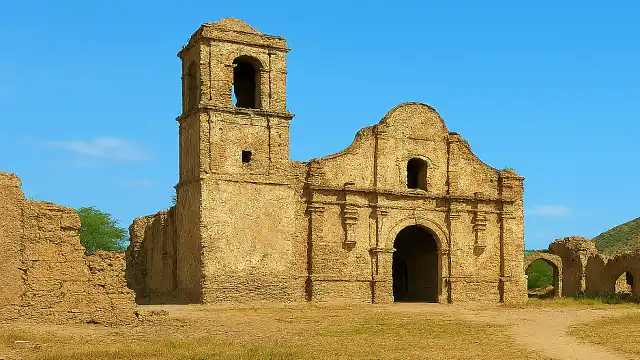
Ruins, rhythms, and rebellion.
Zaña was once poised to be the capital of Peru until a massive flood in 1720 wiped it out. Today, the ruins of colonial churches stand like skeletons against the sky. But Zaña isn’t dead; it’s the beating heart of Afro-Peruvian culture.
- 2026 Highlight: The new “Pope Leo XIV Tourist Route” (Ruta del Papa León XIV) connects Zaña with nearby Monsefú. It highlights the religious and cultural stops frequented by the region’s historical figures.
- Visit For: The Afro-Peruvian Museum. It’s small but powerful, telling the often-overlooked story of slavery and resilience in the region.
- Best Time: Go on a weekend. You might catch an impromptu festejo dance practice in the plaza.
5. Huaca Rajada (The Discovery Site)
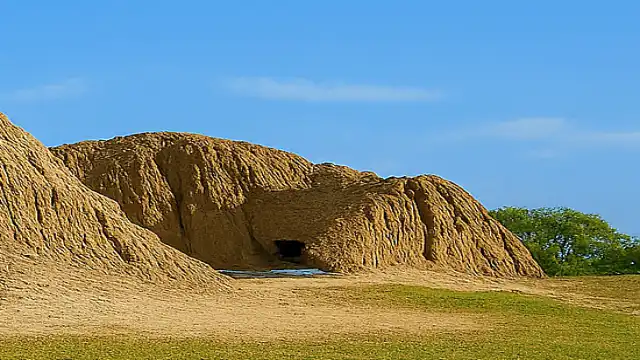
Where it all began.
While the Royal Tombs museum has the gold, this is where the Lord of Sipán was actually found. Standing over the deep excavation pits gives you a sense of scale you can’t get in a museum.
- Why go? The site museum here is underrated. It focuses on the archaeology itself—how they dug, what they found first, and the “Noble Warrior” tomb found in 2007 (way after the Lord).
- Reality Check: It’s dusty and hot. Bring water, a hat, and sunscreen. The sun here doesn’t play around.
6. Pimentel Beach & Pier
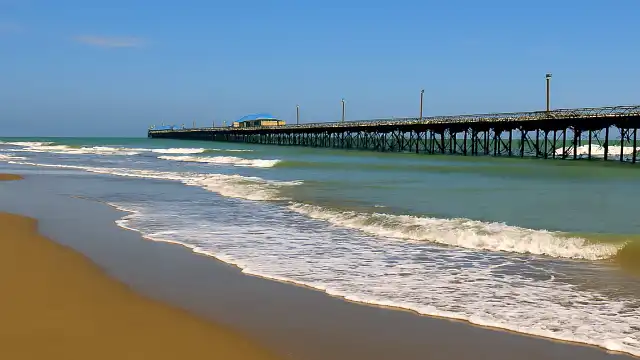
Sunset vibes and surfing tradition.
After all that history, you need to chill. Pimentel is Chiclayo’s summer playground. It features the longest pier in Peru (nearly 700 meters!), perfect for a sunset stroll.
- The Icon: Watch the fishermen ride the Caballitos de Totora (reed horses). These surf boats have been used for 3,000 years—literally since the time of the Pharaohs. You can even pay a few soles to paddle one yourself (prepare to get wet).
- Eat Here: Grab Tortilla de Raya (stingray omelet) at a boardwalk restaurant. It’s a local staple—salty, savory, and delicious.
7. Chaparrí Ecological Reserve
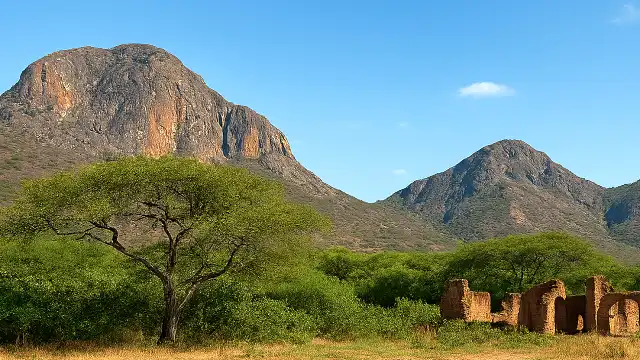
The hidden eco-gem.
If you want to escape the crowds, this is it. Chaparrí is the first private conservation area in Peru, owned and managed by the local community of Santa Catalina de Chongoyape.
- The Star: The Spectacled Bear (Oso de Anteojos). This is one of the best places in South America to see Paddington Bear’s real-life cousins in the wild.
- 2026 Update: Tours are strictly regulated to protect the wildlife. You must book a local guide. Prices for a day tour generally run around 200-300 PEN depending on group size, but it supports direct conservation.
- Vibe: 100% tranquility. No cell service, just nature.
8. Museo Nacional de Sicán (Ferreñafe)

Gold, gold, and more gold.
Yes, another museum, but listen: The Lord of Sicán (different guy from Sipán) was buried with a 1.2-meter wide gold mask and painted eyes. This museum in Ferreñafe focuses on the Sicán culture, which was distinctively different from the Moche.
- Key Exhibit: The “Lord of Sicán” tomb reconstruction is inverted—he was buried upside down and cross-legged. Why? You’ll have to visit to hear the theories.
- Ticket Price: ~8 PEN.
- Location: It’s in Ferreñafe, a quick 20-minute colectivo ride from Chiclayo.
9. The Cross of Chalpon (Motupe)
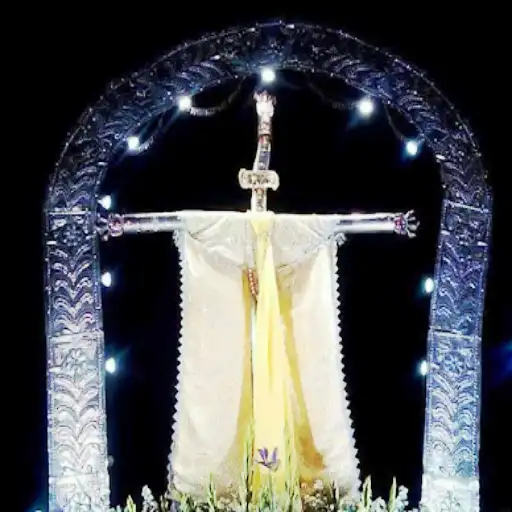
Faith that moves mountains.
Every August, thousands of pilgrims trek up a steep hill to visit this miraculous cross. Even if you aren’t religious, the hike is a cultural experience and a great workout.
- When to go: The main festival is August 5th. Expect fireworks, bands, and crowds. If you want peace, go any other time of the year.
- The Climb: It’s a staircase cut into the mountain. Views from the top are spectacular, looking out over the fertile Motupe valley.
10. Monsefú: The City of Flowers & Food
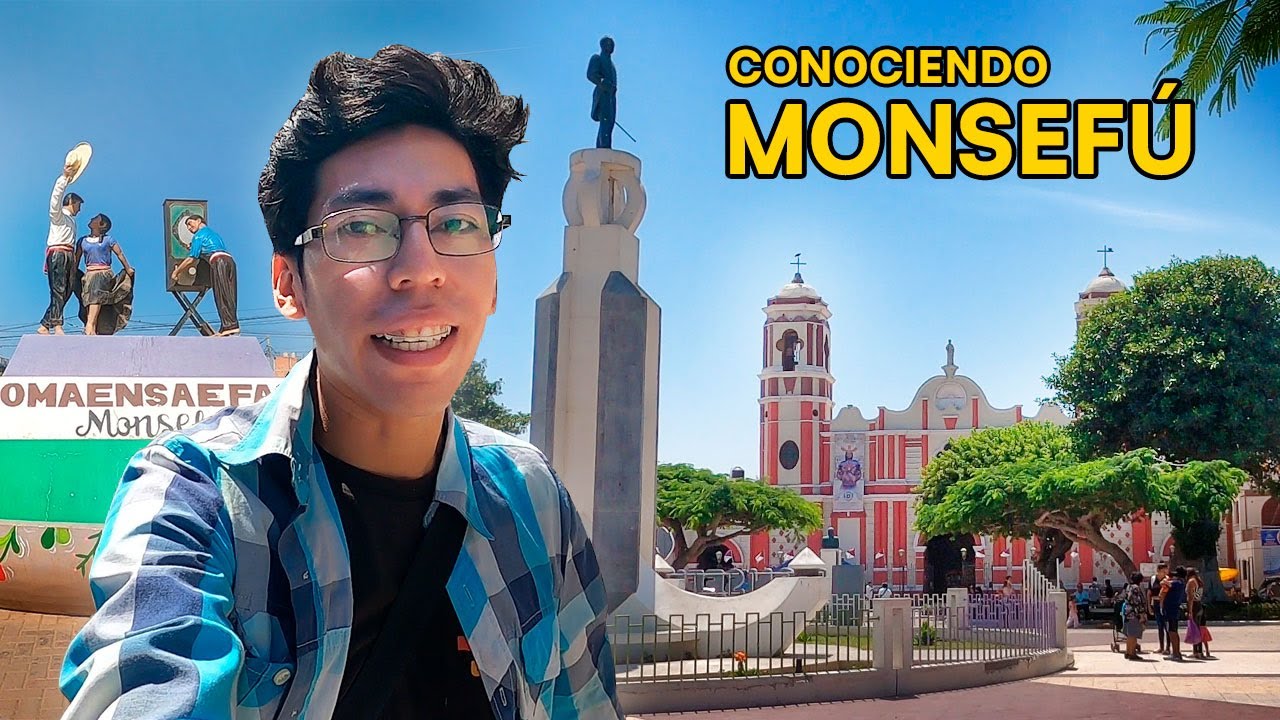
The souvenir and snack capital.
End your trip here to stock up on gifts. Monsefú is famous for its straw weaving, embroidery, and food festivals.
- Don’t Miss: The Fexticum festival in late July (usually around Peruvian Independence Day, July 28). It’s a massive street party with marinera dancing, food stalls, and cultural displays.
- Eat This: Panquita de Life (a seasoned fish wrapped in corn husks) and the legendary Chicha de Carne Seca (yes, a fermented corn drink served with dried meat—don’t knock it ’til you try it).
Lambayeque 2026: Quick Logistics
- Getting There: Fly from Lima to Chiclayo (CIX). Flight time is 1 hour 15 mins. LATAM and Star Peru fly daily.
- Safety (2025/2026 Context): Chiclayo is bustling. In the city center (Mercado Modelo area), watch your pockets. It’s safe, but standard “big city” rules apply. Tourist police are active at major sites.
- Best Time to Visit: May to September is dry and cooler. February and March are hot and can have rain (El Niño season).
- Where to Stay: Stay in Chiclayo for easy access to everything. Los Portales or Casa Andina are solid, reliable choices.
FAQs: Your Questions Answered
1. Is Lambayeque safe for tourists in 2026?
Generally, yes. The tourist circuit (Museums, Pyramids, Resorts) is very safe. Avoid walking alone late at night in the outskirts of Chiclayo or near the chaotic Mercado Modelo. Stick to authorized taxis (Uber is available and recommended).
2. Can I see all these in one day?
Impossible. You need at least 3 days.
Day 1: Royal Tombs & Túcume.
Day 2: Huaca Rajada & Zaña.
Day 3: Pómac Forest & Beach time (Pimentel).
3. What is the “Pope Leo XIV Route”?
It’s a newly promoted cultural corridor for 2025/2026 connecting Monsefú, Zaña, and historic churches, celebrating the region’s religious history and the specific locations tied to local heritage. It’s great for history buffs.
4. How much is the ticket for the Royal Tombs of Sipán?
it’s 10 Soles for adults. Students and kids get discounts. Always bring cash (Soles), as card machines can be glitchy.
5. What is the best dish to try in Lambayeque?
Arroz con Pato (Duck with Rice). The secret ingredient is Loche squash, which is native to this region. It gives the rice a unique, earthy flavor you won’t find in Lima.
Ready to explore the land of the Moche Kings?
Lambayeque is waiting. Don’t just read about history—walk through it. Book your flight to Chiclayo today and uncover the secrets of the desert!

