

The Witch (2015): What Thomasin Said to Black Phillip (Dialogue Analysis)
Robert Eggers’ 2015 film, The Witch: A New England Folktale, is more than just a horror movie. It’s a chilling exploration of faith, family, and the societal anxieties of 17th-century colonial America. Set in the 1630s, the film follows a Puritan family banished from their settlement due to religious disagreements. As they attempt to carve out a life on a remote farm, they are confronted by an unseen evil lurking in the surrounding woods. The film masterfully creates an atmosphere of dread and paranoia as the family slowly unravels, turning on each other in the face of the unknown. But what is it about this movie that still has audiences talking a decade later? It’s the complex themes, the historical accuracy, and the lingering questions it raises about human nature.
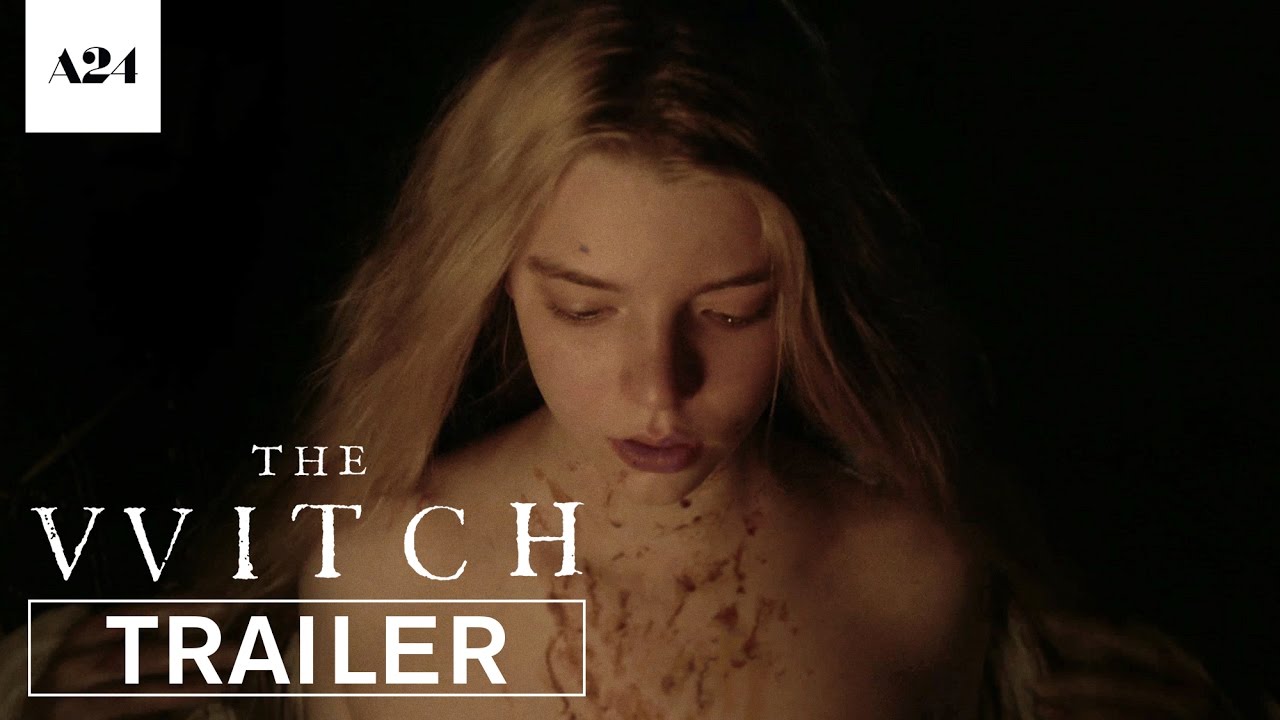
The Witch isn’t about jump scares; rather it is about the slow, creeping dread that comes from isolation, religious extremism, and the fear of the feminine. It delves into the mindset of people who genuinely believed in witches and the ever-present influence of the Devil. This is a world where misfortune is interpreted as divine punishment or the work of malevolent forces. Eggers meticulously recreated this world, drawing from historical documents, folklore, and even the language of the time. The result is a film that feels unsettlingly authentic, immersing viewers in the anxieties and superstitions of the 17th century.
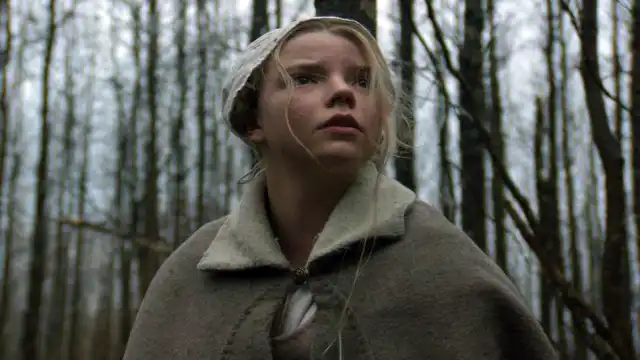
One of the most memorable aspects of The Witch is the character of Thomasin, played by Anya Taylor-Joy in her film debut. Thomasin embodies the struggles of a young woman coming of age in a restrictive, patriarchal society. She faces constant scrutiny from her family, particularly her mother, who views her burgeoning womanhood with suspicion. Thomasin is blamed for everything that goes wrong, becoming a scapegoat for the family’s misfortunes.
As the family descends into madness, Thomasin finds herself increasingly isolated and alone. It is in this state of desperation that she encounters Black Phillip, the family’s seemingly ordinary goat. Or is he so ordinary? In the film’s chilling climax, Black Phillip reveals his true identity: he is the Devil himself.
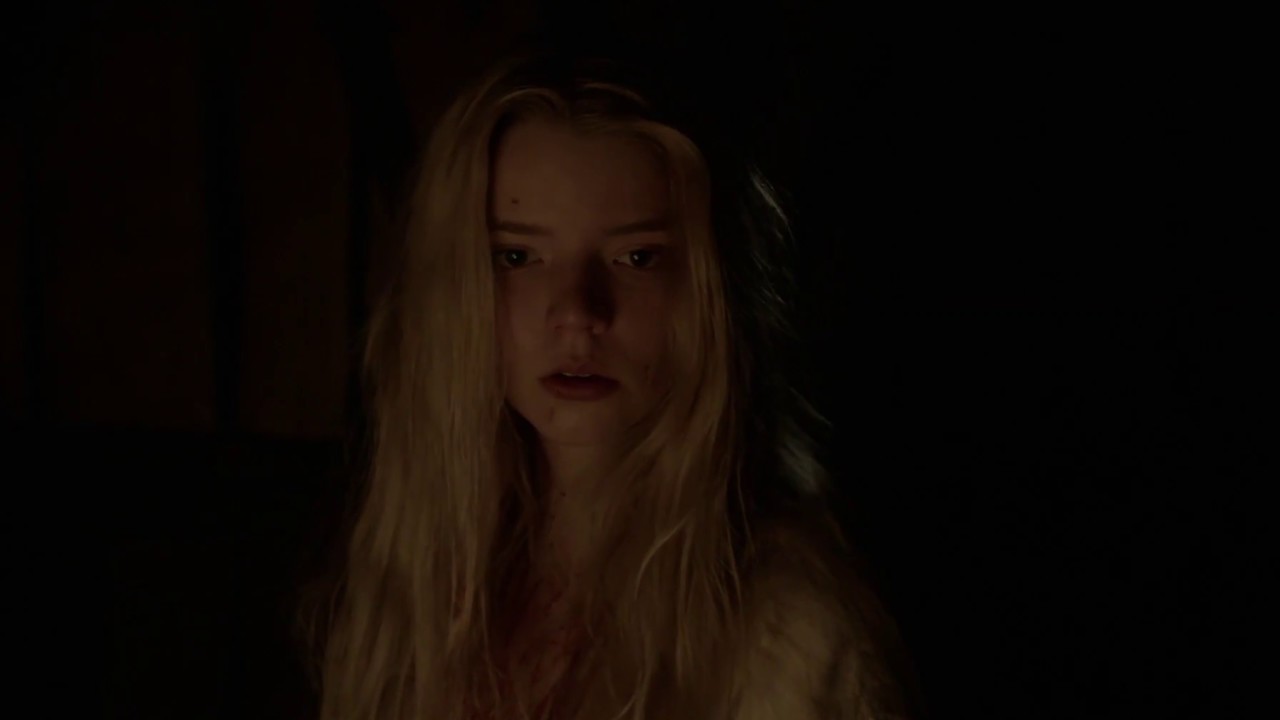
“Wouldst Thou Like to Live Deliciously?”: The Seduction of Thomasin
The dialogue between Thomasin and Black Phillip is the culmination of the film’s themes. It is a pivotal moment where Thomasin makes a choice that will forever alter her destiny. Let’s break down this exchange:
Thomasin: “Speak, I charge you. “
Black Phillip: “What dost thou want?”.
Thomasin: “What canst thou give?”
Black Phillip: “Wouldst thou like the taste of butter? A pretty dress? Wouldst thou like to live deliciously?”.
Thomasin: “Yes.”
This simple exchange is loaded with meaning. Thomasin, having endured immense hardship and betrayal, is finally presented with an opportunity for something more. Black Phillip doesn’t offer her power or riches, at least not explicitly. Instead, he tempts her with the promise of simple pleasures: butter, a pretty dress, a “delicious” life. Why these simple things?
In the context of 17th-century Puritan society, these offerings are significant. Butter, while commonplace today, was once considered a luxury. A pretty dress represents beauty and self-expression, qualities suppressed in Puritan women. To “live deliciously” is to experience joy, pleasure, and freedom, all of which have been denied to Thomasin.
Black Phillip’s offer speaks to Thomasin’s deepest desires. She longs for acceptance, for agency, and for a life free from the constraints of her family and their oppressive religion. The Devil’s words, “Wouldst thou like to live deliciously?” are more than just a sales pitch. They are an invitation to embrace her true self.
The Price of Freedom: Thomasin’s Choice
Thomasin’s decision to accept Black Phillip’s offer is not a simple act of evil. It is a complex and nuanced choice born out of desperation and a yearning for liberation. Throughout the film, she has been denied autonomy and agency. She has been blamed for things beyond her control and treated as an outcast by her own family.
In signing the Devil’s book, Thomasin is not simply selling her soul. She is rejecting a life of oppression and embracing a new identity as a witch. She is choosing to align herself with a force that represents female power, freedom, and rebellion against patriarchal norms.
Some view this ending as tragic, arguing that Thomasin is succumbing to evil. However, others see it as an act of empowerment, a young woman finally taking control of her own destiny. As she joins the coven of witches in the forest, levitating in the air with a look of ecstatic liberation, we are left to ponder the true meaning of her choice. Is she truly free, or has she simply traded one form of oppression for another?

Beyond Good and Evil: Deeper Themes in The Witch
The dialogue between Thomasin and Black Phillip is a powerful symbol of the film’s broader themes:
- The Hypocrisy of Religious Extremism: The film critiques the rigid and unforgiving nature of Puritan society, where even minor transgressions are seen as evidence of sin. The family’s unwavering faith ultimately leads to their downfall, as they become consumed by paranoia and turn against each other.
- The Fear of Female Agency: Thomasin’s journey represents the struggle of women to assert their independence in a patriarchal world. Her burgeoning sexuality and independent spirit are viewed with suspicion and fear by her family, ultimately leading to her condemnation as a witch.
- The Allure of Temptation: Black Phillip embodies the seductive nature of evil, offering Thomasin an escape from her suffering and a chance to embrace her desires. His simple yet profound offer highlights the power of temptation, particularly for those who are vulnerable and oppressed.
- The Ambiguity of Good and Evil: The film challenges our notions of good and evil, suggesting that they are not always clear-cut. Thomasin’s choice to embrace witchcraft is not simply an act of wickedness but a complex response to her circumstances. Is she evil, or simply a victim of her environment?
Black Phillip: More Than Just a Goat
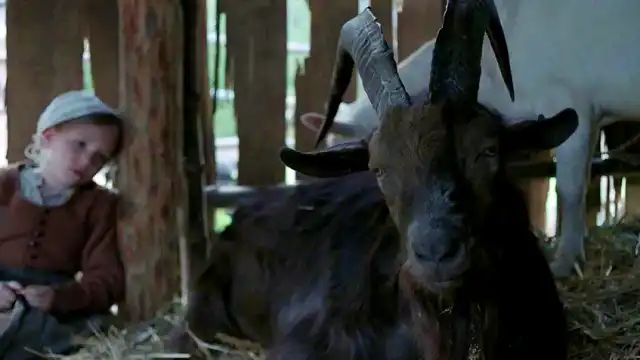
It’s crucial to remember that Black Phillip isn’t just some random farm animal. He is a manifestation of the Devil himself, a cunning and manipulative force that preys on the family’s vulnerabilities. The film cleverly uses the image of the goat, traditionally associated with evil and paganism, to represent the insidious nature of temptation.
Black Phillip’s presence is a constant reminder of the dark forces at play, a subtle yet unsettling presence that contributes to the film’s overall atmosphere of dread. His transformation into human form during the dialogue with Thomasin is a shocking and unforgettable moment, solidifying his role as the film’s ultimate antagonist.
A Lasting Legacy: Why The Witch Still Matters
Nearly a decade after its release, The Witch continues to resonate with audiences and critics alike. Its exploration of timeless themes, its historical accuracy, and its ambiguous ending make it a film that demands to be discussed and analyzed. The dialogue between Thomasin and Black Phillip is a key to understanding the film’s enduring power, offering a glimpse into the complex choices and motivations that drive human behavior.
The Witch is not just a horror movie; it’s a thought-provoking examination of faith, freedom, and the dark side of human nature. It challenges us to question our own beliefs and to consider the forces that shape our destinies. And isn’t that what great art is supposed to do?
What are your thoughts on Thomasin’s choice at the end of The Witch? Share your interpretations in the comments below!

