

Disappearance in the Desert: The Utah Canyon Mystery of Mateo Vargas
When Mateo Vargas vanished in a Utah canyon, everyone assumed the flash flood had claimed his life. The wilderness is unforgiving—even for an experienced hiker. For three months, rescuers scoured ravines, riverbeds, and rocky trails. Nothing. It was as if the desert itself had swallowed him whole.
Then came the discovery. And the nightmare that followed.
Search teams finally located Mateo’s body in a cave high above the canyon floor, a place almost impossible to reach. He had survived the flood, dragging himself up the cliffs with a broken leg.
But what they found inside the cave defied explanation: the ground was covered in hundreds, maybe thousands, of burnt matches. Every inch of the rock was blackened with soot.
Why?
Did he light them for warmth? To scare away animals? Or was he seeing or hearing something else in that darkness?
No signs of a struggle. No evidence of another person. Just a sea of burnt matches, one after another, until his final flame went out.
Some say the canyon is haunted. Others believe isolation can bend the mind in ways we’ll never understand. Whatever the truth, the story of Mateo Vargas remains one of the most chilling unsolved wilderness mysteries ever recorded.
Maybe he wasn’t alone in that cave after all.

The Nightmare. The Legend. The Truth.
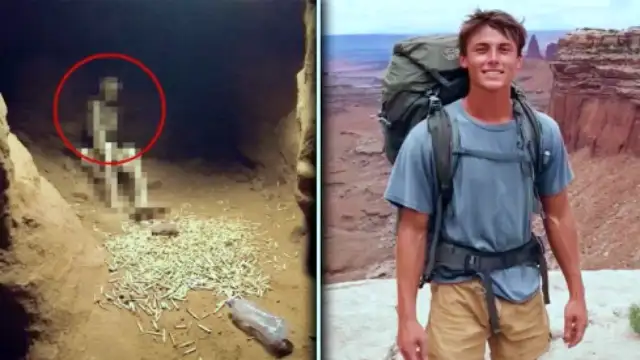
That story? It’s perfect. It’s a perfect, terrifying, self-contained horror story. It hits every primal fear we have: darkness, isolation, pain, and the unknown “other.”
It’s so good, in fact, that it’s gone viral dozens of times. It’s whispered on Reddit forums like r/nosleep, shared as a “true” fact, and cited as one of the most chilling unexplained mysteries ever.
But here’s the kicker.
The story of Mateo Vargas is not a real, documented news event.
Let’s get this straight: there is no official record of a “Mateo Vargas” disappearing in Utah in this manner. There are no news reports. No police files. No search and rescue logs that match this exact, horrifying scenario.
So what is it? It’s a legend. It’s a piece of modern folklore, a “creepypasta,” that is so plausible and so powerful that it feels true. a “campfire story” for the digital age.
The real mystery, then, isn’t what happened to Mateo. The mystery is why this specific story punches us all in the gut. Why does it feel so real? And what real-life nightmares does it echo?
The truth is, this story is a skeleton key. It unlocks our deepest anxieties about what happens when the light goes out.
Deconstructing the Terror: Why the Matches Mess Us Up
The genius of the Mateo Vargas legend isn’t the flood or the broken leg. It’s the matches. They are the entire story.

1. The Agony of the Wait
First, Mateo wasn’t lost. He was trapped. A broken leg and an impossible-to-reach cave mean he wasn’t moving. He was in a static, agonizing, helpless situation. He wasn’t looking for rescue; he was waiting for it. Or waiting for… something else. This amps up the psychological torment.
2. The Quantity is the Horror
A dozen burnt matches? He was cold. A hundred? He was trying to signal for help.
Thousands?
Thousands of matches mean time. It means he was in that cave for days, maybe weeks. Each match represents a single, fleeting moment of light, a 5-to-10-second burst of sanity. It’s an act of pure, agonizing desperation.
Imagine the sound. The scrape-fizz… silence. Scrape-fizz… silence. Over and over. It’s the rhythm of a mind trying to hold itself together.
3. The Soot-Blackened Walls
This is the physical proof of his terror. The soot isn’t just a detail; it’s a scar left on the rock. It’s the physical manifestation of his fear. He didn’t just feel dread; he changed the environment with it. The cave itself became a tomb blackened by his own panic.
4. The Real Enemy: What Did He See?
This is the hook. The story doesn’t give us a monster. It just gives us the reaction to one. And our minds hate a vacuum. We are forced to fill in the blank.
- Hallucinations: This is the most terrifying, realistic answer. The human brain does not handle sensory deprivation. In total darkness, with the added stress of starvation, dehydration, and pain, the mind creates its own stimuli. This is a documented phenomenon known as the “prisoner’s cinema.” He may have been seeing figures, hearing voices, or watching the shadows themselves twist into shapes. He was lighting the matches to make his own brain stop attacking him.
- The Unseen “Other”: The story implies he was trying to scare something away. Something that just… waited. Something that didn’t mind the light. This taps into the ancient fear that the wilderness knows you’re there. That you’re not a visitor, you’re an intruder.
The story of Mateo Vargas is brilliant because it suggests the greatest threat in the wilderness isn’t a bear or a snake. It’s your own mind turning against you in the dark.
Real-Life Wilderness Nightmares
The Mateo Vargas story is fiction. But the terror it describes? The inexplicable behavior? The psychological collapse? That is terrifyingly real.
To understand the legend of Mateo, you have to know the facts of these cases.
Case 1: Gerry Largay (The 26-Day Journal)
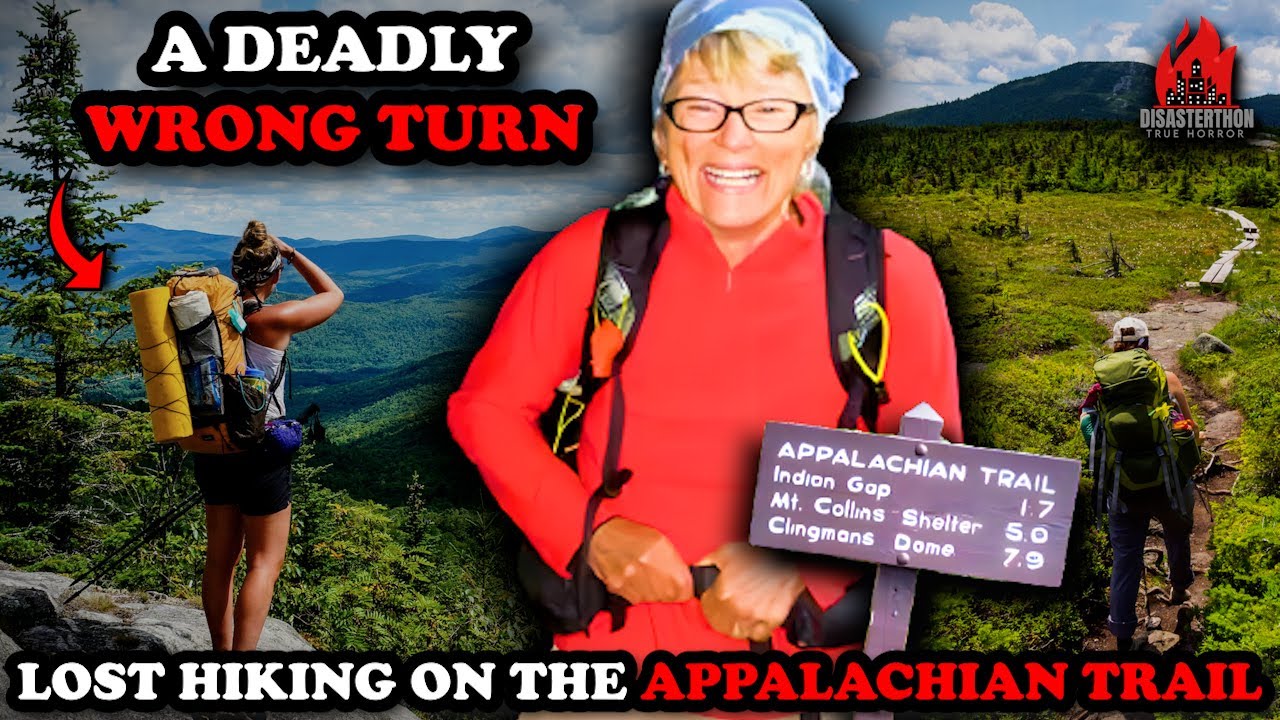
This is perhaps the most heartbreaking, real-world parallel. In 2013, a 66-year-old experienced hiker named Gerry “Inchworm” Largay stepped off the Appalachian Trail for just a moment. She got lost.
- The Parallel: Like Mateo, she was trapped. She couldn’t get a signal. She set up a campsite and waited, hoping to be found.
- The Nightmare: She survived for 26 days. Her body was found two years later inside her sleeping bag.
- The “Matches”: Gerry’s “matches” were her journal. We have her last thoughts. For 26 days, she wrote, chronicling her dwindling hope and her final messages to her family. Her last entry, dated August 18, 2013, reads: “When you find my body, please call my husband… It will be the greatest kindness for them to know that I am dead and where you found me.”
Gerry Largay’s story is the real, documented version of that agonizing wait in the face of the inevitable. We know her state of mind. It was pure, heartbreaking loneliness.
Case 2: The Yuba County Five (The “American Dyatlov Pass”)
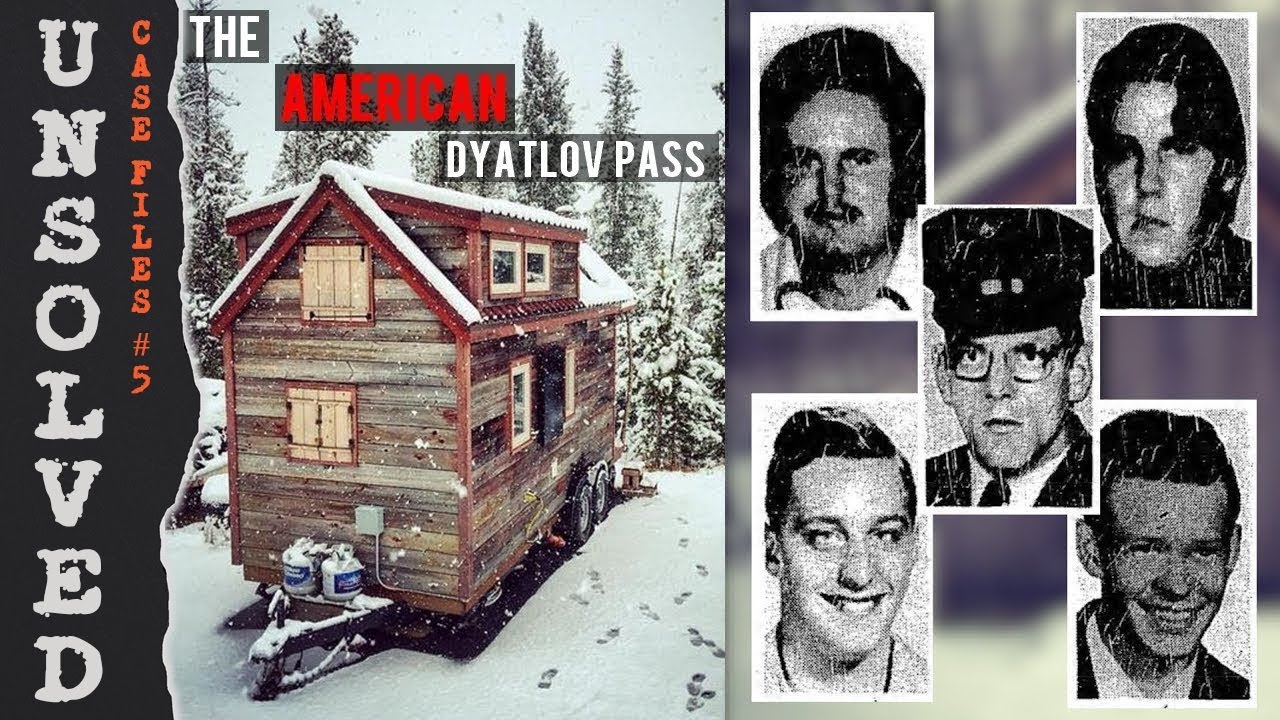
If you want a story about the mind bending in the wilderness, this is it. In 1978, five young men with mild intellectual disabilities drove up a remote mountain road in California in the middle of a snowstorm.
- The Parallel: Their behavior was completely inexplicable.
- The Nightmare: They abandoned their perfectly functional car (which had plenty of gas) and walked miles through deep snow. Four of them were eventually found dead.
- The “Matches”: One of them, Ted Weiher, was found in a forest service trailer. He had starved to death… despite the trailer being stocked with a year’s supply of food and fuel. He had lost 100 pounds. Why would a man starve to death in a room full of food? We will never know. It’s a terrifying echo of Mateo’s irrational act. It’s a complete psychological breakdown where the tools for survival are right there, but the mind can no longer use them.
Case 3: The “Missing 411” Phenomenon
This is less a single case and more of a “grand unified theory” of wilderness horror. This collection of research, popularized by ex-detective David Paulides, documents clusters of bizarre disappearances in National Parks.
- The Parallel: The “Mateo Vargas” story hits all the key “Missing 411” profile points.
- The Nightmare: These cases often involve:
- Victims being found in areas that are impossibly difficult to reach (like Mateo’s high-up cave).
- People behaving irrationally (like taking off clothes in freezing weather, known as “paradoxical undressing”).
- Strange weather patterns, like a sudden storm (Mateo’s flash flood).
- Rescuers being baffled by the victim’s location and actions.
While Paulides’s conclusions are controversial (he hints at Bigfoot or worse), his data points to a terrifyingly consistent truth: people get into the wilderness and do things that make no logical sense. The “Mateo Vargas” story is the perfect encapsulation of a “Missing 411” case.
So… What Was in the Cave with Him?
Let’s bring it back to that soot-blackened cave. The legend of Mateo Vargas endures because, unlike a true story, we are free to choose our own ending. And every single one is terrifying.
- The Rational Answer: The Animals. He dragged himself into the cave, but he wasn’t alone. A mountain lion or a pack of coyotes found him. They were curious. He had a box of matches. He lit one, and they flinched. He lit another. They waited. He spent his last days in a desperate, one-sided standoff, striking match after match, until his hand finally… stopped.
- The Psychological Answer: Nothing. This is, by far, the scariest. There was nothing in the cave but him. He was a man with a broken body, in total darkness, in total silence. He lit the matches to prove he was still real. He lit them to see. And in the flickering, distorting light, he saw the shadows dance. He saw faces in the rock. He became so terrified of his own, fragmenting mind that he kept striking matches to fight his own hallucinations. He died, ultimately, of a terror he created himself.
- The Folklore Answer: The “Something Else.” This is why the story exists. This is the version where the locals are right. The canyon is haunted. He survived the flood only to be found by the thing that lives in the high desert caves. The matches weren’t a weapon; they were a truce. A desperate offering. As long as he provided the light, it just sat there, watching him.
The story of Mateo Vargas is a masterpiece of modern folklore. It’s a warning. It reminds us that the wilderness is not a park; it’s a presence. And that the most terrifying thing in the total darkness isn’t the monster you can see.
It’s the one you can’t.
What do you think happened in that cave? What’s your theory on the matches? Share your interpretation in the comments below!

