

The Lighthouse of Eilean Mor: A Minute-by-Minute Timeline of the 1900 Disappearance
Imagine a rock. A massive, jagged slab of gneiss jutting out of the Atlantic Ocean, seventeen miles from the nearest semblance of civilization. The wind screams constantly. The waves strike with the force of a freight train.
This is Eilean Mor, the largest of the Flannan Isles in Scotland’s Outer Hebrides.
In December 1900, it became the stage for one of history’s most baffling locked-room mysteries. Except, the room wasn’t locked it was an entire island, and the three men guarding it didn’t just leave. They evaporated.
For over a century, this story has been covered in layers of ghost stories, fake logbook entries, and wild theories involving sea serpents or spies. But we aren’t here for the campfire stories. We are here for the facts. By examining the official inquiry from the Northern Lighthouse Board (NLB) and cross-referencing meteorological data from 1900, we can reconstruct the timeline of doom.
Let’s strip away the myths and look at the raw, chilling reality of what happened to James Ducat, Thomas Marshall, and Donald MacArthur.
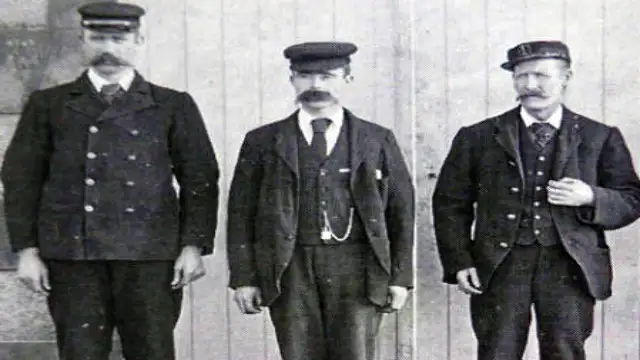
The Cast of Characters
Before we get into the “when,” we need to know the “who.” These weren’t rookies. They were hardened Scotsmen who knew the sea better than they knew their own wives.
- James Ducat (43): The Principal Keeper. A family man with over 20 years of experience. He was the boss reliable, steady, and meticulous.
- Thomas Marshall (28): The Second Assistant. Younger, but capable.
- Donald MacArthur (40): The “Occasional” Keeper. He was a relief guy, brought in because the regular keeper was sick. MacArthur was a veteran tough guy, known for a bit of a temper, but solid in a crisis.
The Timeline: The Countdown to Silence
To understand the disappearance, we have to look at the days leading up to it. The tragedy wasn’t a singular moment; it was a collision of bad timing and worse weather.
December 6, 1900: The Shift Begins
The lighthouse tender ship Hesperus arrives at Eilean Mor. It drops off Ducat, Marshall, and MacArthur for their rotation. The relief keeper, Joseph Moore, leaves the island to go back to the mainland for his break.
Everything is normal. The lamp is lit. The provisions are stocked. The men wave goodbye. It is the last time anyone sees them alive.
December 7 – December 11: Routine
Life on a lighthouse is boring. It’s a cycle of cleaning the lens, trimming the wick, winding the clockwork mechanism that rotates the beam, and watching the weather.
According to the logbook (the real one, not the fake one you read about on Reddit), the weather was variable but manageable. The winds were fresh, blowing from the west. The light was seen nightly by passing ships and from the coastline of the Isle of Lewis.
December 12 – December 14: The Storm Breeds
Here is where the atmosphere shifts. The logs noted a significant drop in barometric pressure. The winds picked up.

- Myth Buster: You might have heard about log entries describing Ducat as “quiet” and MacArthur “crying.” This is fake. It was invented by an author named Ernest Kevin in 1912 for a story. The actual logs were dry, professional, and boring. They noted wind direction, not emotional breakdowns.
However, the weather was getting nasty. The Atlantic was waking up.
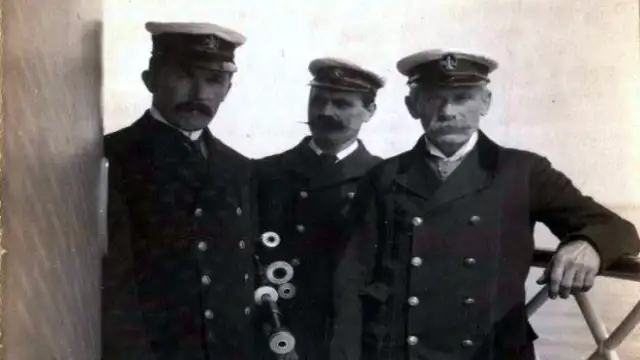
December 15, 1900: The Day of the Disappearance
This is the critical window. Based on the evidence found later, we can piece together the final hours of the keepers.
09:00 AM – The Routine Tasks
The men likely had breakfast. The kitchen was found clean. The dishes were washed. This tells us the catastrophe didn’t happen first thing in the morning. They went about their day. They trimmed the lamp wick for the coming night.
12:00 PM – The Gale Intensifies
Meteorological records from the Outer Hebrides confirm a massive low-pressure system was slamming into the islands. But strangely, the wind dropped slightly around midday before swinging around to the northwest. This is crucial. A shift in wind direction often creates “confused seas” waves hitting each other, creating unpredictable spikes of water.
The Missing Gear Mystery
When the investigation team later entered the lighthouse, they found:
- James Ducat’s oilskins (waterproof gear): Gone.
- Thomas Marshall’s oilskins: Gone.
- Donald MacArthur’s oilskins: Still on the hook.
What this tells us: Two men (Ducat and Marshall) went out into the storm first. MacArthur stayed behind. Regulations stated one man must always stay in the lighthouse.
Approximately 4:00 PM – The Critical Incident
This is the moment. It’s getting dark (sunset in Scotland in December is early, around 3:30 PM – 4:00 PM).
The leading theory, supported by Robert Muirhead (the superintendent who investigated the case), suggests the following sequence:
- The Trouble: Ducat and Marshall go down to the West Landing. They likely need to secure the supply box where ropes and gear are stored. The waves are hammering the cliffs.
- The Watcher: MacArthur is inside the lighthouse. He looks out. He sees his colleagues in trouble. Maybe a massive wave has trapped them, or the gear is being washed away.
- The Panic: MacArthur violates protocol. He rushes out to help them. In his haste, he doesn’t put on his oilskins. He runs out in his shirtsleeves.
- The Rogue Wave: The geography of Eilean Mor is unique. It has deep “geos” (inlets). When water rushes into these narrow gullies, it explodes upward. A massive rogue wave, likely exceeding 100 feet of spray and solid water, surges up the West Landing.
- The End: All three men are swept off the slippery rocks. Their heavy boots and wool clothing pull them under instantly.
9:00 PM – The Missing Light
The steamer S.S. Archtor is passing the Flannan Isles.
Captain Holman looks for the Eilean Mor light to guide his ship.
He sees nothing.
The lighthouse is dark.
This confirms the men were dead before nightfall on December 15. The lamp was never lit that evening.
December 16 – December 25: The Silence
For ten days, the lighthouse stood empty. The lamp, filled with oil, sat unlit. The clockwork mechanism that spun the lens wound down and stopped.
On the Isle of Lewis, people noticed the light was out. However, due to the primitive communication of 1900 (no radio on the island), nobody could check. Bad weather prevented any boats from sailing out to investigate. The S.S. Archtor reported the outage when it docked, but the message got delayed in the bureaucracy.

So, the island waited.
December 26, 1900: The Discovery
Boxing Day. The weather finally clears enough for the relief ship, Hesperus, to make the journey.
12:00 PM – Arrival
Captain Jim Harvie steers the Hesperus toward the island.
- The Signal: The ship blows its whistle. No answer.
- The Rocket: They fire a flare. No answer.
- The Flag: The lighthouse flagstaff is bare. No flag is flying.
Joseph Moore Goes Ashore
Joseph Moore, the relief keeper who had been on break, is rowed to the East Landing. He is anxious. He walks up the 160 steep steps to the lighthouse compound.
The Scene Inside
Moore enters the lighthouse. Here is exactly what he finds (and what he doesn’t):
- The Gate: The entrance gate is closed.
- The Door: The main door is closed but unlocked.
- The Kitchen: The fire is out. The ashes are cold. The clock on the wall has stopped.
- The Table: Contrary to the myth of a “half-eaten meal,” the kitchen is tidy. The pans are cleaned.
- The Beds: The beds are empty but unmade, suggesting they had been slept in the night before (Dec 14).
Moore runs back to the ship. He tells the Captain: “They are gone.”
The Investigation: What Was Found?
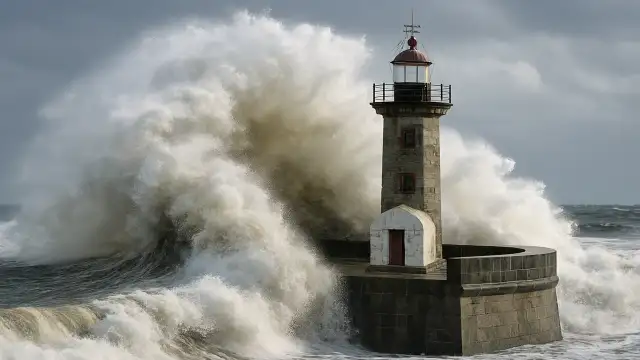
Superintendent Robert Muirhead arrived shortly after to conduct the official investigation for the Northern Lighthouse Board. He headed straight for the West Landing, the most dangerous side of the island.
What he found there painted a picture of extreme violence not by humans, but by the sea.
- The Box: A supply box, sitting 110 feet above sea level, had been smashed open and its contents strewn about.
- The Railing: Iron railings were bent and twisted like licorice.
- The Rock: A massive block of stone, weighing over a ton, had been dislodged.
- The Turf: At the top of the cliff, 200 feet above the sea, turf had been ripped away.
The Verdict:
Muirhead concluded that a wave of immense power likely a rogue wave had struck the island. It reached heights that seemed impossible, sweeping the men away in a single, catastrophic moment.
He wrote in his report:
“I am of opinion that the men went down to secure the box… and that an extra large sea rushed up the face of the rock, went above them, and coming down with immense force, swept them completely away.”
Why Do the Myths Persist?
If the evidence points so clearly to a storm accident, why do we still talk about aliens, madness, and murder?
1. The “Unfinished Meal”
The Myth: The table was set for dinner, with meat on the plates and a chair knocked over.
The Reality: Joseph Moore himself stated the kitchen was clean. The myth was added later by sensationalist newspapers to make the scene look more abrupt, like the Mary Celeste.
2. The “Psychotic” Log Entries
The Myth: The logs spoke of storms when the sky was clear, and men crying and praying to God.
The Reality: As mentioned, these entries appeared in a 1912 magazine story, decades later. The official logs verify the weather was rough, but the entries were standard data points.
3. The “Missing” Bodies
The Reality: The Atlantic Ocean is not a swimming pool. The currents around the Flannan Isles are vicious. If you fall in wearing wool and heavy leather boots, you sink. Or, the currents drag you miles out to sea. Finding bodies in these conditions would have been the real miracle.
Modern Science: The Rogue Wave Theory
For a long time, “rogue waves” were considered folklore by scientists tall tales told by drunk sailors.
However, in 1995, the Draupner wave was recorded in the North Sea. It was a single wave, 84 feet high, appearing out of nowhere in a sea of smaller waves.
We now know that the geography of the Flannan Isles acts like a funnel. The underwater topography can focus wave energy. When a low-pressure system hits the Atlantic shelf just right (like it did on December 15, 1900), it can create constructive interference. Basically, two or three large waves combine to form a monster.
If Ducat and Marshall were down at the landing at 110 feet, they would have felt safe. No normal wave reaches that high. But a rogue wave? It would have swallowed them whole.
The Light That Failed
The disappearance of the Eilean Mor keepers isn’t a story about ghosts. It’s a story about the humbling, terrifying power of nature.
Three men, experienced and brave, stepped out into the wind to do a job. They were securing their equipment, protecting the light that saved others. And in a heartbeat, the ocean took them.
The lighthouse was automated in 1971. Today, the Flannan Isles are uninhabited. The seabirds have reclaimed the rock. But if you take a boat out there today, and you look up at those dark cliffs, you can almost feel the spray of that December storm.
The mystery isn’t what happened. We know what happened. The mystery is the chilling speed of it how three lives can be extinguished in a second, leaving nothing behind but a stopped clock and a clean kitchen.
Key Takeaways
- Date of Incident: December 15, 1900.
- Cause: Likely a rogue wave striking the West Landing.
- Evidence: Missing oilskins (2 sets), bent iron railings at high altitude, ceased log entries.
- Debunked: No uneaten meal, no “crying” logbook entries, no foul play.
Are you fascinated by historical mysteries and the power of the ocean?
Don’t just read about it explore the history. Check out the Museum of Scottish Lighthouses or dive into the Northern Lighthouse Board’s digital archives for the original 1900 reports.
Share this post with your fellow mystery buffs and let’s keep the memory of James, Thomas, and Donald alive.

