

El Cucuy: The Mexican Boogeyman, Origins of the Legend in Portuguese and Spanish Folklore
You’re six years old, tucked into bed, but you refuse to close your eyes. The closet door is cracked just a sliver. Suddenly, your abuela leans in and whispers the words that freeze your blood: “Duérmete… o viene El Cucuy.” (Go to sleep… or El Cucuy is coming.)
If you grew up in a Latino household, you know the drill. El Cucuy isn’t just a bedtime story; he is the ultimate enforcer of bedtime, the shadow in the corner, and arguably the most effective parenting tool ever invented. But did you know this Mexican Boogeyman didn’t start in Mexico? His roots twist back centuries, crossing the Atlantic to the medieval cobblestone streets of Portugal and Spain.
Let’s peel back the layers of this terrifying onion and find out where the “Coco” really comes from.
Who-or What-is El Cucuy?
First things first: what are we looking at? In Mexico and the American Southwest, El Cucuy (often spelled Cucuy, Cuco, or Coco) is a shape-shifter. He doesn’t have a single “official” trading card image, which is exactly why he’s so scary.
To some, he’s a hairy, small humanoid with glowing red eyes. To others, he’s a shadow that slithers along the wall. But the core function is always the same: he takes misbehaving children. Unlike the American Boogeyman, who just kinda hangs out under the bed, El Cucuy has a job to do. He abducts the naughty ones, stuffs them in a sack, and… well, let’s just say they don’t come back for breakfast.
The “Coconut” Connection
Believe it or not, the name might come from a fruit.
Scholars believe the word Coco comes from the Portuguese word for “skull” or “head.” When Portuguese sailors (specifically those with Vasco da Gama around 1498) first encountered coconuts in India, the hairy, three-holed shell reminded them of a skull or a ghost’s face. They dubbed the fruit coco, naming it after the monster they already feared back home.
So, yes: the terrifying monster under your bed shares its name with your favorite tropical smoothie flavor.
The European Roots: It Started with a Dragon
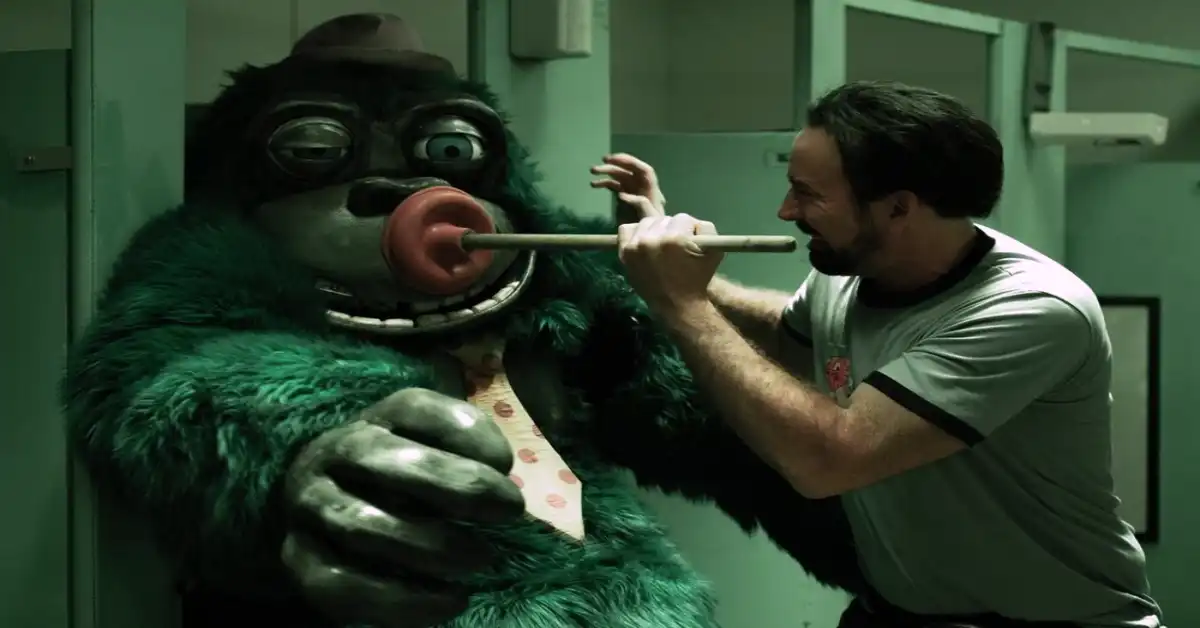
Long before he was terrorizing kids in Tijuana or Texas, this entity was known as Coca in Portugal and Galicia (Spain). But here’s the twist: originally, she was a dragon.
In the town of Monção, Portugal, and Redondela, Spain, the legend of the Coca is still alive. During the Corpus Christi festivals, a mechanical dragon (the Coca) fights St. George. If the dragon scares the horse, the crops will be bad. If St. George wins, the harvest will be bountiful.
From Dragon to Ghost
Over centuries, the legend morphed. The physical dragon became a ghostly “head” or “skull” figure.
- In Portugal: The Coco became a ghost with a pumpkin head, wandering the streets to snatch children.
- In Spain: He became the “Hombre del Saco” (Sack Man), a figure who spirits children away in a burlap bag.
When Spanish and Portuguese colonizers arrived in the Americas, they packed their bags, their maps, and—unfortunately—their monsters. They introduced El Coco to indigenous populations, where the legend blended with local beliefs to become the El Cucuy we know today.

The Lullabies of Nightmare
You can’t talk about El Cucuy without mentioning the theme songs. These aren’t your typical “Twinkle, Twinkle, Little Star” vibes. They are straight-up threats set to a melody.
The most famous version, sung by millions of parents, goes like this:
“Duérmete niño, duérmete ya…
Que viene el Coco y te comerá.”

Translation: “Sleep, my child, sleep now… Or the Coco is coming and he will eat you.“
Talk about high stakes! In Portuguese folklore, the rhymes are just as creepy, often warning that the Coca is on the roof, waiting for a child to disobey. This oral tradition is the glue that has held the legend together for over 500 years. It turns a parent’s exhaustion into a supernatural ultimatum.
El Cucuy in Modern Pop Culture
You might think an old folk tale would die out in the age of iPads, but El Cucuy is thriving. He’s gone Hollywood.
1. Stephen King’s The Outsider

The master of horror himself tapped into this legend. In his novel and the hit HBO series The Outsider, the villain is a grief-eating monster explicitly identified as El Cuco. The show even features the chilling “Que viene el Coco” lullaby, proving that this isn’t just a kid’s scare tactic—it’s legitimate nightmare fuel.
2. TV’s Grimm

In the supernatural procedural Grimm (Season 3, Episode 5), El Cucuy appears as a vigilante creature. Instead of just eating kids, this version brutally attacks criminals who terrorize the neighborhood. It was a fascinating twist: the monster becoming the protector.
Why We Still Need the Boogeyman
Why do we keep telling this story? Is it just to get five minutes of peace and quiet?
Psychologists suggest that figures like El Cucuy serve a crucial purpose. They give a name to the fear of the unknown. For a child, the world is big and confusing. El Cucuy personifies danger in a way that is easy to understand: Do bad things, and the monster gets you.
Moreover, it’s a cultural badge of honor. Surviving the fear of El Cucuy is a shared experience that connects generations. It’s a strange, scary form of heritage.
FAQ: Unmasking the Mystery
Q: Is El Cucuy the same as the Chupacabra?
A: No! The Chupacabra (“Goat Sucker”) attacks livestock and is a relatively new legend (starting in the 1990s). El Cucuy targets children and has been around since medieval times.
Q: Does El Cucuy have a specific face?
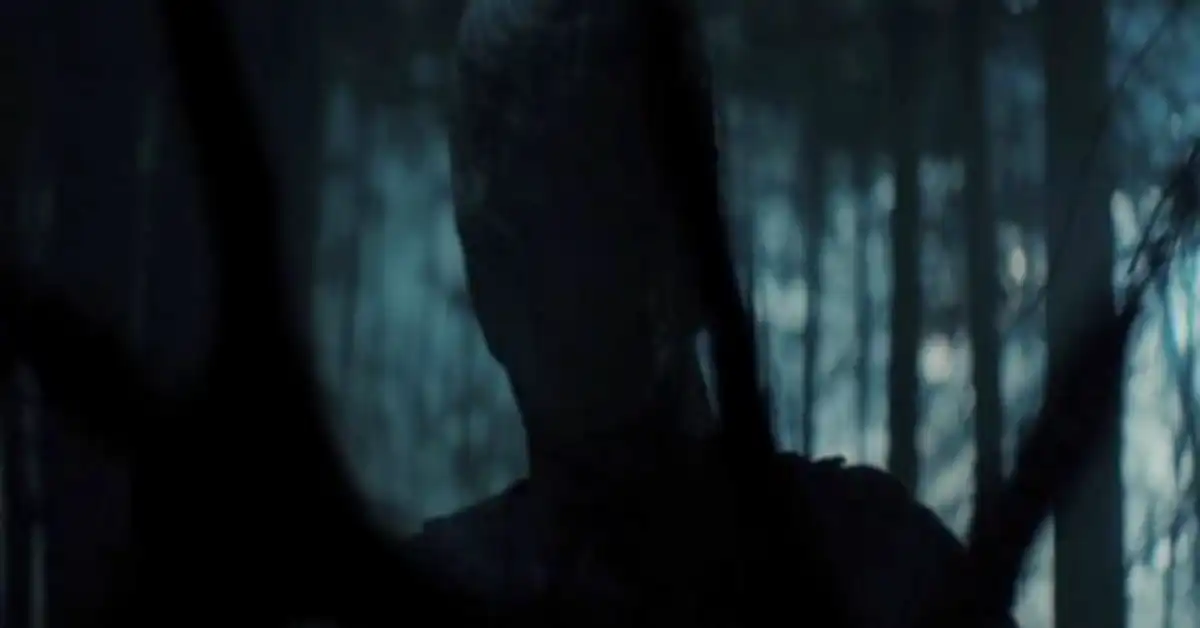
A: Rarely. That’s his power. He is often described as a dark, shapeless shadow or a hooded figure. Your imagination fills in the blanks, which is way scarier than any mask.
Q: Is “Coco” from the Pixar movie related?
A: Not directly to the monster. The movie Coco is named after the great-grandmother, Mama Coco. However, the film celebrates Mexican folklore, so the shared cultural DNA is definitely there!
Q: How do I protect myself from El Cucuy?
A: The rules are simple: Go to bed on time, listen to your parents, and don’t be malcriado (ill-bred/naughty). Basically, be a good kid, and you’re safe.
Are You Brave Enough for the Dark?
Next time you hear a creak in the hallway or see a shadow move in the corner, don’t brush it off. It might just be the wind… or it might be the visitor from the Old World, checking to see if you’re asleep.
Did you grow up fearing El Cucuy? Share your scariest childhood story in the comments below—if you dare!

