

Cesar Chavez Day (March 31): Meaning, History, Grape Strike & 2026 Controversy Explained
Ever had a moment where history flipped upside down overnight? Well, welcome to March 2026. For decades, Cesar Chavez Day stood as a shining beacon of American labor rights. However, recent bombshells have completely rewritten the narrative. We all learned about the legendary union leader in middle school. But, the story you thought you knew just took a massive, dark turn. Consequently, schools and state governments are scrambling to figure out what comes next. Pulling back the curtain on our historical heroes is rarely easy. Yet, it is absolutely necessary. Let’s dive into the wild, complicated truth about the man, the movement, and the massive scandal changing everything today.
Key takeaways
- The Original Meaning: March 31 traditionally celebrated Chavez’s birthday and his tireless fight for farmworker rights.
- The Grape Strike: He famously led the five year Delano grape boycott, securing historic union contracts in 1970.
- The 2026 Controversy: A massive New York Times investigation revealed horrific allegations of sexual abuse against women and minors by Chavez.
- Dolores Huerta’s Revelation: Co-founder Dolores Huerta bravely came forward, stating she was also a victim.
- The Immediate Fallout: The United Farm Workers (UFW) abruptly canceled all 2026 holiday celebrations.
- A New Era: States like California, Texas, and Arizona are rapidly moving to erase his name and rename the holiday “Farmworkers Day.”
Meaning behind march 31
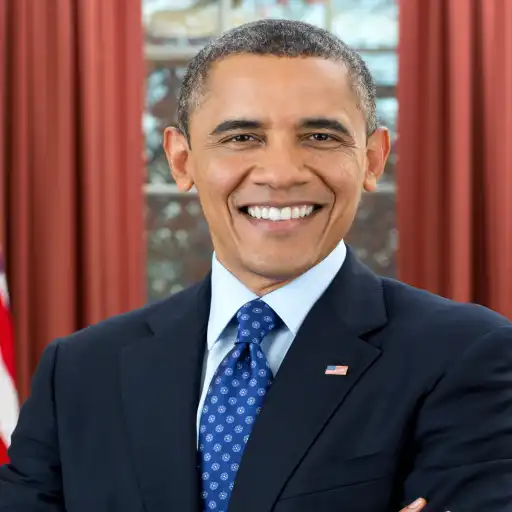
What exactly is this holiday anyway? Initially, President Barack Obama proclaimed Cesar Chavez Day a federal commemorative holiday in 2014. Historically, it fell on March 31, matching the labor leader’s exact birthday. Nine states, including California and Texas, eventually made it an official state holiday. Government offices regularly closed down. Schools held special assemblies. Politicians gave grand speeches.
Furthermore, the core meaning was always supposed to be about human dignity. People used this day to highlight fair wages, safe working conditions, and the basic humanity of migrant workers. Usually, activists spent the holiday volunteering or marching in their local communities. Additionally, students learned how peaceful protests could literally change the world.
For a long time, the narrative was incredibly simple and inspiring. Workers who fed the nation deserved immense respect. Naturally, society needed a charismatic figurehead to represent that grueling struggle. Unfortunately, a holiday is only as solid as the person it honors. Right now, that entire foundation is crumbling under the weight of terrible truths.
The man, The history, The myth
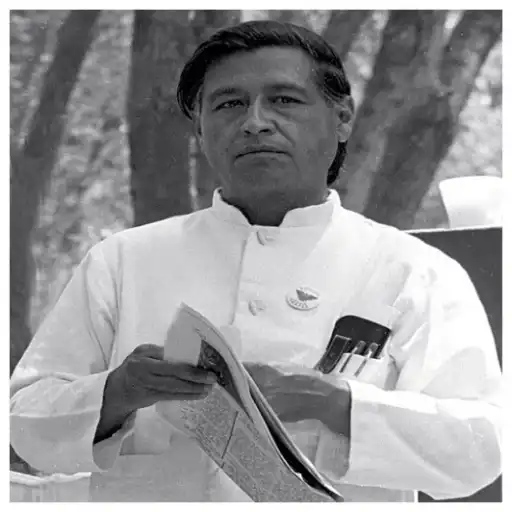
Who was the guy behind the colorful murals and street names? Born in Yuma, Arizona, in 1927, César Estrada Chávez grew up in the dirt. Literally. His family lost their farm during the harsh realities of the Great Depression. Consequently, they became migrant workers in California, chasing crop seasons just to survive.
Life in the fields was brutally hard. In fact, workers had no toilets, no clean water, and barely made enough money to eat. They swung short handled hoes that permanently wrecked their backs. Therefore, young César witnessed these terrible injustices firsthand. Families slept in metal shacks without electricity. Children skipped school to pick crops. Obviously, the system was entirely rigged against them.
Eventually, he decided enough was enough. During 1962, he teamed up with fellow organizer Dolores Huerta. Together, they founded the National Farm Workers Association. Later, this grassroots group became the iconic United Farm Workers (UFW) union. It was a massive gamble. No agricultural union had ever truly survived in America before.
Complicated early years
Are icons ever completely perfect? Definitely not. Even before the 2026 scandal, Chavez had a highly controversial side that many textbooks conveniently skipped. Specifically, he strongly opposed undocumented immigrants crossing the border. He firmly believed they undermined union strikes by working as scabs for wealthy growers.
Sometimes, he even sent union members to patrol the border and physically stop undocumented workers. This controversial initiative was famously called the “wet line” in the 1970s. Ultimately, this hardline stance alienated many modern immigration advocates. Furthermore, he often used derogatory language to describe those crossing the border illegally. Still, his massive organizing achievements in the 1960s kept his hero status relatively intact for decades.

Famous delano grape strike
If you know one single thing about this guy, it is probably the famous grape strike. Honestly, this singular event changed American labor history forever. Without it, there would be no federal holiday at all.
Back in September 1965, Filipino American farmworkers decided to strike in Delano, California. Led by the brilliant Larry Itliong, they demanded better pay. However, they knew they could not win the fight alone. So, they asked Chavez and his largely Latino union to join them in solidarity.
Naturally, he enthusiastically agreed. The two groups officially merged, creating a powerhouse multicultural coalition. But how do you beat wealthy, powerful agricultural giants? You hit their wallets.
Power of the boycott
Instead of just striking in the fields, the union launched a massive, nationwide consumer boycott. Organizers traveled across the country. They stood outside local supermarkets, begging ordinary Americans not to buy California grapes. College students eagerly joined the fight. Religious leaders stood firmly on the picket lines.
Surprisingly, it really worked. Millions of consumers stopped buying grapes. Meanwhile, Chavez went on a highly publicized 25 day hunger strike in 1968. He deeply wanted to ensure the movement stayed strictly nonviolent, drawing inspiration from Mahatma Gandhi. Even Senator Robert F. Kennedy flew out to California to publicly show his support.
Did the pain pay off? Absolutely. By 1970, the major grape growers finally caved. They signed historic contracts granting better pay, health benefits, and vital protections from dangerous pesticides. Frankly, it was a spectacular underdog victory. It proved that organized labor could defeat relentless corporate greed.
2026 controversy explained
Now, fast forward to today. Why is everyone suddenly taking his name off public schools and parks? In March 2026, a shocking New York Times investigation dropped a nuclear bomb on his legacy. Just weeks before the annual holiday, everything instantly changed.
The detailed report uncovered horrific allegations of sexual abuse by Chavez. Even worse, the victims reportedly included young women and minors. For years, quiet rumors had floated around inner activist circles. Yet, nobody dared to speak out against a civil rights god. People were utterly terrified of damaging the farmworker movement.
Then, the dam finally broke. The #MeToo movement had already shifted how society views accountability. Eventually, the deafening silence surrounding Chavez became impossible to maintain.
Dolores huerta speaks out
Perhaps the most crushing revelation came from Dolores Huerta herself. As the legendary co-founder of the UFW, she stood shoulder to shoulder with him for decades. Suddenly, the beloved 95 year old social activist broke her silence.
Huerta bravely told reporters that Chavez had sexually assaulted her. Specifically, she noted being forced against her will in environments where she felt totally trapped. She admitted she kept the terrible secret for over 60 years. Why? She feared destroying the very movement they had built together. Her heartbreaking confession sent immediate shockwaves through the entire country. If he could abuse his closest ally, who else suffered in silence?
UFW response
How did the union react to their founder’s rapid downfall? They certainly did not deny the claims. Instead, the United Farm Workers issued a blunt, deeply devastated statement to the public.
They called the allegations “profoundly shocking” and completely crushing. Specifically, they acknowledged that claims of abusing minors were totally incompatible with their organizational values. Therefore, the UFW and the Cesar Chavez Foundation abruptly canceled all March 31 celebrations for 2026. They urged supporters to spend the day focusing on general immigration justice instead. Additionally, they quickly began setting up independent channels for other potential victims to seek confidential help.
Immediate fallout
Have you ever seen a legacy vanish in real time? That is exactly what is happening right now across America. The speed of the public backlash is truly mind blowing.
First, California lawmakers leaped into action. Assembly Speaker Robert Rivas and Senate President pro Tempore Monique Limón announced rapid legislation. They are actively redesignating the state holiday. Meanwhile, Los Angeles Mayor Karen Bass signed an emergency proclamation. She completely abandoned the Chavez celebrations, opting to honor all laborers generally.
Other states followed suit instantly. Down in Texas, the Education Agency sent emergency notices to all public schools. They explicitly ordered teachers to remove mentions of him from their curriculum. Moreover, they forced districts to cancel any school events planned for March 31. State officials noted that teaching about him now conflicted with laws against presenting highly controversial figures.
Over in Arizona, Governor Katie Hobbs announced the state would no longer recognize the holiday. Statues are currently being covered up with tarps. Murals are being quietly painted over in the middle of the night. Streets are being flagged for rapid renaming. Up in Washington state, lawmakers are legally stuck with the holiday until a new bill passes, but the Latino Democratic Caucus openly announced they will absolutely not celebrate it. Indeed, the erasure is fast, brutal, and completely unprecedented.
Shift to farmworkers day
So, what happens to the holiday now? Does the labor movement just lose a crucial day of recognition? Thankfully, no.
A massive push is underway to rename March 31 as “Farmworkers Day.” Advocates strongly argue that the movement was never just about one single man anyway. It was always about the thousands of nameless, faceless laborers who broke their backs in the fields. Consequently, shifting the focus allows the community to heal while still vividly remembering the struggle.
Separating the man from the movement
Can we realistically separate a flawed leader from a righteous cause? This is the massive question facing educators and historians today.
People like Larry Itliong and the brave Filipino workers still deserve immense praise. They actually started the famous grape strike. By transitioning to Farmworkers Day, society can still honor the brutal, ongoing struggle for agricultural labor rights. We can validate the past victories without ignoring the victims.
Furthermore, focusing on the workers removes the dangerous idol worship that allowed abuse to hide in the shadows. We can celebrate the incredible union contracts without covering up the personal crimes. History is rarely black and white. Often, it is a messy, deeply uncomfortable shade of gray.
Why this matters to you
Maybe you are not a farmworker. Perhaps you just buy grapes at the local grocery store. Why should you care about this intense 2026 drama?
First, it profoundly proves that nobody is untouchable. Accountability matters, even for historical legends. No amount of good deeds can buy a free pass for abuse. Second, it highlights how history is a living, breathing thing. We are literally watching textbooks being rewritten in real time. It is a stark reminder to always question what we are taught.
Additionally, this situation teaches us to hero worship ideas, not individuals. Humans are inherently messy, deeply flawed creatures. However, the fight for fair wages, safe working conditions, and basic human dignity remains pure. We must champion the cause, not just the charismatic leader standing at a podium.
End of an era
Ultimately, the story of Cesar Chavez is a tragic, complex paradox. He undeniably lifted millions of exploited workers out of modern day slavery. He gave a powerful voice to the voiceless. Yet, he simultaneously inflicted horrific, unforgivable pain on vulnerable women and girls.
The 2026 controversy is not just a minor historical footnote. It is a massive game changer. As we move forward, the focus correctly shifts away from the man. Instead, the spotlight finally lands precisely where it belongs. It lands on the resilient, hardworking community of farmworkers who actually sustain our world.
What are your thoughts on this historic shift? Have you noticed any street names, parks, or schools changing in your local area recently? Are your kids’ teachers altering their lesson plans? Let us know your thoughts in the comments below, and share this article to keep the conversation going. Stay tuned, because this historical reckoning is just getting started!

