

Mother’s Day: Anna Jarvis, The Founder Who Regretted Creating the Holiday
You probably know the drill. May rolls around, panic sets in, and you rush to buy an overpriced bouquet of carnations and a foil-stamped greeting card. We treat this Sunday as a gentle, pastel-colored celebration of brunch and gratitude.
But what if I told you the woman who invented this holiday absolutely despised what it became?
Anna Jarvis fought fiercely to put Mother’s Day on the calendar. Then she spent every penny she had trying to wipe it off. She crashed conventions, screamed at politicians, and even got arrested for disturbing the peace. All because we started buying printed cards instead of writing letters.
The history of Mother’s Day isn’t a sweet story about breakfast in bed. It’s a messy, fascinating saga of grief, public health activism, corporate greed, and intense regret. how a day meant for quiet reverence morphed into a retail monster.
Quick read
- The holiday began as a public health movement. Before it was about gifts, Mother’s Day was about lowering infant mortality rates.
- Spelling matters. Anna Jarvis insisted on the singular possessive “Mother’s Day,” not “Mothers’ Day,” to honor your specific mom.
- Commercialism ruined the founder’s vision. Jarvis hated florists and card companies for profiting off the day.
- The tragic ending. Jarvis died broke in a sanitarium, with her bills ironically paid by the very industries she fought.
Mothers’ Day Work Clubs
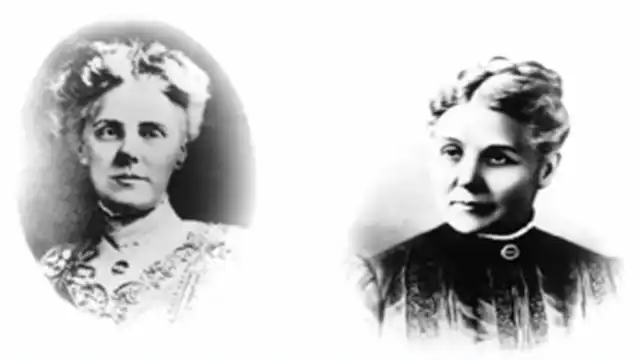
To understand Anna’s obsession, we have to look at her mother, Ann Reeves Jarvis.
Ann was an absolute powerhouse living in West Virginia during the mid-19th century. Back then, Appalachia faced brutal sanitation issues. Epidemics of measles, typhoid, and diphtheria swept through communities with devastating frequency. Ann herself gave birth to 13 children. Only four lived to see adulthood.
Let that sink in.
Instead of surrendering to her grief, Ann took action. In 1858, she organized “Mothers’ Day Work Clubs” to educate local women on hygiene, clean water, and infant care. These groups raised money for medicine and hired women to help families where mothers suffered from tuberculosis.
When the Civil War ripped the nation apart, Ann refused to let politics destroy her community. She declared her clubs neutral. They treated both Union and Confederate soldiers, nursing the wounded regardless of the uniform they wore. After the war ended in 1868, tensions in West Virginia remained explosive. Neighbors had literally shot at neighbors. So, Ann organized a “Mothers’ Friendship Day” to bring veterans from both sides together. It worked. Grown men who had tried to kill each other years prior wept and shook hands.
This was the original spirit of the holiday. It wasn’t about buying a box of chocolates. It was about fierce, community-saving activism.

Daughter’s Promise

Ann Reeves Jarvis passed away on the second Sunday of May in 1905. Her daughter, Anna, was utterly crushed.
Anna was an unmarried woman with no children of her own. Her mother had been her entire world. Three years after Ann’s death, on May 10, 1908, Anna held a small memorial service at Andrews Methodist Episcopal Church in Grafton, West Virginia. She handed out hundreds of white carnations — her mother’s favorite flower.
To Anna, the white carnation represented everything a mother’s love should be. She noted that its petals don’t drop as they die; they hug the heart of the flower, much like a mother embraces her children.
That single church service sparked a fire. Anna realized she wanted the whole country to carve out a specific day to honor the sacrifices mothers make. She launched a massive, relentless letter-writing campaign. She targeted politicians, business leaders, and church officials.
The Apostrophe Matters
Here is a unique observation that explains everything about Anna’s mindset: She was fiercely specific about grammar.
She fought to ensure the holiday was spelled Mother’s Day — singular possessive. She didn’t want a collective celebration of all mothers. She wanted each family to sit down and thank their one, specific mother.
Her stubborn persistence paid off. States slowly began adopting the holiday. Finally, in 1914, President Woodrow Wilson signed a proclamation officially making the second Sunday in May a national holiday.
Anna had won. But the victory quickly turned into a nightmare.
Retailers Enter the Chat

Almost overnight, American businesses realized there was a fortune to be made. Why just visit mom when you could buy her a sprawling floral arrangement? Why write her a heartfelt letter when you could purchase a pre-printed greeting card?
By the early 1920s, the commercialization of Mother’s Day was entirely out of control. Florists started jacking up the price of white carnations every May. When white carnations sold out, the floral industry ingeniously introduced a new rule: wear a red carnation if your mother is living, and a white one if she has passed.
Anna was disgusted. She had envisioned a quiet, holy day of reflection. She wanted children to visit their mothers or write them long, personal letters expressing genuine gratitude. Instead, she watched “charlatans, bandits, pirates, and termites” hijack her deeply personal tribute to sell candy and stationary.

“Too Lazy to Write”
Anna didn’t just sit back and complain. She went on the offensive.
Her quotes from this era are absolutely ruthless. She famously roasted the entire greeting card industry, stating:
“A printed card means nothing except that you are too lazy to write to the woman who has done more for you than anyone in the world”.
She didn’t stop at cards. She attacked candy makers, calling out their cheap tactics. She told reporters that buying a box of chocolates for your mother, only to eat half of it yourself, was a miserable excuse for a tribute.
Anna’s War Against Her Own Creation
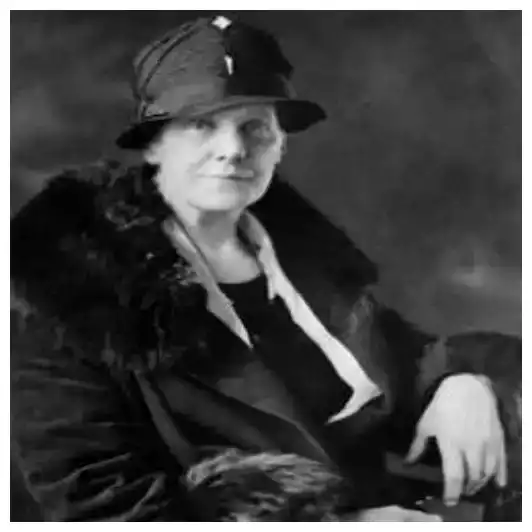
If you think modern cancel culture is intense, you would have been terrified of Anna Jarvis in the 1920s and 30s.
She turned her life into a one-woman crusade against the commercialization of Mother’s Day. She incorporated herself as the “Mother’s Day International Association” and tried to claim legal copyright over the holiday. She threatened to sue anyone who used the phrase “Mother’s Day” to sell a product.
Her protests became increasingly unhinged and desperate:
- Crashing Conventions: In 1923, she stormed a confectioner’s convention in Philadelphia to protest them tying candy sales to the holiday.
- Fighting Charities: You might think charities raising money for poor mothers would get a pass. Nope. When the American War Mothers sold carnations to raise funds, Anna crashed their meeting. She screamed, threw their flowers, and got arrested for disturbing the peace.
- Taking on Politicians: She publicly clashed with First Lady Eleanor Roosevelt, who had used Mother’s Day to raise money for high maternal mortality rates. Anna felt this pitied mothers rather than honored them.
- Door-to-Door Petitions: She literally walked through neighborhoods in Philadelphia, knocking on doors and begging people to sign a petition to rescind the holiday entirely.
She filed over 33 lawsuits. She poured her entire life savings into fighting the floral industry, the postal service, and the greeting card companies.
The Tragic, Ironic End
Fighting a war against American capitalism is a quick way to go broke. Anna spent every last dime trying to kill her own creation.
Her health failed, her mind began to slip, and she became a complete recluse. In 1944, the woman who fought so hard to honor family was placed in the Marshall Square Sanitarium in West Chester, Pennsylvania. She had no money, no husband, and no children to visit her.
Then came the ultimate, bitter irony.

When Anna could no longer afford her sanitarium bills, a group of anonymous donors stepped up to pay for her care. Who were these mysterious benefactors? Executives from the floral and greeting card industries. They quietly kept her comfortable until she passed away at age 84 in November 1948.
She was buried next to her mother. The church bell in Grafton tolled 84 times in her honor.
Meaning of Mother’s Day
So, where does that leave us? Are we supposed to feel guilty for buying flowers this May?
Not necessarily. But understanding the history of Mother’s Day strips away the artificial pressure. It reminds us that we don’t have to perform our love through retail transactions. Most moms don’t actually care about the expensive brunch or the generic card. They care about connection.
Think about what Anna Jarvis truly wanted. She wanted us to hit pause on our chaotic lives. She asked us to revive dormant filial love. She wanted us to obliterate family estrangements.
You don’t need to spend $100 to do that.
If you want to honor the original spirit of the holiday — and respect the fierce, complicated woman who founded it — try skipping the mall this year. Instead, sit down at your kitchen table. Grab a blank piece of paper. Write a genuine, heartfelt letter to the woman who raised you. Tell her what she means to you. Be specific.
If she’s no longer around, honor her memory by embodying the activism of Ann Reeves Jarvis. Help a family in need. Support maternal health initiatives. Be a force for good in your community.
The history of this day is steeped in grief, love, and a desperate desire for authenticity. Let’s give it back its soul.
Ready to ditch the commercial hype?
This Mother’s Day, challenge yourself to honor your mom without spending a dime. Share this article with your siblings to rethink your family traditions, and drop a comment below: What’s the most meaningful, non-monetary gift you’ve ever given or received? Let’s keep the real spirit of Mother’s Day alive!
References:
- https://womenwordswisdom.com/2019/05/09/anna-jarvis-mothers-day/
- https://nths.org/blog/mothers-day/

