

Memorial Day: History of Honoring Fallen Soldiers
Burgers sizzling on the grill. The faint smell of sunscreen in the air. Endless commercials shouting about mattress sales. For millions of Americans, Memorial Day marks the highly anticipated, unofficial kickoff to summer. We pack our weekend bags, hit the highway, and enjoy a much-needed break from the daily grind. But have you ever paused mid-bite of a hot dog to think about what we are actually recognizing?
Actually, “celebrating” isn’t the right word.
Memorial Day is a profoundly solemn occasion. It carries a heavy, deeply rooted meaning that frequently gets buried under modern retail discounts and pool parties. This specific day is dedicated entirely to the brave men and women who made the ultimate sacrifice while wearing the uniform of the United States Armed Forces. They didn’t just serve their country. They gave up their lives for it.
So, when exactly does the holiday fall this year? How did a post-Civil War mourning tradition turn into a massive national weekend? the exact date, the fascinating history, and the true meaning of Memorial Day.
Quick read
- The 2026 Date: Memorial Day falls on Monday, May 25, 2026.
- The True Purpose: Unlike Veterans Day, which honors all military personnel, Memorial Day strictly remembers those who died in service.
- The 3 PM Rule: The National Moment of Remembrance Act asks every American to pause at 3:00 p.m. local time for one minute of silence.
- Historical Roots: The holiday began as “Decoration Day” following the massive, unprecedented loss of life during the American Civil War.
When Is Memorial Day 2026?
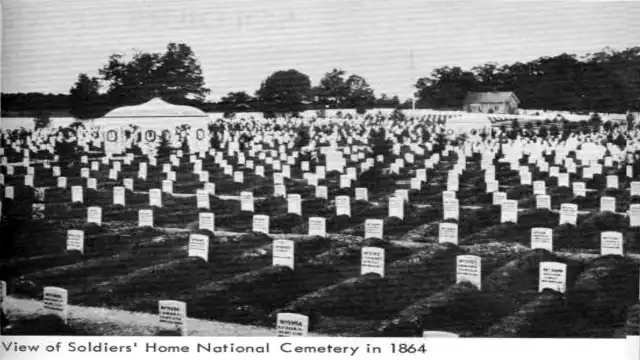
Mark your calendars right now. Memorial Day 2026 lands squarely on Monday, May 25.
Why does the date constantly jump around? You can thank a piece of legislation passed back in 1968 called the Uniform Monday Holiday Act. This law mandated that this solemn day must always fall on the last Monday in May. Congress made this strategic move to give federal workers a guaranteed three-day weekend.
Did this shift dilute the original meaning of the holiday? Some veterans’ organizations definitely think so. They argue that turning a day of deep mourning into a permanent long weekend shifted the national focus from quiet reflection to casual leisure. Regardless of the ongoing controversy, the last Monday of May remains a bedrock federal holiday. Banks shut down. Mail delivery pauses. Schools close their doors across the country.
Veterans Day vs. Memorial Day: Let’s Clear the Confusion
Don’t feel bad if you mix these two up. Countless people do. But if you walk up to a living veteran on the last Monday of May and say, “Thank you for your service,” they might gently correct you.
Why? Because Memorial Day isn’t for them.
Veterans Day, which always falls on November 11, is the proper time to thank everyone who has served in the military. It honors the living heroes. It recognizes those who served during peacetime or wartime and managed to make it home safely. We even have Armed Forces Day in mid-May to specifically honor those currently wearing the uniform.
Memorial Day is entirely different. It is exclusively reserved for the fallen. We use this specific Monday to memorialize the troops who lost their lives in battle or succumbed to wounds sustained in combat. They paid the absolute highest price so the rest of us could enjoy our backyard cookouts in peace. Keeping this distinction clear is the highest form of respect you can show a veteran.
“Decoration Day” to a National Holiday
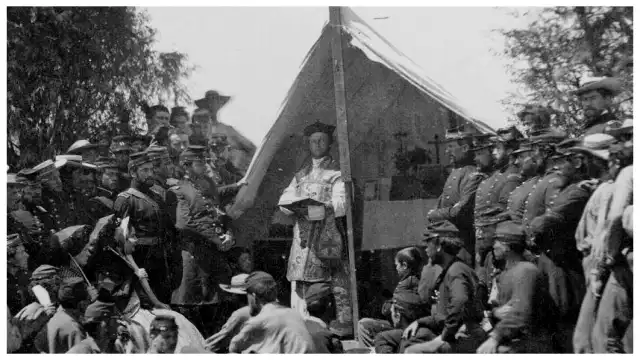
How did this tradition actually start? You have to rewind the clock all the way back to the 1860s.
The American Civil War was incredibly brutal. It remains the deadliest conflict in U.S. history, claiming an estimated 620,000 lives. The sheer volume of casualties forced the country to create its first national cemeteries. Grieving citizens, both in the North and the South, organically began visiting these graves. They cleaned the headstones, laid down fresh flowers, and said quiet prayers.
True Birthplace
Dozens of towns vehemently claim to be the absolute birthplace of this holiday. The history is messy, layered, and deeply human.
One of the earliest recorded observances happened in Charleston, South Carolina, in 1865. A group of freed slaves, alongside a few white residents, organized a massive tribute to honor Union troops who died in a brutal Confederate prison camp. They spent days properly reburying the bodies and laying flowers. Women in Columbus, Mississippi, famously decorated the graves of both Confederate and Union soldiers a year later, refusing to let the enemy’s graves go bare.
Yet, the U.S. government officially recognizes Waterloo, New York, as the true birthplace. They held a highly organized, community-wide observance on May 5, 1866. Businesses literally locked their doors so every single resident could attend.
General Logan’s Famous Order
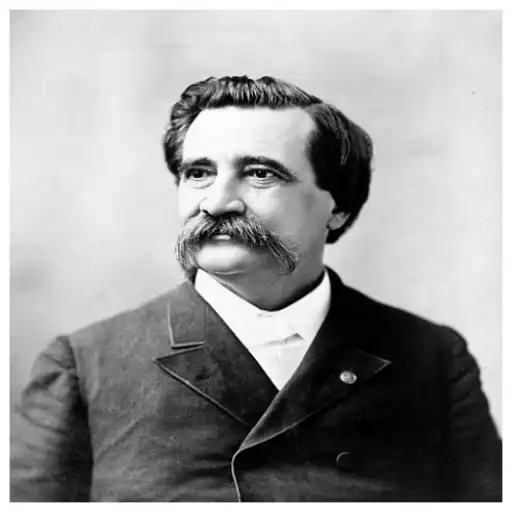
Things became highly official on May 5, 1868. Major General John A. Logan, who led a massive organization of Northern Civil War veterans, issued General Order No. 11. He formally declared May 30 as a nationwide day to decorate the graves of fallen soldiers with spring flowers.
He called it Decoration Day.
Why did he pick May 30? Historians believe Logan chose that specific date because it wasn’t the anniversary of any particular battle. Plus, flowers would be perfectly in bloom across the entire nation. On that very first Decoration Day, over 5,000 participants gathered at Arlington National Cemetery to decorate the graves of 20,000 soldiers.

Over the decades, the name slowly morphed. Everyday citizens started referring to it as Memorial Day. After the global devastation of World War I, the focus naturally expanded. Instead of just remembering Civil War casualties, the country began honoring Americans who died fighting in all wars. Congress finally stepped in and made Memorial Day an official federal holiday in 1971.
The Story Behind the Red Poppy
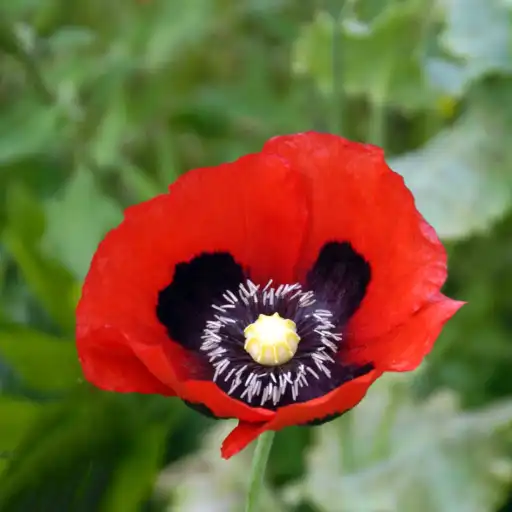
If you attend a parade in late May, you will probably see veterans handing out bright red, artificial poppies. You might even pin one to your lapel. Where did this powerful, silent symbol come from?
It all started with a simple, haunting poem.
During World War I, a Canadian surgeon named Lieutenant Colonel John McCrae treated shattered soldiers in the brutal trenches of Belgium. Amidst the absolute devastation, he noticed something incredibly beautiful. Bright red poppies were pushing their way right up through the churned, blood-soaked dirt of the battlefields.
He penned the famous poem, “In Flanders Fields.”
In Flanders fields the poppies blow
Between the crosses, row on row…
The poem struck a massive cultural nerve. Two women — Anna E. Guerin of France and Moina Michael of Georgia — were so deeply moved by the verses that they campaigned relentlessly to make the poppy an international symbol of remembrance. Today, wearing a red poppy is a quiet, powerful way to say, “I have not forgotten.”
The 3:00 PM Rule (The National Moment of Remembrance)
Imagine this scenario. You are at a crowded beach. The sun is shining, pop music is blasting, and kids are splashing in the warm waves. Suddenly, at exactly 3:00 p.m., the music completely stops. Everyone stands up, takes off their baseball caps, and remains completely silent for 60 seconds.
Sounds totally surreal, right? But it is exactly what we are supposed to be doing.
In December 2000, Congress passed the National Moment of Remembrance Act. This specific law asks every single American to pause wherever they are at 3:00 p.m. local time on Memorial Day. You are supposed to hold a minute of silence to remember and honor those who died in service to the nation.
Why 3:00 p.m.? Because that is usually the exact time when most Americans are right in the middle of their holiday fun. Stopping the music, the laughter, and the games for just one minute forces us to reconnect with the heavy price of freedom. Major League Baseball games often pause. Amtrak trains sometimes blow their whistles. It is meant to be a stunning act of absolute national unity.
The Weight of the Gold Star
When we talk about this holiday, we also need to talk about the people left behind. Have you ever seen a family hanging a flag in their window featuring a solid gold star?
That star means the family lost a loved one in military service. For Gold Star families, Memorial Day is not a historical trivia fact or a chance to buy a cheap television. It is a raw, painful reality. It is an empty chair at the dinner table. It is a son, a daughter, a husband, or a wife who never walked back through the front door.
When we casually wish someone a “Happy Memorial Day,” it can sting. For the families of the fallen, the grief never takes a long weekend. Being mindful of that heavy emotional weight is exactly what separates a good citizen from a great one.
How to Honor the True Meaning This Year
You don’t have to cancel your backyard barbecue to show respect. Blending joy with remembrance is perfectly fine. The troops who sacrificed their lives did so precisely so we could live freely, happily, and safely.
But how can you put the “memorial” back into Memorial Day this May? Here are a few simple, highly impactful ideas:
- Observe the 3 PM Pause: Pull out your phone right now. Set an alarm for 3:00 p.m. on May 25, 2026. When it rings, stop what you are doing. Give those fallen heroes 60 seconds of your thoughts.
- Visit a Local Cemetery: You don’t have to travel all the way to Arlington. Most local cemeteries have a dedicated veteran section. Take a quiet walk, read the names carved into the stone, and leave a few flowers.
- Learn Your Family History: Talk to your older relatives. Did a great-uncle or a distant cousin fall in battle? Keep their stories alive by sharing them with the next generation. A person truly dies only when we stop speaking their name.
- Fly the Flag Correctly: If you hang an American flag at your house, follow the specific rules for this day. Fly it at half-staff from sunrise until exactly noon. At noon, raise it to the top of the staff until sunset.
- Support Grieving Families: Reach out to verified organizations that support the widows, widowers, and children of fallen soldiers. A small donation or a handwritten letter goes a remarkably long way.
Final Thought
Freedom is never free. Yes, it is a phrase you have probably heard a thousand times. But it hits with absolute, undeniable truth every single time you say it out loud. Behind every long weekend, every mattress sale, and every crackling firework is a name carved into white marble.
As we look toward Memorial Day 2026, let’s make a collective promise. Let’s enjoy the warm sunshine. Let’s laugh with our friends and fire up the grill. But let’s never forget the massive debt we owe to the men and women who didn’t make it home.
Are you ready to make this Memorial Day count? Share this article with your family and friends to spread the true meaning of the holiday. Then, drop a comment below sharing how you plan to honor the 3:00 p.m. National Moment of Remembrance!
References:

