

World Red Cross Day: Theme, History, and Global Significance
Ever scrolled past a news alert about a massive flood or an active conflict zone and wondered who is actually stepping up to help? Most of the time, the answer involves an ordinary person wearing a bright red emblem. Every single year on May 8, we hit pause to recognize these frontline workers.
Welcome to World Red Cross Day. It isn’t just a date on the calendar. It serves as a stark reminder of what happens when regular folks decide to do extraordinary things in the face of absolute chaos.
Whether you are a student looking to give back, a parent teaching kids about empathy, or just someone curious about how global aid actually works, this topic matters. history, the 2026 theme, and why this global movement is more critical right now than ever before.
Quick read
- The 2026 Theme: This year focuses heavily on “Keeping Humanity Alive,” honoring those providing critical care in the world’s most dangerous environments.
- A Historical Legacy: The movement started over 160 years ago after a Swiss businessman witnessed the horrific aftermath of a single, bloody battle in Italy.
- A Youth-Driven Resurgence: Gen Z is currently fueling a massive 25% surge in volunteerism, proving that empathy is far from dead.
- International Volunteer Year: 2026 has been officially dubbed the year of the local volunteer, shining a massive spotlight on community-led disaster response.
What Exactly Is World Red Cross Day?
Let’s keep it simple. World Red Cross Day (officially known as World Red Cross and Red Crescent Day) happens every May 8. Why pick that specific day? It marks the birthday of Jean-Henri Dunant. He was the Swiss visionary who literally wrote the book that sparked the entire organization back in the 1800s.
Today, this global event shines a massive spotlight on the International Red Cross and Red Crescent Movement. We use this time to celebrate the roughly 80 million members, staff, and volunteers spread across 191 different countries. They are the ones pulling survivors out of rubble, setting up emergency blood drives, and handing out warm blankets when life hits rock bottom.
The 2026 Theme: Keeping Humanity Alive
Every year brings a fresh focus. The World Red Cross Day 2026 theme is officially “Keeping Humanity Alive”.
That isn’t just a catchy slogan whipped up by a marketing team. It is a very raw reflection of our current reality. Between escalating armed conflicts, back-to-back natural disasters, and global health crises, just keeping people alive has become an uphill battle. This specific theme nods to the bravery of local volunteers who put their own lives on the line daily.
Unique observation: Notice how the focus shifted from “providing aid” to “keeping humanity alive.” It highlights a grim truth. The spaces where these volunteers operate are becoming significantly more dangerous. According to recent ReliefWeb data, 69% of humanitarian personnel who died in the line of duty so far in 2026 were killed in violent incidents. Helping others shouldn’t be a death sentence. Yet, these courageous folks keep showing up anyway.

2026 Is the International Volunteer Year
The International Federation of Red Cross and Red Crescent Societies (IFRC) took things a step further this year. They officially declared 2026 as the International Volunteer Year. The overarching campaign flies under the banner “Local, Everywhere.”
What does that actually mean for you and me? It means shifting the spotlight away from big, bureaucratic headquarters. Instead, the focus lands squarely on the local people fixing problems in their own backyards. When a massive earthquake strikes, the first responders aren’t flying in from Geneva on a private jet. They are the teachers, farmers, and shop owners who live right down the street.
The Gen Z Volunteer Surge
If you think the younger generation only cares about viral social media trends, think again. A massive demographic shift is happening right under our noses.
Recent American Red Cross data from 2026 reveals a 25% surge in their volunteer force over the last three years. Who exactly is driving this incredible spike? Gen Z. They now make up 42% of the volunteer base, largely driven by student-led clubs. Millennials follow closely behind at 24%. Young people are hungry for tangible ways to make a dent in the world’s chaos. They aren’t just donating cash via an app. They are giving up their weekends to organize blood drives and manage disaster relief shelters.
History of the Red Cross
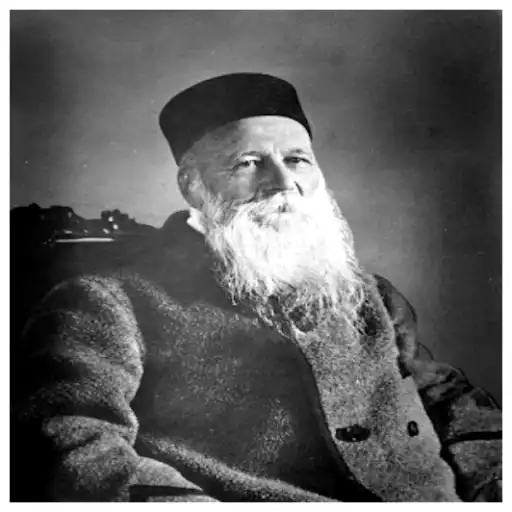
To really grasp the global significance of this movement, we have to rewind the clock. The origin story sounds a bit like a plot from a gritty historical drama.
Henry Dunant and the Battle of Solferino
The year was 1859. Jean-Henri Dunant, a wealthy 31-year-old Swiss businessman, was traveling through northern Italy. He just wanted to secure some water rights for a commercial venture in Algeria. He desperately needed to speak with French Emperor Napoleon III to get the paperwork pushed through.
Instead of finding a quiet boardroom, Dunant stumbled straight into hell.
He arrived right at the bloody aftermath of the Battle of Solferino. Nearly 40,000 soldiers lay dead, dying, or severely mutilated on the battlefield. Nobody was helping them. Medical care was practically nonexistent. The horrifying sight completely shattered him.
Dunant immediately forgot all about his business deals. He spent days organizing local civilian women to wash wounds, fetch clean water, and comfort the dying soldiers from both sides of the conflict. He constantly repeated the phrase “Tutti fratelli” (We are all brothers) to convince local citizens to help the enemy troops.

Birth of a Global Movement
Dunant simply couldn’t shake what he saw. In 1862, he published a deeply emotional book called A Memory of Solferino. In those pages, he pitched a wild idea: What if every country created an independent, neutral relief society to care for the wounded during wartime?
People actually listened. By 1863, a tiny five-person committee in Geneva met to make his idea a reality. This small group eventually evolved into the International Committee of the Red Cross (ICRC).
A year later, twelve nations signed the very first Geneva Convention. This groundbreaking treaty legally promised to protect medical personnel and wounded soldiers on the battlefield. That single document laid the absolute bedrock of modern international humanitarian law. It literally wrote the rules of war.
Dunant’s personal life eventually spiraled into bankruptcy and obscurity due to neglected business deals. However, his legacy endured. In 1901, he was pulled from poverty and awarded the very first Nobel Peace Prize for his massive contribution to humanity.
The 7 Fundamental Principles Driving the Mission
You cannot coordinate 80 million people without establishing some serious ground rules. Since 1965, the entire network has operated under seven core principles. They act as an unbreakable moral compass for every single volunteer.
- Humanity: The ultimate goal is to protect life, ensure respect for human beings, and prevent suffering wherever it pops up.
- Impartiality: No discrimination allowed. Help is handed out based entirely on who needs it the most, regardless of race, religion, or political beliefs.
- Neutrality: To keep everyone’s trust, the movement absolutely refuses to take sides in armed conflicts or political debates.
- Independence: While they work alongside local governments, Red Cross societies must maintain their autonomy to act freely.
- Voluntary Service: Nobody is doing this for a hefty paycheck. It is driven by a profound desire to help, not by a desire for financial gain.
- Unity: There can only be one Red Cross or Red Crescent society in any given country. It must be open to everyone.
- Universality: All national societies have equal status worldwide. They share the exact same responsibilities and actively back each other up.
Think about how incredibly difficult it is to remain truly neutral in today’s hyper-polarized climate. Yet, that strict neutrality is exactly what allows these brave workers to cross active battle lines safely.
What’s in a Name? The Cross, the Crescent, and the Crystal
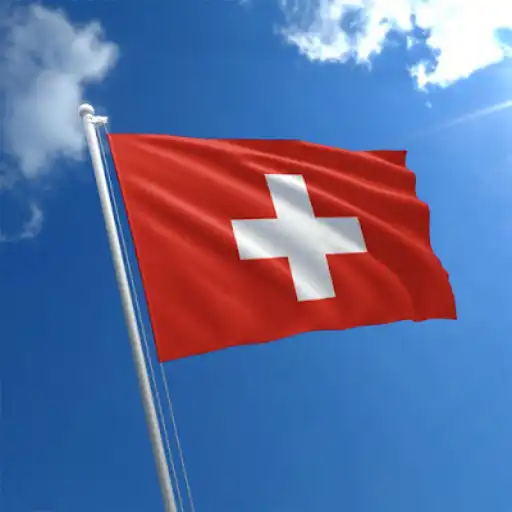
Have you ever wondered why it is sometimes called the Red Cross and other times the Red Crescent? The answer boils down to basic cultural respect and protecting the helpers.
Originally, the red cross on a white background was chosen in 1863 as a direct compliment to the Swiss flag (which is a white cross on a red background). The founders meant it to be entirely neutral. However, during the late 1800s, the Ottoman Empire argued that the cross held strong Christian connotations. They adopted a red crescent instead. In 1929, the Red Crescent was officially recognized internationally. Today, many Islamic nations proudly use this emblem.

But the story did not end there. Some countries felt neither symbol represented them accurately without carrying heavy religious baggage. To solve this, the Red Crystal emblem was introduced in 2005. It looks like a bright red diamond. This addition ensured that any nation could participate under a universally accepted, entirely secular banner.
These emblems aren’t just neat logos. Under international humanitarian law, deliberately firing at vehicles, tents, or buildings displaying these symbols is a blatant war crime.
The Global Significance of the Red Cross Today
Fast forward to 2026. Does the Red Cross still matter? Absolutely.
The world feels a bit more chaotic every single month. Climate change is fueling stronger hurricanes and much fiercer wildfires. Geopolitical tensions are displacing millions of innocent families. Government safety nets routinely fail under massive pressure.
This is exactly where the 191 National Societies step directly into the gap. They aren’t just reacting to violent wars anymore. They teach basic CPR to middle schoolers. They organize life-saving blood donations that keep local hospitals running smoothly. They provide psychological first aid to folks who just watched a tornado completely flatten their living room.
Unique observation: We often view humanitarian work as a grand, sweeping, cinematic gesture. In reality, it is incredibly gritty, exhausting, and tedious. It looks like filling out endless intake paperwork for refugees. It looks like driving a heavy water truck through a muddy mountain pass for twelve hours straight. World Red Cross Day forces us to acknowledge the unglamorous grind of saving the world.
How Can You Actually Help?
Reading about history is great, but taking real action is always better. You do not need a fancy medical degree or a massive bank account to keep humanity alive. Here is how you can jump into the fray right now:
- Roll up your sleeve: Donating blood is literally giving the gift of life. It takes less than an hour, and a single donation can potentially save up to three lives.
- Give your time: Check out your local chapter. They constantly need folks to manage logistics, run social media accounts, or help sort disaster relief supplies.
- Get trained: Sign up for a basic First Aid or CPR class. Being the one person in a room who actually knows what to do during a medical emergency is an absolute superpower.
- Pitch in financially: If you are incredibly short on time, donate some cash. Even a few dollars helps buy emergency thermal blankets, clean water, or sterile bandages.
World Red Cross Day 2026 isn’t just about blowing out birthday candles for Henry Dunant. It is a direct challenge to the rest of us. “Keeping Humanity Alive” requires effort from everyone, not just the brave folks wearing the bright red emblem. The next time disaster strikes, don’t just watch the news in despair. Remember that you have the power to step up and be part of the solution.
Are you ready to make a real difference in your community? Head over to the official IFRC website or contact your local Red Cross chapter today. Sign up for a CPR class, schedule a blood donation, or register as a volunteer. Humanity needs you.

