

Florence Baker: From Ottoman Slave Market to Victorian Nile Explorer
Florence Baker didn’t start life in a cushy English manor. Born into the bloody chaos of a European revolution, she watched her family get murdered. Kidnapped and sold at an Ottoman slave auction, her life seemed destined for misery behind palace walls. Then, a chance encounter with a stubborn British adventurer changed everything.
Together, they mapped uncharted African rivers, survived deadly fevers, fought off mutinies, and went to war against the very slave trade that nearly consumed her. Does this sound like an epic Hollywood blockbuster? It absolutely does. Every single word of it is true. Let’s get into the wild, untamed life of history’s ultimate survivor.
At a glance:
- Tragic Origins: Orphaned during the 1848 Hungarian Revolution, Florence von Sass was kidnapped and groomed for a Turkish harem.
- A Daring Rescue: British explorer Samuel Baker essentially stole her from a slave auction in 1859 after losing a bidding war to a wealthy Pasha.
- African Expeditions: As a crucial member of the Samuel Baker African expedition, she became the first European woman to reach a source of the Nile.
- Discovery of Lake Albert: She negotiated peace during armed porter mutinies and survived a week-long coma before discovering Lake Albert in 1864.
- Abolitionist Warfare: The couple later returned to Africa on a military campaign to violently suppress the regional slave trade.
Bloodshed and Betrayal in Transylvania
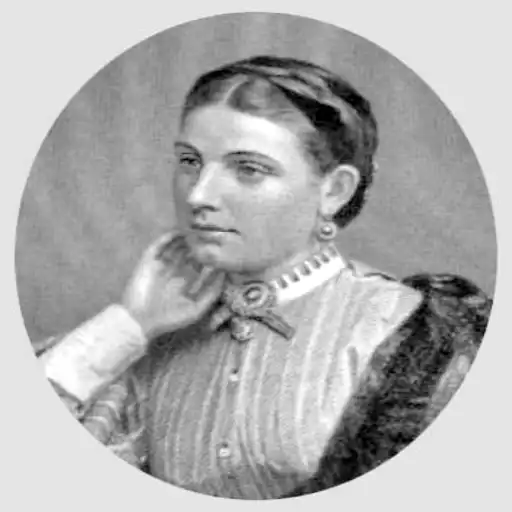
Before she became a celebrated Victorian Nile explorer, she was just a terrified child caught in a warzone. Born Barbara Maria von Sass (often written as Szász) around 1841 in Transylvania — part of modern-day Romania — her early years were relatively peaceful. That peace violently shattered during the 1848 Hungarian Revolution.
Marauding forces swept through her hometown. They murdered her parents and her brothers right in front of her. Suddenly, the seven-year-old girl was completely alone in a filthy refugee camp.
Unfortunately, her nightmare had just begun. An Armenian slave merchant snatched the orphaned girl from the camp. He transported her deep into the Ottoman Empire to a fortified town called Vidin, located in present-day Bulgaria.
For the next several years, her captors raised her inside a harem. They treated her decently, teaching her multiple languages like Turkish, German, and Romanian. You shouldn’t mistake this for kindness. They were simply grooming a highly valuable product. As a striking blonde-haired, blue-eyed teenager, she was destined to fetch a premium price on the human market.
The Vidin Slave Auction
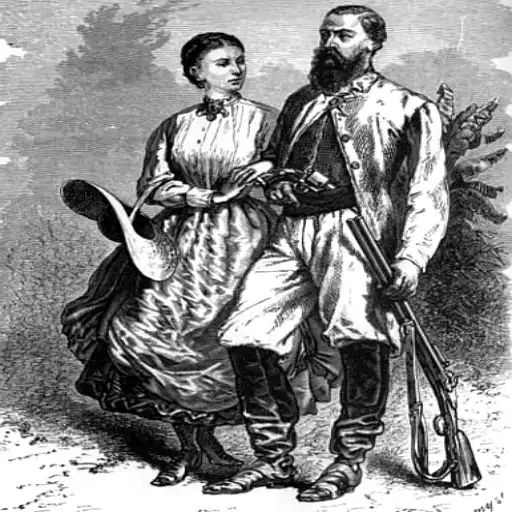
By January 1859, the merchants decided it was time to cash in. They placed fourteen-year-old Florence on the auction block in the Vidin slave market. The local Ottoman Pasha wanted her. He placed a massive bid, fully expecting to take the teenager back to his palace.
Fate, however, had a massive plot twist lined up.
A 38-year-old wealthy British widower named Samuel Baker happened to be passing through on a hunting trip with his buddy, Maharaja Duleep Singh. Bored and seeking entertainment, Samuel wandered into the slave market. He locked eyes with Florence. He immediately started bidding against the Pasha.
Here is where the story gets completely unhinged. The Pasha actually outbid him. The local ruler had significantly more cash on hand. Did Samuel just accept defeat and walk away? Not a chance.
According to historical accounts from researchers at Historic UK, Samuel literally bribed Florence’s guards, grabbed her, threw her into a carriage, and fled the city into the night. The enraged Pasha sent armed men after them, but the couple managed to escape across the border to Bucharest. Samuel had just saved her from a lifetime of captivity. At that exact moment, an unbreakable bond formed between the two survivors.
White Nile Obsession
You might expect Samuel to tuck his teenage companion away in a safe, quiet European villa. Instead, he dragged her into one of the most dangerous environments on planet Earth.
Samuel obsessed over a singular geographic prize: discovering the source of the White Nile. To understand why they risked their lives, we must look at Victorian geography. Finding the Nile’s source was the 19th-century equivalent of landing on the moon. The river had baffled empires for thousands of years. The Romans couldn’t find it. The Egyptians didn’t know where it started. The British Empire desperately wanted the glory of solving the mystery.
They traveled to Africa in 1861. Most European women of the era would have crumbled under the harsh, blistering conditions. Florence completely thrived. She ditched the restrictive corsets, threw on practical trousers, and learned to ride a camel like a seasoned nomad. Because of her childhood in the harem, she quickly mastered Arabic. This made her the unofficial translator and diplomat for the entire expedition.
She wasn’t just tagging along for the sightseeing. Florence packed a pistol and a heavy rifle. She learned to shoot with deadly accuracy. When they marched out of Khartoum into the brutal Sudanese heat, she proved herself absolutely essential to their survival.
Mutinies, Malaria, and Machetes
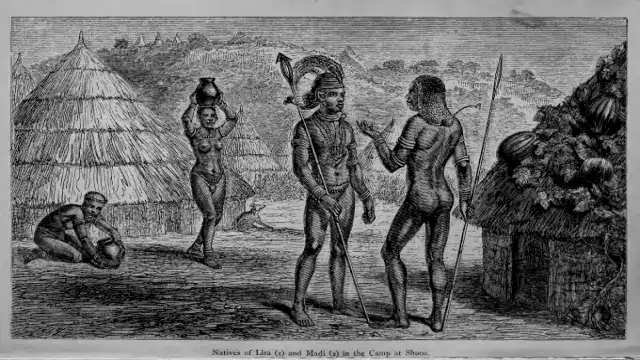
Exploring unmapped African territory was brutal, agonizing work. Progress up the river was terrifyingly slow. The expedition crawled through massive, bug-infested swamps known as the Sudd. Men dropped dead from malaria daily. Supplies rotted in the suffocating heat.
Eventually, the local porters snapped. They refused to go a single step further and plotted a violent mutiny against Samuel.
Can you imagine facing an angry, armed mob in the middle of the jungle at just twenty years old? Samuel, known for his incredibly rigid and stubborn personality, found himself in a massive pickle. He grabbed his weapons, fully ready for a bloodbath. Florence sprinted directly into the middle of the chaos. Using her fluent Arabic and natural charm, she talked the men down. She negotiated a brilliant compromise that saved her husband’s life and kept the expedition moving forward.
Surviving the Unsurvivable
Nature almost succeeded where the mutineers failed. Near the tail end of their journey, a severe case of sunstroke knocked Florence completely unconscious. She slipped into a terrifyingly deep coma.

For seven agonizing days, she lay totally unresponsive. Samuel refused to sleep, sitting by her side while local guides literally prepared to dig her grave in the dirt. He wrote in his diary about the sheer agony of watching his beloved fade away. Miraculously, she fluttered her eyes open on the seventh day. Slowly, she regained her strength. She brushed off the near-death experience without a single complaint.
The Discovery of Lake Albert
In 1864, their sheer stubbornness finally paid off. Following geographic clues left by fellow British explorers John Speke and James Grant, the couple stumbled upon a massive, shimmering body of water. They named it Lake Albert, honoring Queen Victoria‘s late husband. They also discovered the spectacular, roaring Murchison Falls.
Against all odds, Florence Baker officially secured her place in history. She was the first European woman to reach a primary source of the mighty Nile River.
A Royal Snub in Victorian England
After four grueling years in the African bush, they returned to England. Publicly, the press treated them like absolute rockstars. The Royal Geographical Society awarded Samuel their prestigious gold medal. In 1865, the couple finally married in a secret ceremony, and the following year, he received a formal knighthood. Florence officially became Lady Baker.
High society threw lavish dinner parties in their honor. But there was one massive, unavoidable problem: Queen Victoria.
The monarch eventually got wind of a scandalous rumor. She realized Samuel and Florence had traveled together — and shared a tent — long before their secret 1865 wedding. In the stuffy, morally rigid Victorian era, premarital intimacy was considered a massive social crime. Queen Victoria flat-out refused to receive Lady Baker at royal court.
Did Florence actually care? Probably not. She had survived a bloody massacre, a terrifying slave auction, and the deepest jungles of Africa. A cold snub from a grumpy monarch sitting on a velvet throne hardly registered as a real problem.
Returning to Africa
Having survived the horrors of the slave trade firsthand, Florence harbored a deep, intensely personal hatred for the institution. When the Khedive of Egypt asked Sir Samuel to return to Africa in 1869 to violently suppress the regional slave trade, Florence didn’t hesitate for a second. They packed their bags and headed straight back into the fire.
This second major expedition was basically a full-blown military campaign. Sir Samuel became Governor-General of the Equatorial Nile. They marched heavy troops into regions dominated by brutal warlords and ruthless ivory poachers.

Florence served as the chief medic, treating wounded soldiers on active battlefields. According to historical archives at JSTOR Daily, she was always ready for a firefight. She carried rifles, extra ammunition, a flask of brandy, and — hilariously — two standard umbrellas to block the harsh sun.
During a massive, chaotic battle at Masindi, she called the shots from a high rocky vantage point. She expertly directed troop movements, secured the vital ammunition, and herded the captured prisoners. Samuel famously wrote of her bravery during the ambush, “She is not a screamer.” She possessed an icy calm in the face of sheer terror. Through their combined military efforts, they freed hundreds of captives and burned slaving camps to the ground.
The Quiet End to a Loud Life
By 1873, the couple had clearly experienced enough adventure for one lifetime. They returned to England for good, purchasing a beautiful, sprawling estate in Devon called Sandford Orleigh.
Here, the pistol-packing jungle medic transformed into the perfect, elegant Victorian hostess. She threw brilliant dinner parties, charming local guests with her multilingual banter. Nobody would have ever guessed the polite woman pouring their afternoon tea once outran an Ottoman Pasha and survived a jungle mutiny.
Sir Samuel passed away from a sudden heart attack in 1893. He spent his final years publicly crediting his incredible wife for his massive success. He openly admitted to the press that he owed his life to her bravery. Florence lived another twenty-three years, quietly managing their country estate until her peaceful death on March 11, 1916.
Why History Needs to Remember Her
For decades, stuffy male historians treated Florence as a mere footnote in her husband’s grand story. They painted her as the devoted, quiet wife holding the famous explorer’s coat.
That narrative is complete garbage.
The real Florence von Sass biography reveals a woman of terrifying competence and unmatched grit. She brokered complex peace treaties when men blindly reached for their guns. She flawlessly translated high-stakes Arabic negotiations. She nursed dying men back to health in the middle of a rotting swamp. She survived horrors that would break most modern people in half.
She challenged every single rigid rule her society threw at her. When the world told her to be a victim, she actively chose survival. When society told her to stay home, she conquered a continent. Lady Florence Baker was the ultimate survivor, a relentless pioneer, and a total badass who deserves a prime, undeniable spot in our history books.
What is your favorite part of Florence Baker’s incredible journey? Do you think she gets enough credit compared to other famous Victorian explorers? Drop your thoughts in the comments below, and share this unbelievable story with a friend who loves hidden history!

