

Most Famous Secret Societies Explained: History, Myths, and What’s Real
Let’s be real for a second: you’ve probably spiraled down a YouTube rabbit hole about the Illuminati at 2 AM at least once. We all have. There’s something intoxicating about the idea that a group of robe-wearing elites is pulling the strings of the universe while the rest of us are just trying to figure out why printer ink is so expensive.
But here’s the thing—the truth is often weirder, funnier, and more human than the fiction.
Present, with information flying at us at light speed, “secrecy” has changed. It’s no longer just about whispers in candlelit basements; it’s about digital backchannels and encrypted apps. But to understand where we are, we have to look at where we came from. We’re going to skip the tired, cliché lists you’ve seen a thousand times. Yes, we’ll touch on the big names, but we’re also digging into the groups that history books (and other blogs) conveniently forgot.
Buckle up. We’re going deep.
The Big Two: Fact-Checking the “Masters of the Universe”
Before we get to the really strange stuff, we have to address the elephants in the room. Or rather, the pyramids on the dollar bill.
1. The Illuminati: The Ultimate Ghost Story
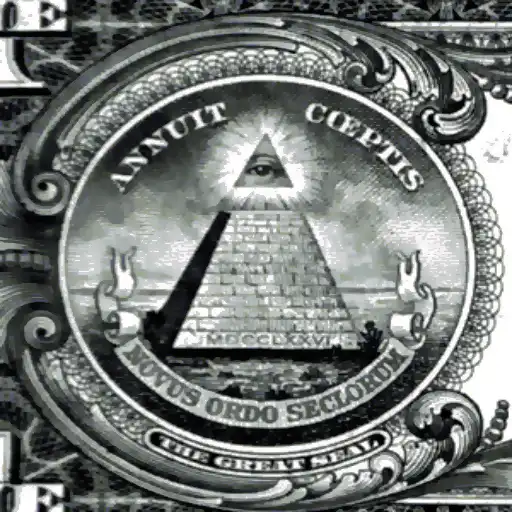
The Myth: A shadow government controlling every major event, from the price of oil to who wins the Grammys.
The Reality: They were a short-lived book club for nerds.
Seriously. The Bavarian Illuminati was founded in 1776 by Adam Weishaupt, a professor who wanted to promote Enlightenment ideals like reason and secularism. He wasn’t trying to summon demons; he was trying to get people to read more science books and stop blindly trusting the monarchy.

They were infiltrated by the Bavarian government and crushed by 1785. That’s it. They lasted less than a decade. The modern obsession with them is largely a result of pop culture and 1960s counter-culture fiction (like the Illuminatus! Trilogy) that seeped into our collective consciousness.
2. The Freemasons: The “Fraternity with Secrets”
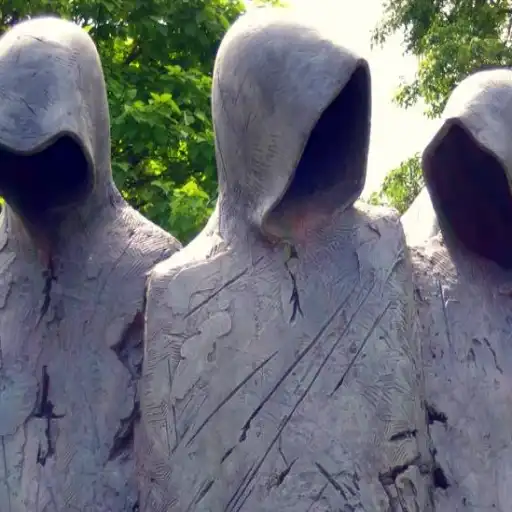
The Myth: They are hiding the Holy Grail and plotting world domination.
The Reality: They are likely planning a pancake breakfast charity fundraiser.
Freemasonry is the oldest and largest fraternity in the world. While they do have secret handshakes and passwords (which act more like a membership card), their primary focus today is self-improvement and philanthropy.
Modern Perspective: In a 2024 sociological analysis on “The Demographics of Concealment,” researchers noted that traditional fraternities like the Masons are actually declining in secrecy, pivoting towards community visibility to survive in the digital age. They aren’t ruling the world; they’re trying to keep their lodges’ roofs from leaking.
The Weird & Wonderful: Societies You Won’t Believe Existed
Here is where it gets good. These are the groups that prove history is stranger than fiction.
3. The Order of the Pug (Mopsorden)

“Bark if you love freedom.”
Imagine a secret society where the most sacred symbol is a squishy-faced dog.
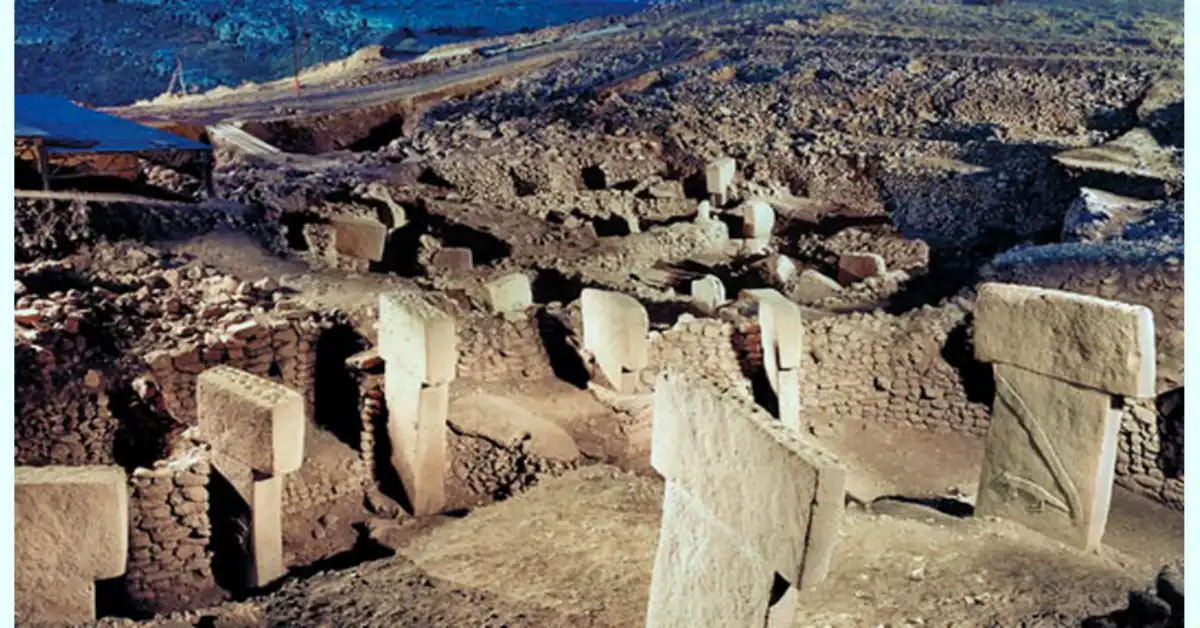
- The Origin: In 1738, Pope Clement XII issued a bull banning Catholics from becoming Freemasons. A group of German Catholics, led by Klemens August of Bavaria, wanted the fun of a secret society without the risk of excommunication. So, they created the Order of the Pug.
- Why a Pug? Pugs were symbols of loyalty and reliability.
- The Rituals: This is 100% verified historical fact. New initiates (both men and women were allowed!) had to wear dog collars and scratch at the lodge door to get in. During the initiation, they had to kiss the backside of a porcelain pug statue under its tail to show total devotion.
- The Status: The order was reportedly active until the early 20th century, with some rumors of a lodge in Lyon, France, existing as late as 1902. Today, it’s defunct, but it stands as a hilarious testament to human creativity in bypassing authority.
4. The Great Enlightened Society of Oculists
“The Spies Who Loved Eye Surgery.”
For centuries, historians found strange manuscripts filled with unreadable code and diagrams of eyeballs. They assumed it was just a weird guild of eye doctors. They were wrong.
- The Discovery: In 2011, a team of computer scientists and linguists finally cracked the Copiale Cipher, a 105-page encrypted manuscript from the 1740s.
- The Truth: The “Oculists” weren’t eye doctors. They were a secret society using ophthalmology terminology as a cover to hide their Masonic-style rituals from the state and church.
- The Ritual: The decoded text revealed a ritual where a candidate was asked to read a blank piece of paper. When they couldn’t, they were given “glasses” (a metaphor for enlightenment) and told they could now “see” the truth—which was mostly about political freedom and anti-clericalism.
- Unique Insight: This group highlights a critical function of secret societies: they were often the only safe spaces for free speech in oppressive regimes.
The Ivy League Elite: Where Secrets Meet Power
5. Skull and Bones
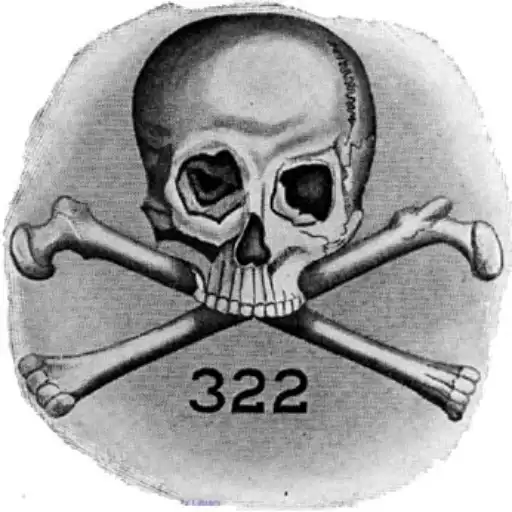
“322 and the Tomb.”
If you want a society that actually does have a scary amount of influence, look no further than Yale University.
- The Basics: Founded in 1832, this senior society taps 15 new members each year. They meet in a windowless building called “The Tomb.”
- The Power List: The roster reads like a Who’s Who of American power: Presidents William Howard Taft, George H.W. Bush, and George W. Bush; Secretary of State John Kerry; and massive power brokers in finance and media.
- Myths vs. Facts:
- Myth: They possess the skull of the Apache warrior Geronimo.
- Status: Disputed but Plausible. A letter discovered in 2005 from a society member in 1918 claimed they dug up the skull. Geronimo’s descendants sued in 2009, but the case was dismissed on technicalities. The truth remains buried—literally.
- Fact: They are not a “global conspiracy,” but they are a networking super-weapon. When you spend a year sharing your deepest secrets with 14 other future leaders, you build a bond that transcends politics. That isn’t magic; it’s just elite nepotism.
2025 and Beyond: The New Face of Secrecy
The era of dusty lodges is ending. A June 2024 paper published in the Pakistan Journal of International Affairs argues that modern secret societies have shifted from physical “holding of secret knowledge” to decentralized digital gatekeeping.
The Rise of “Open Source” Secrecy
Groups like QAnon or exclusive invite-only Discord servers for Silicon Valley CEOs function as modern secret societies. They have:
- Initiation: Vetting processes (often algorithm-based).
- Esoteric Knowledge: “Insider” info (crypto tips, political leaks).
- Us vs. Them Mentality: The core trait of all secret groups.
In a world where everything is posted on Instagram, true privacy has become the ultimate luxury—and the ultimate power move.
FAQ
Q: Do secret societies actually rule the world?
A: Not in the way movies show. There is no single “table” of bad guys. However, groups of powerful people (like the World Economic Forum or Skull and Bones alumni) do exert massive influence. It’s influence, not total control.
Q: Can I join the Illuminati today?
A: If someone slides into your DMs asking for a membership fee to join the Illuminati, block them. That is a scam. The original Bavarian Illuminati is gone.
Q: Why did the Order of the Pug die out?
A: Mostly because the political necessity faded. Once Freemasonry became more accepted (or at least tolerated) in Europe, the need for a bizarre “dog-themed” cover organization vanished. Plus, kissing a porcelain dog’s butt is a hard sell for the long term.
Q: Are there secret societies we don’t know about?
A: Almost certainly. The most successful secret society is the one you have never heard of. If it’s on Wikipedia, it’s not that secret anymore.
Conclusion
We are obsessed with secret societies because we hate the idea that we are missing out. We want to believe there is a “plan”—even a sinister one—because the alternative is that the world is chaotic and random.
But looking at the Oculists and the Pugs, we see something else: the human desire to belong. Whether it’s wearing a dog collar in 1740 or trading crypto tips in a locked Telegram group, we just want to find our “pack.”
So, what about you? If you started a secret society today, what would be your cover? Would you be the “Order of the Sourdough Starters” or the “Brotherhood of the 404 Error”?
Share this article if you learned something new—and keep your eyes open. You never know who’s watching.

