

You know the scene. The screeching violins. The shadow behind the shower curtain. The knife. Norman Bates isn’t just a movie character; he’s a cultural scar, a terrifying reminder that the boy next door might be hiding a monster. But here’s the thing that hits harder than any Hitchcock jump scare: Norman Bates wasn’t entirely made up.
He was a fictional echo of a very real, very disturbed man named Ed Gein.
While Robert Bloch (the author of the 1959 novel Psycho) didn’t know every gruesome detail of Gein’s crimes when he started writing, the “circumstances” were eerily aligned. Both men were isolated bachelors in rural America. Both were dominated by religious, controlling mothers. And both tried to keep those mothers alive in the most horrific ways imaginable.
Let’s peel back the curtain (pun intended) on the twisted relationship between Ed and Augusta Gein—the real-life dynamic that birthed a horror legend.
The Matriarch of Misery: Augusta Gein
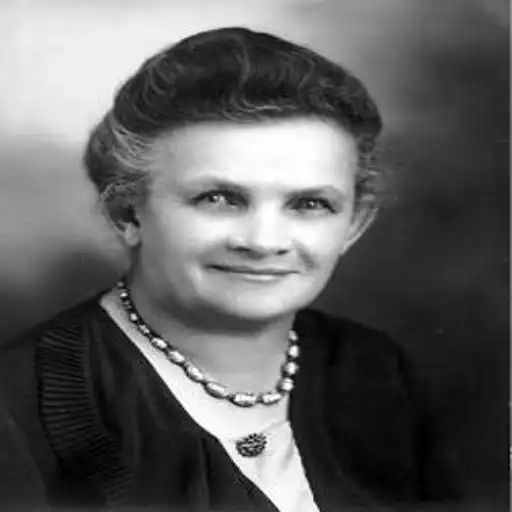
To understand the monster, you have to look at the maker. Augusta Gein wasn’t just a strict parent; she was a force of nature that flattened everything in her path. A devout, fanatical Lutheran, she preached a gospel of fear and isolation. To Augusta, the world was a cesspool of sin, and women (other than herself, naturally) were the vessels of the devil.
Imagine growing up where your own mother tells you that sex is evil and that you will never be loved by anyone but her. That was Ed’s reality in Plainfield, Wisconsin.
- Isolation as a Tool: Augusta moved the family to a remote farmhouse to shield her sons, Ed and Henry, from “outsiders.” They were effectively prisoners in their own home.
- The Gospel of Hate: She read to them from the Bible daily—not about love or forgiveness, but about death, retribution, and the wrath of God.
- Dependency: By crippling their social skills and forbidding friendships, she ensured Ed and Henry had no one else to turn to. They were trapped in her orbit.
When Ed’s father died in 1940 and his brother Henry died under mysterious circumstances in 1944 (some suspect Ed played a role, though it was never proven), Ed was left alone with the center of his universe: Augusta.
The Break: When the “God” Died
Here is where the psychology gets messy. For most of us, losing a parent is a tragedy. For Ed Gein, it was an apocalypse.
Augusta died in 1945. Ed, a grown man in his late 30s, was suddenly adrift. He had no friends, no wife, and no social compass. He didn’t just miss her; he didn’t know how to exist without her.
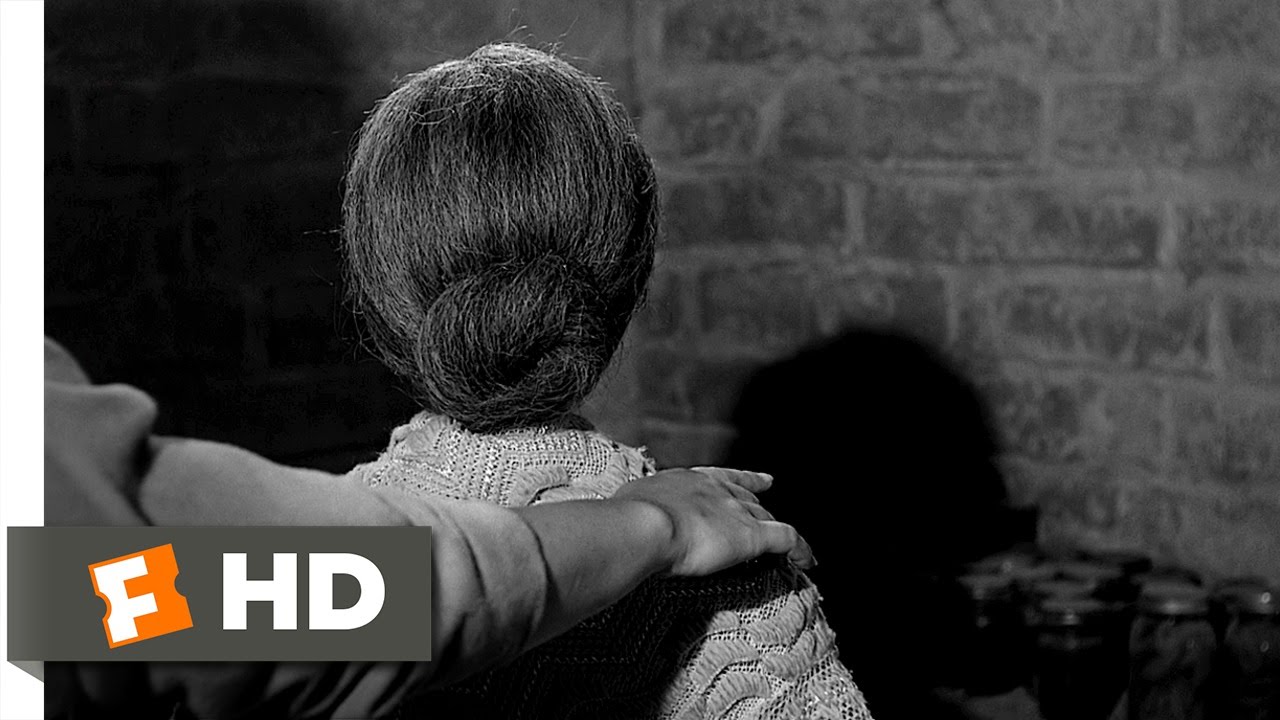
This is the crucible where Norman Bates was forged. In Psycho, Norman can’t let his mother go, so he literally keeps her corpse and develops a split personality to keep her “alive.” Ed Gein’s approach was different but equally disturbing. He didn’t keep Augusta’s body (though he did seal off her bedroom as a pristine shrine). Instead, he tried to become her.
The “Woman Suit” vs. The “Mother” Personality
This is a critical distinction that often gets lost in the hype.

- Norman Bates (Fiction): Developed a dissociative identity where “Mother” would take over his mind to commit crimes, “protecting” her son from corrupt women.
- Ed Gein (Reality): Sought to physically transform himself into a woman—specifically, his mother. He dug up corpses of middle-aged women who resembled Augusta and crafted a “woman suit” from their skin. He believed that by wearing their skin, he could literally crawl into his mother’s existence.
It’s a heartbreaking, nauseating attempt at connection. As one psychiatrist noted, Ed wasn’t just killing women; he was trying to resurrect the only authority figure he ever knew.
Headlines to Hollywood: The Bloch Connection
So, how did this tragedy become a blockbuster?
Robert Bloch was living in Wisconsin at the time of Gein’s arrest in 1957. The news didn’t just break; it shattered the community. Police found a house of horrors: bowls made of skulls, chairs upholstered in human skin, and a belt made of nipples.
Bloch was struck by the idea that a monster could live in plain sight. He wrote Psycho based on the concept of a man dominated by his mother, assuming the killer was a “rodent-like” recluse. When the full details of Gein’s psychology came out—the shrining of the room, the obsession with the mother—Bloch was stunned. He later said, “I discovered how closely the imaginary character I’d created resembled the real Ed Gein both in overt act and apparent motivation.”
Fun Fact: In the 2025 Netflix series Monster: The Ed Gein Story, this connection is explored even further, showing how modern audiences are still obsessed with the “why” behind the crime.

The “Good Boy” Syndrome
Why do we find this dynamic so terrifying? It’s because it subverts the most sacred bond in human nature: the love between a mother and child.
Ed Gein and Norman Bates weren’t rebels. They were extreme conformists. They followed their mothers’ rules so strictly that they broke the laws of society. They were “good boys” who did exactly what they were told—even after “Mother” was dead.
This adds a layer of tragedy to the horror. Ed Gein wasn’t born a monster; he was carefully sculpted into one by a woman who thought she was saving him from sin. In trying to keep him “pure,” she created a ghoul.
What Can We Learn? (The Takeaway)
The story of Ed Gein and Norman Bates isn’t just about gore. It’s a cautionary tale about unchecked isolation and the danger of dehumanizing others.
- Mental Health Matters: Ed’s schizophrenia went untreated for decades.
- The Danger of Echo Chambers: Augusta’s isolation of her family created a warped reality that no one could challenge.
- Art Imitates Life: Horror movies often serve as a mirror, reflecting our deepest societal fears—in this case, the fear that we don’t really know who is living next door.
So, the next time you watch Psycho, remember: the horror isn’t just on the screen. It started in a farmhouse in Plainfield, Wisconsin, with a boy who just wanted to make his mother proud.
Don’t Just Watch—Understand.
Curious about the psychology behind other true crime legends? Dive deeper into the mind of the “Plainfield Ghoul” by checking out the 2025 series or reading up on the FBI’s criminal profiling history. Knowledge is the only light that chases away the shadows.

