

Winchester Mystery House: The Real Story Behind the Staircases, Seance Room & Sarah Winchester
Ever heard the legend of the cursed rifle heiress who built a chaotic mansion to trap ghosts? Naturally, it makes for a fantastic campfire story. Millions of people flock to San Jose, California, hoping to catch a glimpse of an angry spirit. However, the true history of the Winchester Mystery House is completely different from the spooky Hollywood movies. In fact, it is much more fascinating.
Let’s separate historical facts from tourist fiction. Are you ready to dive in? Here is the ultimate guide to the house, the woman behind it, and everything you need to know before you visit.
Quick Facts & Visitor Info
Before we unpack the heavy history, here is the basic rundown for your trip.
- Location: 525 S Winchester Blvd, San Jose, CA 95128.
- Size: 160 rooms (originally around 500 before the 1906 earthquake).
- Time Built: 1886 to 1922 (36 years of on and off construction).
- Main Attraction: The 65 minute guided Mansion Tour covering 110 rooms.
- Official Tour Link: Winchester Mystery House Official Tickets (Get Tickets)
Ultimately, this Victorian marvel stands as a testament to one woman’s unchecked architectural passion.
Who Was Sarah Winchester?
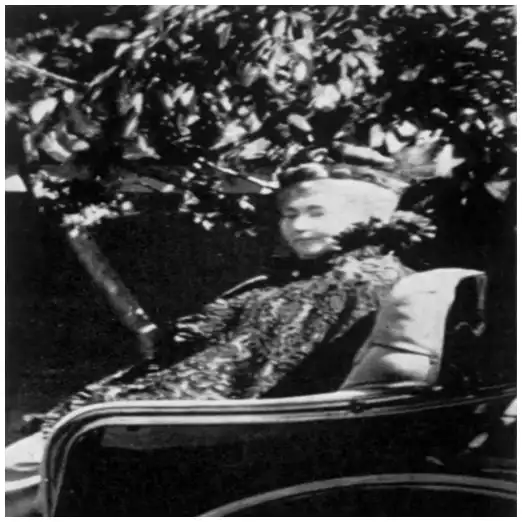
Pop culture loves to paint Sarah Winchester as a grieving, deranged widow hiding from phantoms. Frankly, that is completely insulting to her memory. She was an incredibly sharp, brilliant, and philanthropic woman.
Born Sarah Lockwood Pardee in 1839 in New Haven, Connecticut, she grew up in an affluent, progressive family. Eventually, she married William Wirt Winchester in 1862. His family owned the Winchester Repeating Arms Company. You probably know them for the Winchester Model 1873, famously dubbed “The Gun that Won the West”.
Tragedy struck early. Their only child, Annie, died at just five and a half weeks old in 1866 from marasmus (severe malnutrition). Later, in 1881, William died of tuberculosis. Consequently, Sarah inherited a massive fortune. She received roughly $20 million and nearly 50% of the company stock.
Seeking a fresh start, she moved to California in 1885. She bought a small, eight room farmhouse in San Jose. From there, her legendary building project began. Historian Mary Jo Ignoffo, author of Captive of the Labyrinth, sifted through primary sources like the Samuel Leib Papers at History San Jose. What did she find? Records show Sarah was a savvy businesswoman, a loving aunt, and an amateur architect. Furthermore, she was definitely not crazy.
Why the “Staircases to Nowhere”?
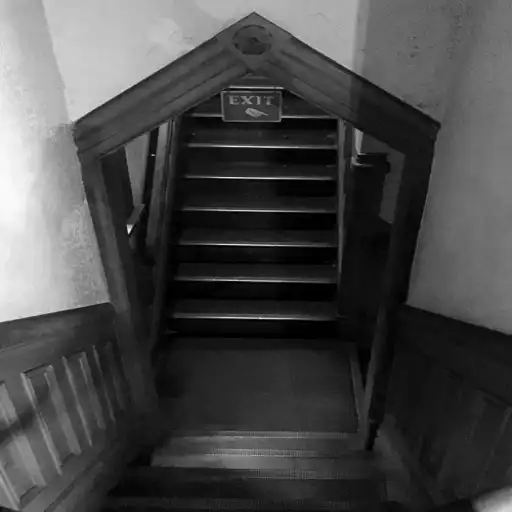
If she wasn’t crazy, why build a staircase that slams straight into the ceiling? Tour guides love to claim she built confusing floor plans to baffle the vengeful ghosts of people killed by Winchester rifles.
Honestly, the real reasons are highly practical and tied to natural disasters.
1. The 1906 Earthquake
This is the biggest piece of the puzzle. Originally, the mansion was seven stories high. In 1906, a massive earthquake devastated the San Francisco Bay Area. The quake destroyed the top three floors and the observation tower of Sarah’s home. Instead of painstakingly rebuilding the unstable upper levels, Sarah simply had workers board them up. Therefore, doorways that once opened into grand hallways now opened into thin air. Staircases that previously went to the fourth floor suddenly went nowhere.

2. Debilitating Arthritis
As she aged, Sarah suffered from severe rheumatoid arthritis. Normal stairs became agonizing to climb. Consequently, she installed “Easy Riser” staircases with a zigzagging pattern and very low steps. Thus, she could navigate her massive home without intense pain.
3. She Was Winging It
She lacked formal architectural training. Unquestionably, she used her massive wealth to turn the house into an experimental playground. Sometimes, she simply changed her mind mid build. A doorway got walled off because she decided to put a fireplace there instead.

The Seance Room: Myth vs. Records
Did Sarah Winchester hold nightly seances to get building instructions from ghosts? If you take the official tour, you will see a room with one entrance and three exits. Supposedly, this was her “Seance Room,” designed to confuse spirits.
Historically speaking, this is pure bunk.
During the Victorian era, Spiritualism was wildly popular. However, there is zero historical evidence that Sarah participated in it. According to Ignoffo, if a wealthy woman wanted to host a seance, it would be a major social event held in the front parlor. Seances were party activities, not lonely midnight rituals in a closet.
Additionally, staff testimony totally debunks the spooky room. Former employees confirmed that the supposed “Seance Room” was just a normal room. Sometimes, the staff even slept in there. What about the number 13 hidden everywhere, like the 13 coat hooks in that room? Workers admitted those details were added after she died to sell tickets. In fact, the 13 hooks were reportedly installed by the tourist company just a few years ago.
Construction Workers’ Diaries & Eyewitness Notes
Want a unique angle on the Winchester mystery? Look at the people who actually swung the hammers.
Rumors state that construction never stopped, running 24/7 to keep the ghosts at bay. Yet, primary sources tell a mundane story. John Hansen was the ranch foreman from the late 1890s until Sarah’s death. His daybooks, preserved in the Carl Hansen Collection at History San Jose, document everyday ranch life.
His notes do not mention panicked, midnight building sessions to appease spirits. Instead, they record standard agricultural work, payroll, and Mrs. Winchester’s travels.
Furthermore, workers noted she was a fantastic boss. She paid exceptionally well. Some historians argue that her constant building was actually an act of philanthropy. Since her own father was a struggling woodworker, she wanted to keep local craftsmen employed full time. Clearly, keeping a dozen carpenters on the payroll for decades was her way of giving back to the community.
“Would a suspicious employer retain the same workers for decades? Would she name them in her will? Would she buy them homes? All these things happened.” – Historian Mary Jo Ignoffo.

Photography & Video Tour
Since photography is heavily restricted inside the mansion to protect its historical integrity, video tours are the best way to see the bizarre architecture beforehand.

Notice how the video highlights the stunning Aesthetic Movement design. Actually, the house features gorgeous art glass windows, parquet floors, and indoor greenhouses. It is a masterpiece of Queen Anne Victorian architecture.
Is It Haunted? The Balanced View
So, are there actually ghosts? That heavily depends on who you ask.
The Skeptics and Investigators:
Legendary illusionist Harry Houdini visited the house in 1924, shortly after it opened to the public. His goal? To debunk the spiritualism rumors. He found exactly zero evidence of the supernatural. Since then, modern paranormal shows like Ghost Adventures (with Zak Bagans) have filmed there. While they claim to capture “spirit box” voices, these heavily edited TV shows rarely convince serious skeptics.
The Visitors and Staff:
Conversely, many people report genuine creepy encounters. Employees often talk about “Clyde,” a phantom mustached man seen pushing a wheelbarrow in the basement. Sometimes, visitors compliment the staff on the “actor” fixing the ballroom fireplace. The spooky part? The staff replies, “We didn’t hire an actor.”.
Cold spots, footsteps, and disembodied whispers are frequently reported. Whether it’s the power of suggestion or a trapped Victorian carpenter, the spooky vibe is definitely real.
Practical Visitor Tips & Guide
Ready to walk the confusing halls yourself? Here is how to plan a perfect visit to the weirdest home in San Jose.
- Book in Advance: Tours sell out quickly, especially around Halloween. Always buy tickets online @winchestermysteryhouse.com.
- Best Time to Visit: Go on a weekday morning. Early tours (starting at 10:20 AM) are generally less crowded.
- Ticket Options:
- The Mansion Tour: $38.99 for adults. This covers 110 rooms over 65 minutes.
- Basement Access Add On: For $13 extra, you can wander the eerie, self guided basements. Highly recommended if you want that creepy factor!
- Attic Access: Another $13 add on takes you to the rarely seen third floor.
- Accessibility: Due to the historical nature and narrow, bizarre staircases, the interior of the mansion is not wheelchair accessible. However, the gardens are accessible.
- Kids: Children under 5 get in free. Just remember, strollers are a nightmare in those tight hallways.
Sources & Further Reading
If you want to dig deeper into the actual history without the Hollywood fluff, check out these highly authoritative sources:
- History San Jose – Houses the original Samuel Leib legal papers and John Hansen daybooks. Browse their archives @historysanjose.org.
- Captive of the Labyrinth by Mary Jo Ignoffo – The definitive, historically accurate biography of Sarah Winchester.
- San Francisco Chronicle – Read their architectural breakdown:”It may be a little spooky, but the Winchester Mystery House is also hauntingly beautiful”.
What Do You Think?
Was Sarah Winchester a visionary female architect playing with her fortune, or a terrified woman running from the ghosts of a violent empire? The facts lean heavily toward the former, but the myth is undeniably fun.
Have you ever taken the tour? Did you spot “Clyde” in the basement, or did you just get lost on a staircase to nowhere? Drop your stories in the comments below, and don’t forget to share this guide with your favorite travel buddy!
Winchester Mystery House FAQ
Why did Sarah Winchester build the Winchester Mystery House?
Sarah Winchester began building the mansion in 1886 after moving to California. Legend says she was told to keep building to appease spirits, but historians believe the ongoing construction was likely personal preference and architectural experimentation.
Why are there staircases that lead to nowhere?
The house contains staircases that stop at ceilings and doors that open to walls. Many of these design quirks resulted from renovations after the 1906 earthquake rather than attempts to confuse ghosts.
Is the Winchester Mystery House really haunted?
The mansion is widely considered one of America’s most haunted homes. However, there is no scientific evidence confirming paranormal activity, most claims are based on visitor experiences and folklore.
How many rooms are in the Winchester Mystery House?
The mansion has 160 rooms, including 40 bedrooms and dozens of staircases. The number changed over time due to constant remodeling and earthquake damage.
Did Sarah Winchester hold séances in the house?
There is no verified documentation proving regular séances were held. The “Séance Room” exists, but historians debate whether it was used for spiritual rituals or private meetings.
How long was the Winchester Mystery House under construction?
Construction reportedly continued for nearly 36 years, from 1886 until Sarah Winchester’s death in 1922. The idea that it was built nonstop 24/7 is debated by historians.
Can you tour the Winchester Mystery House today?
Yes, the mansion operates as a historic attraction in San Jose, California. Visitors can book guided tours and seasonal events throughout the year.
Did construction workers live inside the Winchester Mystery House?
There is no strong evidence that workers permanently lived inside the mansion, but construction crews were frequently on-site. Ongoing renovations meant carpenters and builders were regularly present for decades.
What happened to the Winchester Mystery House after Sarah Winchester died?
After Sarah Winchester died in 1922, construction immediately stopped. The property was later sold and opened to the public as a tourist attraction.
Was the Winchester Mystery House damaged in the 1906 earthquake?
Yes, the 1906 San Francisco earthquake caused significant structural damage. Several upper floors were removed, and some unusual architectural features may have resulted from earthquake repairs.
Are there secret passages in the Winchester Mystery House?
The mansion contains hidden doors and unusual passageways, but they were likely designed for privacy and convenience rather than secrecy. Many “secret passage” stories are exaggerated for tourism appeal.
Why does the Winchester Mystery House have so many windows?
The house reportedly contains over 10,000 windows, reflecting Sarah Winchester’s interest in natural light and ventilation. Some windows were later covered or built over during renovations.
Sources help:
- https://www.sfchronicle.com/entertainment/article/haunted-beauty-winchester-mystery-house-19846615.php
- https://www.reddit.com/r/PetPeeves/comments/1nakfya/the_portrayal_of_sarah_winchester_and_the/
- https://winchestermysteryhouse.com/tours/
- https://en.wikipedia.org/wiki/Sarah_Winchester
- https://quod.lib.umich.edu/j/jcms/images/16_61.4king.pdf

