

From Voodoo to Viral: The Real History of Zombies (Origins, Myths & Movie Legends Explained)
The zombie is the defining monster of our time. It’s a relentless, shuffling, groaning metaphor that just won’t die.
You see a zombie, you know the rules: The headshot. The bite. The infection. The horde. You know it from The Walking Dead, from The Last of Us, from countless movies and video games. It’s a viral, flesh-eating apocalypse.
But what if I told you that all of that… is a lie?
Okay, not a lie, but a complete reinvention. The zombie you think you know is a 100% American-made monster, accidentally invented by a quiet filmmaker from Pittsburgh.
The real original zombie has a history that’s far older, more tragic, and, frankly, more terrifying. It isn’t a story about a virus or a plague. It’s a story about slavery, magic, and the very real horror of losing your soul.
So, grab your shovel. We’re digging this one up from the beginning.
Part 1: The Real Original Zombie (A Story of Fear, Not Flesh)
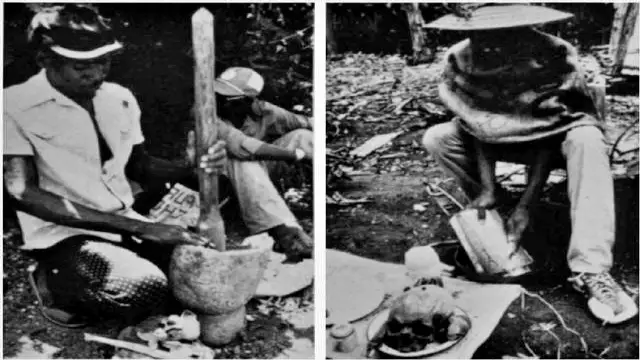
Before the “Braaaiiins,” there was the zombi.
The word and the original concept come from Haitian Voodoo (Vodou). But you’ve got to clear your head of Hollywood voodoo. We’re not talking about pin-cushion dolls and shrunken heads. We’re talking about a complex, syncretic religion that was forged by enslaved West Africans in the 17th and 18th centuries.
In Haitian folklore, a zombi (or zonbi) is not a flesh-eater. It’s not a contagious monster.
A zombi is a reanimated corpse. A body without a soul. A slave.
Here’s how it works, according to the lore:
- A Voodoo sorcerer, known as a bokor, performs a dark ritual.
- This ritual “splits” a person’s soul. In Haitian belief, a person has two parts to their soul: the gros bon ange (big good angel) and the ti bon ange (little good angel).
- The ti bon ange is the part that holds your personality, your memories, your will. It’s you.
- The bokor captures the ti bon ange and traps it in a bottle or container, leaving the body an empty, mindless shell.
- The bokor then raises the “dead” body, which is now a zombi—a creature that will do anything it’s told. It has no will, no memory, and no escape. It is forced into manual labor, usually on farms or sugar plantations.
Do you see it? The real zombie myth wasn’t about the fear of being eaten. It was about the all-too-real horror of slavery.
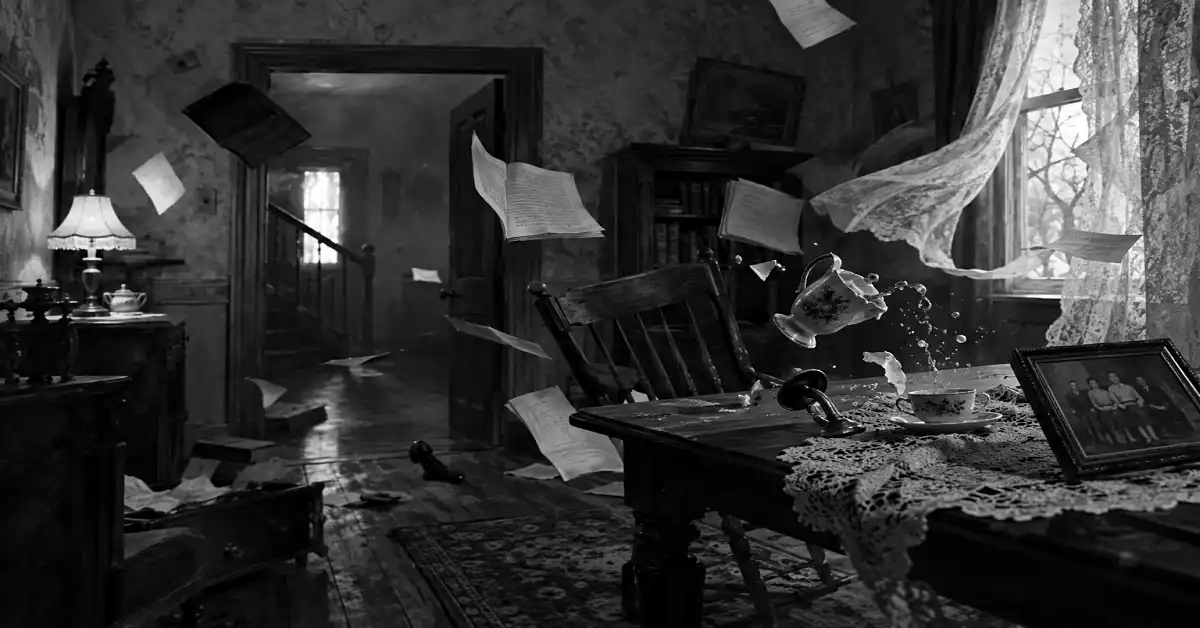
For the enslaved people of Haiti, who had finally won their freedom, the zombi was a terrifying metaphor. It represented the ultimate loss of control, the fear of having your body and your free will stolen, and being forced back into bondage… forever. It was a fate literally worse than death.
Part 2: How the “Zombi” Got to America

So, how did this tragic figure of Haitian folklore become the star of American horror movies? You can thank one man: William Seabrook.
Seabrook was an American journalist, occultist, and all-around sensationalist. In 1929, he published a travelogue called The Magic Island. It was a lurid, exaggerated, and often racist account of his time in Haiti, and it was a massive bestseller.
For the first time, mainstream America was introduced to the “zombi.”
Seabrook claimed to have visited plantations where he saw these zombis working. He described them as “dead people” with “dead eyes,” “plodding like automatons.” His book single-handedly seared the image of a mindless, reanimated corpse into the American imagination.
It didn’t take long for Hollywood to notice.
Just three years later, in 1932, the first-ever feature-length zombie film hit theaters: White Zombie, starring the legendary Bela Lugosi.
This film stuck very closely to Seabrook’s (and Haiti’s) version. Lugosi plays a bokor-like figure who uses a potion to turn a young woman into a mindless, obedient slave to work in his sugar mill. There was no flesh-eating. No plague. It was 100% a voodoo horror story.
For the next 30 years, that’s what a “zombie” was in pop culture: a mind-controlled slave created by a Voodoo master.
…And then a guy from Pittsburgh changed everything.
Part 3: The Game-Changer (How George A. Romero Invented the Modern Monster)

This is the most important moment in zombie history. If you remember one thing, remember this.
In 1968, a small, independent film crew led by George A. Romero released a grainy, low-budget horror movie called Night of the Living Dead. This movie, and Romero, accidentally created the modern zombie.
Here’s the kicker: Romero never called his monsters “zombies.”
Seriously. Go watch the movie. They are called “ghouls,” “flesh-eaters,” or just “those things.” Romero himself was inspired by Richard Matheson’s 1954 novel I Am Legend (which featured vampires, not zombies).
So why do we call them zombies? Because the public did. When audiences saw Night of the Living Dead, they saw reanimated corpses walking around. The only word they had in their cultural vocabulary for that was “zombie,” thanks to White Zombie.
Romero, by his own admission, didn’t even make the connection until after the film was a hit. It was only in his 1978 sequel, Dawn of the Dead, that the word “zombie” was finally used.
Romero’s “ghouls” were a brand new monster, and he gave them the three rules that define every zombie story to this day:
- They are Cannibals: This was the big one. Romero’s monsters weren’t slaves; they were predators. They were driven by an insatiable hunger for living human flesh. This was a massive invention.
- They are a Contagious Plague: In Voodoo, you need a bokor to make a zombie. In Romero’s world, you just need a bite. The “virus” is passed from one to another, turning victims into monsters.
- They are Apocalyptic: The threat is no longer one or two slaves. It’s the end of the world. Society collapses under the weight of the dead rising to consume the living.
Without George A. Romero, there is no Walking Dead. There is no Resident Evil. There is no modern zombie. He took the body of the Haitian zombi but ripped out its soul, replacing it with a mindless, all-consuming hunger.
Part 4: But… Could a Real Zombie Exist? The Neurotoxin Theory

This is where science and folklore get really weird. For years, the zombi was dismissed as simple superstition. But in the 1980s, one man came back from Haiti with a chilling hypothesis.
Ethnobotanist Wade Davis published a 1985 book (which later became a Wes Craven movie) called The Serpent and the Rainbow. Davis proposed a “zombie” could, in fact, be chemically created.
His theory went like this:
- The “Poison”: A bokor doesn’t steal a soul with magic; he uses a complex powder called a coup de poudre. The key ingredient, Davis claimed, was tetrodotoxin.
- What is Tetrodotoxin? It’s a violently potent neurotoxin found in the pufferfish. It blocks the nerve signals in the body, paralyzing the victim. They can’t move, their breathing slows to almost nothing, and their heart rate becomes undetectable. They appear, by all medical definitions, to be dead.
- The “Death” and “Resurrection”: The “dead” victim is mistakenly declared dead and buried alive. The bokor then digs up the body after the funeral.
- The “Enslavement”: As the poison wears off, the victim would be in a state of terror and psychosis, likely with brain damage from oxygen deprivation. The bokor would then feed them a deliriant paste made from plants like Datura (Jimson weed) to keep them in a suggestible, mindless, and “zombified” state.
So, is it true?
Well… it’s highly debated. Critics of Davis’s work (and there are many) argue that the amount of tetrodotoxin needed is almost impossible to dose correctly—a tiny bit too much, and you’re actually dead. A tiny bit too little, and you’re just paralyzed for a few minutes.
While Davis’s science is controversial, his work did one amazing thing: it brought the conversation back to the human element. It suggested that the zombi might not be a supernatural monster, but a victim of a very real, very human crime.
Part 5: From Shambling to Sprinting (The Great Zombie Evolution)

For decades, Romero’s slow, shambling “ghoul” was the undisputed king. The horror was in the dread. You could outwalk one, but you couldn’t outlast the horde.
Then, they started to run.
While 1985’s Return of the Living Dead gave us fast, talking, brain-eating zombies (a major first!), the monster that truly changed the game was from the 2002 film 28 Days Later.
Director Danny Boyle didn’t give us zombies. He gave us the “Infected.”
These weren’t the reanimated dead. They were living humans infected with a “Rage” virus. And they were fast. They were sprinting, twitching, screaming bundles of pure, homicidal fury.
This changed everything. The genre’s subtext shifted.
- Slow Zombies (Romero): The horror is dread. It’s a slow-moving, inevitable doom. It’s a metaphor for our own mindless consumerism (Dawn of the Dead) or our inability to cooperate (Night of the Living Dead).
- Fast Zombies (Boyle): The horror is panic. It’s a sudden, violent, and overwhelming assault. It’s a metaphor for social rage, viral pandemics, and the-thin veneer of civilization ripping apart in an instant.
This new, fast-moving threat paved the way for the Dawn of the Dead remake (2004), World War Z, and countless others. At the same time, The Walking Dead on TV brought Romero’s slow-burn, “the real monsters are the humans”-style back into the spotlight, proving there’s room for both.
And now? We have The Last of Us, which evolved the concept even further, creating a terrifyingly beautiful monster from a real-world fungus (the Cordyceps).
Why Won’t They Die? (The Zombie as a Mirror)
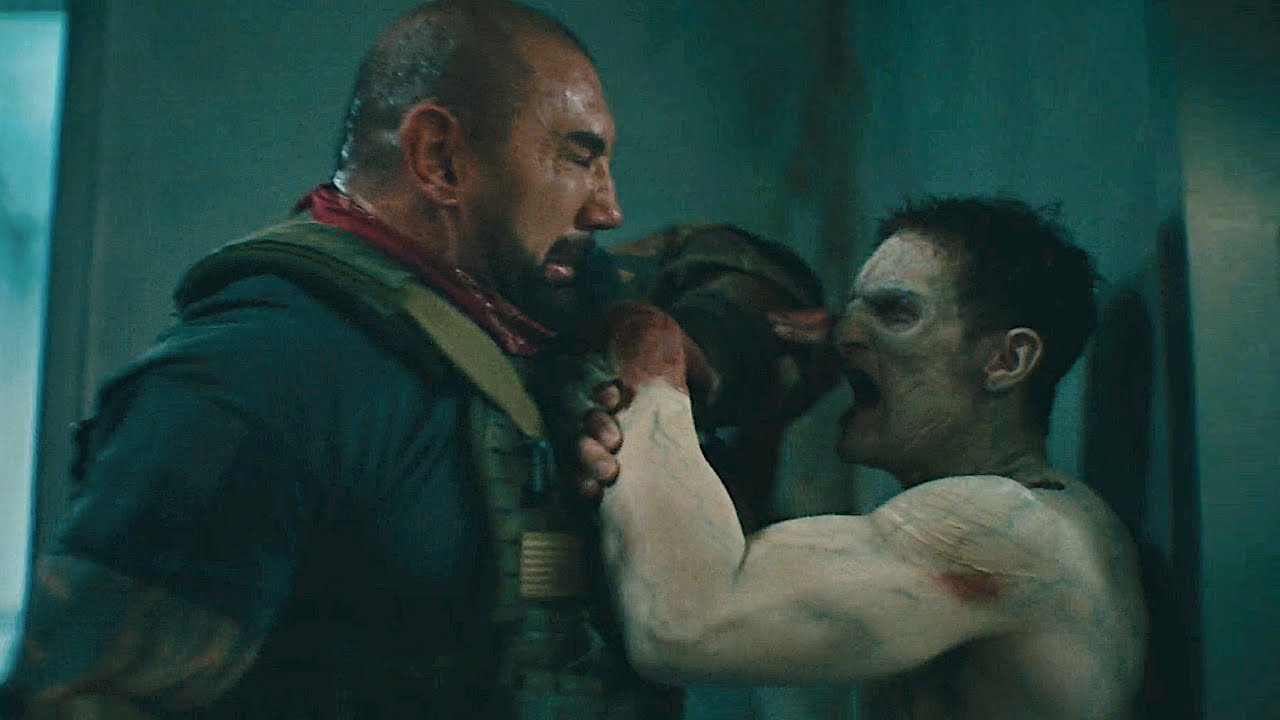
So why are we still obsessed? Why, after 50 years, are these things still the biggest monsters in the world?
It’s because the zombie is the perfect, blank-slate monster. It’s a mirror for whatever we’re most afraid of right now.
- 1920s-1930s (Voodoo): The fear was loss of free will, a cultural echo of slavery.
- 1960s-1970s (Romero): The fear was societal collapse. The zombie was a metaphor for the Vietnam War, civil unrest, and mindless consumerism. We were afraid of each other.
- 2000s (Rage): The fear was pandemics and terrorism. The zombie was a metaphor for SARS, bird flu, and a world that could go from normal to chaos in the blink of an eye.
- Today (TWD/TLoU): The fear is loss of humanity. In a world where the rules are gone, the zombies are just the backdrop. The real question the zombie asks us is: What are you willing to do to survive? And are you still the good guy?
The zombie has traveled from a Haitian plantation to a Pittsburgh farmhouse to a global pandemic. It started as one man’s stolen soul and became a virus that infects the entire world.
The one thing that hasn’t changed? It’s still, and always will be, us.
What’s your favorite zombie “era”? Are you a classic, slow-moving Romero fan, or do you prefer the fast-paced “Infected” of 28 Days Later? Let me know in the comments!

